Minetti Elio, Palermo Andrea, Malcangi Giuseppina, Inchingolo Alessio Danilo, Mancini Antonio, Dipalma Gianna, Inchingolo Francesco, Patano Assunta, Inchingolo Angelo Michele
Department of Biomedical, Surgical, Dental Science, University of Milan, 20161 Milan, Italy.
College of Medicine and Dentistry, Birmingham B4 6BN, UK.
J Funct Biomater. 2023 May 13;14(5):272. doi: 10.3390/jfb14050272.
The use of the human dentin matrix could serve as an alternative to autologous, allogenic, and xenogeneic bone grafts. Since 1967, when the osteoinductive characteristics of autogenous demineralized dentin matrix were revealed, autologous tooth grafts have been advocated. The tooth is very similar to the bone and contains many growth factors. The purpose of the present study is to evaluate the similarities and differences between the three samples (dentin, demineralized dentin, and alveolar cortical bone) with the aim of demonstrating that the demineralized dentin can be considered in regenerative surgery as an alternative to the autologous bone.
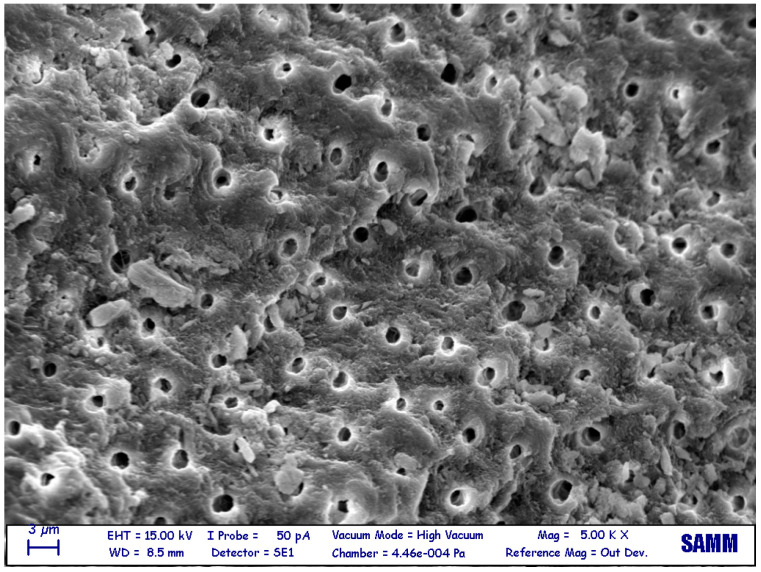
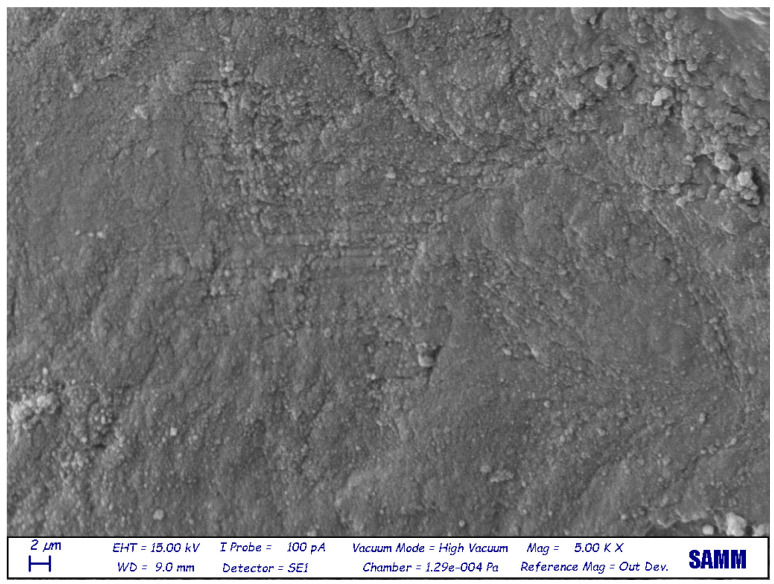
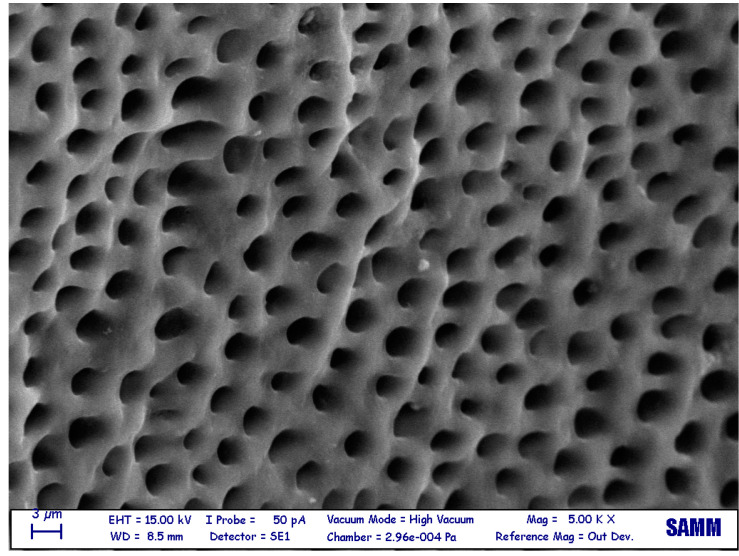
This in vitro study analyzed the biochemical characterizations of 11 dentin granules (Group A), 11 demineralized using the Tooth Transformer (Group B), and dentin granules and 11 cortical bone granules (Group C) using scanning electron microscopy (SEM) and energy dispersive spectroscopy (EDS) to evaluate mineral content. Atomic percentages of C (carbon), O (oxygen), Ca (calcium), and P (phosphorus) were individually analyzed and compared by the statistical t-test.
The significant -value ( < 0.05) between group A and group C indicated that these two groups were not significantly similar, while the non-significant result ( > 0.05) obtained between group B and group C indicated that these two groups are similar.
The findings support that the hypothesis that the demineralization process can lead to the dentin being remarkably similar to the natural bone in terms of their surface chemical composition. The demineralized dentin can therefore be considered an alternative to the autologous bone in regenerative surgery.
使用人牙本质基质可作为自体、异体和异种骨移植的替代方法。自1967年自体脱矿牙本质基质的骨诱导特性被揭示以来,自体牙移植就一直受到提倡。牙齿与骨骼非常相似,并且含有许多生长因子。本研究的目的是评估三种样本(牙本质、脱矿牙本质和牙槽骨皮质)之间的异同,以证明脱矿牙本质在再生手术中可被视为自体骨的替代物。
这项体外研究分析了11颗牙本质颗粒(A组)、11颗使用牙齿转化器脱矿的牙本质颗粒(B组)以及11颗牙本质颗粒和11颗皮质骨颗粒(C组)的生化特性,使用扫描电子显微镜(SEM)和能谱仪(EDS)来评估矿物质含量。通过统计t检验分别分析和比较碳(C)、氧(O)、钙(Ca)和磷(P)的原子百分比。
A组和C组之间的显著p值(p<0.05)表明这两组没有显著相似性,而B组和C组之间获得的不显著结果(p>0.05)表明这两组相似。
研究结果支持以下假设,即脱矿过程可导致牙本质在表面化学成分方面与天然骨非常相似。因此,脱矿牙本质在再生手术中可被视为自体骨的替代物。