Pałka Tomasz, Koteja Piotr Michał, Tota Łukasz, Rydzik Łukasz, Kopańska Marta, Kaczorowska Izabela, Javdaneh Norollah, Mikulakova Wioletta, Wolski Hubert, Ambroży Tadeusz
Department of Physiology and Biochemistry, Faculty of Physical Education and Sport, University of Physical Education, 31-571 Kraków, Poland.
Institute of Sports Sciences, University of Physical Education, 31-571 Kraków, Poland.
Biology (Basel). 2023 May 7;12(5):687. doi: 10.3390/biology12050687.
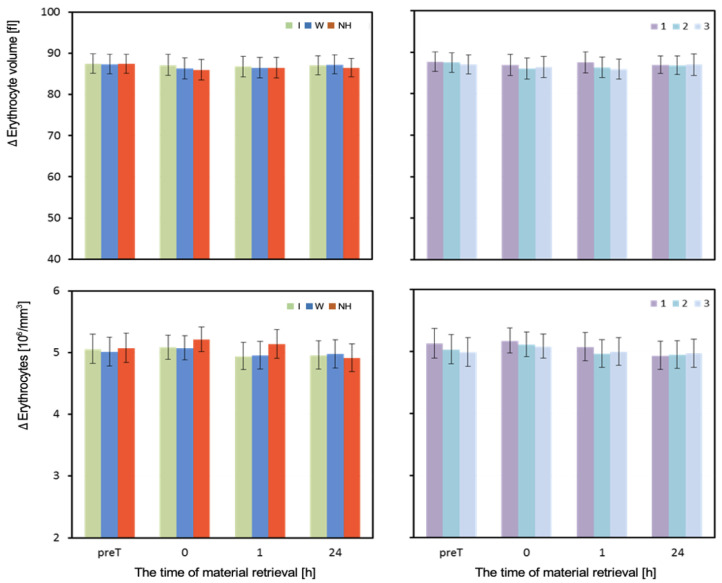
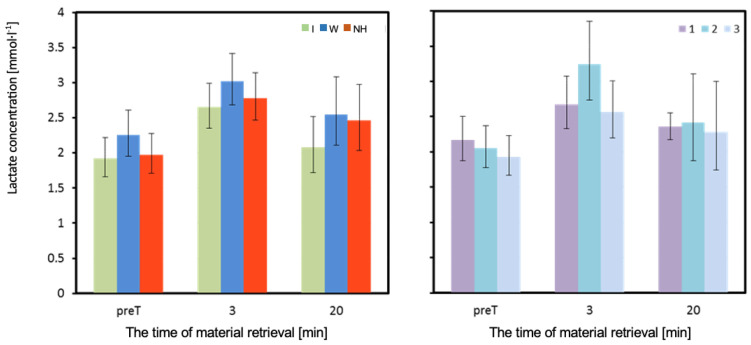
Increased internal body temperature during dehydration can be accompanied by water-electrolyte imbalances, higher levels of lactate during and after physical exertion, and changes in blood volume. Adequate hydration with carbohydrate-electrolyte fluids during physical activity can prevent dehydration and delay the onset of fatigue, allowing for proper biochemical and hematological reactions during exertion. A suitable drinking plan should consider the pre-exercise hydration level as well as the requirements for fluids, electrolytes, and substrates before, during, and after exercise. The objective of this study was to assess the impact of different hydration strategies (isotonic, water, and no hydration) on hematological indicators (hemoglobin concentration, hematocrit number, erythrocyte count, leukocyte count, and mean corpuscular volume) and lactate concentration during prolonged physical exertion in a high-temperature environment in young men.
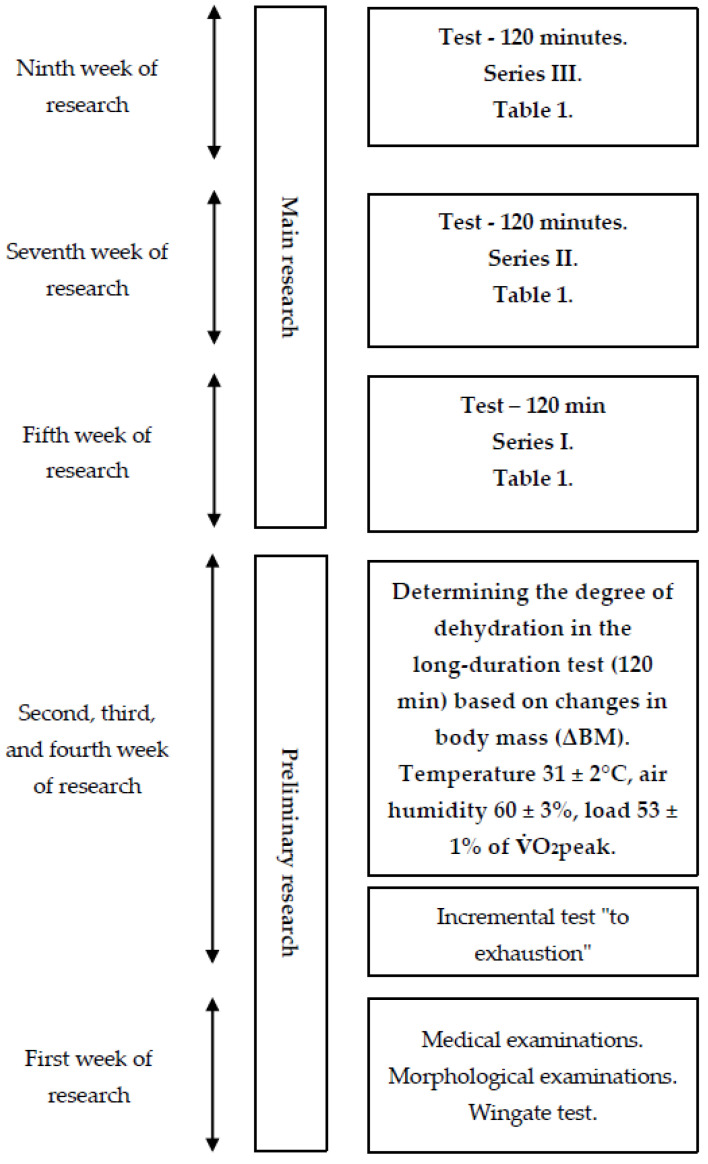
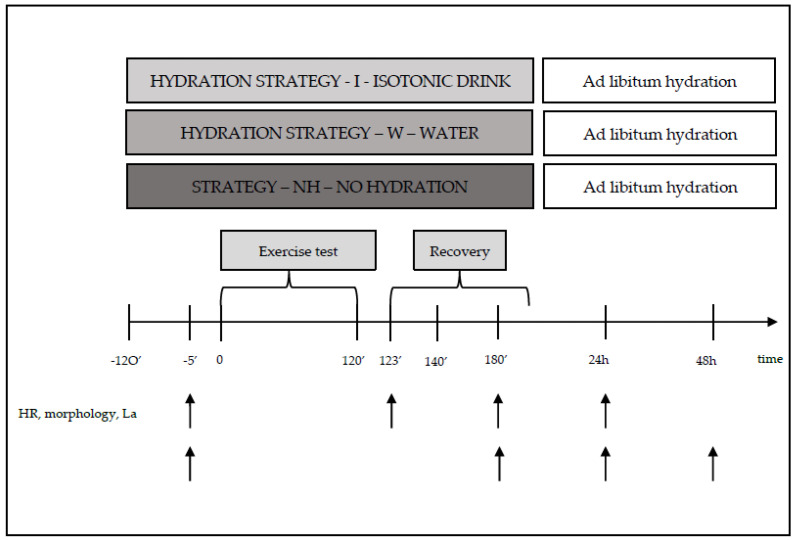
The research method was quasi-experimental. The study involved 12 healthy men aged 20.6 ± 0.9 years, who were characterized by a body height (BH) of 177.2 ± 4.8 cm, a body mass (BM) of 74.4 ± 7.6 kg, a lean body mass (LBM) of 61.1 ± 6.1 kg, and a body mass index (BMI) of 23.60 ± 0.48. Measurements were taken of body composition and hematological and biochemical indicators. The main tests consisted of three series of tests separated by a one-week break. During the tests, the men performed a 120 min exercise with an intensity of 110 W on a cycle ergometer in a thermo-climatic chamber at an ambient temperature of 31 ± 2 °C. During exertion, the participants consumed isotonic fluids or water in an amount of 120-150% of the lost water every 15 min. The participants who exercised without hydration did not consume any fluids.
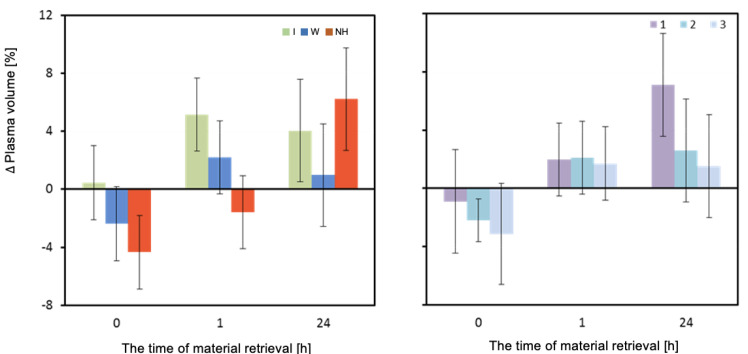
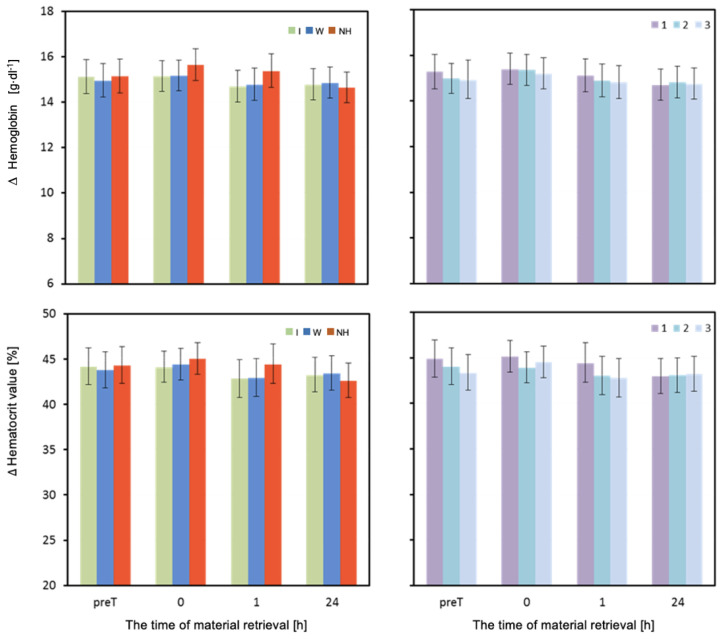
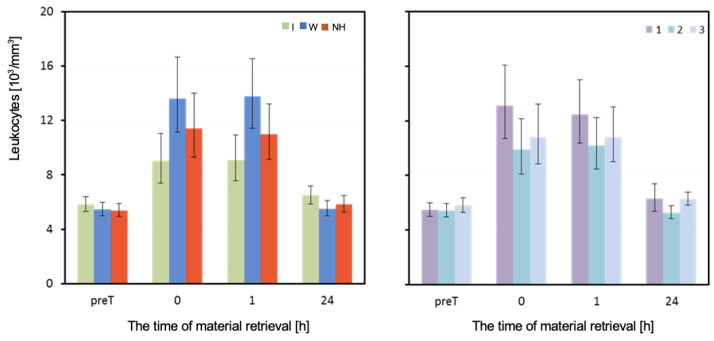
Significant differences in serum volume were observed between the use of isotonic beverage and no hydration ( = 0.002) and between the use of isotonic beverage and water ( = 0.046). Immediately after the experimental exercise, hemoglobin values were significantly higher with no hydration than with water ( = 0.002). An even stronger significance of differences in hemoglobin was observed between no hydration and isotonic beverage consumption ( < 0.001). There was a statistically significant difference in the number of leukocytes between the consumption of isotonic beverage and no hydration ( = 0.006).
Each active hydration strategy allows for a better maintenance of water-electrolyte homeostasis during physical exertion in a high-temperature environment, and isotonic beverage consumption had a greater impact on hydrating extracellular spaces with the smallest changes in hematological indicators.
脱水期间体内温度升高可能伴有水电解质失衡、体力消耗期间及之后较高水平的乳酸以及血容量变化。体育活动期间用碳水化合物 - 电解质溶液进行充分补水可预防脱水并延迟疲劳的出现,从而使运动期间能进行适当的生化和血液学反应。合适的饮水计划应考虑运动前的补水水平以及运动前、运动期间和运动后对液体、电解质和底物的需求。本研究的目的是评估不同补水策略(等渗溶液、水和不补水)对年轻男性在高温环境下长时间体育活动期间血液学指标(血红蛋白浓度、血细胞比容、红细胞计数、白细胞计数和平均红细胞体积)及乳酸浓度的影响。
研究方法为准实验性。该研究纳入了12名年龄为20.6±0.9岁的健康男性,其身高(BH)为177.2±4.8厘米,体重(BM)为74.4±7.6千克,瘦体重(LBM)为61.1±6.1千克,体重指数(BMI)为23.60±0.48。对身体成分以及血液学和生化指标进行了测量。主要测试由三个系列的测试组成,中间间隔一周。在测试期间,这些男性在温度为31±2°C的热气候室内的自行车测力计上以110瓦的强度进行了120分钟的运动。在运动期间,参与者每15分钟饮用等渗溶液或水,饮用量为流失水分的120 - 150%。不补水进行运动的参与者未饮用任何液体。
观察到使用等渗饮料与不补水之间(P = 0.002)以及使用等渗饮料与水之间(P = 0.046)血清量存在显著差异。实验运动结束后,不补水组的血红蛋白值显著高于饮水组(P = 0.002)。不补水与饮用等渗饮料之间血红蛋白差异的显著性更强(P < 0.001)。饮用等渗饮料与不补水之间白细胞数量存在统计学显著差异(P = 0.006)。
每种主动补水策略都能在高温环境下的体育活动期间更好地维持水电解质稳态,饮用等渗饮料对补充细胞外液有更大影响,且血液学指标变化最小。