Bolgeo Tatiana, Maconi Antonio, Gardalini Menada, Gatti Denise, Di Matteo Roberta, Lapidari Marco, Longhitano Yaroslava, Savioli Gabriele, Piccioni Andrea, Zanza Christian
Department of Integrated Research and Innovation Activities, AON SS. Antonio e Biagio e Cesare Arrigo, 15121 Alessandria, Italy.
Department of Vascular Surgery, St. Antonio and Biagio and Cesare Arrigo Hospital, 15121 Alessandria, Italy.
J Pers Med. 2023 Apr 26;13(5):736. doi: 10.3390/jpm13050736.
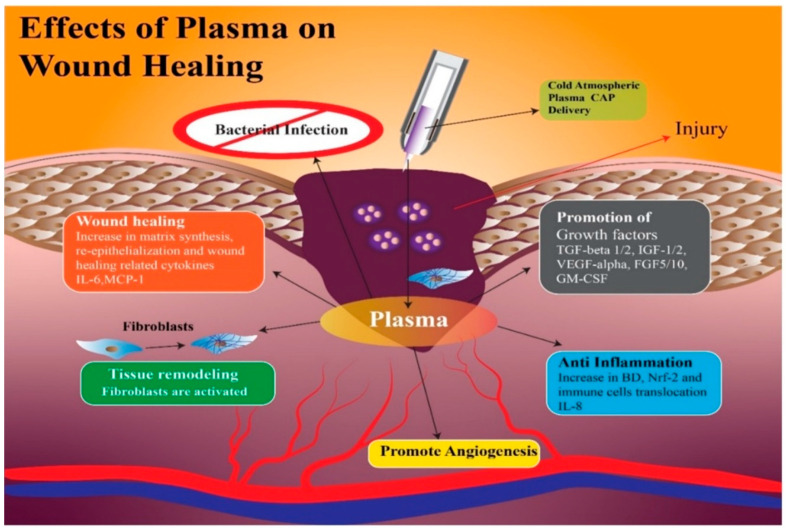
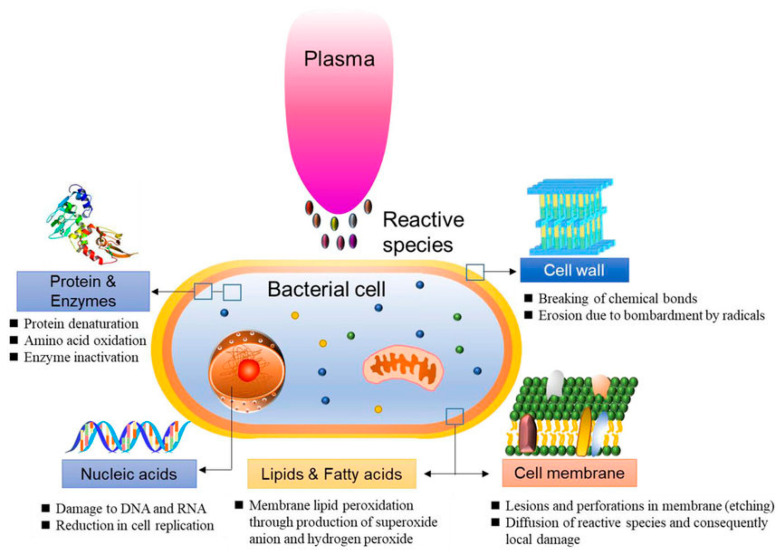
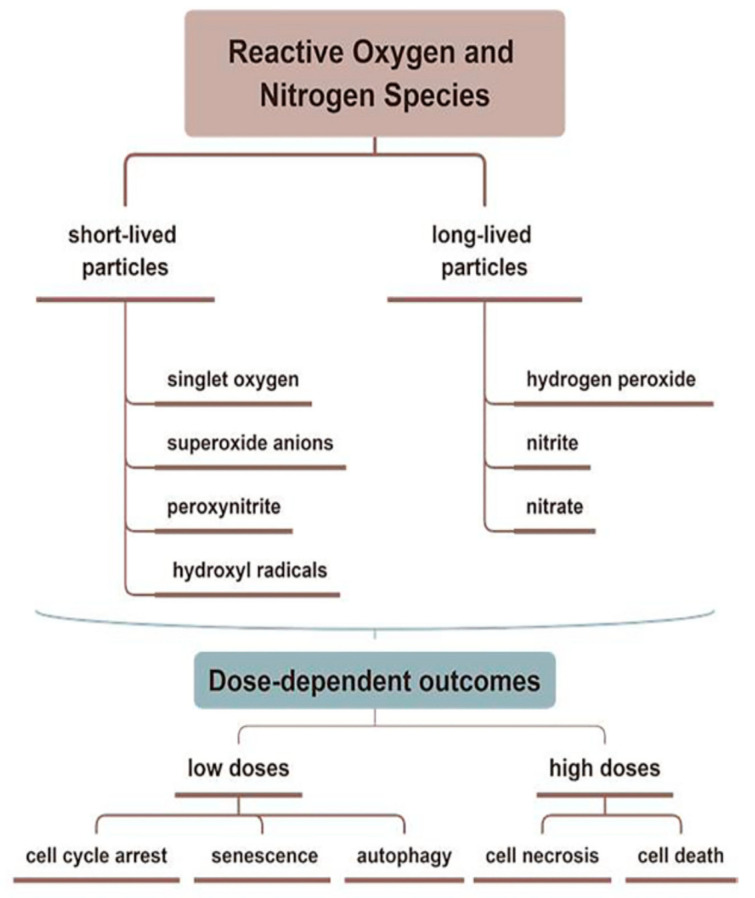
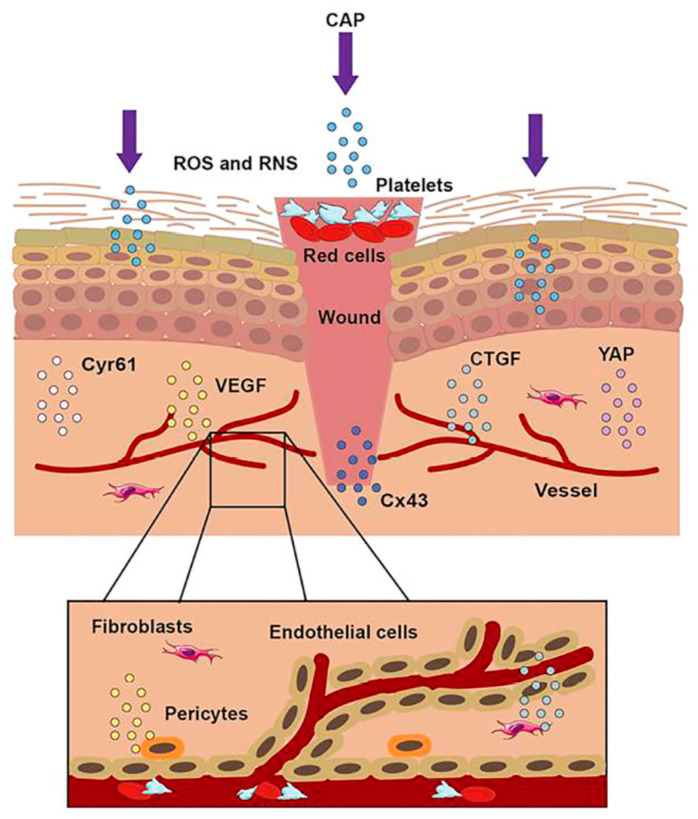
Critically ill patients are at risk of skin wounds, which reduce their quality of life, complicate their pharmacological regimens, and prolong their hospital stays in intensive care units (ICUs), while also increasing overall mortality and morbidity rates. Cold atmospheric plasma (CAP) has been proposed as a viable option for many biological and medical applications, given its capacity to reduce wound bacterial contamination and promote wound healing. The aim of this narrative review is to describe how CAP works and its operating mechanisms, as well as reporting its possible applications in critical care settings. The success of CAP in the treatment of wounds, in particular, bedsores or pressure sores, presents an innovative path in the prevention of nosocomial infections and an opportunity of reducing the negative implications of these diseases for the NHS. This narrative review of the literature was conducted following the 'Scale for the Assessment of Narrative Review Articles' (SANRA) methodology. Previous literature highlights three biological effects of plasma: inactivation of a wide range of microorganisms, including those that are multi-drug-resistant; increased cell proliferation and angiogenesis with a shorter period of plasma treatment; and apoptosis stimulation with a longer and more intensive treatment. CAP is effective in many areas of the medical field, with no significant adverse effects on healthy cells. However, its use can produce potentially serious side effects and should, therefore, be used under expert supervision and in appropriate doses.
重症患者有发生皮肤伤口的风险,这些伤口会降低他们的生活质量,使他们的药物治疗方案复杂化,并延长他们在重症监护病房(ICU)的住院时间,同时还会增加总体死亡率和发病率。冷大气等离子体(CAP)已被提议作为许多生物和医学应用的可行选择,因为它有能力减少伤口细菌污染并促进伤口愈合。本叙述性综述的目的是描述CAP的作用方式及其作用机制,并报告其在重症监护环境中的可能应用。CAP在伤口治疗方面的成功,特别是压疮或褥疮的治疗,为预防医院感染提供了一条创新途径,也为减少这些疾病对英国国家医疗服务体系(NHS)的负面影响提供了契机。本对文献的叙述性综述是按照“叙述性综述文章评估量表”(SANRA)方法进行的。先前的文献强调了等离子体的三种生物学效应:使包括多重耐药菌在内的多种微生物失活;在较短的等离子体处理时间内增加细胞增殖和血管生成;在较长时间和更密集的处理下刺激细胞凋亡。CAP在医学领域的许多方面都有效,对健康细胞没有明显的不良影响。然而,它的使用可能会产生潜在的严重副作用,因此,应在专家监督下并以适当剂量使用。