Pepe Renata Bressan, Lottenberg Ana Maria, Fujiwara Clarissa Tamie Hiwatashi, Beyruti Mônica, Cintra Dennys Esper, Machado Roberta Marcondes, Rodrigues Alessandra, Jensen Natália Sanchez Oliveira, Caldas Ana Paula Silva, Fernandes Ariana Ester, Rossoni Carina, Mattos Fernanda, Motarelli João Henrique Fabiano, Bressan Josefina, Saldanha Juliana, Beda Lis Mie Masuzawa, Lavrador Maria Sílvia Ferrari, Del Bosco Mariana, Cruz Patrícia, Correia Poliana Espíndola, Maximino Priscila, Pereira Silvia, Faria Sílvia Leite, Piovacari Silvia Maria Fraga
Grupo de Obesidade e Sindrome Metabolica, Hospital das Clinicas HCFMUSP, Faculdade de Medicina, Universidade de São Paulo, Sao Paulo, SP, Brazil.
Laboratório de Lipides (LIM10), Hospital das Clínicas, Faculdade de Medicina, Universidade de São Paulo (HCFMUSP), São Paulo, SP, Brazil.
Diabetol Metab Syndr. 2023 Jun 9;15(1):124. doi: 10.1186/s13098-023-01037-6.
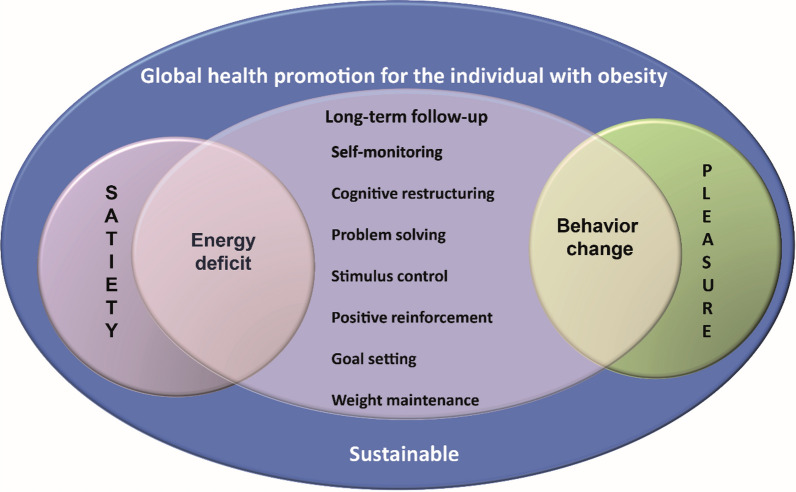
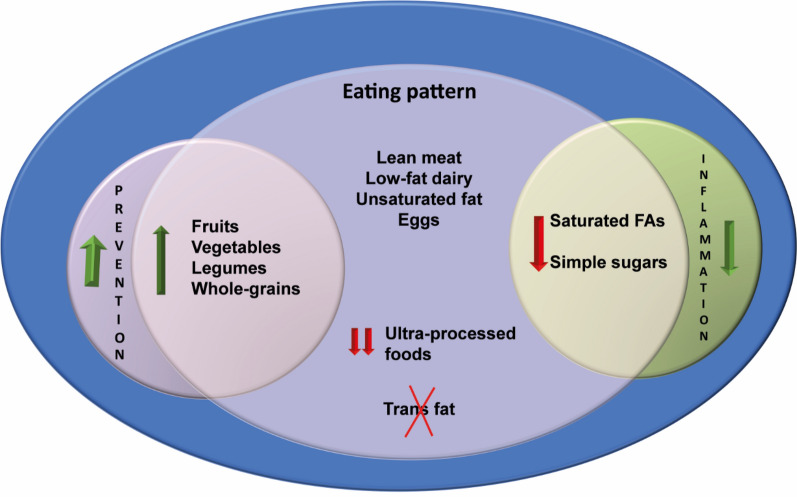
Obesity is a chronic disease resulting from multifactorial causes mainly related to lifestyle (sedentary lifestyle, inadequate eating habits) and to other conditions such as genetic, hereditary, psychological, cultural, and ethnic factors. The weight loss process is slow and complex, and involves lifestyle changes with an emphasis on nutritional therapy, physical activity practice, psychological interventions, and pharmacological or surgical treatment. Because the management of obesity is a long-term process, it is essential that the nutritional treatment contributes to the maintenance of the individual's global health. The main diet-related causes associated with excess weight are the high consumption of ultraprocessed foods, which are high in fats, sugars, and have high energy density; increased portion sizes; and low intake of fruits, vegetables, and grains. In addition, some situations negatively interfere with the weight loss process, such as fad diets that involve the belief in superfoods, the use of teas and phytotherapics, or even the avoidance of certain food groups, as has currently been the case for foods that are sources of carbohydrates. Individuals with obesity are often exposed to fad diets and, on a recurring basis, adhere to proposals with promises of quick solutions, which are not supported by the scientific literature. The adoption of a dietary pattern combining foods such as grains, lean meats, low-fat dairy, fruits, and vegetables, associated with an energy deficit, is the nutritional treatment recommended by the main international guidelines. Moreover, an emphasis on behavioral aspects including motivational interviewing and the encouragement for the individual to develop skills will contribute to achieve and maintain a healthy weight. Therefore, this Position Statement was prepared based on the analysis of the main randomized controlled studies and meta-analyses that tested different nutrition interventions for weight loss. Topics in the frontier of knowledge such as gut microbiota, inflammation, and nutritional genomics, as well as the processes involved in weight regain, were included in this document. This Position Statement was prepared by the Nutrition Department of the Brazilian Association for the Study of Obesity and Metabolic Syndrome (ABESO), with the collaboration of dietitians from research and clinical fields with an emphasis on strategies for weight loss.
肥胖是一种慢性疾病,其病因多方面,主要与生活方式(久坐不动的生活方式、不良饮食习惯)以及其他因素如遗传、遗传、心理、文化和种族因素有关。减肥过程缓慢且复杂,涉及生活方式的改变,重点是营养治疗、体育锻炼、心理干预以及药物或手术治疗。由于肥胖管理是一个长期过程,营养治疗对维持个体整体健康至关重要。与体重超标相关的主要饮食原因是超加工食品的高消费量,这些食品脂肪、糖含量高且能量密度高;食物分量增加;水果、蔬菜和谷物摄入量低。此外,一些情况会对减肥过程产生负面影响,比如涉及对超级食物的迷信、使用茶和植物疗法的时尚饮食,甚至避免某些食物类别,就像目前对碳水化合物来源食物的做法一样。肥胖个体经常接触时尚饮食,并反复坚持那些承诺快速解决办法的提议,而这些提议并无科学文献支持。采用一种将谷物、瘦肉、低脂乳制品、水果和蔬菜等食物相结合的饮食模式,并伴有能量 deficit,是主要国际指南推荐的营养治疗方法。此外,强调包括动机访谈在内的行为方面以及鼓励个体培养技能,将有助于实现并维持健康体重。因此,本立场声明是基于对主要随机对照研究和荟萃分析的分析编写而成,这些研究和分析测试了不同的减肥营养干预措施。本文档还纳入了肠道微生物群、炎症和营养基因组学等知识前沿主题,以及体重反弹所涉及的过程。本立场声明由巴西肥胖与代谢综合征研究协会(ABESO)营养部编写,研究和临床领域的营养师参与协作,重点关注减肥策略。