Seetharaman Sankaranarayanan, Sankaranarayanan Dhivya, Gupta Manoj
Department of Mechanical Engineering, College of Design and Engineering, National University of Singapore, 9 Engineering Drive 1, Block EA #07-08, Singapore 117575, Singapore.
Advanced Remanufacturing and Technology Centre (ARTC), Agency for Science, Technology and Research (A*STAR), 3 Cleantech Loop, #01/01 CleanTech Two, Singapore 637143, Singapore.
J Funct Biomater. 2023 Jun 17;14(6):324. doi: 10.3390/jfb14060324.
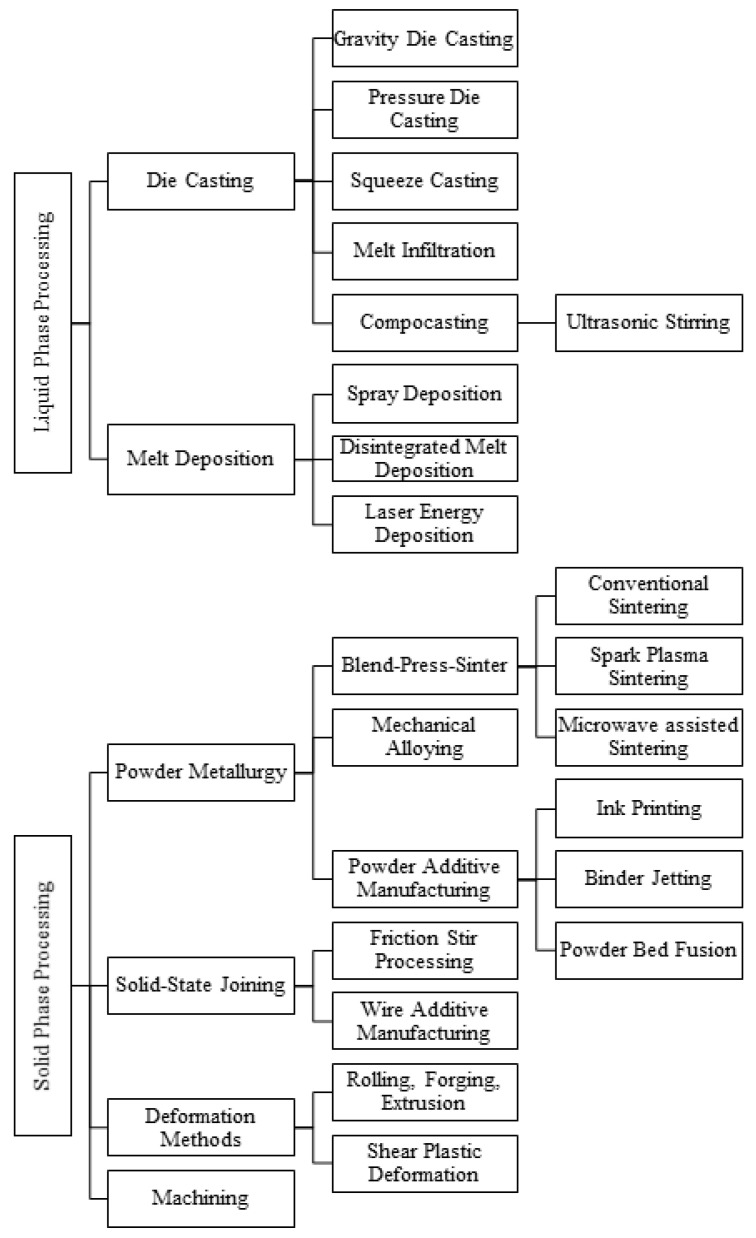
Biomedical implants are important devices used for the repair or replacement of damaged or diseased tissues or organs. The success of implantation depends on various factors, such as mechanical properties, biocompatibility, and biodegradability of the materials used. Recently, magnesium (Mg)-based materials have emerged as a promising class of temporary implants due to their remarkable properties, such as strength, biocompatibility, biodegradability, and bioactivity. This review article aims to provide a comprehensive overview of current research works summarizing the above-mentioned properties of Mg-based materials for use as temporary implants. The key findings from in-vitro, in-vivo, and clinical trials are also discussed. Further, the potential applications of Mg-based implants and the applicable fabrication methods are also reviewed.
生物医学植入物是用于修复或替换受损或患病组织或器官的重要装置。植入的成功取决于多种因素,例如所用材料的机械性能、生物相容性和生物可降解性。近年来,镁基材料因其诸如强度、生物相容性、生物可降解性和生物活性等卓越性能,已成为一类有前景的临时植入物。这篇综述文章旨在全面概述当前的研究工作,总结镁基材料作为临时植入物的上述性能。还讨论了体外、体内和临床试验的主要发现。此外,还综述了镁基植入物的潜在应用和适用的制造方法。