Upadhyay Pallavi, Reddy Jairus, Proctor Teddie, Sorel Oceane, Veereshlingam Harita, Gandhi Manoj, Wang Xuemei, Singh Vijay
HealthTrackRx R&D Division, Denton, TX 76207, USA.
Thermo Fisher Scientific, 180 Oyster Point Blvd, South San Francisco, CA 94080, USA.
Diagnostics (Basel). 2023 Jun 9;13(12):2014. doi: 10.3390/diagnostics13122014.
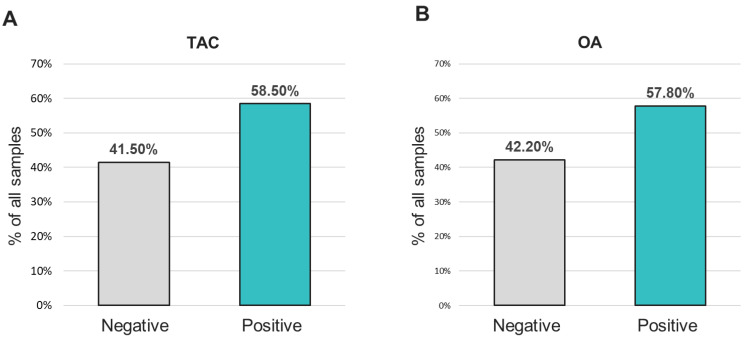
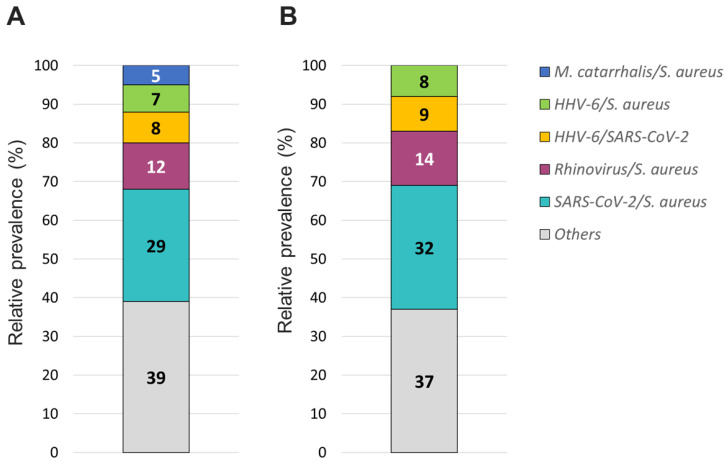
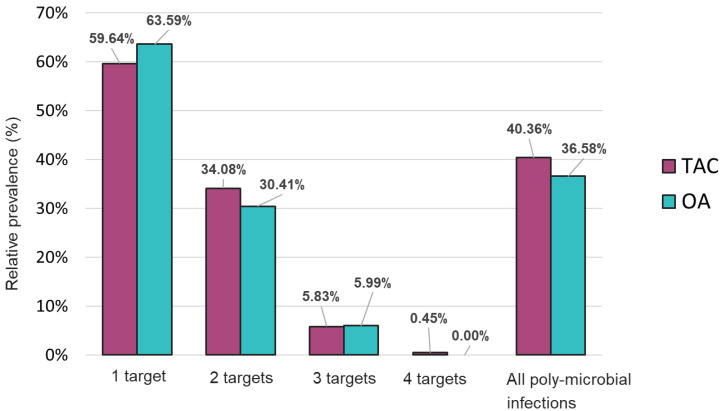
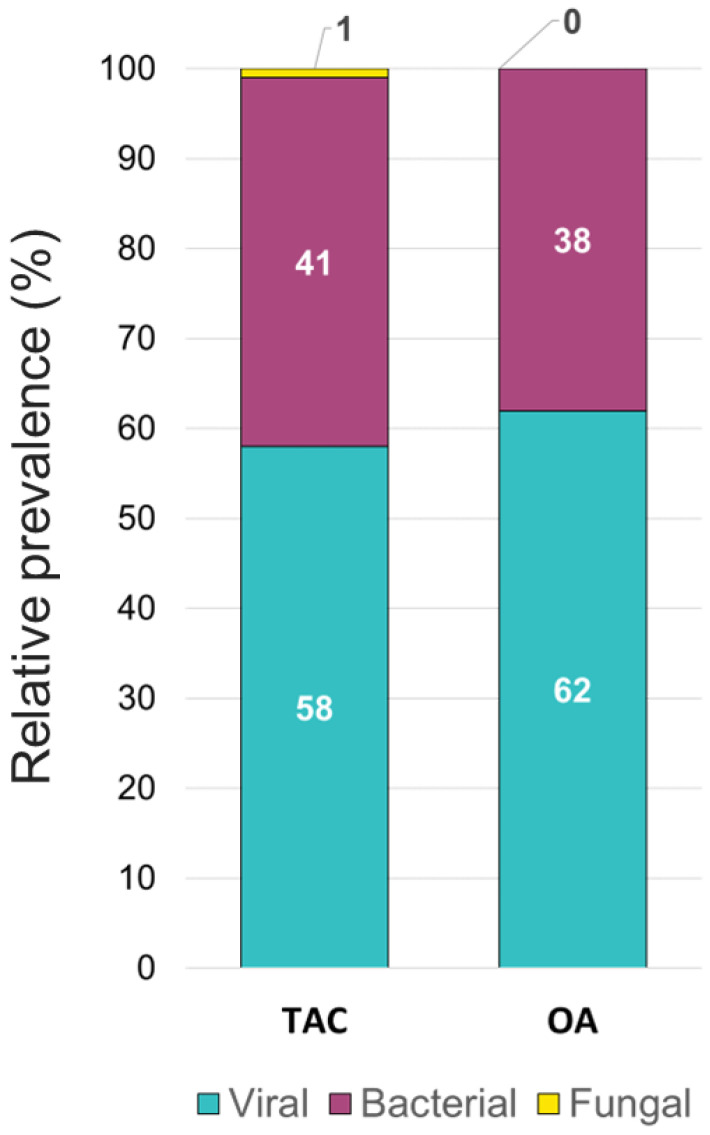
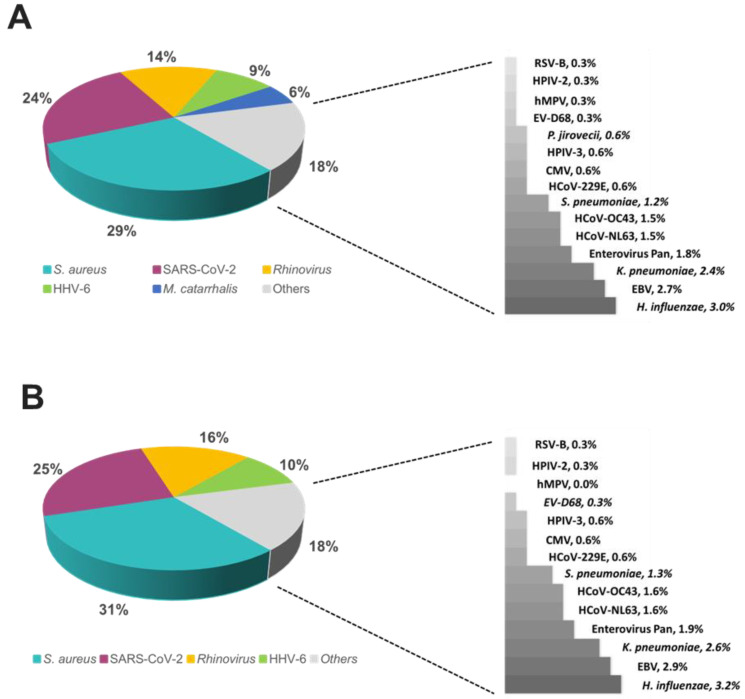
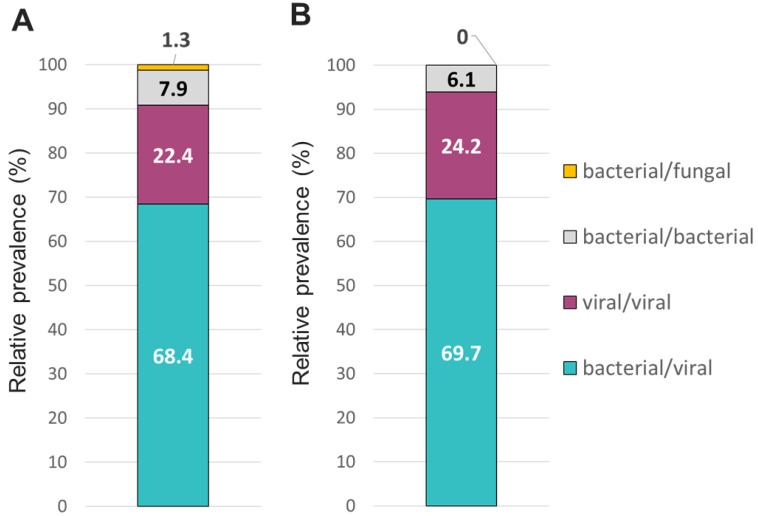
While COVID-19 has dominated Influenza-like illness (ILI) over the past few years, there are many other pathogens responsible for ILI. It is not uncommon to have coinfections with multiple pathogens in patients with ILI. The goal of this study was to identify the different organisms in symptomatic patients presenting with ILI using two different high throughput multiplex real time PCR platforms. Specimens were collected from 381 subjects presenting with ILI symptoms. All samples (nasal and nasopharyngeal swabs) were simultaneously tested on two expanded panel PCR platforms: Applied Biosystems™ TrueMark™ Respiratory Panel 2.0, OpenArray™ plate (OA) (32 viral and bacterial targets); and Applied Biosystems™ TrueMark™ Respiratory Panel 2.0, TaqMan™ Array card (TAC) (41 viral, fungal, and bacterial targets). Results were analyzed for concordance between the platforms and for identification of organisms responsible for the clinical presentation including possible coinfections. Very good agreement was observed between the two PCR platforms with 100% agreement for 12 viral and 3 bacterial pathogens. Of 381 specimens, approximately 58% of the samples showed the presence of at least one organism with an important incidence of co-infections (36-40% of positive samples tested positive for two and more organisms). was the most prevalent detected pathogen (30%) followed by SARS-CoV-2 (25%), Rhinovirus (15%) and HHV6 (10%). Co-infections between viruses and bacteria were the most common (69%), followed by viral-viral (23%) and bacterial-bacterial (7%) co-infections. These results showed that coinfections are common in RTIs suggesting that syndromic panel based multiplex PCR tests could enable the identification of pathogens contributing to coinfections, help guide patient management thereby improving clinical outcomes and supporting antimicrobial stewardship.
在过去几年中,虽然新冠病毒主导了流感样疾病(ILI),但还有许多其他病原体可导致ILI。ILI患者出现多种病原体合并感染的情况并不少见。本研究的目的是使用两种不同的高通量多重实时PCR平台,识别出现ILI症状的患者体内的不同病原体。从381名出现ILI症状的受试者中采集样本。所有样本(鼻拭子和鼻咽拭子)同时在两个扩展检测板PCR平台上进行检测:应用生物系统公司的TrueMark呼吸道检测板2.0,OpenArray板(OA)(检测32种病毒和细菌靶点);以及应用生物系统公司的TrueMark呼吸道检测板2.0,TaqMan阵列卡(TAC)(检测41种病毒、真菌和细菌靶点)。分析了两个平台结果之间的一致性,以及对导致临床表现的病原体的识别情况,包括可能的合并感染。在两个PCR平台之间观察到非常好的一致性,对于12种病毒和3种细菌病原体的一致性为100%。在381份样本中,约58%的样本显示至少存在一种病原体,合并感染的发生率较高(约36%-40%的阳性样本检测出两种及以上病原体呈阳性)。 是检测到的最常见病原体(约30%),其次是新冠病毒(约25%)、鼻病毒(约15%)和人疱疹病毒6型(约10%)。病毒与细菌之间的合并感染最为常见(约69%),其次是病毒-病毒合并感染(约23%)和细菌-细菌合并感染(约7%)。这些结果表明,合并感染在呼吸道感染中很常见,这表明基于症状检测板的多重PCR检测可以识别导致合并感染的病原体,有助于指导患者管理,从而改善临床结果并支持抗菌药物管理。