Medical Research Center, Fujian Maternity and Child Health Hospital, College of Clinical Medicine for Obstetrics and Gynecology and Pediatrics, Fujian Medical University, Fuzhou, Fujian, China.
National Health Commission Key Laboratory of Technical Evaluation of Fertility Regulation for Non-Human Primate, Fujian Maternity and Child Health Hospital, Fuzhou, Fujian, China.
Front Cell Infect Microbiol. 2023 Jun 14;13:1199646. doi: 10.3389/fcimb.2023.1199646. eCollection 2023.
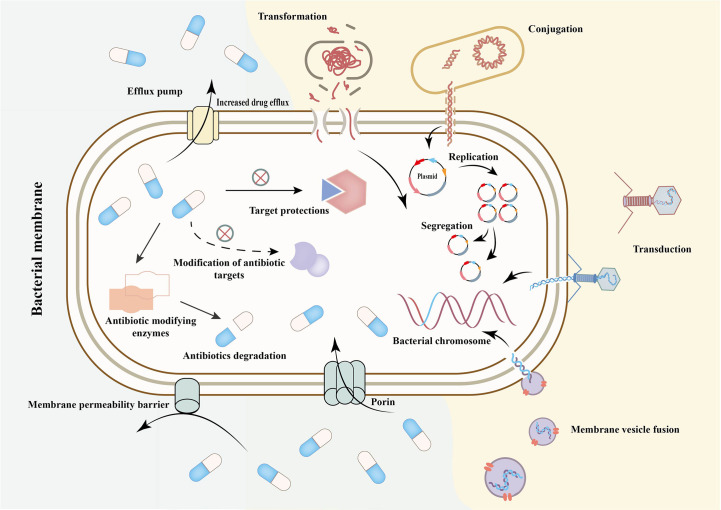
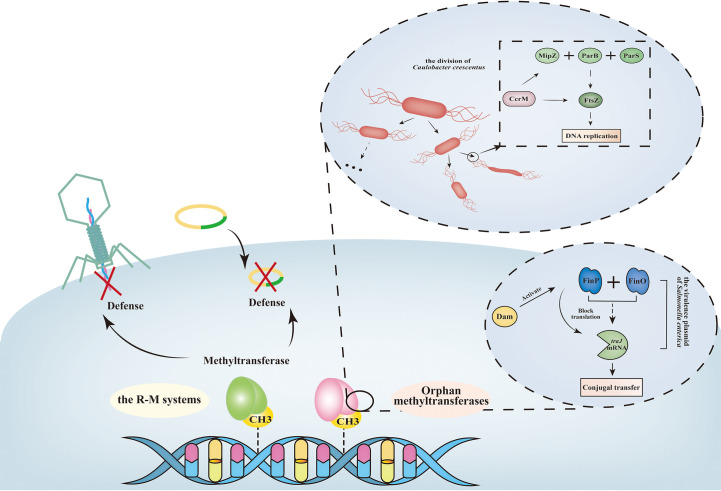
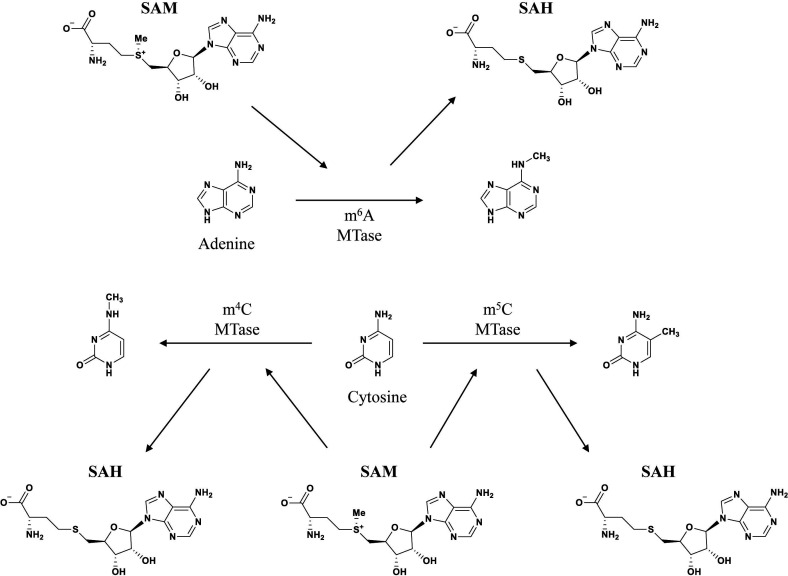
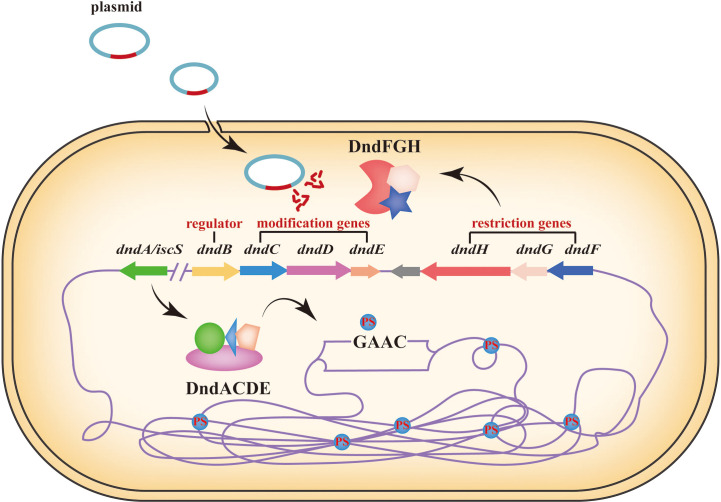
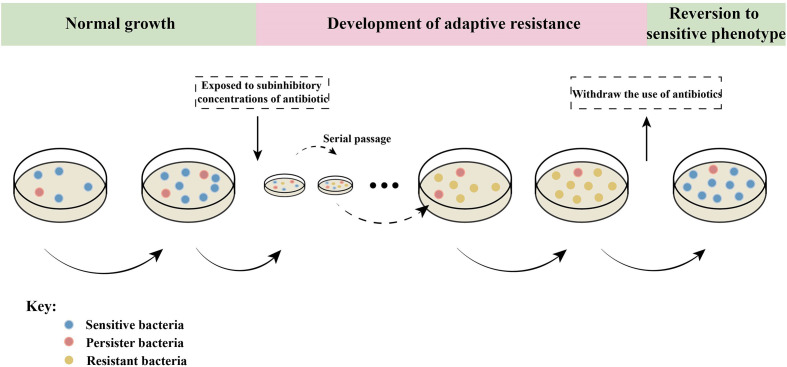
The rampant use of antibiotics in animal husbandry, farming and clinical disease treatment has led to a significant issue with pathogen resistance worldwide over the past decades. The classical mechanisms of resistance typically investigate antimicrobial resistance resulting from natural resistance, mutation, gene transfer and other processes. However, the emergence and development of bacterial resistance cannot be fully explained from a genetic and biochemical standpoint. Evolution necessitates phenotypic variation, selection, and inheritance. There are indications that epigenetic modifications also play a role in antimicrobial resistance. This review will specifically focus on the effects of DNA modification, histone modification, rRNA methylation and the regulation of non-coding RNAs expression on antimicrobial resistance. In particular, we highlight critical work that how DNA methyltransferases and non-coding RNAs act as transcriptional regulators that allow bacteria to rapidly adapt to environmental changes and control their gene expressions to resist antibiotic stress. Additionally, it will delve into how Nucleolar-associated proteins in bacteria perform histone functions akin to eukaryotes. Epigenetics, a non-classical regulatory mechanism of bacterial resistance, may offer new avenues for antibiotic target selection and the development of novel antibiotics.
在过去几十年中,畜牧业、农业和临床疾病治疗中抗生素的猖獗使用导致了全球范围内病原体耐药性的重大问题。传统的耐药性机制通常研究由于天然耐药性、突变、基因转移和其他过程导致的抗微生物药物耐药性。然而,从遗传和生化角度来看,细菌耐药性的出现和发展并不能得到完全解释。进化需要表型变异、选择和遗传。有迹象表明,表观遗传修饰也在抗微生物药物耐药性中发挥作用。本综述将专门讨论 DNA 修饰、组蛋白修饰、rRNA 甲基化以及非编码 RNA 表达调控对抗微生物药物耐药性的影响。特别地,我们强调了 DNA 甲基转移酶和非编码 RNA 如何作为转录调节剂发挥作用,使细菌能够快速适应环境变化并控制其基因表达以抵抗抗生素压力。此外,还将探讨细菌中的核仁相关蛋白如何执行类似于真核生物的组蛋白功能。细菌的表观遗传学是一种非经典的耐药性调控机制,可能为抗生素靶标选择和新型抗生素的开发提供新途径。