College of Letters and Science, University of California, Berkeley, Berkeley, CA 94720.
International Research Center for Neurointelligence, The University of Tokyo Institutes for Advanced Study, Tokyo 113-0033, Japan.
eNeuro. 2023 Jul 13;10(7). doi: 10.1523/ENEURO.0146-23.2023. Print 2023 Jul.
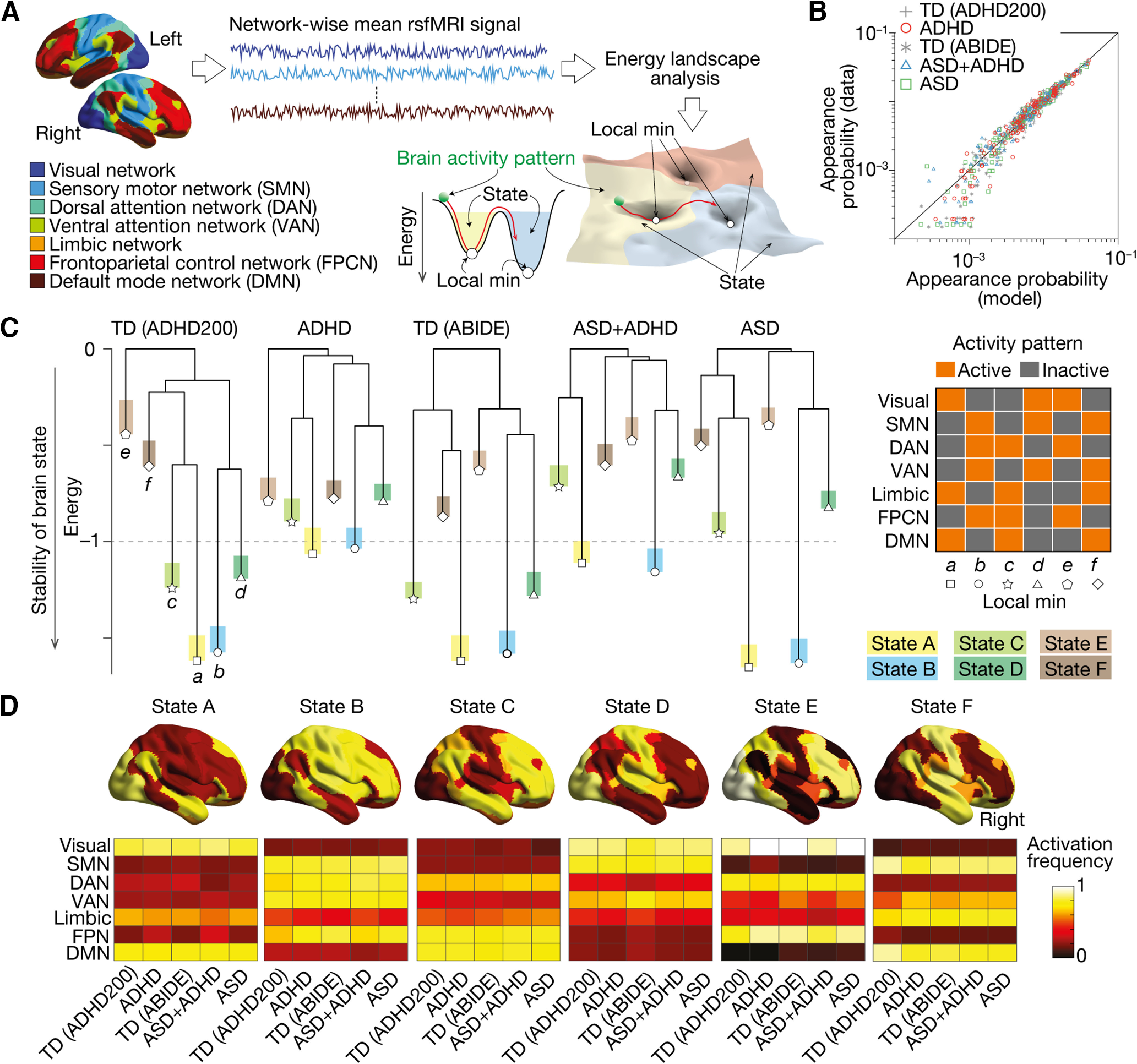
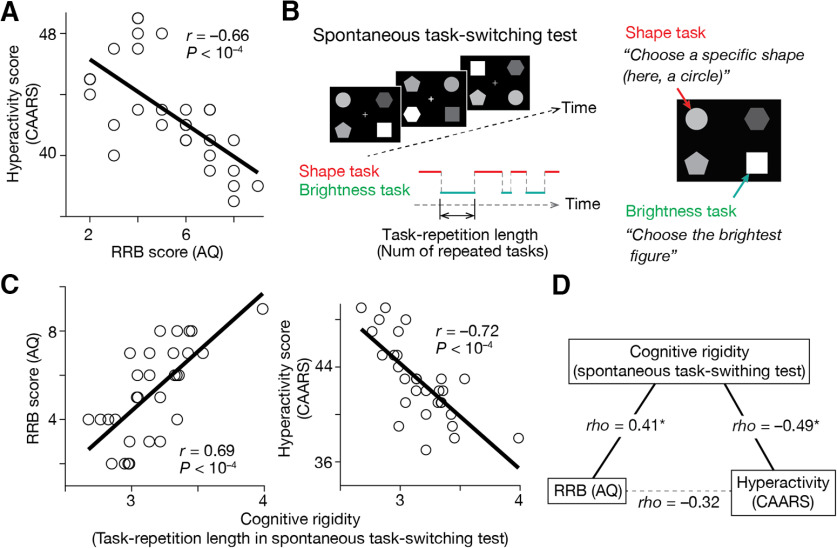
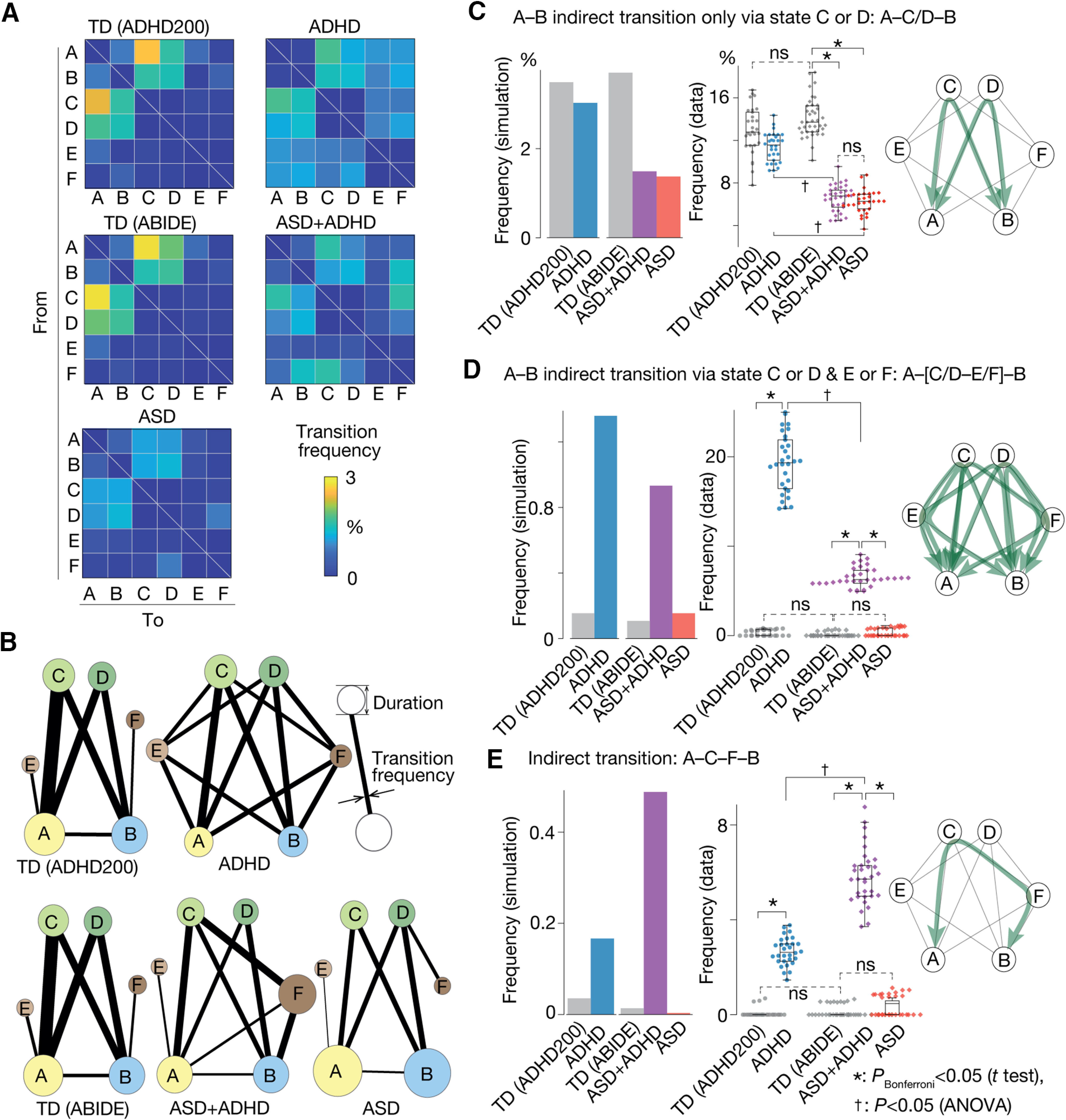
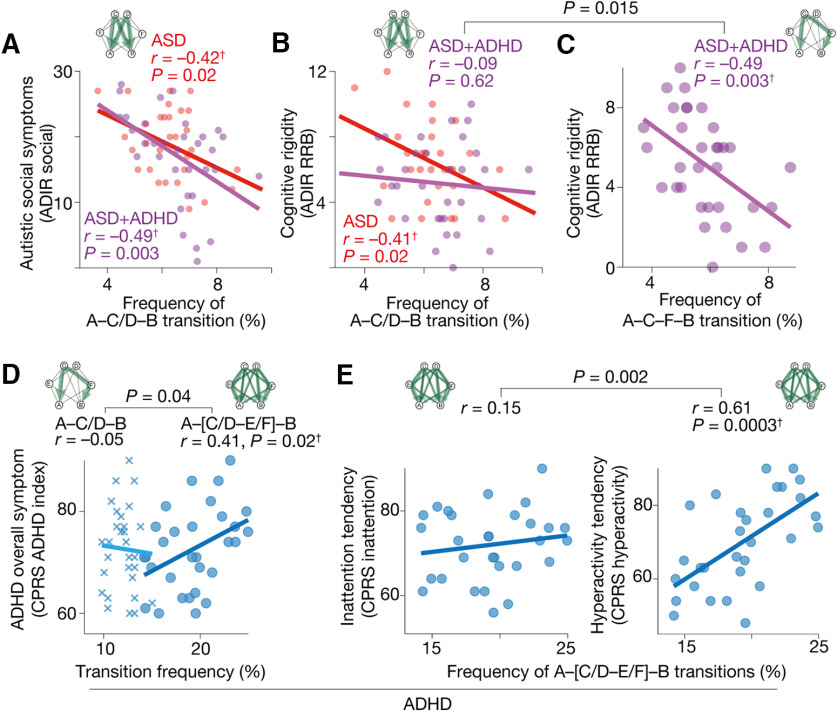
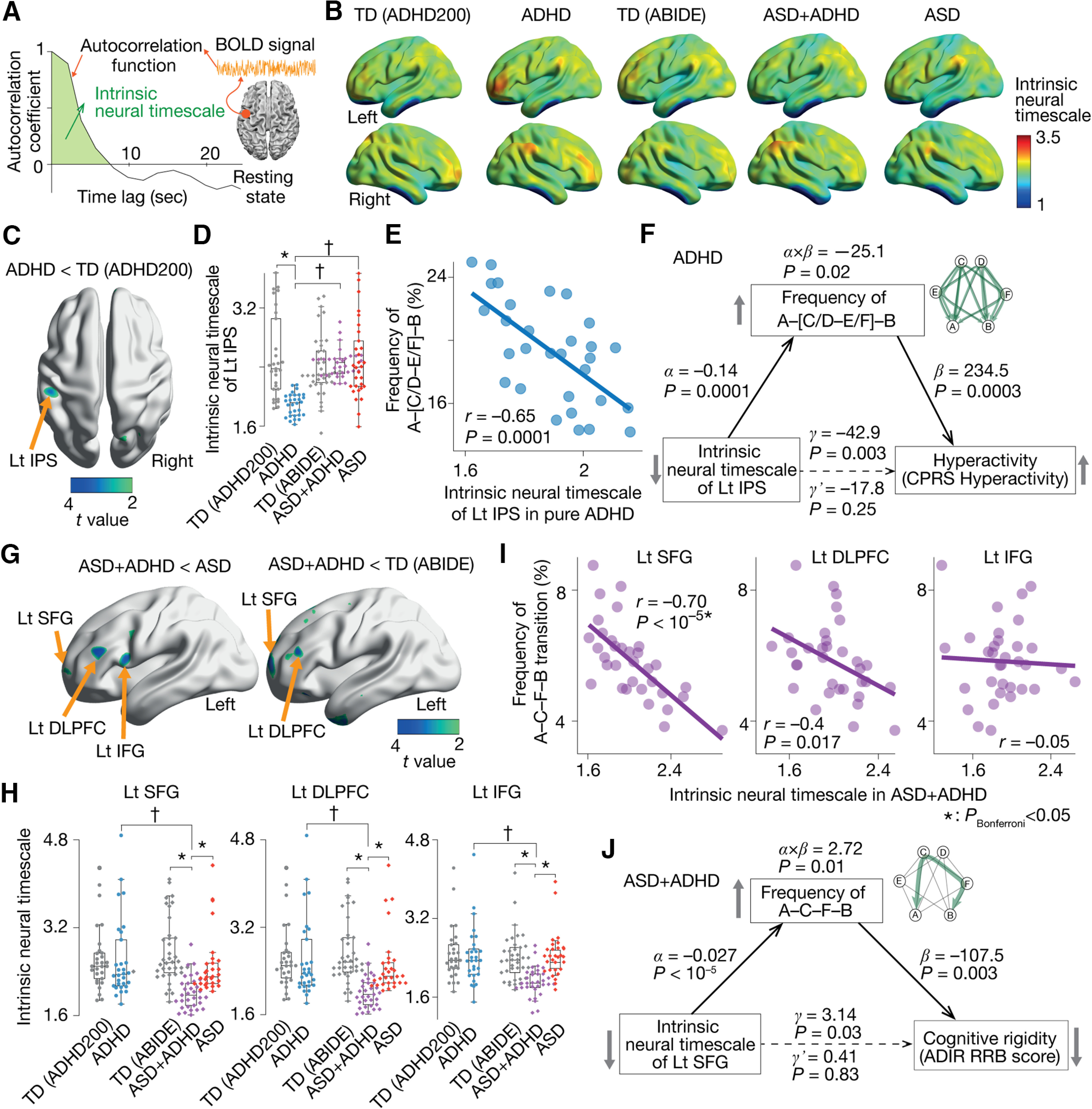
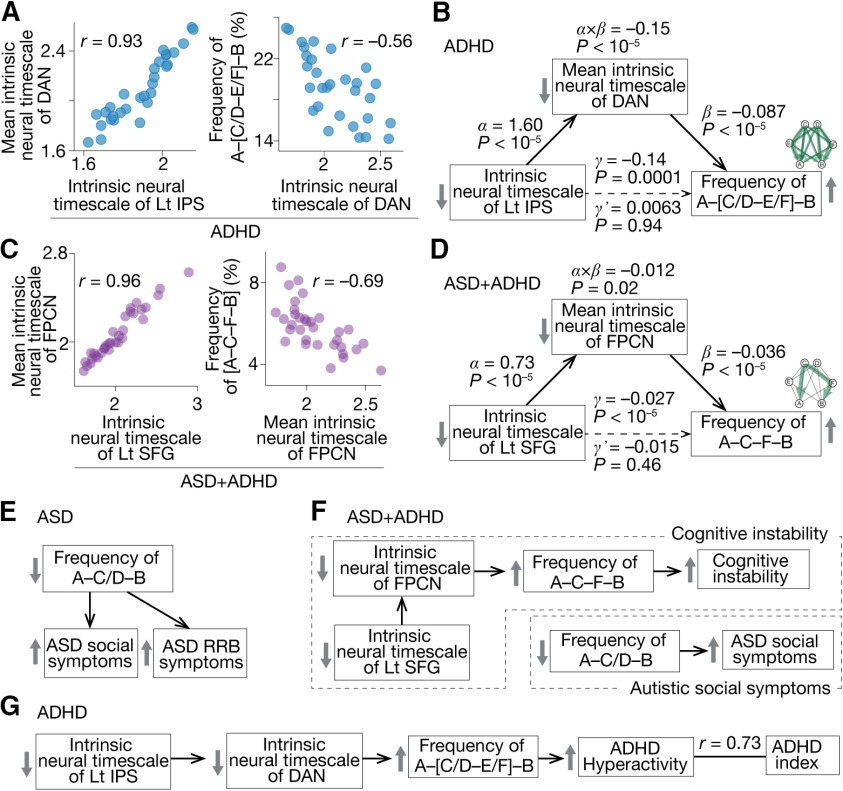
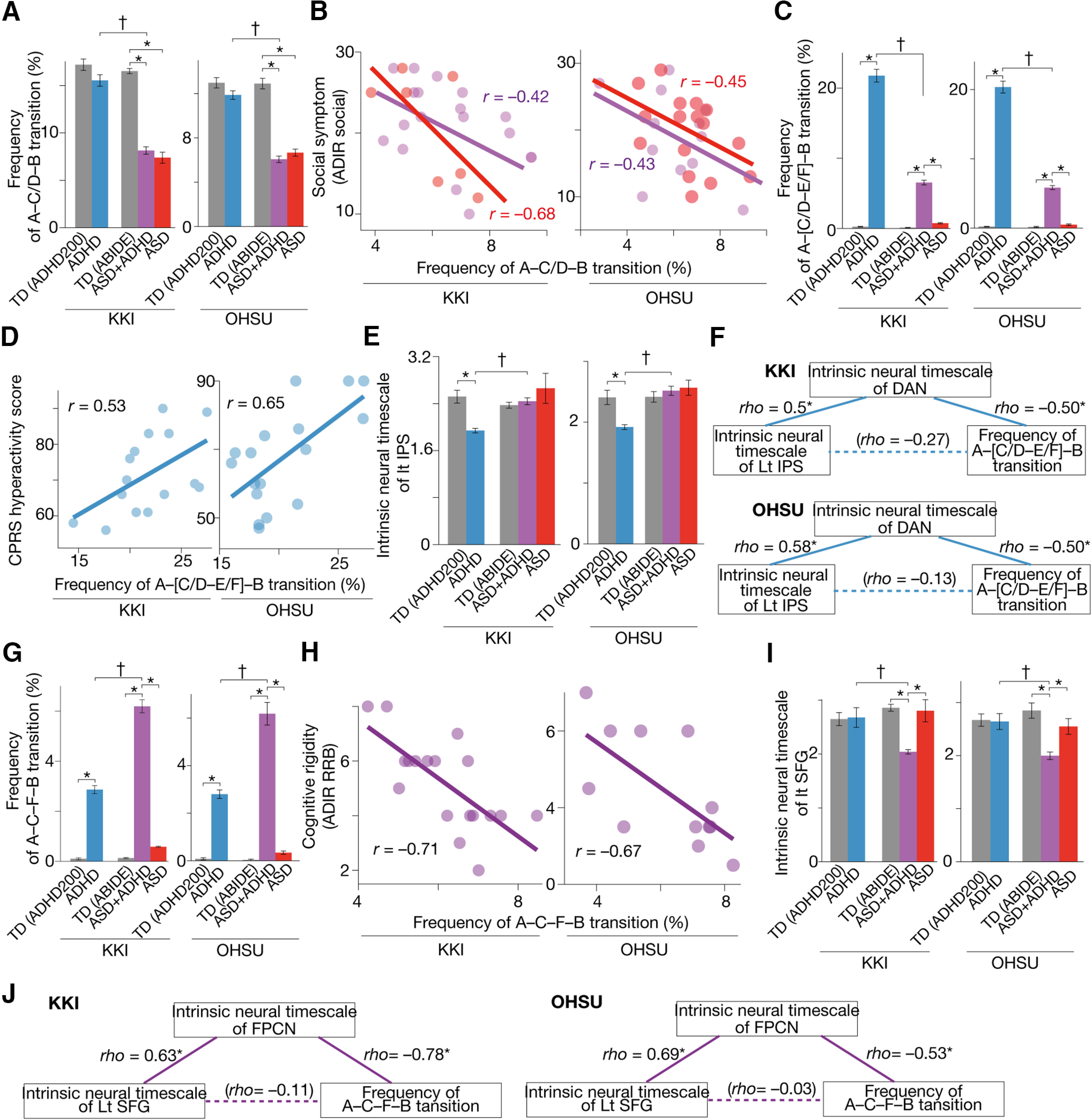
Previous diagnostic systems precluded the co-existence of autism spectrum disorder (ASD) and attention-deficit/hyperactivity disorder (ADHD) in one person; but, after many clinical reports, the diagnostic criteria were updated to allow their co-occurrence. Despite such a clinical change, the neurobiological bases underpinning the comorbidity remain poorly understood, and whether the ASD+ADHD condition is a simple overlap of the two disorders is unknown. Here, to answer this question, we compared the brain dynamics of high-functioning ASD+ADHD children with age-/sex-/IQ-matched pure ASD, pure ADHD, and typically developing (TD) children. Regarding autistic traits, the socio-communicational symptom of the ASD+ADHD children was explained by the same overstable brain dynamics as seen in pure ASD. In contrast, their ADHD-like traits were grounded on a unique neural mechanism that was unseen in pure ADHD: the core symptoms of pure ADHD were associated with the overly flexible whole-brain dynamics that were triggered by the unstable activity of the dorsal-attention network and the left parietal cortex; by contrast, the ADHD-like cognitive instability of the ASD+ADHD condition was correlated with the atypically frequent neural transition along a specific brain state pathway, which was induced by the atypically unstable activity of the frontoparietal control network and the left prefrontal cortex. These observations need to be validated in future studies using more direct and comprehensive behavioral indices, but the current findings suggest that the ASD+ADHD comorbidity is not a mere overlap of the two disorders. Particularly, its ADHD-like traits could represent a unique condition that would need a specific diagnosis and bespoke treatments.
先前的诊断系统排除了自闭症谱系障碍 (ASD) 和注意力缺陷/多动障碍 (ADHD) 在一个人身上同时存在的可能;但在许多临床报告之后,诊断标准进行了更新,允许它们同时存在。尽管有这样的临床变化,但支持这种共病的神经生物学基础仍知之甚少,也不清楚 ASD+ADHD 状态是否只是两种疾病的简单重叠。在这里,为了回答这个问题,我们比较了高功能 ASD+ADHD 儿童与年龄/性别/智商匹配的单纯 ASD、单纯 ADHD 和典型发育 (TD) 儿童的大脑动力学。关于自闭症特征,ASD+ADHD 儿童的社交沟通症状可以用与单纯 ASD 中看到的相同的不稳定大脑动力学来解释。相比之下,他们的 ADHD 样特征基于一种独特的神经机制,在单纯 ADHD 中没有看到:单纯 ADHD 的核心症状与过度灵活的全脑动力学有关,这种过度灵活的全脑动力学是由背侧注意网络和左顶叶皮层不稳定活动引发的;相比之下,ASD+ADHD 状态下的 ADHD 样认知不稳定性与不典型的频繁神经转换相关沿着特定的大脑状态途径,这是由额顶控制网络和左前额叶皮层的不典型不稳定活动引起的。这些观察结果需要使用更直接和全面的行为指标在未来的研究中进行验证,但目前的研究结果表明,ASD+ADHD 共病不是两种疾病的简单重叠。特别是,其 ADHD 样特征可能代表一种独特的情况,需要进行特定的诊断和专门的治疗。