Huang Xing, Liang Yongsheng, Zhang Ronghua, Zhang Baoqing, Song Xiupeng, Liu Junxian, Lu Manman, Qin Zhenqiang, Li Dewei, Li Song, Li Yangrui
Sugarcane Research Institute, Guangxi Academy of Agricultural Sciences/Sugarcane Research Center, Chinese Academy of Agicultural Sciences/Guangxi Key Laboratory of Sugarcane Genetic Improvement/Key Laboratory of Sugarcane Biotechnology and Genetic Improvement (Guangxi), Ministry of Agriculture, Nanning 530007, China.
Nanning Institute of Agricultural Sciences, Nanning 530021, China.
Plants (Basel). 2023 Jun 22;12(13):2418. doi: 10.3390/plants12132418.
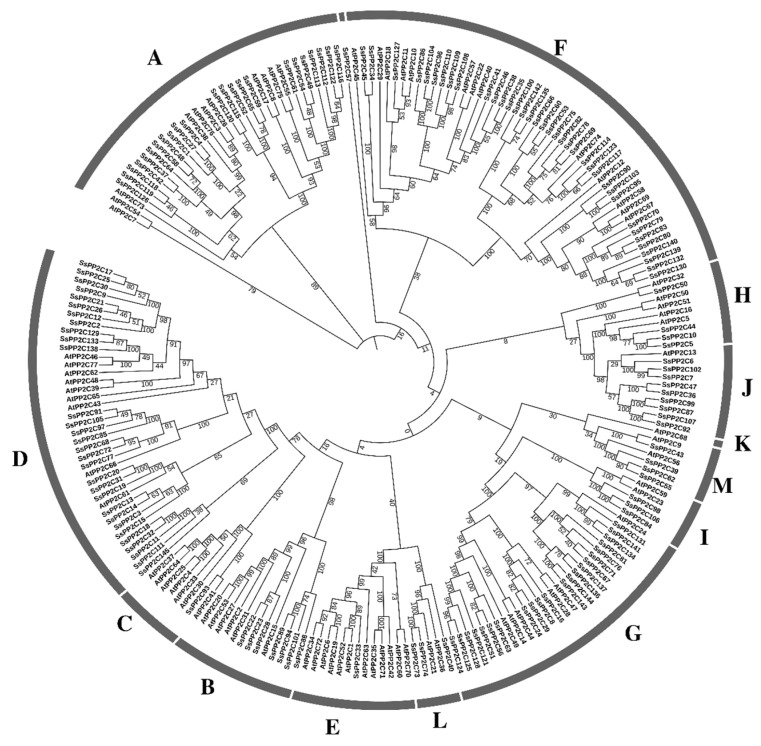
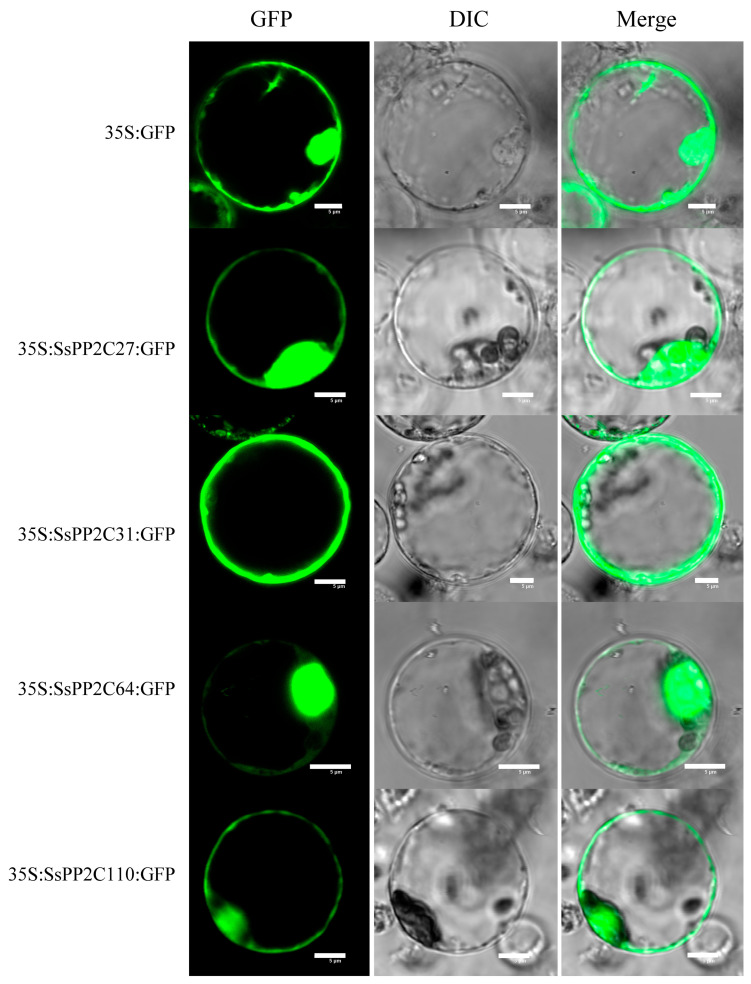
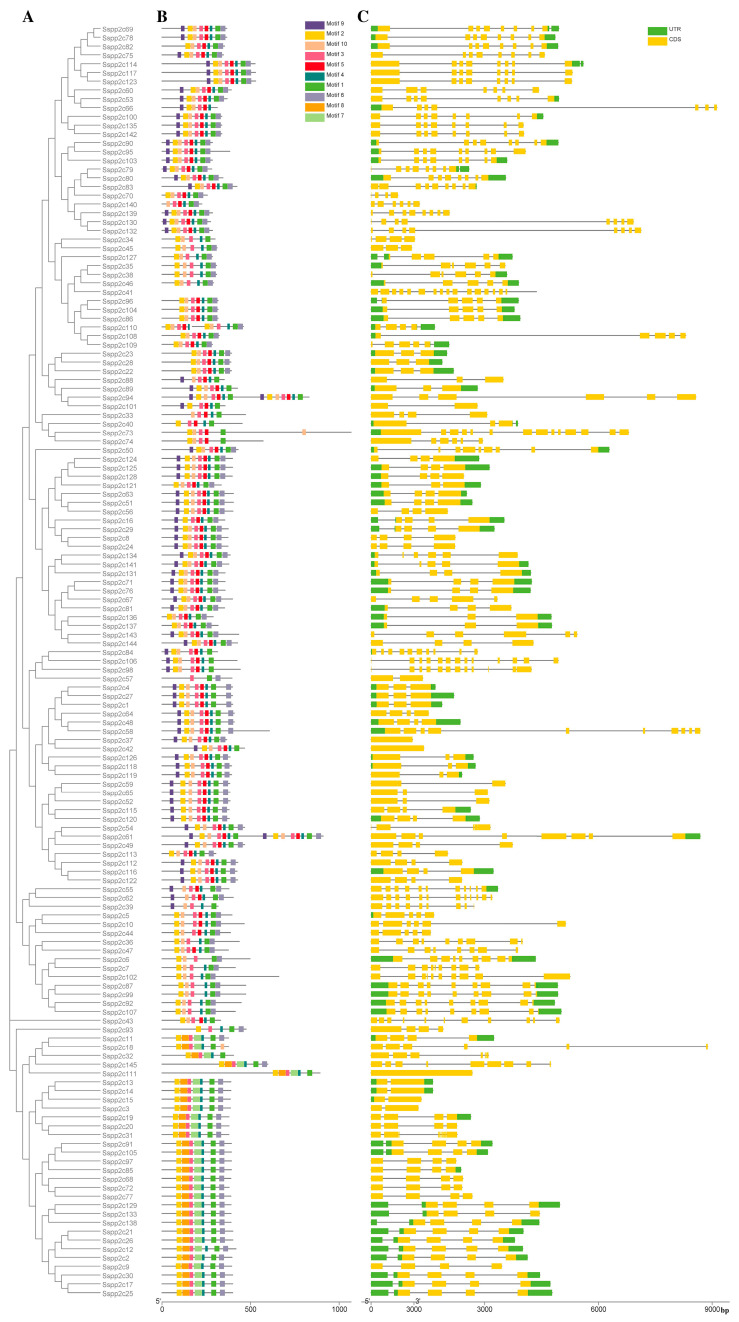
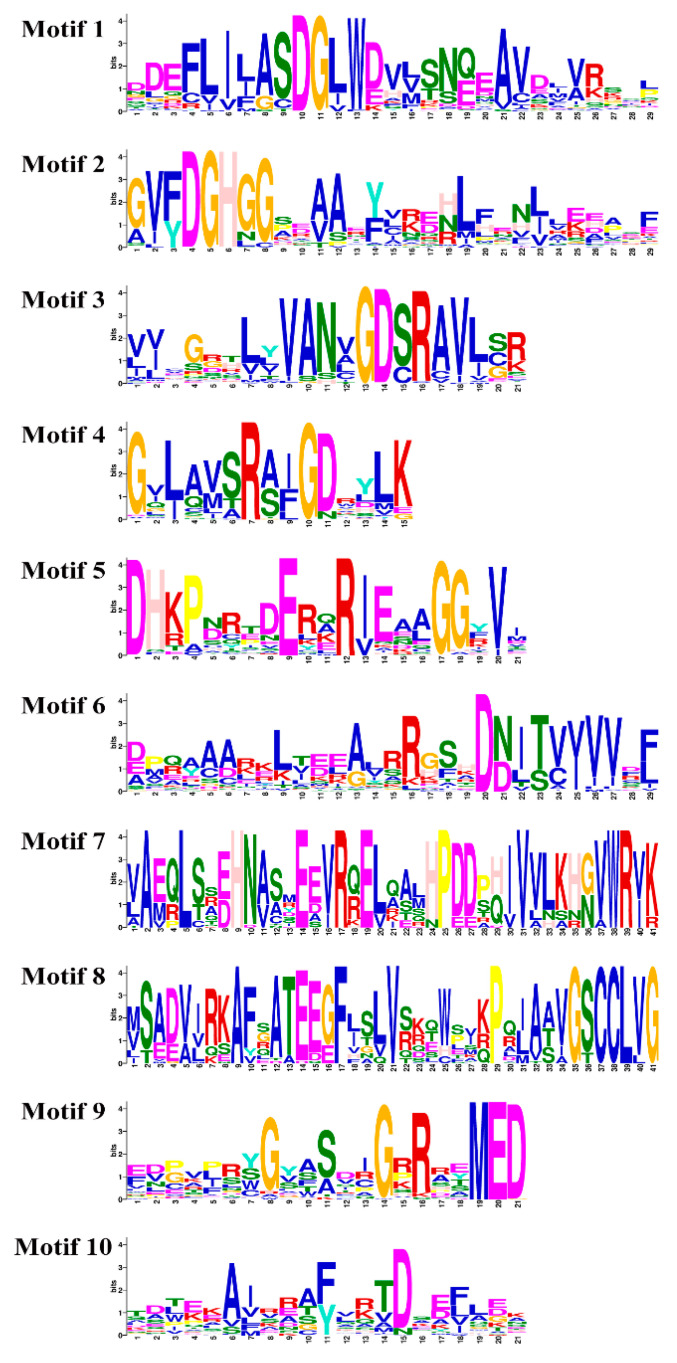
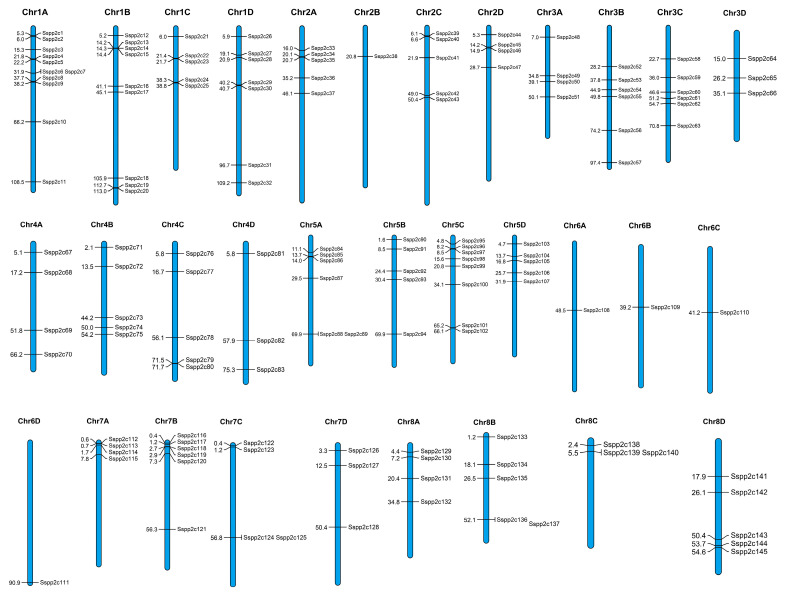
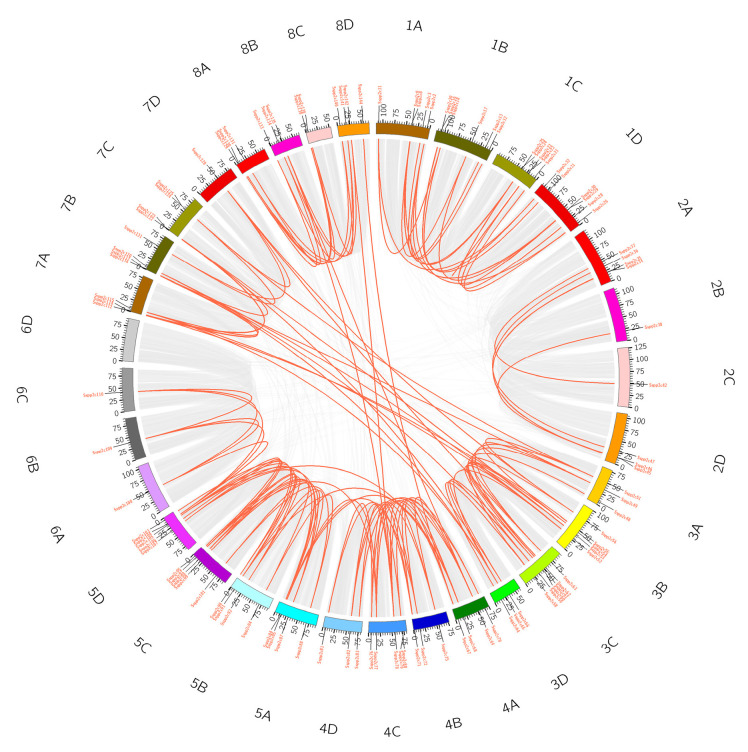
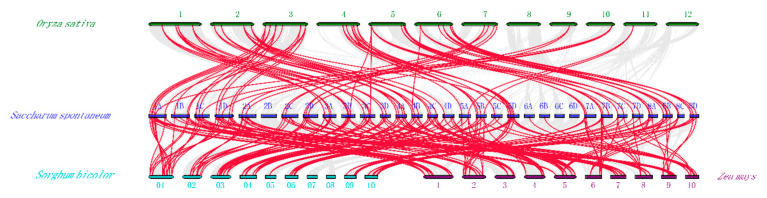
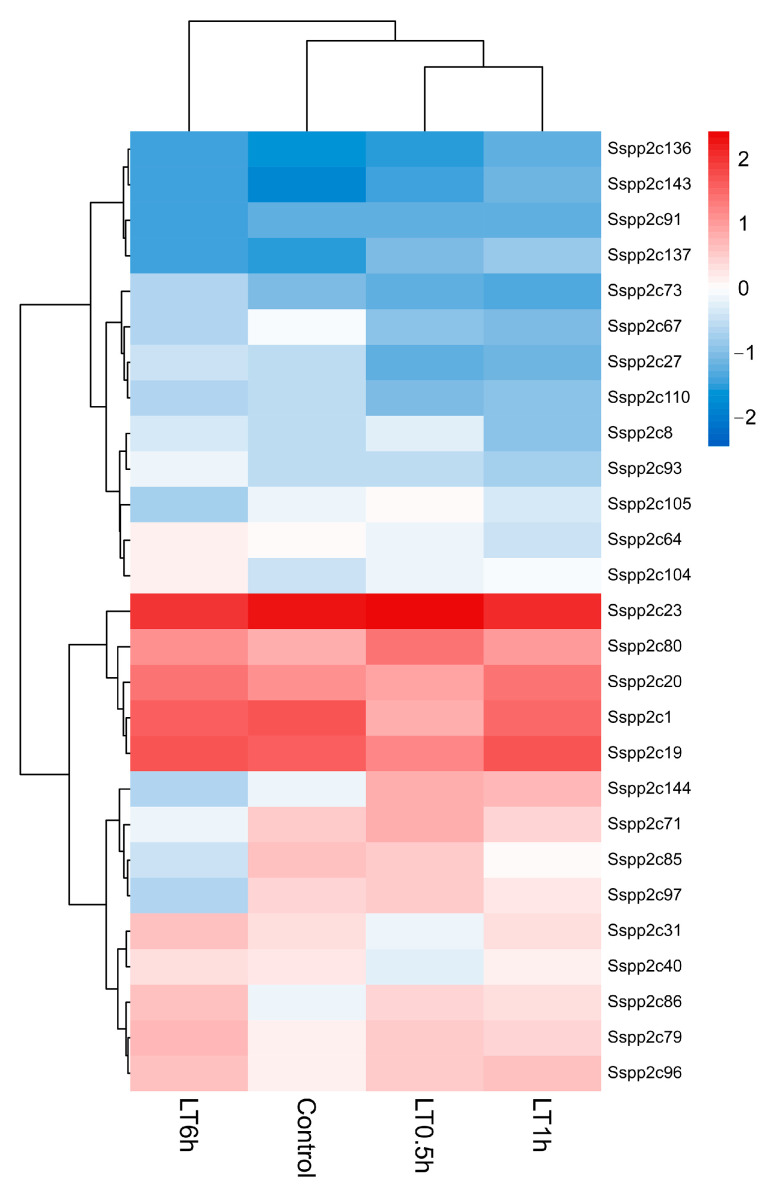
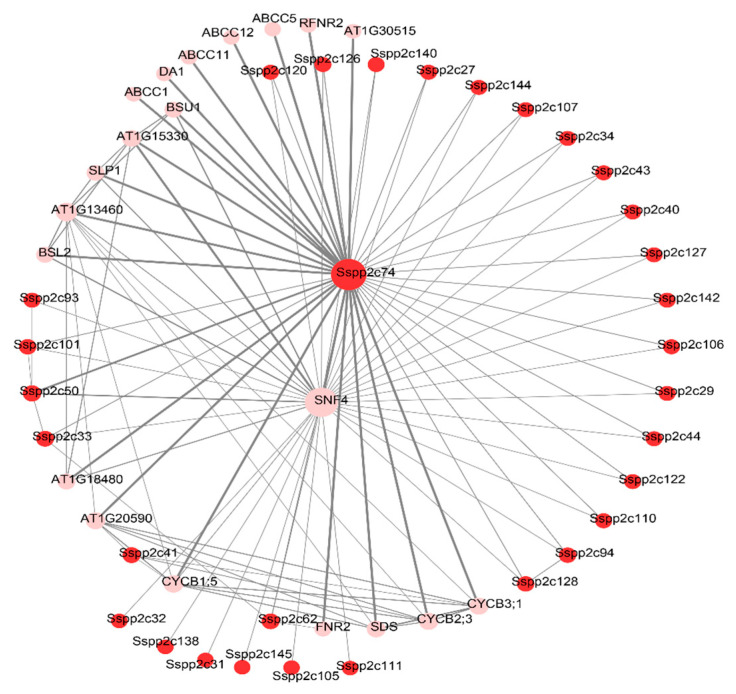
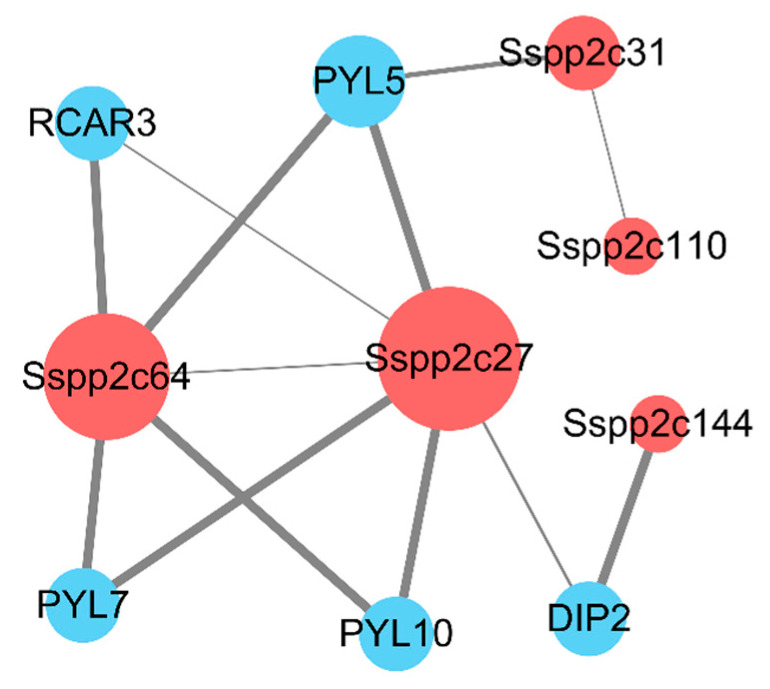
Type 2C protein phosphatases (PP2Cs) represent a major group of protein phosphatases in plants, some of which have already been confirmed to play important roles in diverse plant processes. In this study, analyses of the phylogenetics, gene structure, protein domain, chromosome localization, and collinearity, as well as an identification of the expression profile, protein-protein interaction, and subcellular location, were carried out on the PP2C family in wild sugarcane (). The results showed that 145 PP2C proteins were classified into 13 clades. Phylogenetic analysis suggested that SsPP2Cs are evolutionarily closer to those of sorghum, and the number of SsPP2Cs is the highest. There were 124 pairs of genes expanding via segmental duplications. Half of the SsPP2C proteins were predicted to be localized in the chloroplast (73), with the next most common predicted localizations being in the cytoplasm (37) and nucleus (17). Analysis of the promoter revealed that s might be photosensitive, responsive to abiotic stresses, and hormone-stimulated. A total of 27 s showed cold-stress-induced expressions, and (Sspon.01G0007840-2D) and (Sspon.03G0002800-3D) were the potential hubs involved in ABA signal transduction. Our study presents a comprehensive analysis of the SsPP2C gene family, which can play a vital role in the further study of phosphatases in wild sugarcane. The results suggest that the PP2C family is evolutionarily conserved, and that it functions in various developmental processes in wild sugarcane.
2C型蛋白磷酸酶(PP2Cs)是植物中主要的蛋白磷酸酶家族,其中一些已被证实参与多种植物生理过程。本研究对野生甘蔗中的PP2C家族进行了系统发育、基因结构、蛋白结构域、染色体定位和共线性分析,并鉴定了其表达谱、蛋白-蛋白相互作用和亚细胞定位。结果表明,145个PP2C蛋白被分为13个进化枝。系统发育分析表明,SsPP2Cs在进化上与高粱的PP2Cs更为接近,且SsPP2Cs的数量最多。有124对基因通过片段重复进行扩增。预测一半的SsPP2C蛋白定位于叶绿体(73个),其次最常见的预测定位是细胞质(37个)和细胞核(17个)。对启动子的分析表明,SsPP2Cs可能对光敏感,对非生物胁迫有响应,并受激素刺激。共有27个SsPP2Cs表现出冷胁迫诱导的表达,且Sspon.01G0007840-2D和Sspon.03G00028(此处原文似乎有误,推测应为Sspon.03G0002800-3D)是参与脱落酸信号转导的潜在枢纽。我们的研究对SsPP2C基因家族进行了全面分析,这对进一步研究野生甘蔗中的磷酸酶具有重要意义。结果表明,PP2C家族在进化上是保守的,且在野生甘蔗的各种发育过程中发挥作用。