Xue Tongtong, Wang Dong, Zhang Shizhong, Ehlting Juergen, Ni Fei, Jakab Stephen, Zheng Chengchao, Zhong Yuan
State Key Laboratory of Crop Biology, College of Life Sciences, Shandong Agricultural University, Taian, Shandong 271018, PR China.
BMC Genomics. 2008 Nov 20;9:550. doi: 10.1186/1471-2164-9-550.
The protein phosphatase 2Cs (PP2Cs) from various organisms have been implicated to act as negative modulators of protein kinase pathways involved in diverse environmental stress responses and developmental processes. A genome-wide overview of the PP2C gene family in plants is not yet available.
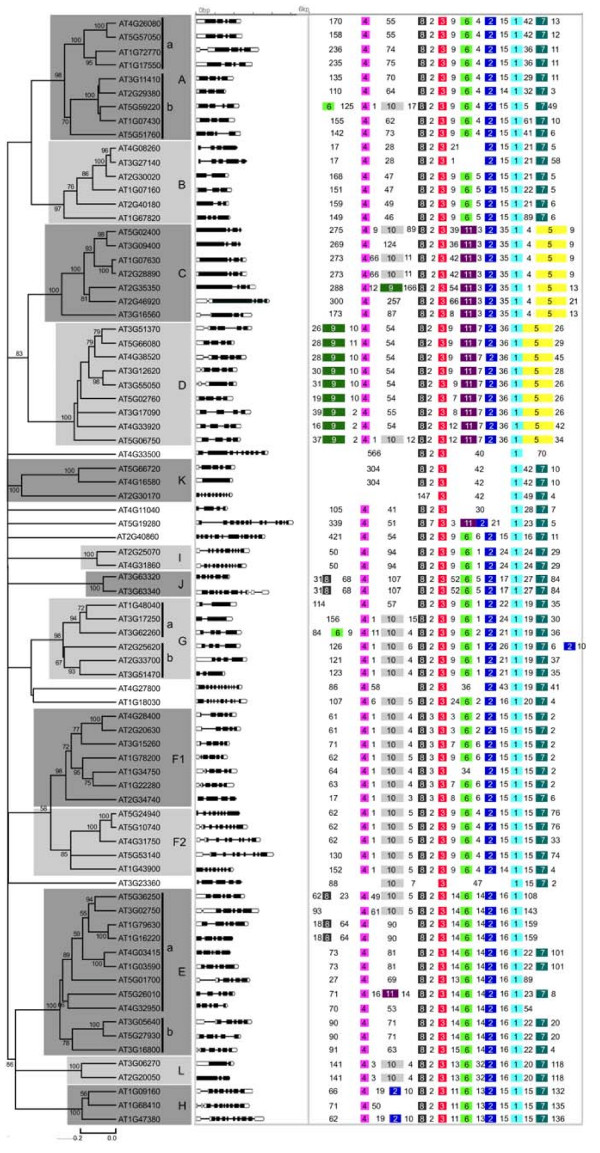
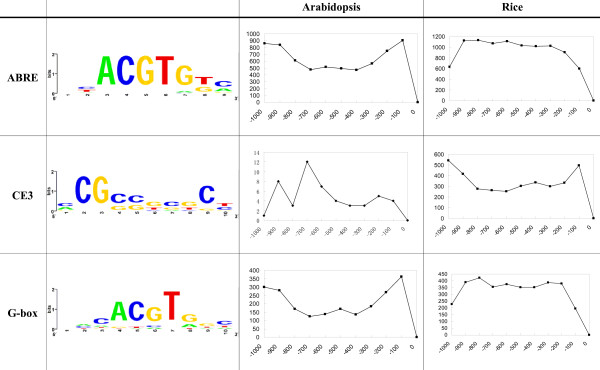
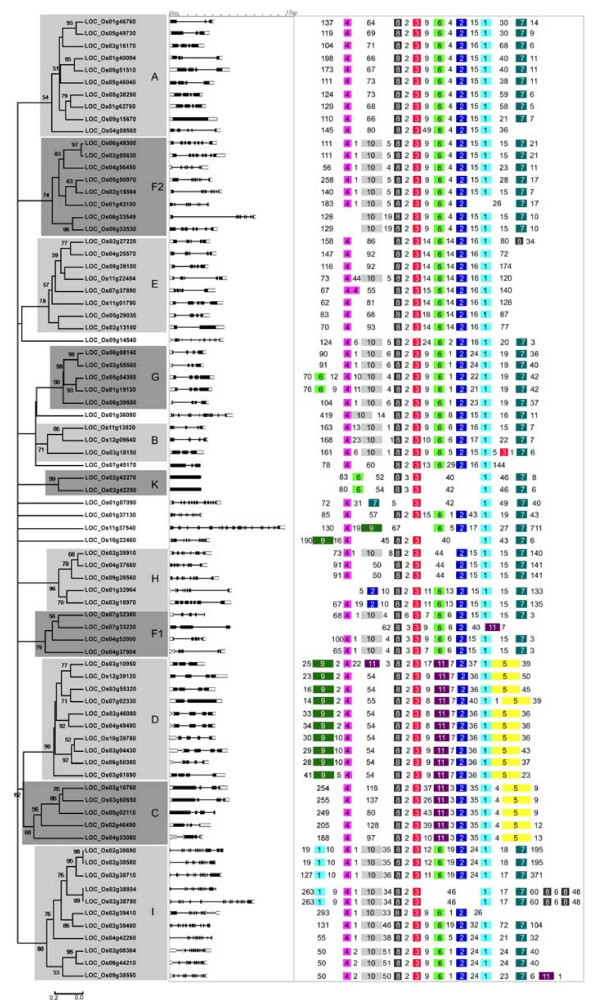
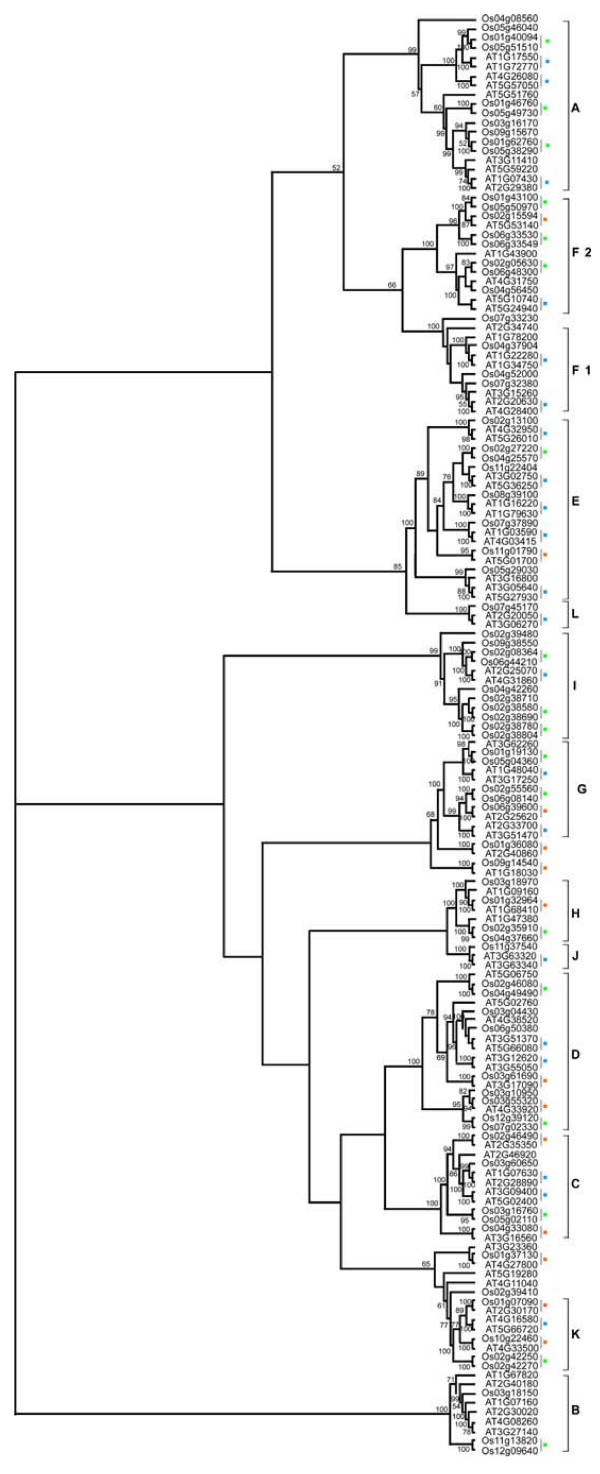
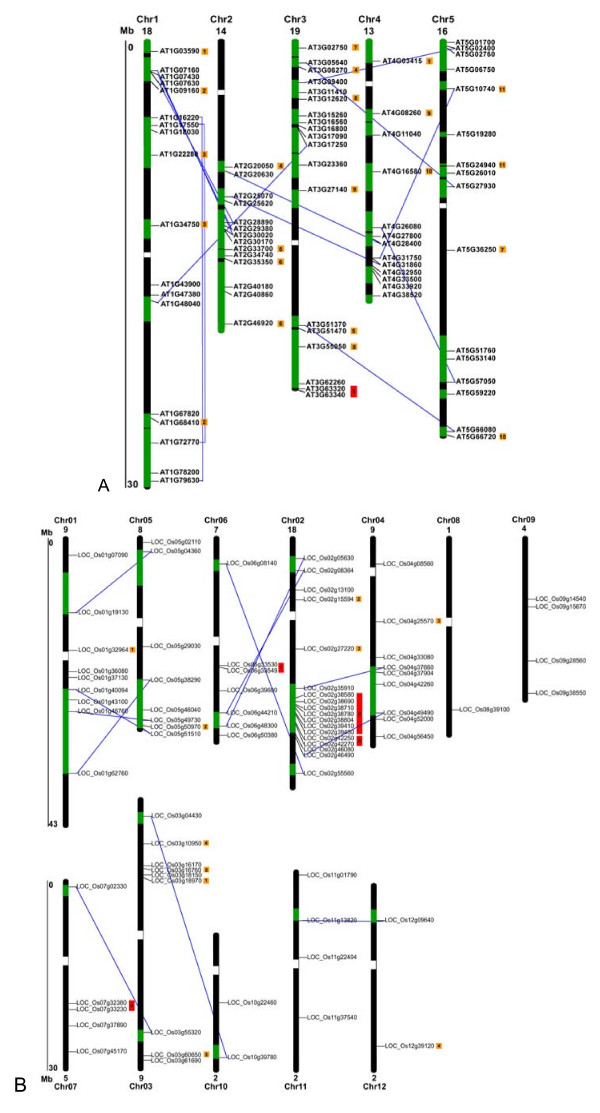
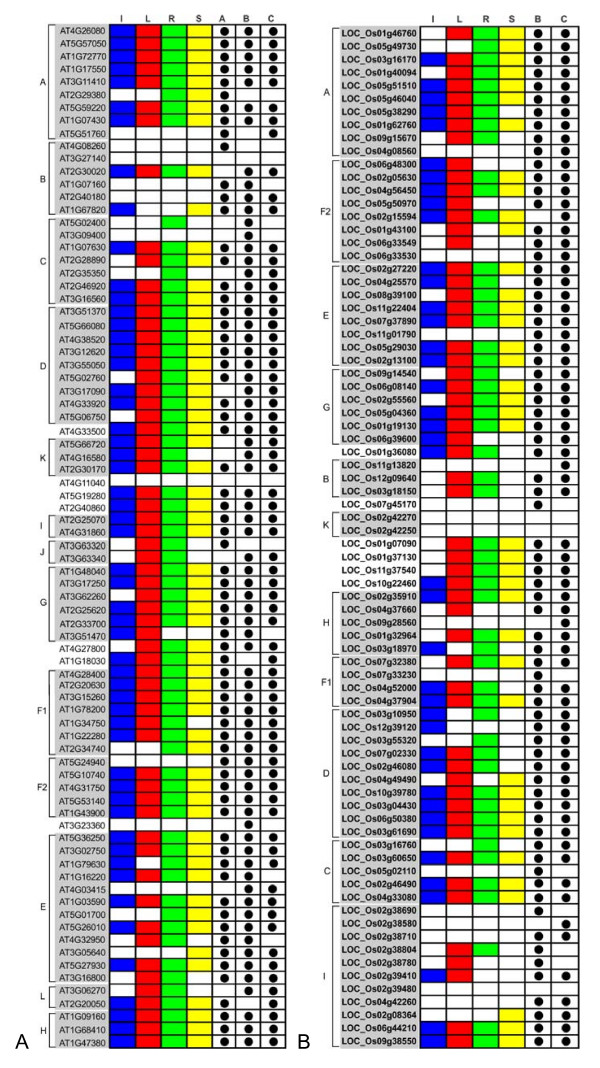
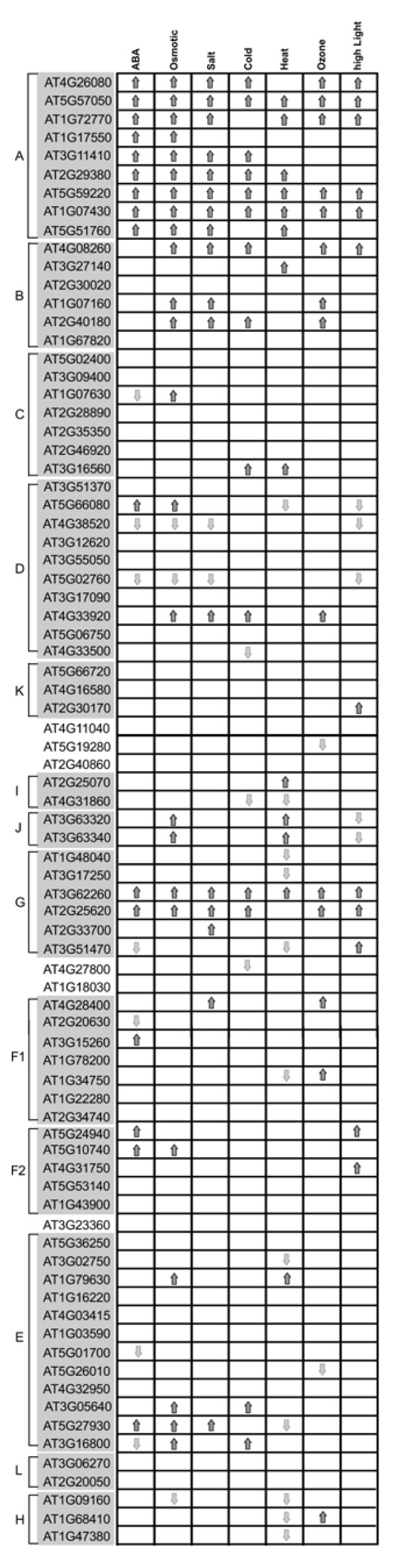
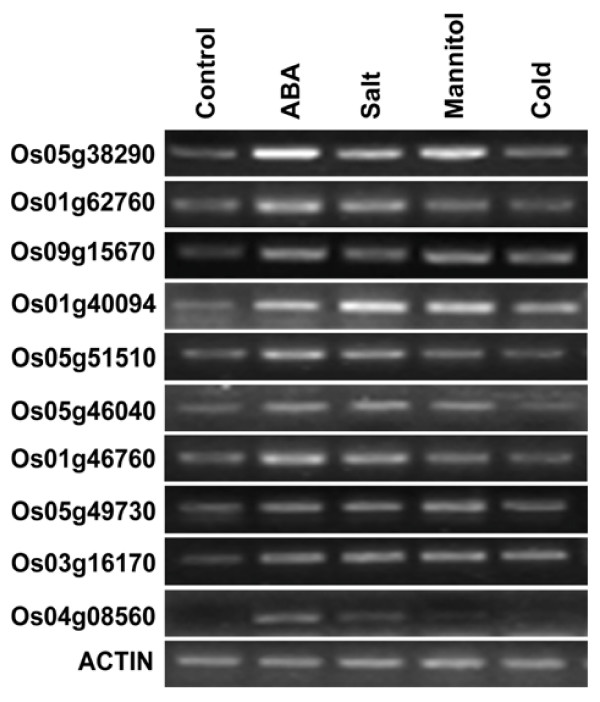
A comprehensive computational analysis identified 80 and 78 PP2C genes in Arabidopsis thaliana (AtPP2Cs) and Oryza sativa (OsPP2Cs), respectively, which denotes the PP2C gene family as one of the largest families identified in plants. Phylogenic analysis divided PP2Cs in Arabidopsis and rice into 13 and 11 subfamilies, respectively, which are supported by the analyses of gene structures and protein motifs. Comparative analysis between the PP2C genes in Arabidopsis and rice identified common and lineage-specific subfamilies and potential 'gene birth-and-death' events. Gene duplication analysis reveals that whole genome and chromosomal segment duplications mainly contributed to the expansion of both OsPP2Cs and AtPP2Cs, but tandem or local duplication occurred less frequently in Arabidopsis than rice. Some protein motifs are widespread among the PP2C proteins, whereas some other motifs are specific to only one or two subfamilies. Expression pattern analysis suggests that 1) most PP2C genes play functional roles in multiple tissues in both species, 2) the induced expression of most genes in subfamily A by diverse stimuli indicates their primary role in stress tolerance, especially ABA response, and 3) the expression pattern of subfamily D members suggests that they may constitute positive regulators in ABA-mediated signaling pathways. The analyses of putative upstream regulatory elements by two approaches further support the functions of subfamily A in ABA signaling, and provide insights into the shared and different transcriptional regulation machineries in dicots and monocots.
This comparative genome-wide overview of the PP2C family in Arabidopsis and rice provides insights into the functions and regulatory mechanisms, as well as the evolution and divergence of the PP2C genes in dicots and monocots. Bioinformatics analyses suggest that plant PP2C proteins from different subfamilies participate in distinct signaling pathways. Our results have established a solid foundation for future studies on the functional divergence in different PP2C subfamilies.
来自不同生物体的蛋白磷酸酶2C(PP2C)被认为是参与多种环境应激反应和发育过程的蛋白激酶途径的负调节剂。目前尚无植物中PP2C基因家族的全基因组概述。
一项全面的计算分析分别在拟南芥(AtPP2Cs)和水稻(OsPP2Cs)中鉴定出80个和78个PP2C基因,这表明PP2C基因家族是植物中鉴定出的最大基因家族之一。系统发育分析将拟南芥和水稻中的PP2C分别分为13个和11个亚家族,这得到了基因结构和蛋白质基序分析的支持。拟南芥和水稻中PP2C基因的比较分析确定了共同的和谱系特异性的亚家族以及潜在的“基因生死”事件。基因重复分析表明,全基因组和染色体片段重复主要促成了OsPP2Cs和AtPP2Cs的扩增,但拟南芥中的串联或局部重复比水稻中发生得少。一些蛋白质基序在PP2C蛋白中广泛存在,而其他一些基序仅特定于一个或两个亚家族。表达模式分析表明:1)大多数PP2C基因在两个物种的多个组织中发挥功能作用;2)亚家族A中大多数基因受多种刺激诱导表达,表明它们在胁迫耐受性尤其是ABA反应中起主要作用;3)亚家族D成员的表达模式表明它们可能构成ABA介导的信号通路中的正调节因子。通过两种方法对推定的上游调控元件进行的分析进一步支持了亚家族A在ABA信号传导中的功能,并深入了解了双子叶植物和单子叶植物中共享的和不同的转录调控机制。
对拟南芥和水稻中PP2C家族进行的全基因组比较概述,为深入了解PP2C基因在双子叶植物和单子叶植物中的功能、调控机制以及进化和分化提供了线索。生物信息学分析表明,来自不同亚家族的植物PP2C蛋白参与不同的信号通路。我们的结果为未来研究不同PP2C亚家族的功能差异奠定了坚实的基础。