Parmar Harshit, Nutter Brian, Long Rodney, Antani Sameer, Mitra Sunanda
Texas Tech University, Department of Electrical and Computer Engineering, Lubbock, Texas, United States.
National Institutes of Health, Lister Hill National Center for Biomedical Communications, National Library of Medicine, Bethesda, Maryland, United States.
J Med Imaging (Bellingham). 2020 Sep;7(5):056001. doi: 10.1117/1.JMI.7.5.056001. Epub 2020 Oct 27.
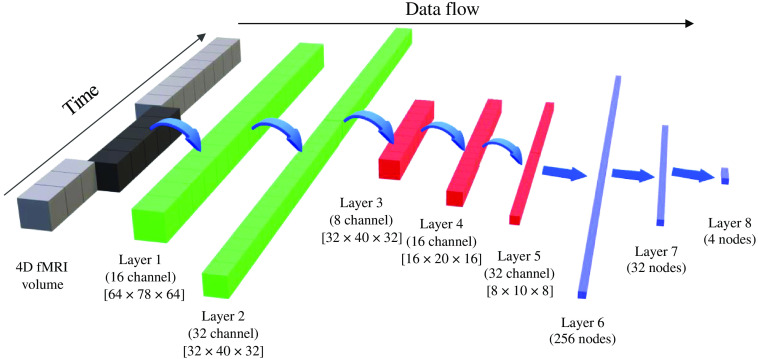
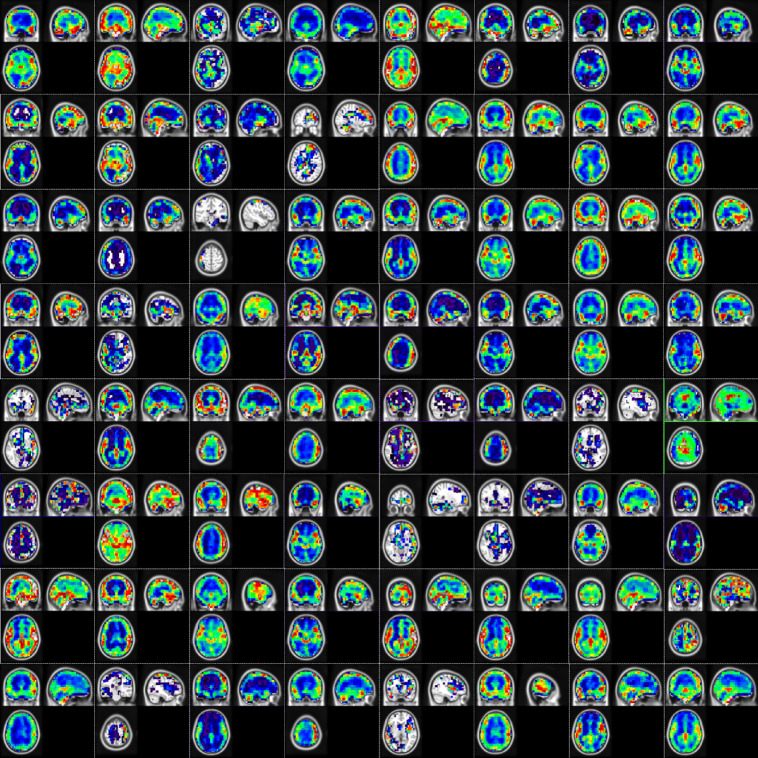
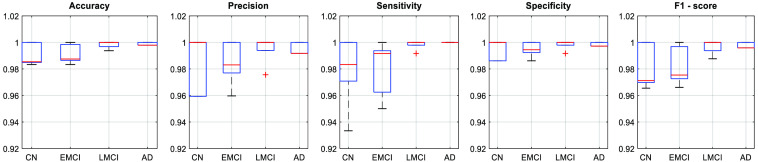
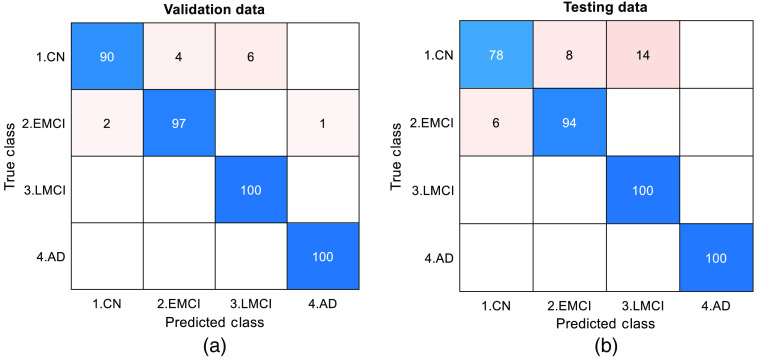
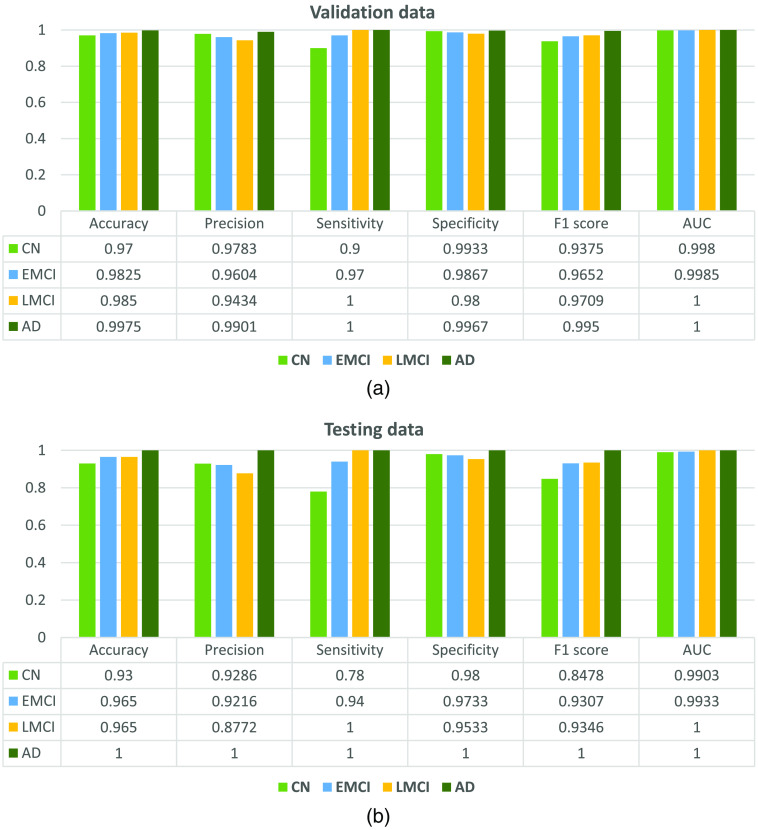
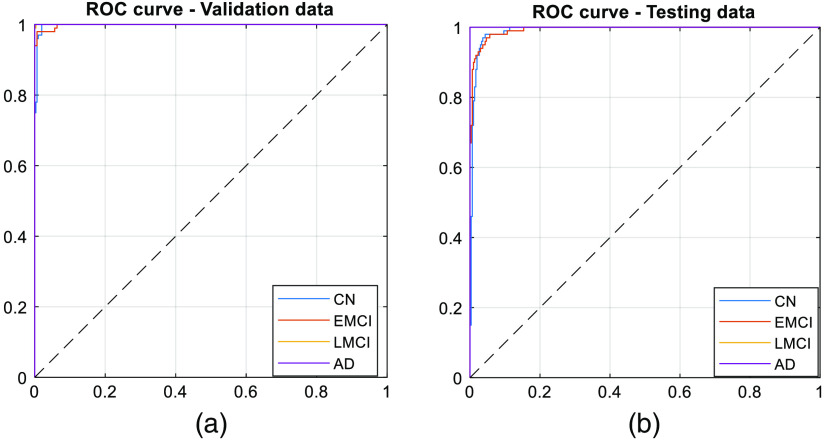
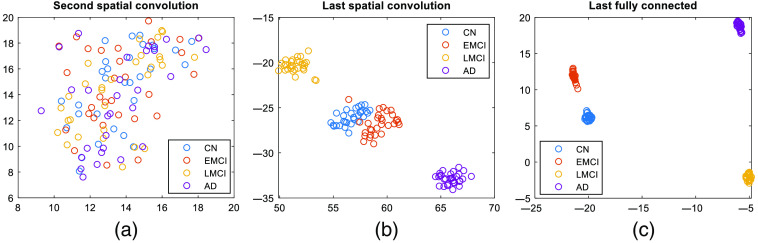
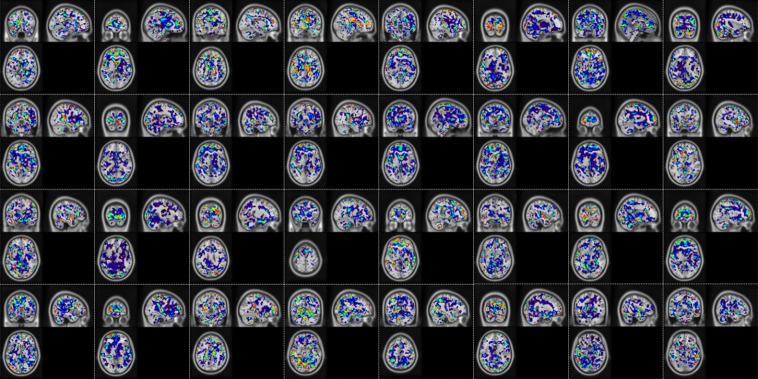
Through the last three decades, functional magnetic resonance imaging (fMRI) has provided immense quantities of information about the dynamics of the brain, functional brain mapping, and resting-state brain networks. Despite providing such rich functional information, fMRI is still not a commonly used clinical technique due to inaccuracy involved in analysis of extremely noisy data. However, ongoing developments in deep learning techniques suggest potential improvements and better performance in many different domains. Our main purpose is to utilize the potentials of deep learning techniques for fMRI data for clinical use. We present one such synergy of fMRI and deep learning, where we apply a simplified yet accurate method using a modified 3D convolutional neural networks (CNN) to resting-state fMRI data for feature extraction and classification of Alzheimer's disease (AD). The CNN is designed in such a way that it uses the fMRI data with much less preprocessing, preserving both spatial and temporal information. Once trained, the network is successfully able to classify between fMRI data from healthy controls and AD subjects, including subjects in the mild cognitive impairment (MCI) stage. We have also extracted spatiotemporal features useful for classification. This CNN can detect and differentiate between the earlier and later stages of MCI and AD and hence, it may have potential clinical applications in both early detection and better diagnosis of Alzheimer's disease.
在过去三十年中,功能磁共振成像(fMRI)提供了大量有关大脑动态、功能脑图谱和静息态脑网络的信息。尽管fMRI能提供如此丰富的功能信息,但由于对极其嘈杂的数据进行分析时存在不准确之处,它仍然不是一种常用的临床技术。然而,深度学习技术的不断发展表明,在许多不同领域都有潜在的改进和更好的性能。我们的主要目的是利用深度学习技术对fMRI数据的潜力用于临床。我们展示了一种fMRI与深度学习的协同作用,即我们应用一种简化但准确的方法,使用改进的三维卷积神经网络(CNN)对静息态fMRI数据进行阿尔茨海默病(AD)的特征提取和分类。CNN的设计方式是,它在预处理少得多的情况下使用fMRI数据,同时保留空间和时间信息。一旦训练完成,该网络就能成功地对来自健康对照和AD受试者(包括轻度认知障碍(MCI)阶段的受试者)的fMRI数据进行分类。我们还提取了对分类有用的时空特征。这种CNN可以检测并区分MCI和AD的早期和晚期阶段,因此,它在阿尔茨海默病的早期检测和更好诊断方面可能具有潜在的临床应用价值。