Abdelhamid Hani Nasser
Advanced Multifunctional Materials Laboratory, Chemistry Department-Faculty of Science, Assiut University, Egypt.
Nanotechnology Research Centre (NTRC), The British University in Egypt (BUE), Suez Desert Road, El-Sherouk City, Cairo 11837, Egypt.
Heliyon. 2023 Jul 8;9(7):e18060. doi: 10.1016/j.heliyon.2023.e18060. eCollection 2023 Jul.
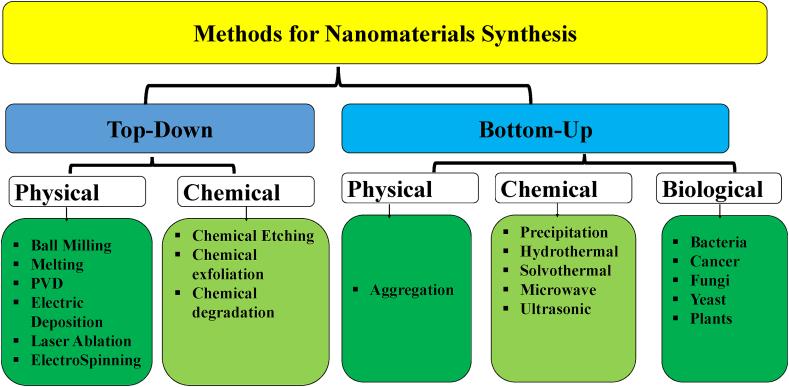
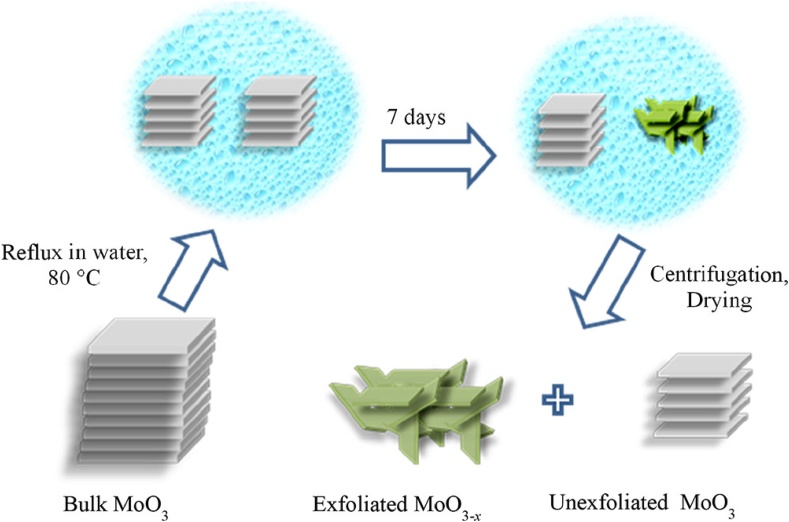
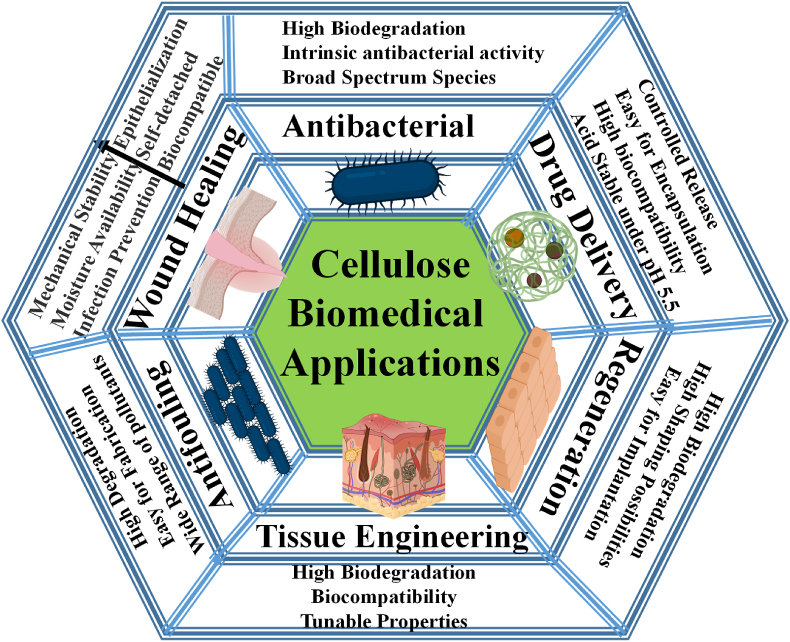
This review summarizes the applications of some of the advanced materials. It included the synthesis of several nanoparticles such as metal oxide nanoparticles (e.g., FeO, ZnO, ZrOSO, MoO, CuO, AgFeO, CoO, CeO, SiO, and CuFeO); metal hydroxide nanosheets (e.g., Zn(OH)(NO)·2HO, Zn(OH)(NO)·HO, and Zn(OH)(NO)); metallic nanoparticles (Ag, Au, Pd, and Pt); carbon-based nanomaterials (graphene, graphene oxide (GO), graphitic carbon nitride (g-CN), and carbon dots (CDs)); biopolymers (cellulose, nanocellulose, TEMPO-oxidized cellulose nanofibers (TOCNFs), and chitosan); organic polymers (e.g. covalent-organic frameworks (COFs)); and hybrid materials (e.g. metal-organic frameworks (MOFs)). Most of these materials were applied in several fields such as environmental-based technologies (e.g., water remediation, air purification, gas storage), energy (production of hydrogen, dimethyl ether, solar cells, and supercapacitors), and biomedical sectors (sensing, biosensing, cancer therapy, and drug delivery). They can be used as efficient adsorbents and catalysts to remove emerging contaminants e.g., inorganic (i.e., heavy metals) and organic (e.g., dyes, antibiotics, pesticides, and oils in water via adsorption. They can be also used as catalysts for catalytic degradation reactions such as redox reactions of pollutants. They can be used as filters for air purification by capturing carbon dioxide (CO) and volatile organic compounds (VOCs). They can be used for hydrogen production via water splitting, alcohol oxidation, and hydrolysis of NaBH. Nanomedicine for some of these materials was also included being an effective agent as an antibacterial, nanocarrier for drug delivery, and probe for biosensing.
本综述总结了一些先进材料的应用。其中包括几种纳米颗粒的合成,如金属氧化物纳米颗粒(如FeO、ZnO、ZrOSO、MoO、CuO、AgFeO、CoO、CeO、SiO和CuFeO);金属氢氧化物纳米片(如Zn(OH)(NO)·2HO、Zn(OH)(NO)·HO和Zn(OH)(NO));金属纳米颗粒(Ag、Au、Pd和Pt);碳基纳米材料(石墨烯、氧化石墨烯(GO)、石墨相氮化碳(g-CN)和碳点(CDs));生物聚合物(纤维素、纳米纤维素、2,2,6,6-四甲基哌啶氧化物(TEMPO)氧化纤维素纳米纤维(TOCNFs)和壳聚糖);有机聚合物(如共价有机框架(COFs));以及杂化材料(如金属有机框架(MOFs))。这些材料大多应用于多个领域,如环境相关技术(如水处理、空气净化、气体存储)、能源(氢气生产、二甲醚、太阳能电池和超级电容器)以及生物医学领域(传感、生物传感、癌症治疗和药物递送)。它们可用作高效吸附剂和催化剂,通过吸附去除新出现的污染物,如无机污染物(即重金属)和有机污染物(如水中的染料、抗生素、农药和油类)。它们还可用作催化降解反应的催化剂,如污染物的氧化还原反应。它们可用作空气净化过滤器,捕获二氧化碳(CO)和挥发性有机化合物(VOCs)。它们可通过水分解、醇氧化和硼氢化钠(NaBH)水解用于制氢。还包括了其中一些材料的纳米医学应用,它们可作为有效的抗菌剂、药物递送的纳米载体和生物传感探针。