College of Agriculture, Hunan Agricultural University, No. 1 Nongda Road, Changsha, 410128, Hunan, China.
Arid Land Crop Research Institute, Hunan Agricultural University, No. 1 Nongda Road, Changsha, 410128, Hunan, China.
BMC Genomics. 2023 Jul 27;24(1):421. doi: 10.1186/s12864-023-09436-9.
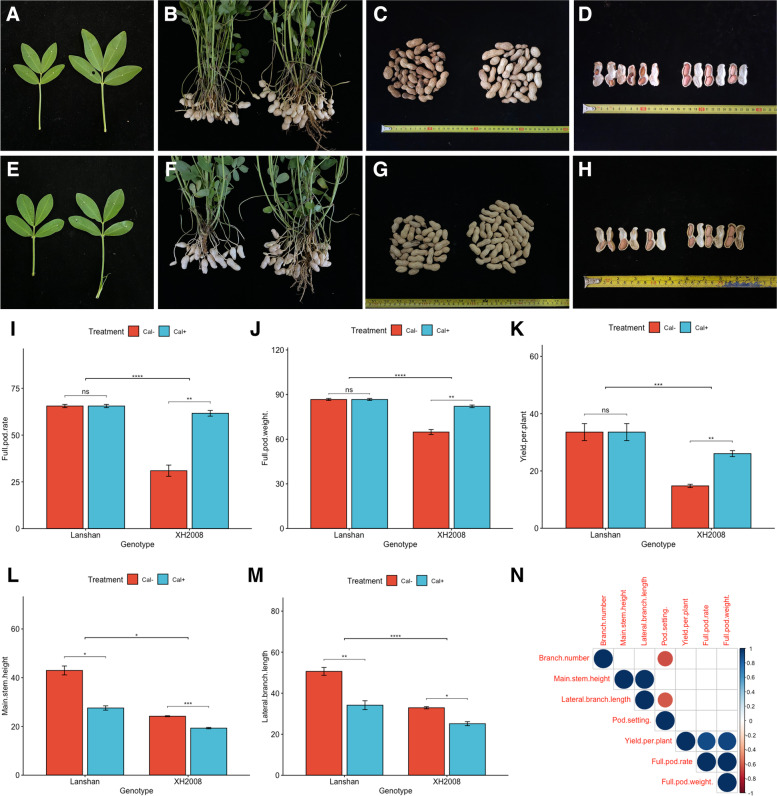
Peanut is an economically-important oilseed crop and needs a large amount of calcium for its normal growth and development. Calcium deficiency usually leads to embryo abortion and subsequent abnormal pod development. Different tolerance to calcium deficiency has been observed between different cultivars, especially between large and small-seed cultivars.
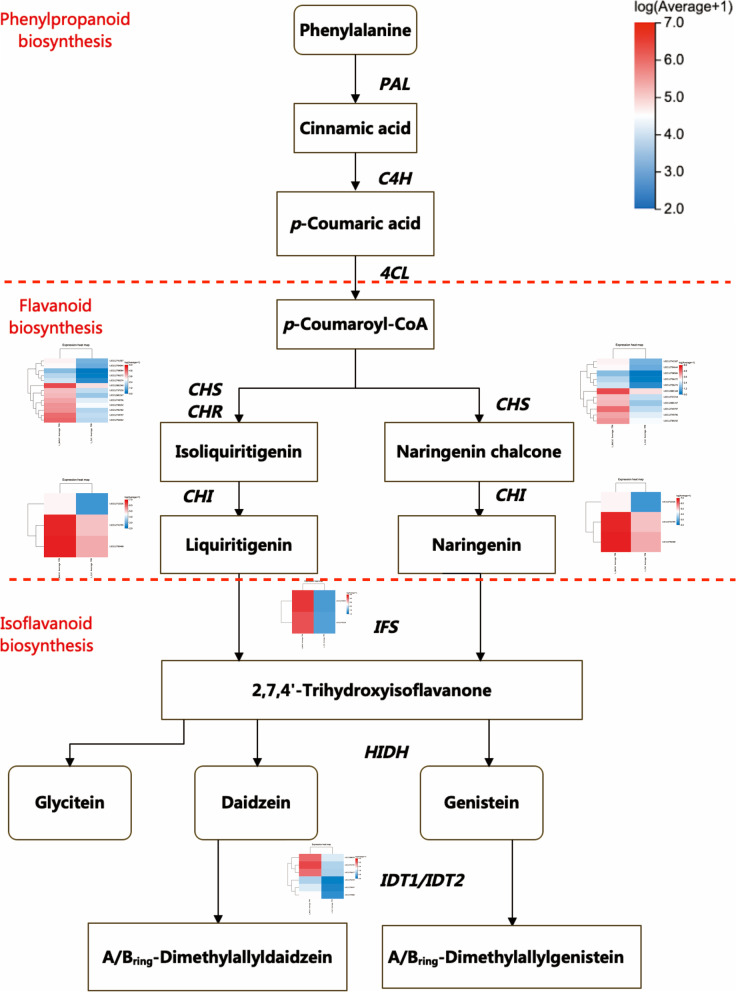
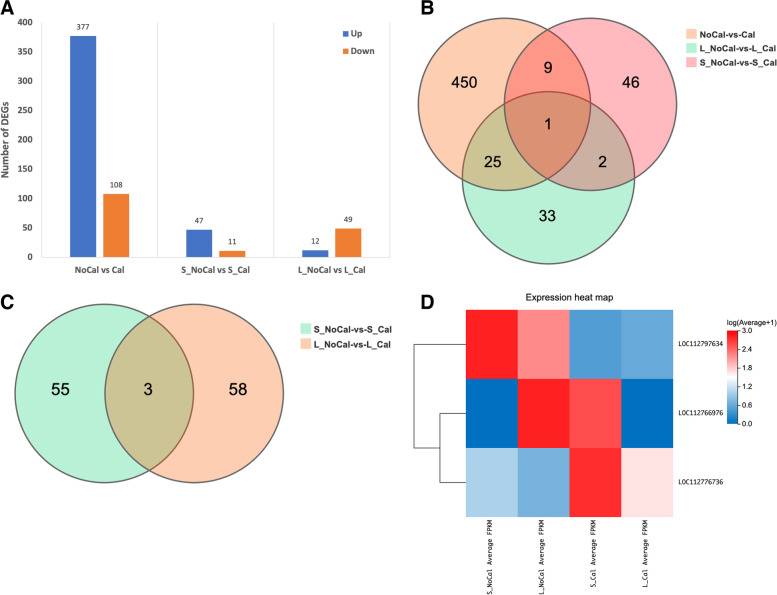
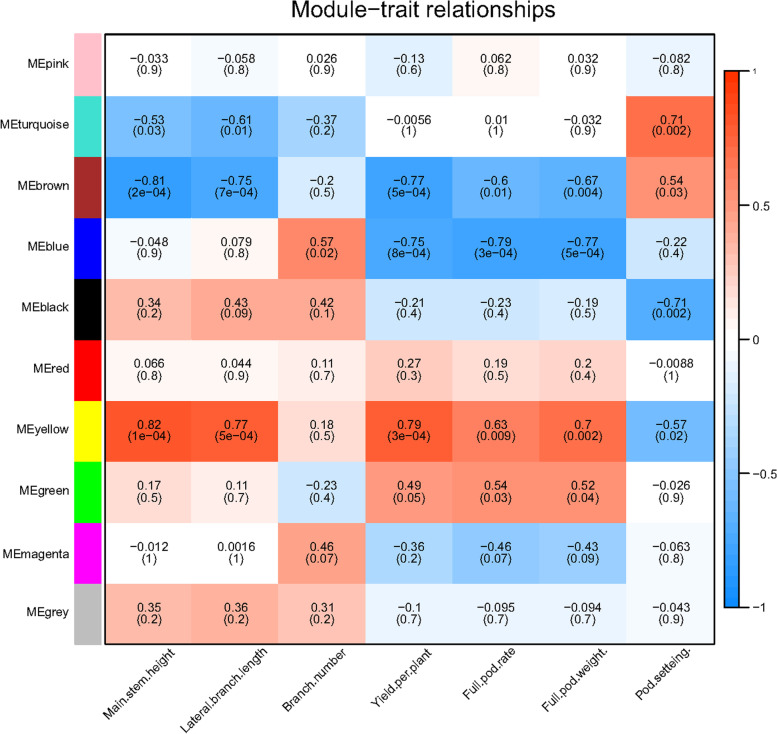
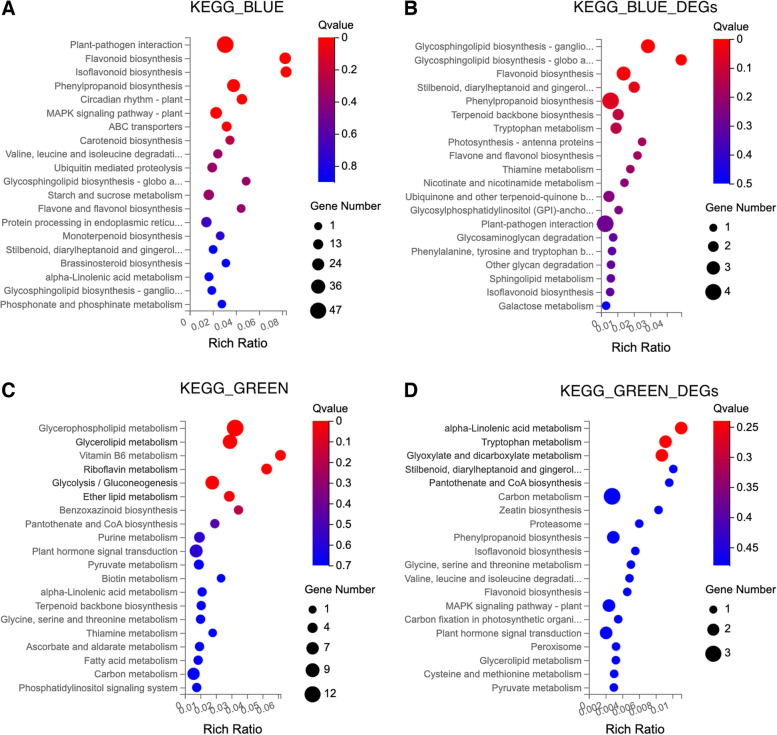
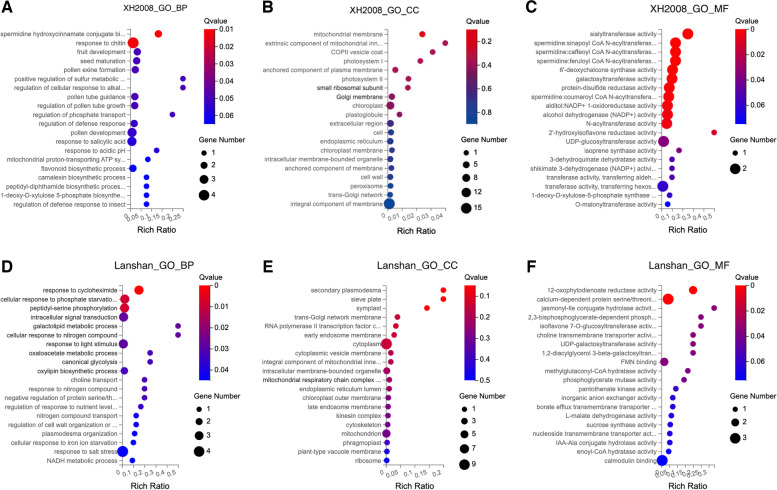
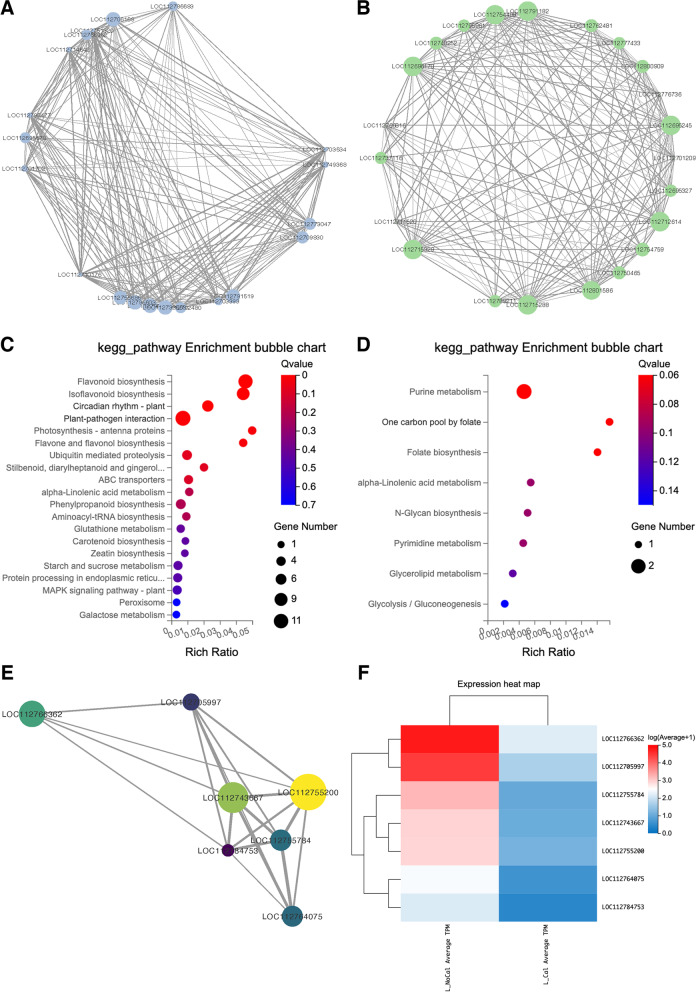
In order to figure out different molecular mechanisms in defensive responses between two cultivars, we treated a sensitive (large-seed) and a tolerant (small-seed) cultivar with different calcium levels. The transcriptome analysis identified a total of 58 and 61 differentially expressed genes (DEGs) within small-seed and large-seed peanut groups under different calcium treatments, and these DEGs were entirely covered by gene modules obtained via weighted gene co-expression network analysis (WGCNA). KEGG enrichment analysis showed that the blue-module genes in the large-seed cultivar were mainly enriched in plant-pathogen attack, phenolic metabolism and MAPK signaling pathway, while the green-module genes in the small-seed cultivar were mainly enriched in lipid metabolism including glycerolipid and glycerophospholipid metabolisms. By integrating DEGs with WGCNA, a total of eight hub-DEGs were finally identified, suggesting that the large-seed cultivar concentrated more on plant defensive responses and antioxidant activities under calcium deficiency, while the small-seed cultivar mainly focused on maintaining membrane features to enable normal photosynthesis and signal transduction.
The identified hub genes might give a clue for future gene validation and molecular breeding to improve peanut survivability under calcium deficiency.
花生是一种经济上重要的油料作物,其正常生长和发育需要大量的钙。钙缺乏通常会导致胚胎流产和随后的荚果发育异常。不同品种对钙缺乏的耐受性不同,特别是在大粒和小粒品种之间。
为了探究两个品种在防御反应中的不同分子机制,我们用不同的钙水平处理了一个敏感(大粒)和一个耐受(小粒)品种。转录组分析在不同钙处理下的小粒和大粒花生组中总共鉴定出 58 个和 61 个差异表达基因(DEGs),这些 DEGs 完全由加权基因共表达网络分析(WGCNA)获得的基因模块所涵盖。KEGG 富集分析表明,大粒品种中蓝色模块基因主要富集在植物-病原体攻击、酚类代谢和 MAPK 信号通路中,而小粒品种中绿色模块基因主要富集在包括甘油脂和甘油磷脂代谢在内的脂质代谢中。通过将 DEGs 与 WGCNA 整合,最终确定了 8 个枢纽 DEGs,表明在钙缺乏下,大粒品种更集中于植物防御反应和抗氧化活性,而小粒品种主要集中于维持膜特征以实现正常的光合作用和信号转导。
所鉴定的枢纽基因可能为未来提高花生在钙缺乏下的生存能力的基因验证和分子育种提供线索。