
磁性纳米材料药物递送应用发展的最新进展
Recent Advances in the Development of Drug Delivery Applications of Magnetic Nanomaterials.
作者信息
Pusta Alexandra, Tertis Mihaela, Crăciunescu Izabell, Turcu Rodica, Mirel Simona, Cristea Cecilia
机构信息
Department of Analytical Chemistry and Instrumental Analysis, Iuliu Hațieganu University of Medicine and Pharmacy, 4 Louis Pasteur Street, 400349 Cluj-Napoca, Romania.
Department of Medical Devices, Iuliu Hațieganu University of Medicine and Pharmacy, 4 Pasteur Street, 400349 Cluj-Napoca, Romania.
出版信息
Pharmaceutics. 2023 Jul 3;15(7):1872. doi: 10.3390/pharmaceutics15071872.
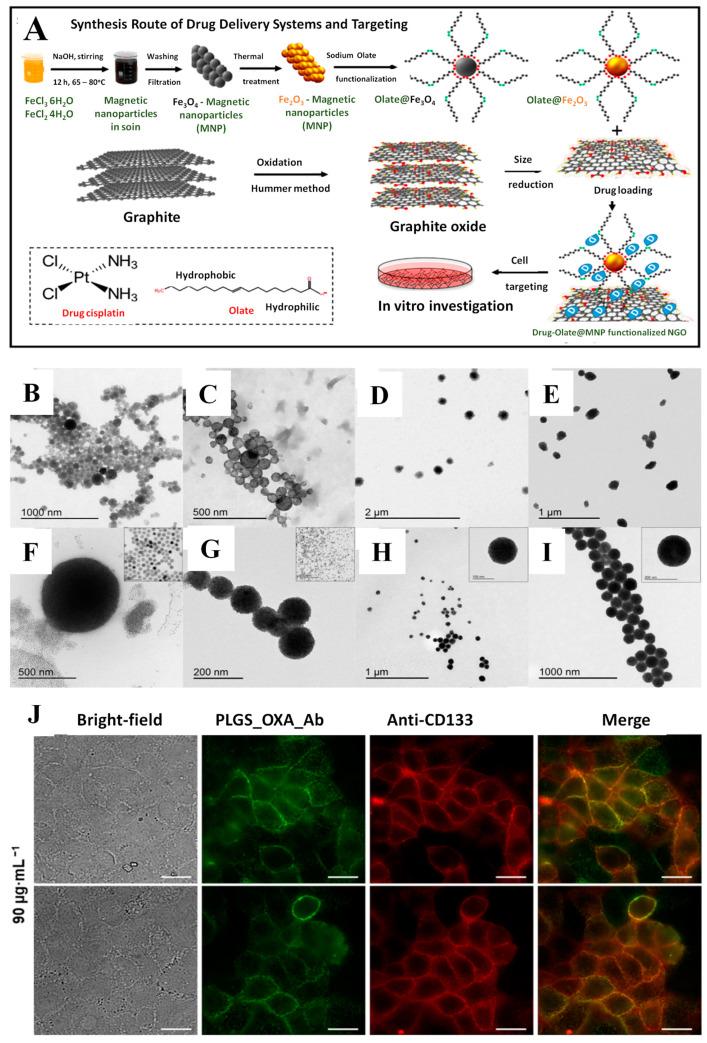
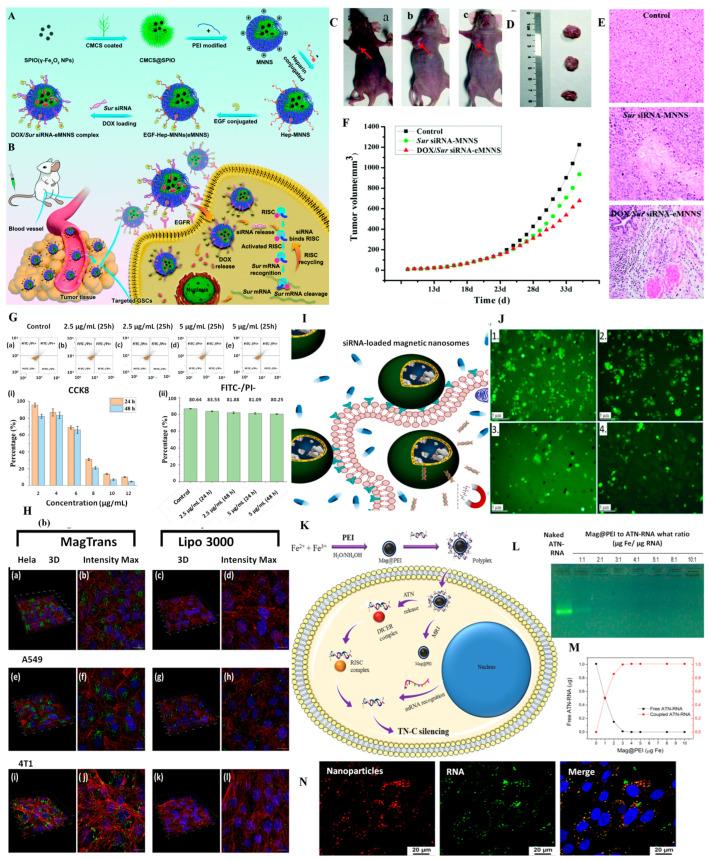
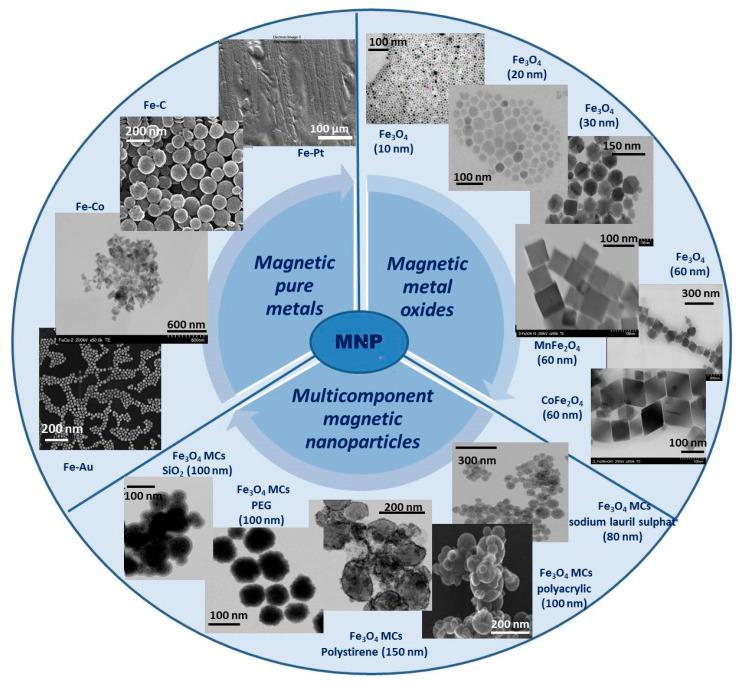
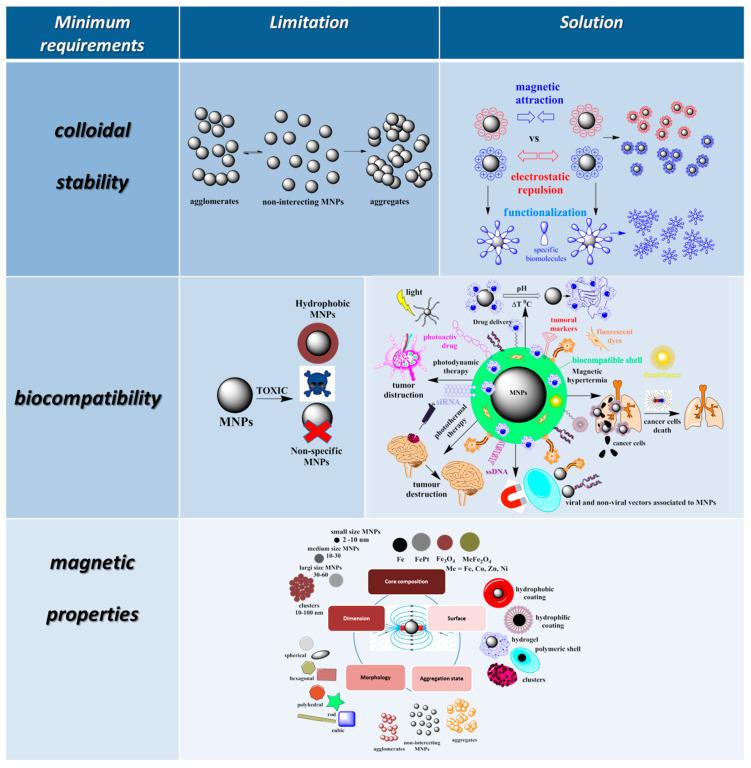
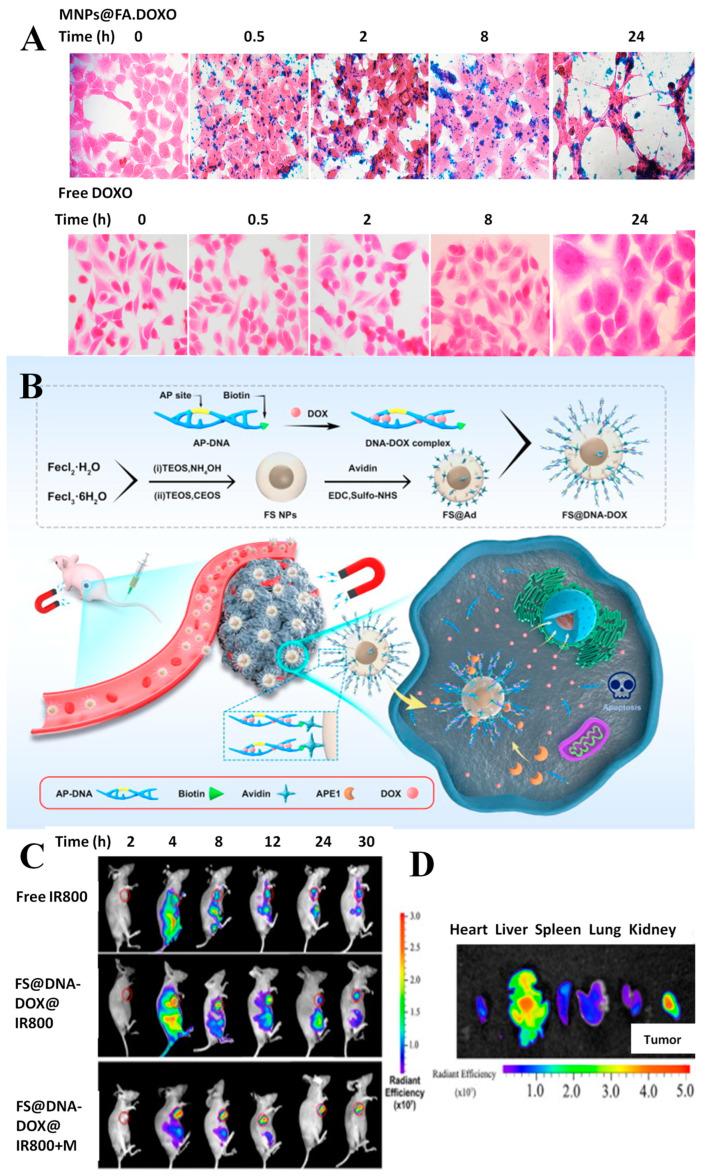
With the predicted rise in the incidence of cancer, there is an ever-growing need for new cancer treatment strategies. Recently, magnetic nanoparticles have stood out as promising nanostructures for imaging and drug delivery systems as they possess unique properties. Moreover, magnetic nanomaterials functionalized with other compounds can lead to multicomponent nanoparticles with innovative structures and synergetic performance. The incorporation of chemotherapeutic drugs or RNA in magnetic drug delivery systems represents a promising alternative that can increase efficiency and reduce the side effects of anticancer therapy. This review presents a critical overview of the recent literature concerning the advancements in the field of magnetic nanoparticles used in drug delivery, with a focus on their classification, characteristics, synthesis and functionalization methods, limitations, and examples of magnetic drug delivery systems incorporating chemotherapeutics or RNA.
随着癌症发病率的预计上升,对新的癌症治疗策略的需求日益增长。近年来,磁性纳米颗粒因其独特的性质,作为成像和药物递送系统中具有前景的纳米结构而脱颖而出。此外,用其他化合物功能化的磁性纳米材料可形成具有创新结构和协同性能的多组分纳米颗粒。在磁性药物递送系统中掺入化疗药物或RNA是一种有前景的选择,可提高抗癌治疗的效率并减少副作用。本文综述了近期有关用于药物递送的磁性纳米颗粒领域进展的文献,重点介绍了它们的分类、特性、合成和功能化方法、局限性以及包含化疗药物或RNA的磁性药物递送系统实例。
 Zotero 插件