Department of Microbiology and Molecular Genetics, McGovern Medical School, Houston, TX, USA.
Nat Rev Microbiol. 2024 Jan;22(1):33-45. doi: 10.1038/s41579-023-00942-x. Epub 2023 Jul 31.
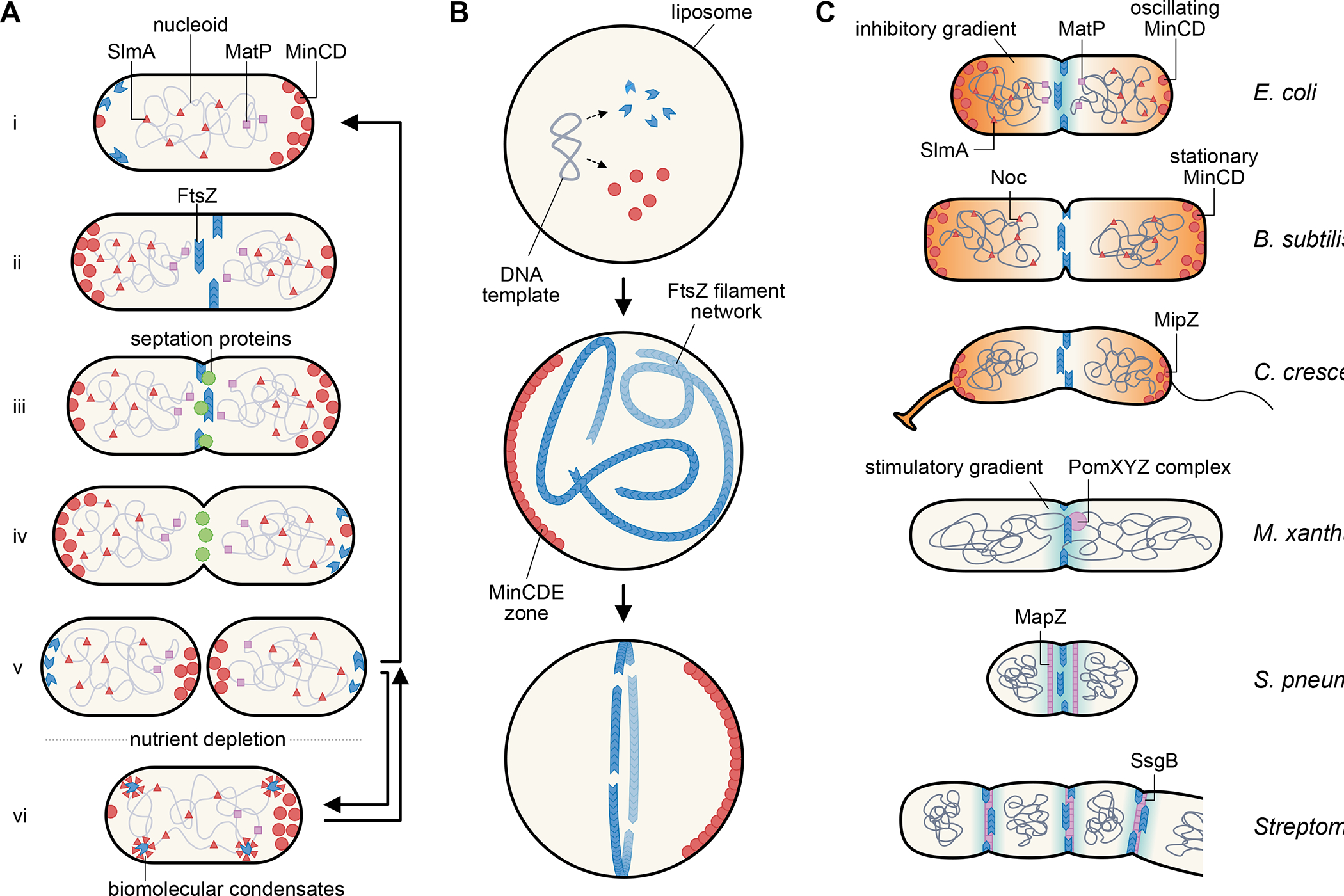
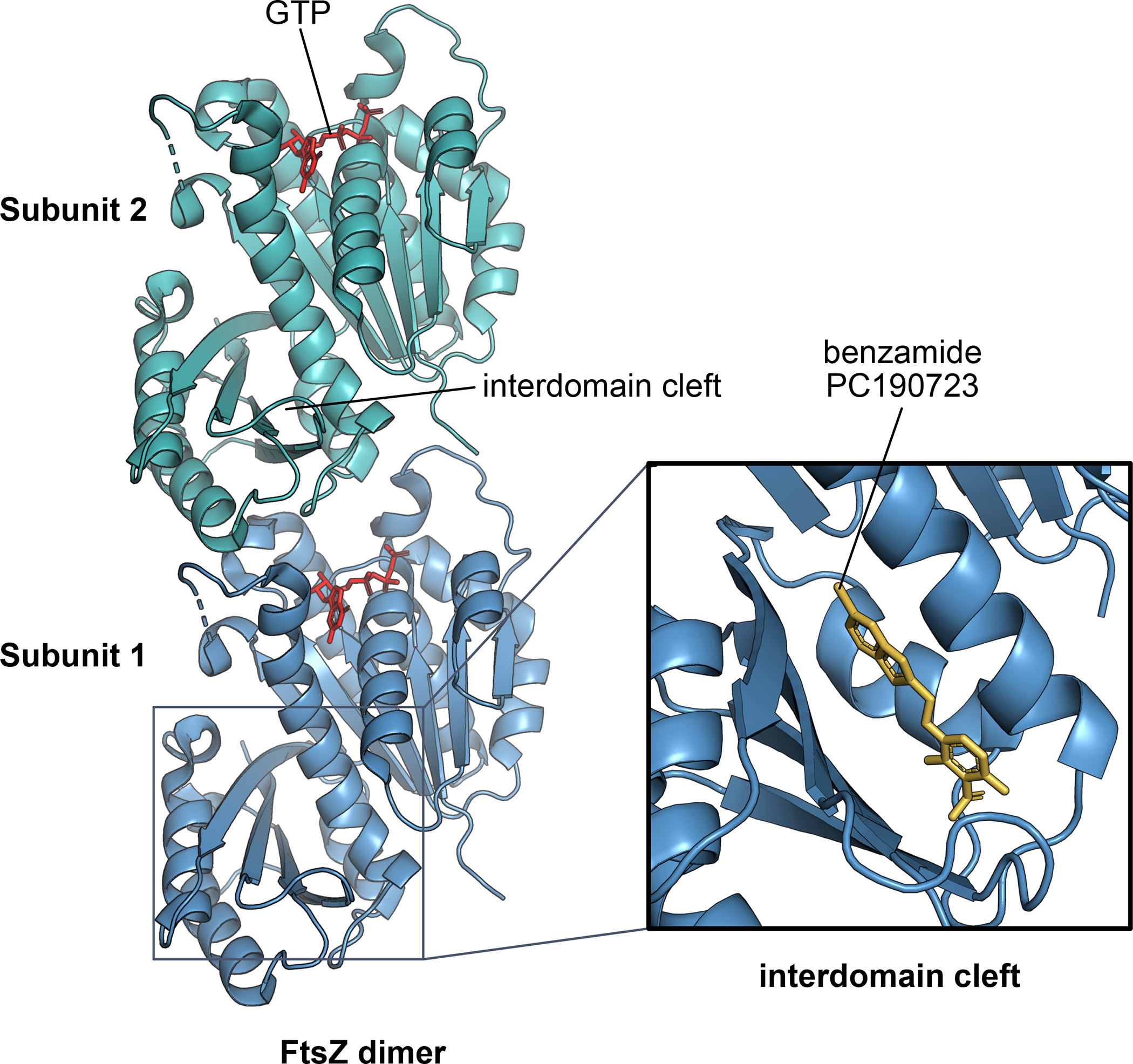
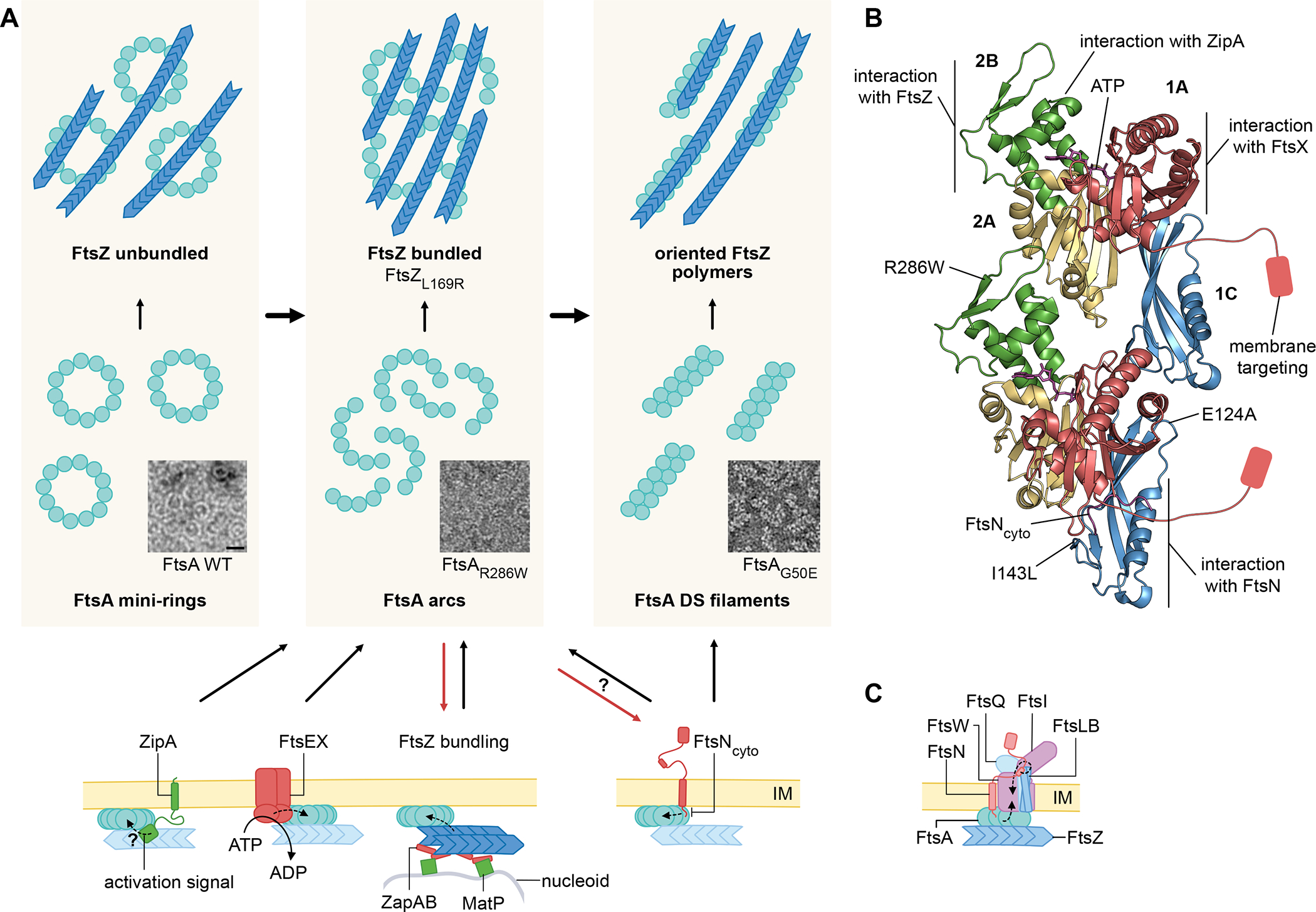
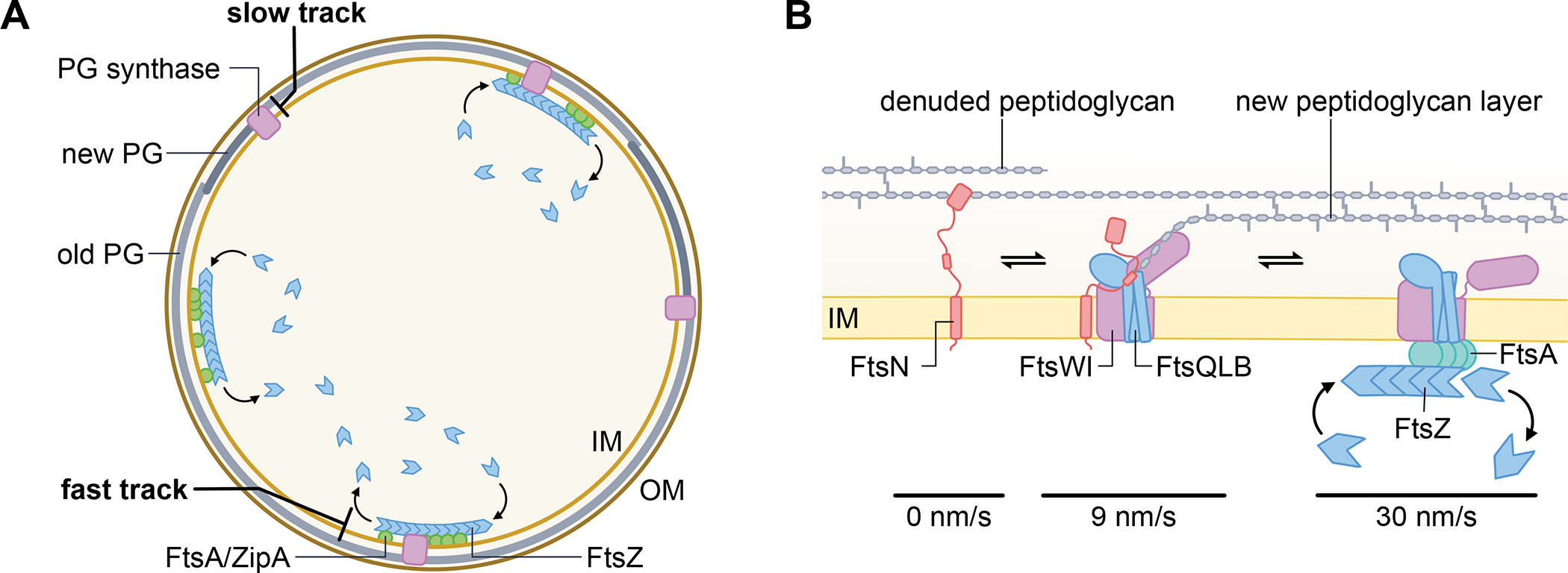
The ability to split one cell into two is fundamental to all life, and many bacteria can accomplish this feat several times per hour with high accuracy. Most bacteria call on an ancient homologue of tubulin, called FtsZ, to localize and organize the cell division machinery, the divisome, into a ring-like structure at the cell midpoint. The divisome includes numerous other proteins, often including an actin homologue (FtsA), that interact with each other at the cytoplasmic membrane. Once assembled, the protein complexes that comprise the dynamic divisome coordinate membrane constriction with synthesis of a division septum, but only after overcoming checkpoints mediated by specialized protein-protein interactions. In this Review, we summarize the most recent evidence showing how the divisome proteins of Escherichia coli assemble at the cell midpoint, interact with each other and regulate activation of septum synthesis. We also briefly discuss the potential of divisome proteins as novel antibiotic targets.
将一个细胞分裂成两个的能力是所有生命的基础,许多细菌可以每小时精确地完成这个过程几次。大多数细菌利用一种叫做 FtsZ 的微管蛋白的古老同源物来定位和组织细胞分裂机制,即分裂体,在细胞中点形成环状结构。分裂体包括许多其他蛋白质,通常包括一个肌动蛋白同源物(FtsA),它们在细胞质膜上相互作用。一旦组装完成,由动态分裂体组成的蛋白质复合物与隔膜合成一起协调膜收缩,但只有在克服由专门的蛋白质-蛋白质相互作用介导的检查点之后才会发生。在这篇综述中,我们总结了最近的证据,表明大肠杆菌的分裂体蛋白如何在细胞中点组装,相互作用并调节隔膜合成的激活。我们还简要讨论了分裂体蛋白作为新型抗生素靶标的潜力。