Nursing, New York University Rory Meyers College of Nursing, New York, New York, USA
Department of Biology and Environmental Science, Auburn University at Montgomery, Montgomery, Alabama, USA.
BMJ Open. 2023 Aug 3;13(8):e072761. doi: 10.1136/bmjopen-2023-072761.
This study aims to show the usefulness of incorporating a community-based geographical information system (GIS) in recruiting research participants for the Asian Cohort for Alzheimer's Disease (ACAD) study for using the subgroup of Korean American (KA) older adults. The ACAD study is the first large study in the USA and Canada focusing on the recruitment of Chinese, Korean and Vietnamese older adults to address the issues of under-representation of Asian Americans in clinical research.
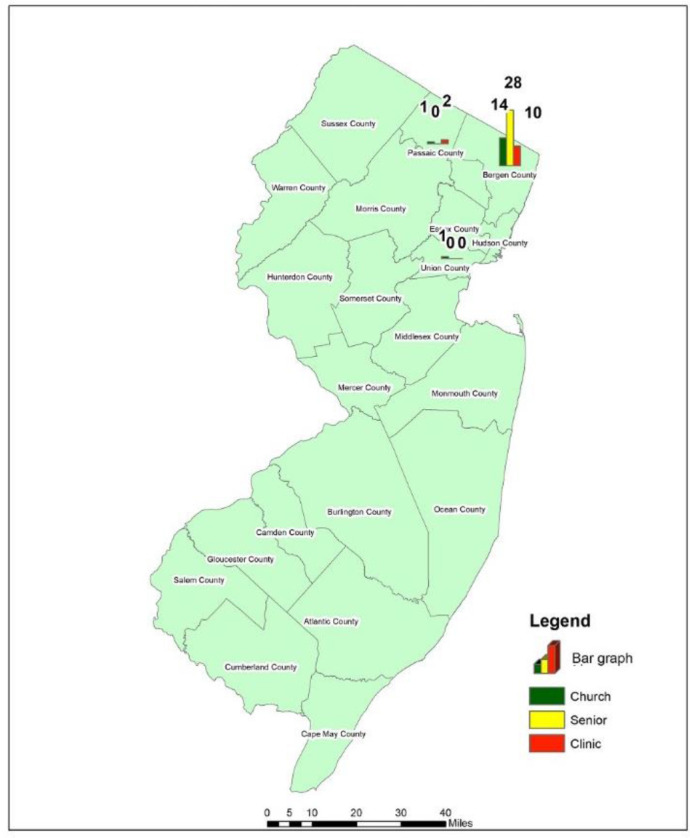
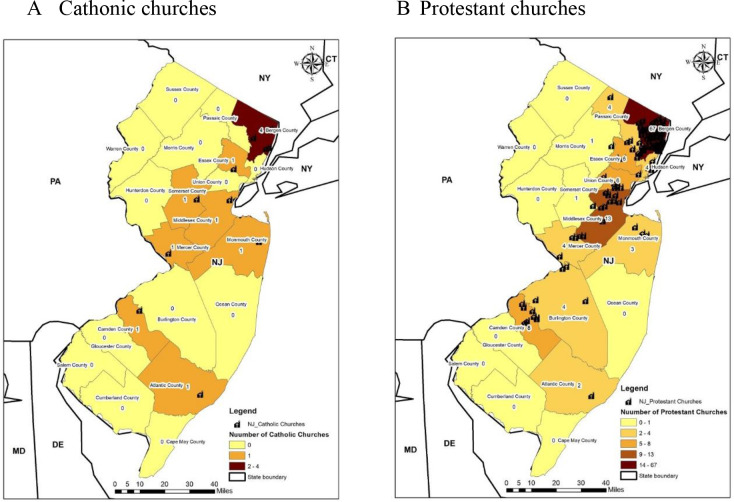
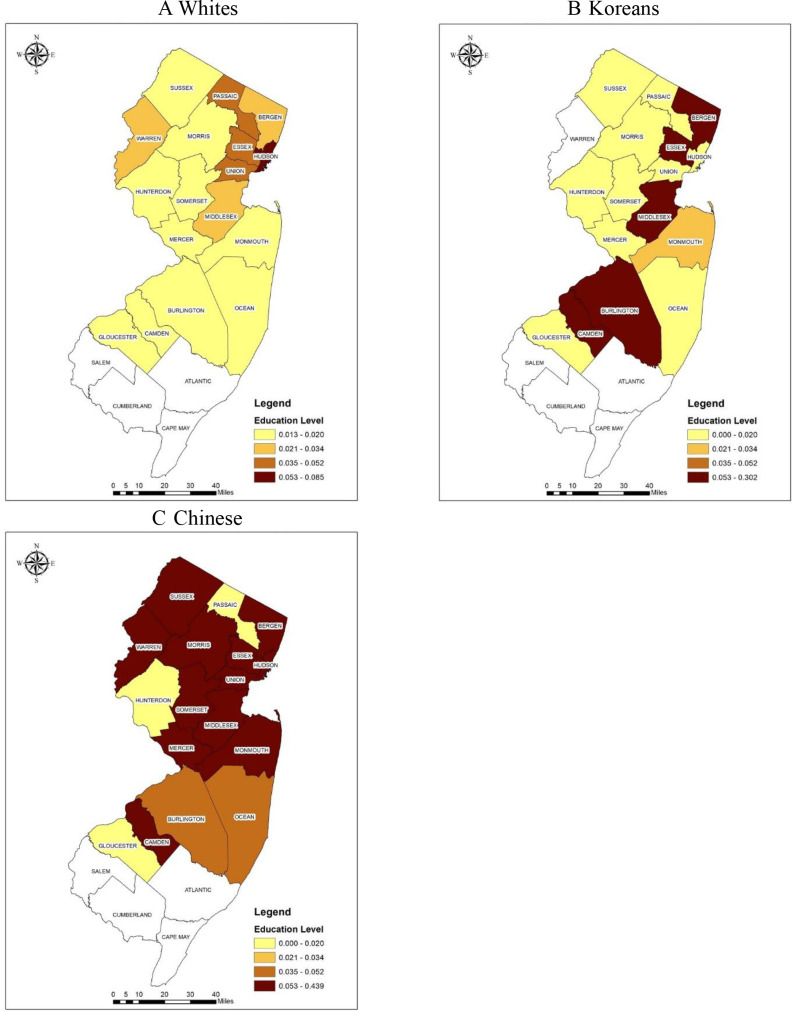
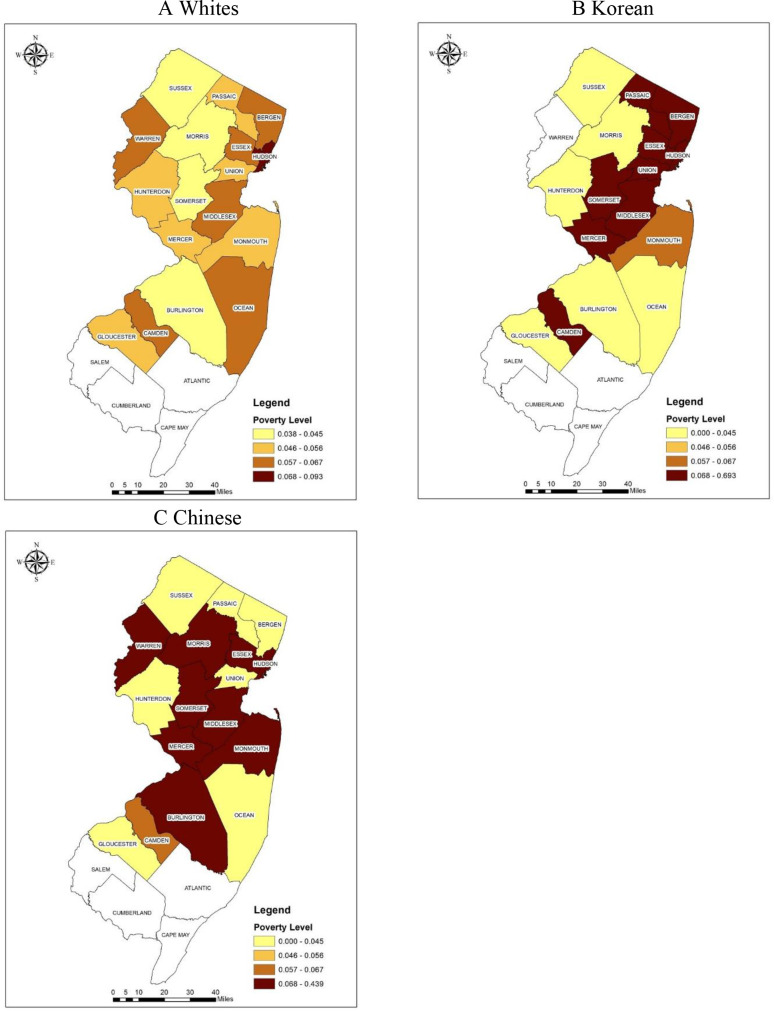
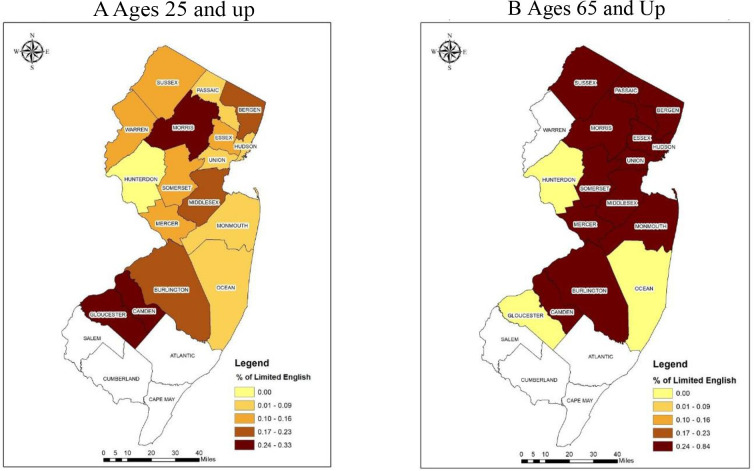
To promote clinical research participation of racial/ethnic minority older adults with and without dementia, we used GIS by collaborating with community members to delineate boundaries for geographical clusters and enclaves of church and senior networks, and KA serving ethnic clinics. In addition, we used socioeconomic data identified as recruitment factors unique to KA older adults which was analysed for developing recruitment strategies.
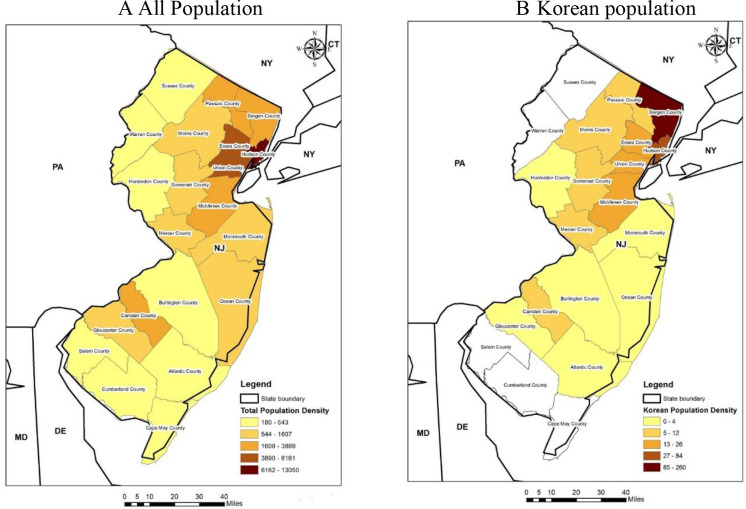
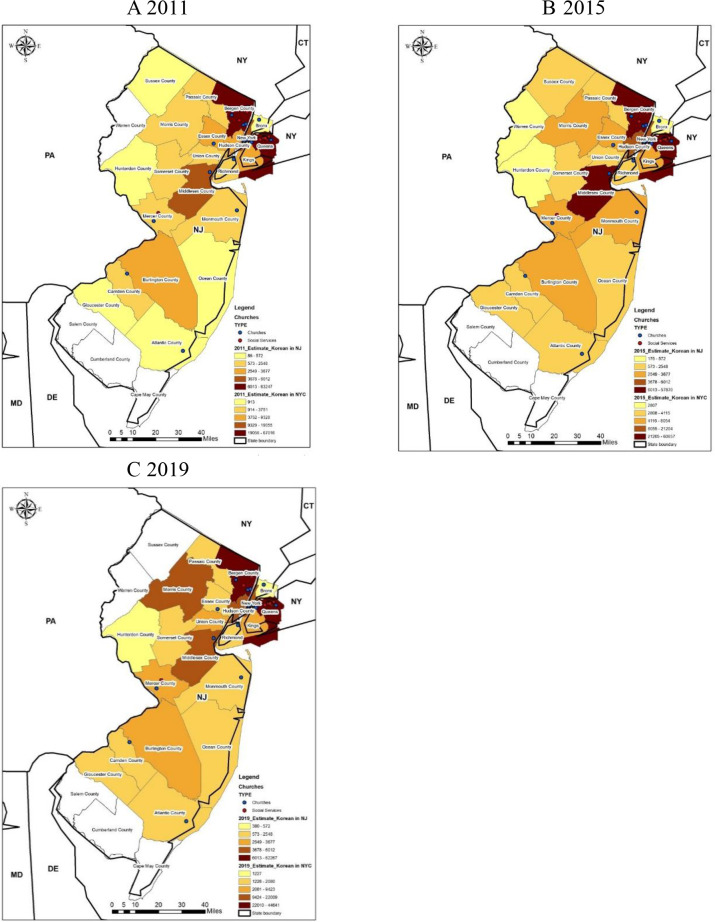
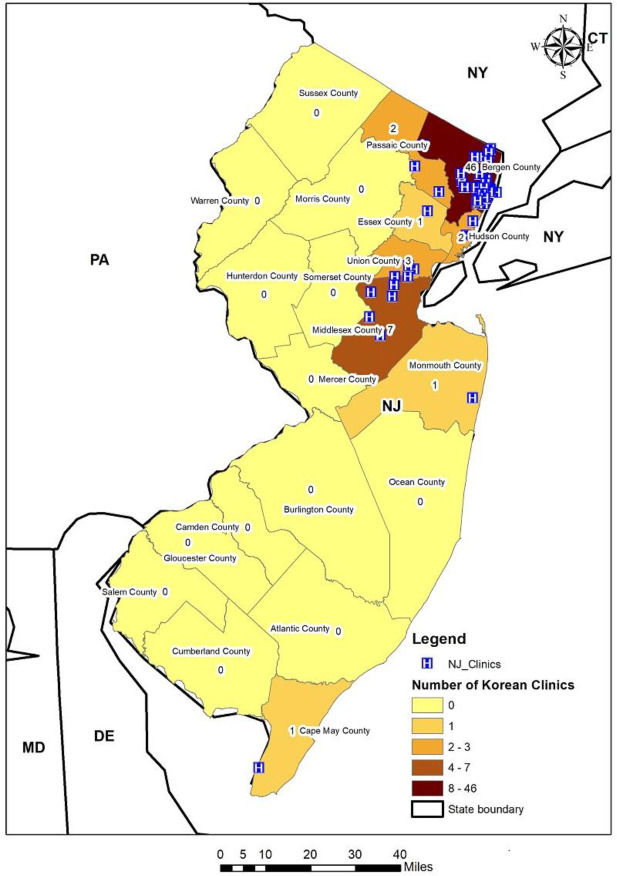
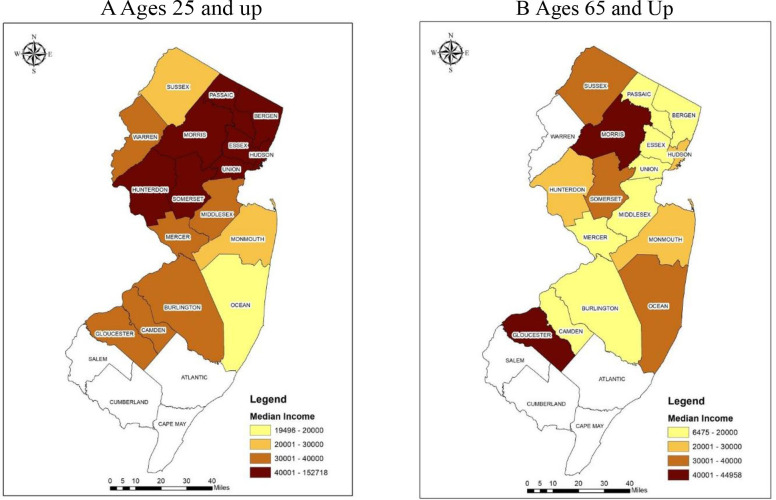
GIS maps show a visualisation of the heterogeneity of the sociodemographic characteristics and the resources of faith-based organisations and KA serving local clinics. We addressed these factors that disproportionately affect participation in clinical research and successfully recruited the intended participants (N=60) in the proposed period.
Using GIS maps to locate KA provided innovative inroads to successful research outreach efforts for a pilot study that may be expanded to other underserved populations across the USA in the future. We will use this tool subsequently on a large-scale clinical genetic epidemiology study.
This approach responds to the call from the National Institute on Aging to develop strategies to improve the health status of older adults in diverse populations. Our study will offer a practical guidance to health researchers and policymakers in identifying understudied and hard-to-reach specific Asian American populations for clinical studies or initiatives. This would further contribute in reducing the health and research disparity gaps among older minority populations.
本研究旨在展示将基于社区的地理信息系统(GIS)纳入亚洲阿尔茨海默病队列(ACAD)研究参与者招募工作的有用性,以利用韩裔美国(KA)老年人亚组。ACAD 研究是美国和加拿大首次针对中国、韩国和越南老年人进行的大型研究,旨在解决亚洲裔美国人在临床研究中代表性不足的问题。
为了促进有或没有痴呆症的少数族裔老年人参与临床研究,我们与社区成员合作使用 GIS 来划定教会和老年人网络以及 KA 服务的族裔诊所的地理集群和飞地的边界。此外,我们使用了被确定为 KA 老年人独特的招募因素的社会经济数据,对其进行了分析,以制定招募策略。
GIS 地图显示了社会人口特征和基于信仰的组织以及 KA 服务当地诊所资源的异质性的可视化。我们解决了这些不成比例地影响临床研究参与的因素,并在预期时间内成功招募了预期的参与者(N=60)。
使用 GIS 地图定位 KA 为试点研究的成功研究外展工作提供了创新途径,未来可能会扩展到美国其他服务不足的人群。我们将在随后的大规模临床遗传流行病学研究中使用此工具。
这种方法响应了美国国家老龄化研究所的号召,即制定战略来改善不同人群中老年人的健康状况。我们的研究将为健康研究人员和政策制定者提供实用的指导,以确定临床研究或倡议中研究不足和难以接触的特定亚裔美国人群体。这将进一步有助于减少少数族裔老年人的健康和研究差距。