Division of Pediatric Neurosurgery, Department of Neurological Surgery, Lurie Children's Hospital, Northwestern University Feinberg School of Medicine, 225 E Chicago Ave, Box 28, Chicago, IL, 60611, USA.
Childs Nerv Syst. 2023 Nov;39(11):3083-3101. doi: 10.1007/s00381-023-06080-2. Epub 2023 Aug 8.
The transition from pediatric to adult care can be complex and difficult to navigate for adolescents with cerebral palsy (CP). We aimed to assess the current state of transitional care for young persons with CP and delineate guidelines for best practice with opportunities for intervention.
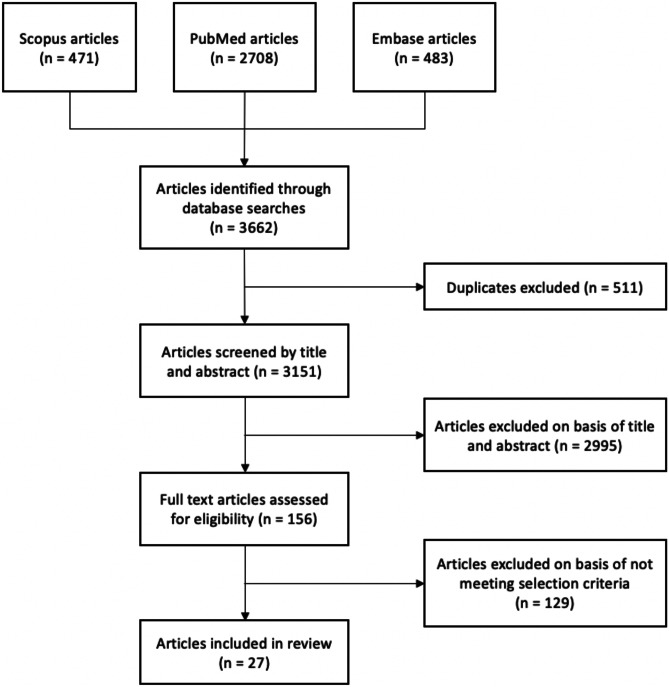
A systematic review was conducted using PRISMA guidelines to search PubMed, Embase, and Scopus databases. Articles were screened for relevance via title and abstract prior to full-text review.
Of 3151 resultant articles, 27 observational studies were included. Fourteen (52%) studies assessed clinical outcomes of patients with CP during and post-transition. Transition-associated poor outcomes included housing instability, unemployment, difficulty forming relationships, increased hospital admission rates, and decreased use of rehabilitation services. Factors associated with improved outcomes included family participation, promotion of self-efficacy, and meeting the adult team before transition. Nine (33%) studies conducted interviews with transition-age persons with CP. Key themes were a lack of transition preparedness, difficulty navigating the adult system, gaps in seamless care, and limited accessibility to specialists and environments suitable for patients with complex care needs. Four (15%) studies examined features of current transition services. Perceived barriers included poor communication within health service teams, limited adult providers accepting CP patients, and the lack of financial resources for specialized care. There was no standardized transition tool or approach.
These findings underscore the importance of a planned transition process in optimizing long-term medical and psychosocial outcomes for persons with CP. Further research, including translational, team-based, and community-engaged research, are needed.
对于脑瘫(CP)青少年来说,从儿科护理过渡到成人护理可能是复杂且难以应对的。我们旨在评估 CP 青少年过渡性护理的现状,并制定最佳实践指南,为干预提供机会。
采用 PRISMA 指南进行系统综述,检索 PubMed、Embase 和 Scopus 数据库。通过标题和摘要筛选文章,然后进行全文审查。
在 3151 篇相关文章中,纳入了 27 项观察性研究。其中 14 项(52%)研究评估了 CP 患者在过渡期间和之后的临床结果。与过渡相关的不良结果包括住房不稳定、失业、难以建立关系、住院率增加以及康复服务使用减少。与改善结果相关的因素包括家庭参与、促进自我效能感以及在过渡前与成人团队会面。9 项(33%)研究对即将过渡的 CP 青少年进行了访谈。主要主题包括过渡准备不足、难以适应成人系统、无缝护理存在差距以及获得专科医生和适合有复杂护理需求的患者的环境的机会有限。4 项(15%)研究检查了当前过渡服务的特征。感知到的障碍包括医疗服务团队内部沟通不畅、接受 CP 患者的成人提供者有限以及缺乏专门护理的资金资源。没有标准化的过渡工具或方法。
这些发现强调了有计划的过渡过程对于优化 CP 患者长期医疗和心理社会结果的重要性。需要进一步开展研究,包括转化研究、团队研究和社区参与研究。