Department of Neurology, Massachusetts General Hospital/Harvard Medical School, 114 16Th Street, Charlestown, MA, 02129, USA.
Harvard Medical School, Boston, MA, USA.
Mol Neurodegener. 2023 Aug 8;18(1):53. doi: 10.1186/s13024-023-00643-2.
The prion-like propagation of tau in neurodegenerative disorders implies that misfolded pathological tau can recruit the normal protein and template its aggregation. Here, we report the methods for the development of sensitive biosensor cell lines for the detection of tau seeding activity.
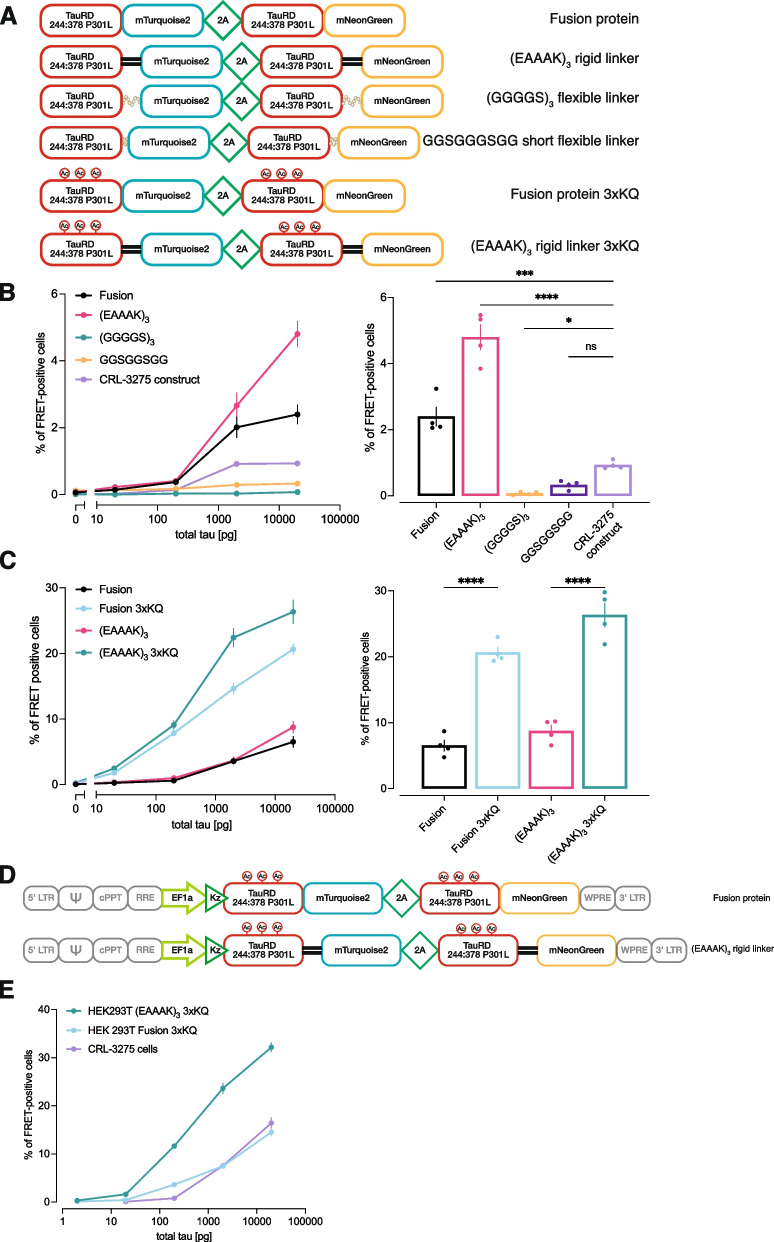
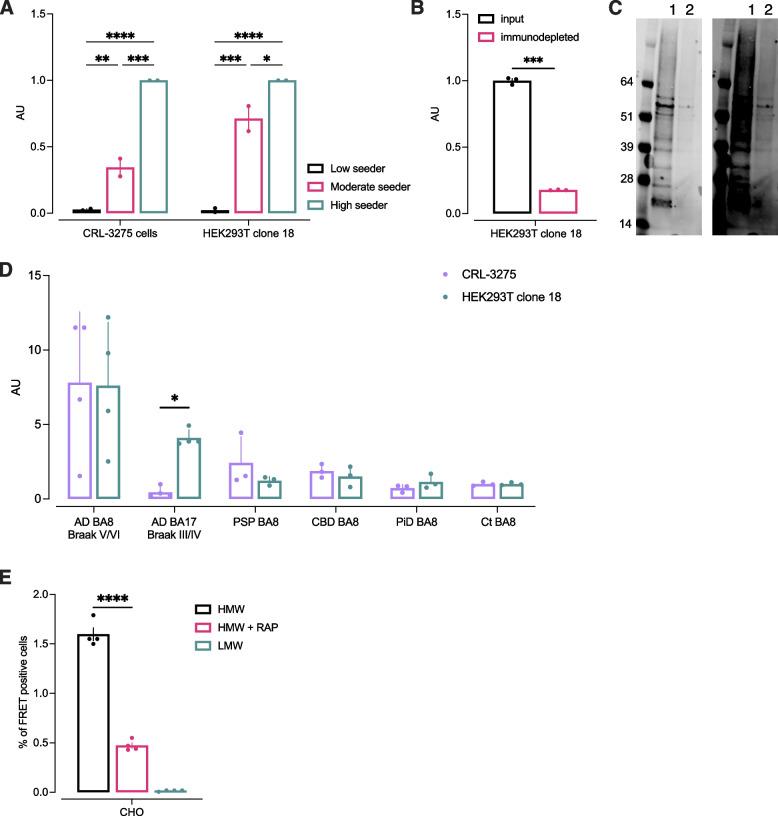
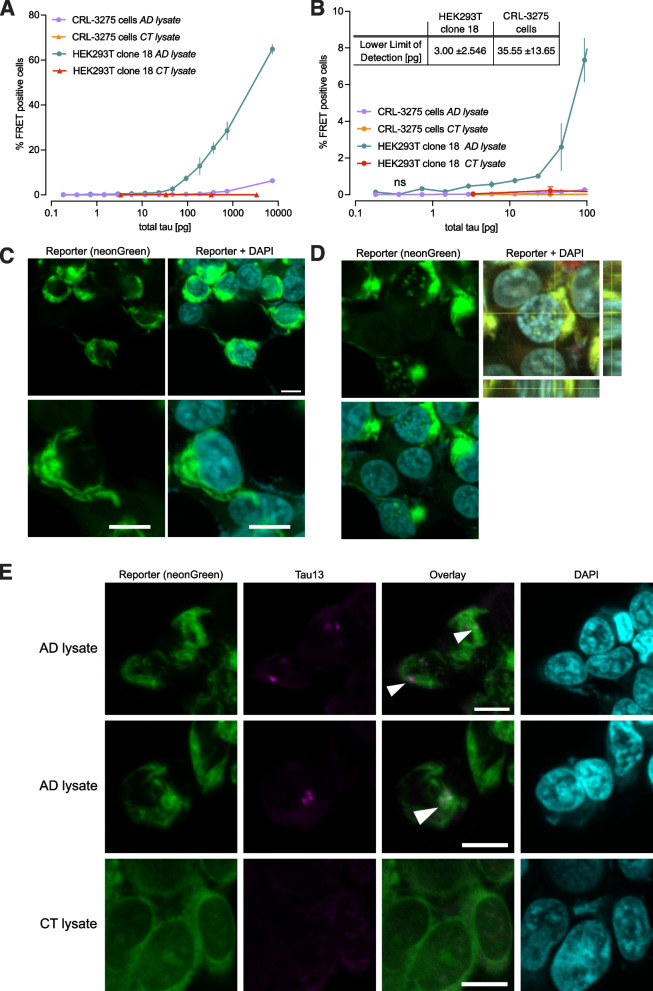
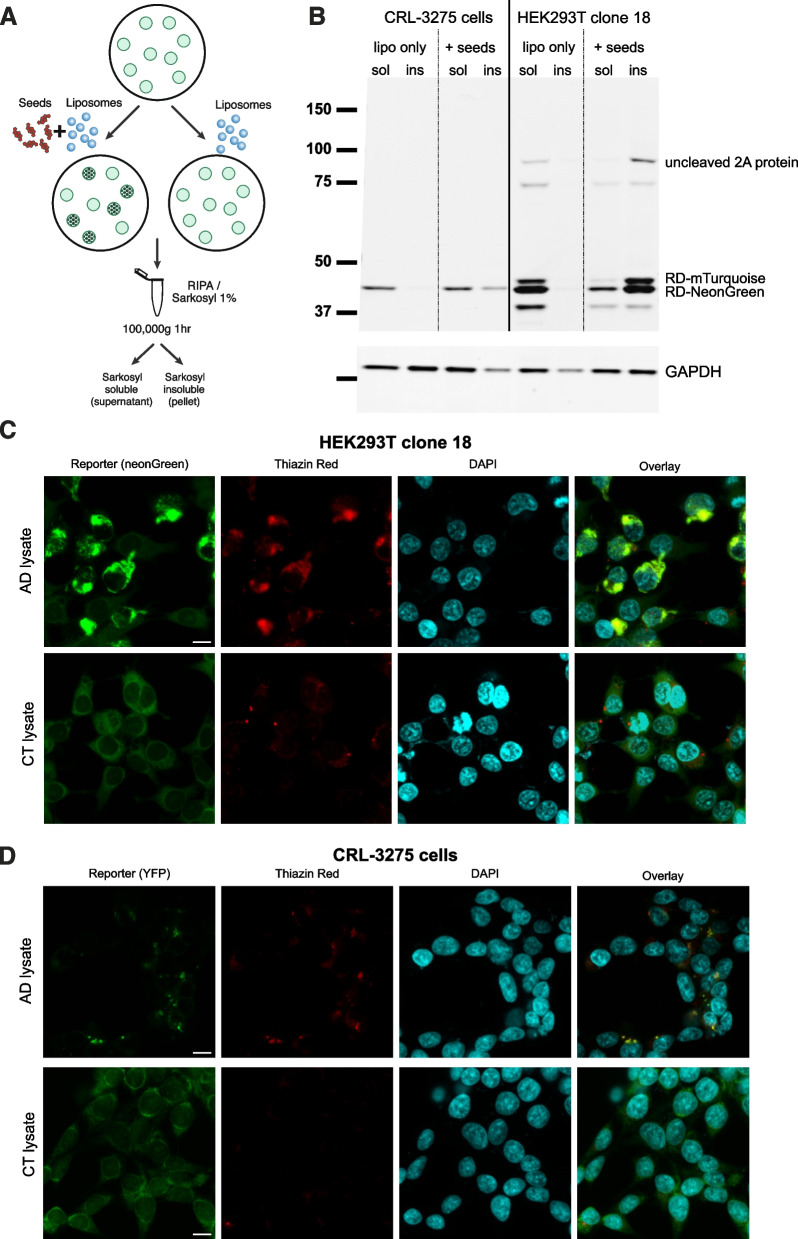
We performed the rational design of novel tau probes based on the current structural knowledge of pathological tau aggregates in Alzheimer's disease. We generated Förster resonance energy transfer (FRET)-based biosensor stable cell lines and characterized their sensitivity, specificity, and overall ability to detect bioactive tau in human samples. As compared to the reference biosensor line, the optimized probe design resulted in an increased efficiency in the detection of tau seeding. The increased sensitivity allowed for the detection of lower amount of tau seeding competency in human brain samples, while preserving specificity for tau seeds found in Alzheimer's disease.
This next generation of FRET-based biosensor cells is a novel tool to study tau seeding activity in Alzheimer's disease human samples, especially in samples with low levels of seeding activity, which may help studying early tau-related pathological events.
在神经退行性疾病中,tau 的类朊病毒传播意味着错误折叠的病理性 tau 可以招募正常蛋白并模板其聚集。在这里,我们报告了用于检测 tau 引发活性的敏感生物传感器细胞系的开发方法。
我们根据阿尔茨海默病中病理性 tau 聚集的当前结构知识,对新型 tau 探针进行了合理设计。我们生成了基于荧光共振能量转移(FRET)的生物传感器稳定细胞系,并对其敏感性、特异性和整体检测人类样本中生物活性 tau 的能力进行了表征。与参考生物传感器线相比,优化后的探针设计提高了 tau 引发的检测效率。这种提高的灵敏度允许检测到人类脑组织样本中tau 引发能力的更低量,同时保持对在阿尔茨海默病中发现的 tau 种子的特异性。
这种基于 FRET 的下一代生物传感器细胞是研究阿尔茨海默病人类样本中 tau 引发活性的新工具,特别是在引发活性较低的样本中,这可能有助于研究早期与 tau 相关的病理事件。