Departments of Internal Medicine and Community Health Sciences, Max Rady College of Medicine, Rady Faculty of Health Sciences, University of Manitoba, Winnipeg, MB, Canada.
Queen Square Multiple Sclerosis Centre, Department of Neuroinflammation, UCL Queen Square Institute of Neurology, Faculty of Brain Sciences, University College London, London, UK/National Institute for Health Research, University College London Hospitals, Biomedical Research Centre, London, UK/Medical Research Council Clinical Trials Unit at UCL, Institute of Clinical Trials and Methodology, University College London, London, UK.
Mult Scler. 2023 Aug;29(9):1174-1185. doi: 10.1177/13524585231189677.
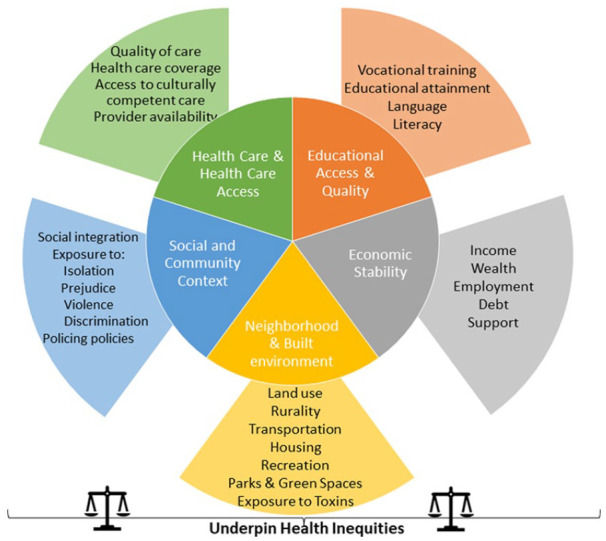
Demographic characteristics, social determinants of health (SDoH), health inequities, and health disparities substantially influence the general and disease-specific health outcomes of people with multiple sclerosis (MS). Participants in clinical trials do not represent all people with MS treated in practice.
To provide recommendations for enhancing diversity and inclusion in clinical trials in MS.
We held an international workshop under the Auspices of the International Advisory Committee on Clinical Trials in MS (the "Committee") to develop recommendations regarding diversity and inclusivity of participants of clinical trials in MS. Workshop attendees included members of the Committee as well as external participants. External participants were selected based on expertise in trials, SDoH, health equity and regulatory science, and diversity with respect to gender, race, ethnicity, and geography.
Recommendations include use of diversity plans, community engagement and education, cultural competency training, biologically justified rather than templated eligibility criteria, adaptive designs that allow broadening of eligibility criteria over the course of a trial, and logistical and practical adjustments to reduce study participant burden. Investigators should report demographic and SDoH characteristics of participants.
These recommendations provide sponsors and investigators with methods of improving diversity and inclusivity of clinical trial populations in MS.
人口统计学特征、健康的社会决定因素(SDoH)、健康不公平和健康差异极大地影响了多发性硬化症(MS)患者的总体健康状况和疾病特异性健康状况。临床试验的参与者并不能代表所有在实践中接受 MS 治疗的患者。
为提高多发性硬化症临床试验中的多样性和包容性提供建议。
我们在国际多发性硬化症临床试验咨询委员会(“委员会”)的支持下举办了一次国际研讨会,以制定关于多发性硬化症临床试验参与者多样性和包容性的建议。研讨会的与会者包括委员会成员以及外部参与者。外部参与者是根据在试验、SDoH、健康公平和监管科学方面的专业知识以及在性别、种族、族裔和地理位置方面的多样性选择的。
建议包括使用多样性计划、社区参与和教育、文化能力培训、基于生物学的而非模板化的资格标准、允许在试验过程中扩大资格标准的适应性设计,以及减少研究参与者负担的后勤和实际调整。研究者应报告参与者的人口统计学特征和 SDoH 特征。
这些建议为赞助商和研究者提供了改善多发性硬化症临床试验人群多样性和包容性的方法。