Blomstrand Peter, Tesan Dario, Nylander Elisabeth Mueller, Ramstrand Nerrolyn
Department of Natural Sciences and Biomedicine, School of Health and Welfare, Jönköping University, Jönköping, Sweden.
Futurum Academy for Health and Care, Region Jönköping County, Jönköping, Sweden.
Eur Rev Aging Phys Act. 2023 Aug 9;20(1):15. doi: 10.1186/s11556-023-00325-4.
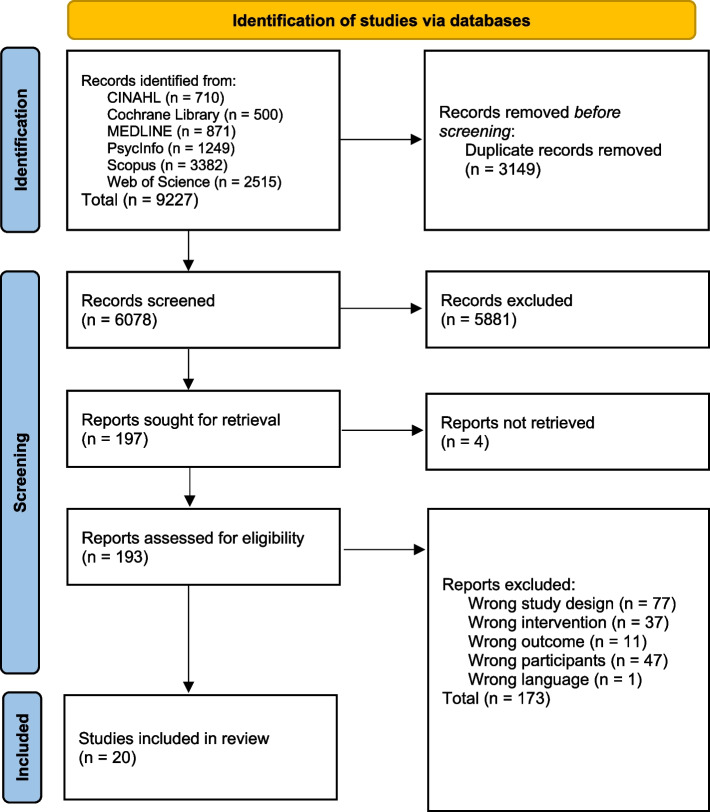
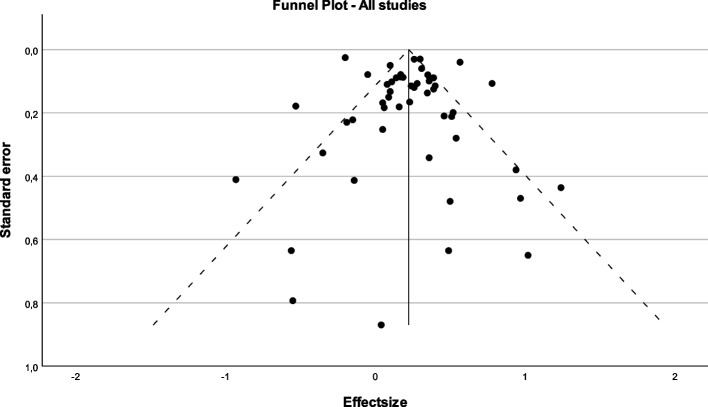
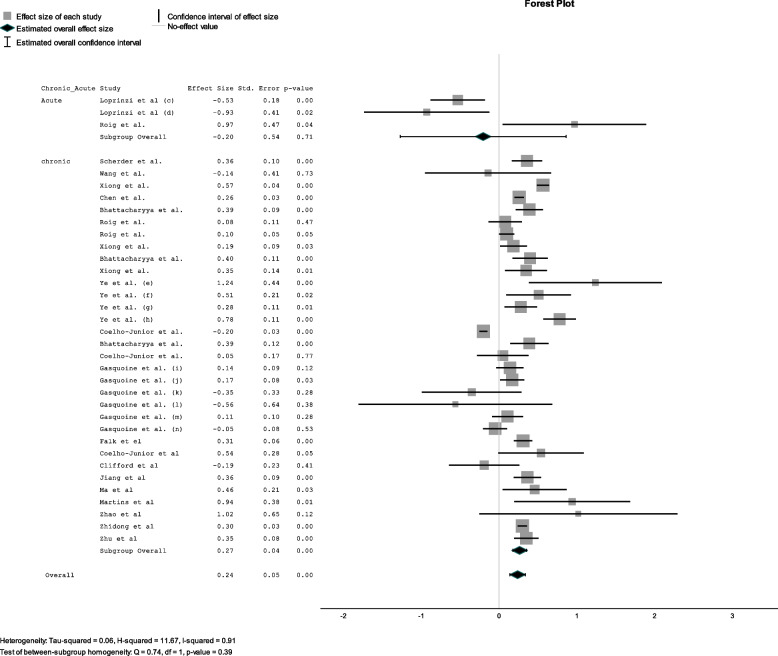
Exercise is often cited as a major factor contributing to improved cognitive functioning. As a result, the relationship between exercise and cognition has received much attention in scholarly literature. Systematic reviews and meta-analyses present varying and sometimes conflicting results about the extent to which exercise can influence cognition. The aim of this umbrella review was to summarize the effects of physical exercise on cognitive functions (global cognition, executive function, memory, attention, or processing speed) in healthy adults ≥ 55 years of age.Methods An umbrella review of systematic reviews with meta-analyses investigating the effect of exercise on cognition was performed. Databases (CINAHL, Cochrane Library, MEDLINE, PsycInfo, Scopus, and Web of Science) were searched from inception until June 2023 for reviews of randomized or non-randomised controlled trials. Full-text articles meeting the inclusion criteria were reviewed and methodological quality assessed. Overlap within included reviews was assessed using the corrected covered area method (CCA). A random effects model was used to calculate overall pooled effect size with sub-analyses for specific cognitive domains, exercise type and timing of exercise.Results Database searches identified 9227 reviews. A total of 20 met the inclusion criteria. They were based on 332 original primary studies. Overall quality of the reviews was considered moderate with most meeting 8 or more of the 16 AMSTAR 2 categories. Overall pooled effects indicated that exercise in general has a small positive effect on cognition (d = 0.22; SE = 0.04; p < 0.01). Mind-body exercise had the greatest effect with a pooled effect size of (d = 0.48; SE = 0.06; p < 0.001). Exercise had a moderate positive effect on global cognition (d = 0.43; SE = 0,11; p < 0,001) and a small positive effect on executive function, memory, attention, and processing speed. Chronic exercise was more effective than acute exercise. Variation across studies due to heterogeneity was considered very high.Conclusions Mind-body exercise has moderate positive effects on the cognitive function of people aged 55 or older. To promote healthy aging, mind-body exercise should be used over a prolonged period to complement other types of exercise. Results of this review should be used to inform the development of guidelines to promote healthy aging.Trial registration PROSPERO (CDR 42022312955).
运动常被认为是促进认知功能改善的主要因素。因此,运动与认知之间的关系在学术文献中备受关注。系统评价和荟萃分析对于运动能在多大程度上影响认知呈现出不同且有时相互矛盾的结果。本伞状综述的目的是总结体育锻炼对≥55岁健康成年人认知功能(整体认知、执行功能、记忆、注意力或处理速度)的影响。
对调查运动对认知影响的系统评价及荟萃分析进行伞状综述。检索数据库(CINAHL、Cochrane图书馆、MEDLINE、PsycInfo、Scopus和科学网),从建库至2023年6月,查找随机或非随机对照试验的综述。对符合纳入标准的全文进行评审,并评估方法学质量。使用校正覆盖面积法(CCA)评估纳入综述中的重叠情况。采用随机效应模型计算总体合并效应量,并针对特定认知领域、运动类型和运动时间进行亚组分析。
数据库检索到9227篇综述。共有20篇符合纳入标准。它们基于332项原始的主要研究。综述的总体质量被认为中等,大多数满足16项AMSTAR 2类别中的8项或更多。总体合并效应表明,一般而言运动对认知有小的积极影响(d = 0.22;标准误 = 0.04;p < 0.01)。身心运动的效果最大,合并效应量为(d = 0.48;标准误 = 0.06;p < 0.001)。运动对整体认知有中等程度的积极影响(d = 0.43;标准误 = 0.11;p < 0.001),对执行功能、记忆、注意力和处理速度有小的积极影响。长期运动比急性运动更有效。由于异质性导致的研究间差异被认为非常大。
身心运动对55岁及以上人群的认知功能有中等程度的积极影响。为促进健康老龄化,应长期进行身心运动以补充其他类型的运动。本综述结果应用于为促进健康老龄化的指南制定提供信息。
PROSPERO(CDR 42022312955)