Jensen Janni, Graumann Ole, Jensen Rune Overgaard, Gade Signe K K, Thielsen Maria Grabau, Most Winnie, Pietersen Pia Iben
Department of Radiology, Odense University Hospital, Odense, Denmark.
Research and Innovation Unit of Radiology, Department of Clinical Research, University of Southern Denmark, Odense, Denmark.
J Clin Imaging Sci. 2023 Jul 11;13:20. doi: 10.25259/JCIS_45_2023. eCollection 2023.
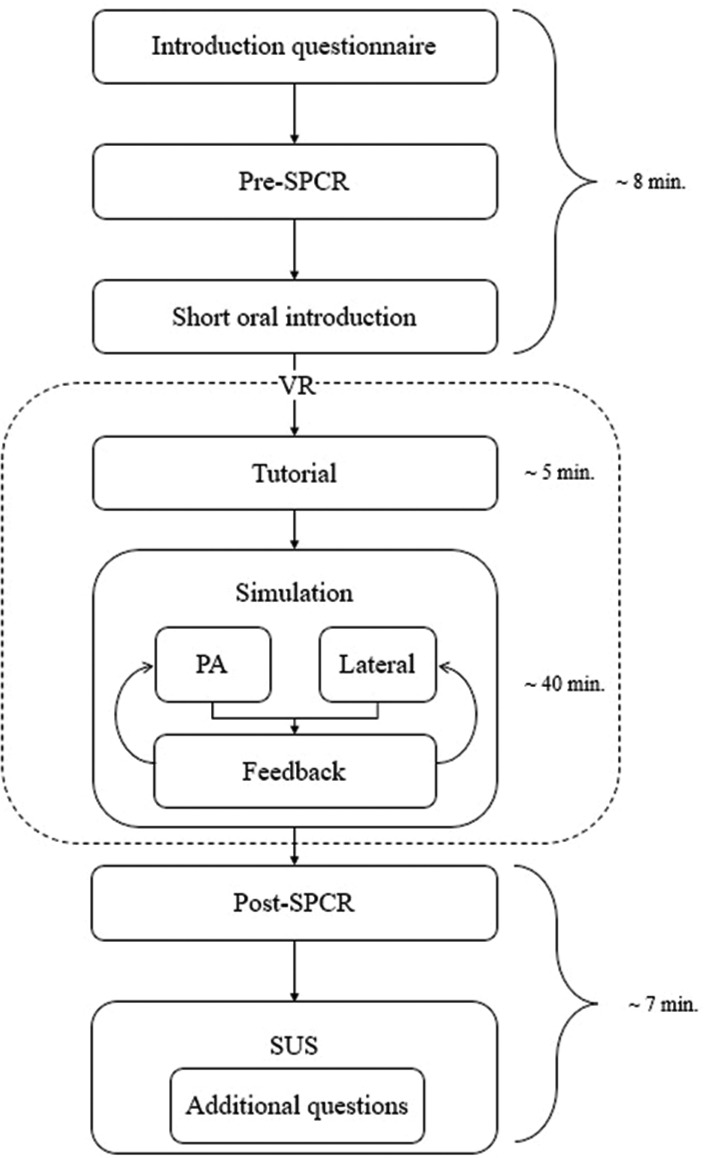
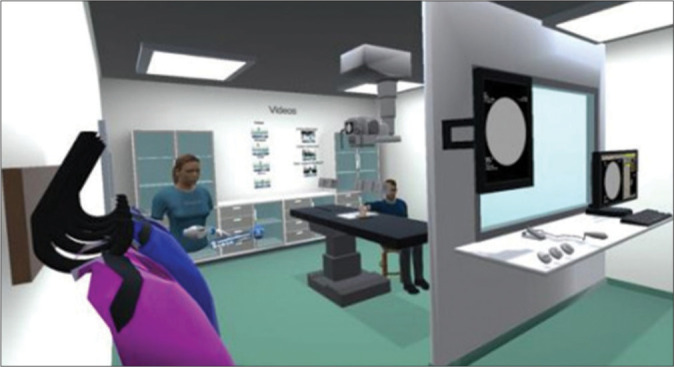
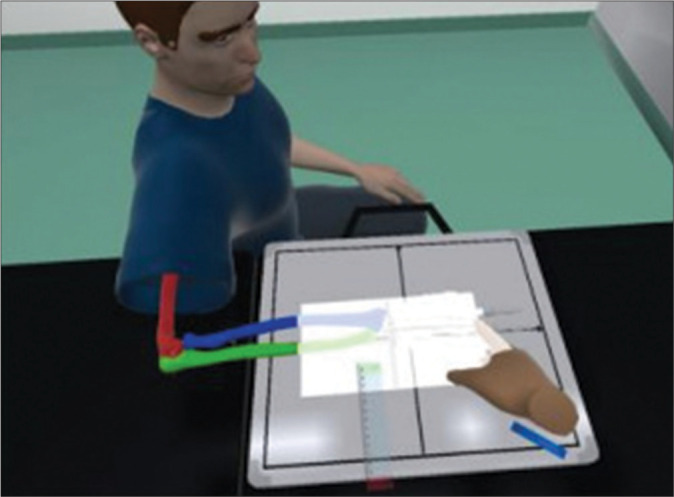
Using virtual reality (VR), students of radiography can practice acquisition and positioning of musculoskeletal radiographs and get immediate feedback on their performance within the simulator. The purpose of this study was to assess usability of a newly developed VR simulator and to explore self-perceived clinical readiness (SPCR) of radiography students before and after training acquisition of wrist radiographs in the VR simulator.
A prospective methodology was applied where the students ( = 10) estimated their own SPCR in regard to acquisition of wrist radiographs pre- and post-VR training. A questionnaire on usability, realism, and educational value of the simulator was answered post-VR training. Usability and SPCR scores were calculated. The student's paired -test was applied to explore the impact of VR training on SPCR.
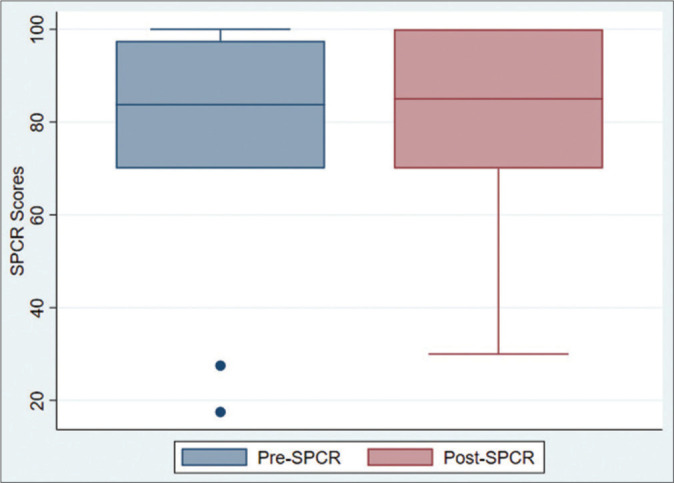
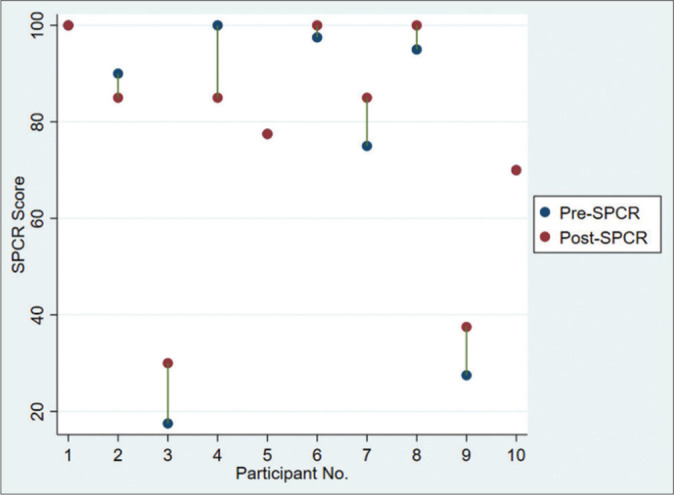
The students (90%) reported that the simulator was realistic and they thought that it could contribute to learning. The pre- and post-SPCR scores were 75 (95% confidence interval [CI]: 54-96) and 77 (95% CI: 59-95), respectively. There was no significant difference ( = 0.4574) between the pre- and post-SPCR scores.
Results indicated that the concept of training acquisition and positioning of wrist radiographs in a VR simulator is feasible with positive feedback from the students. The SPCR scores improved slightly, although not statistically significant, after completion of the training session.
利用虚拟现实(VR)技术,放射学专业的学生能够练习获取肌肉骨骼X光片并进行定位,同时在模拟器中即时获得关于其操作表现的反馈。本研究的目的是评估一款新开发的VR模拟器的可用性,并探究放射学专业学生在VR模拟器中进行腕部X光片采集训练前后的自我感知临床准备度(SPCR)。
采用前瞻性研究方法,让学生(n = 10)在VR训练前后评估自己在腕部X光片采集方面的SPCR。在VR训练后,学生们回答了一份关于模拟器的可用性、真实感和教育价值的问卷。计算可用性和SPCR得分。应用学生配对t检验来探究VR训练对SPCR的影响。
学生们(90%)报告称模拟器很逼真,并且他们认为它有助于学习。SPCR训练前和训练后的得分分别为75(95%置信区间[CI]:54 - 96)和77(95%CI:59 - 95)。SPCR训练前和训练后的得分之间没有显著差异(P = 0.4574)。
结果表明,在VR模拟器中进行腕部X光片采集和定位训练的概念是可行的,且得到了学生们的积极反馈。完成训练课程后,SPCR得分略有提高,尽管在统计学上不显著。