Lianou Daphne T, Michael Charalambia K, Solomakos Nikolaos, Vasileiou Natalia G C, Petinaki Efthymia, Mavrogianni Vasia S, Tzora Athina, Voidarou Chrysoula, Fthenakis George C
Veterinary Faculty, University of Thessaly, 43100 Karditsa, Greece.
Faculty of Animal Science, University of Thessaly, 41110 Larissa, Greece.
Foods. 2023 Jul 26;12(15):2836. doi: 10.3390/foods12152836.
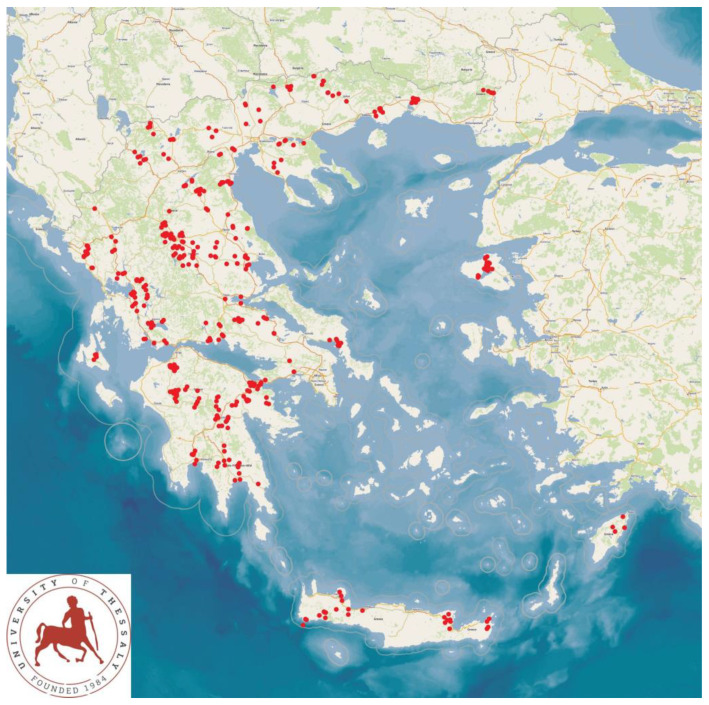
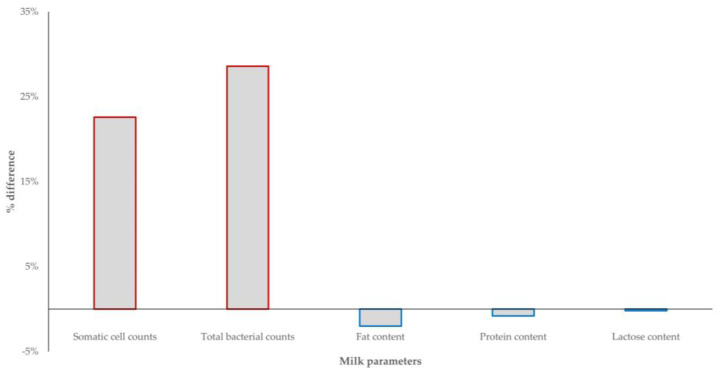
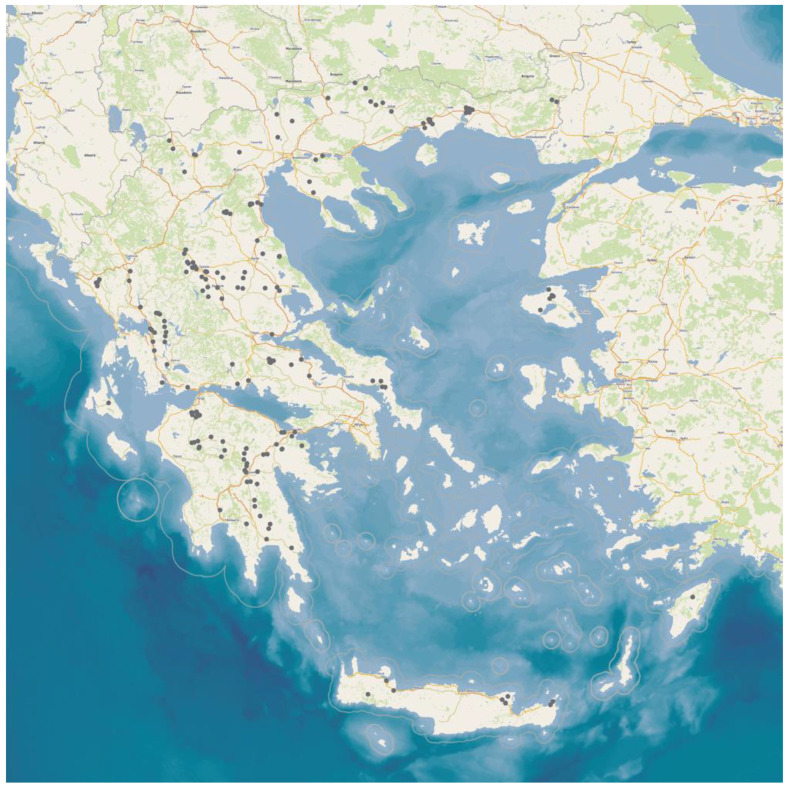
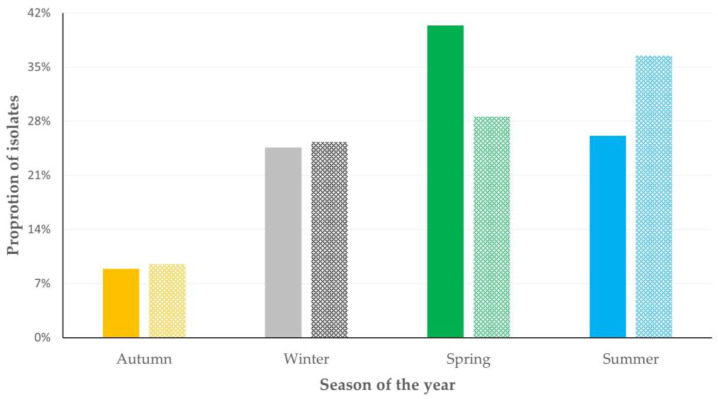
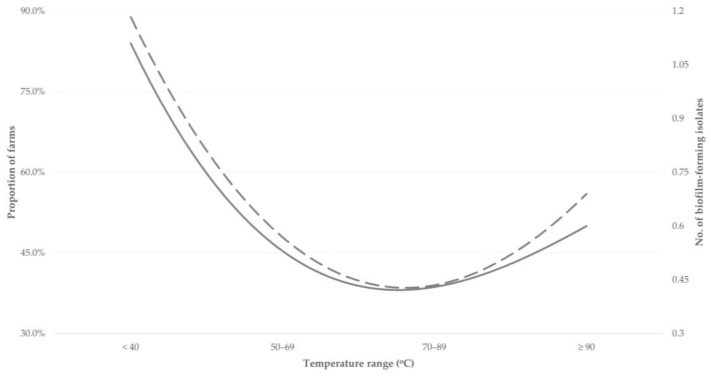
The objectives of this study were (i) to describe staphylococcal isolates recovered from bulk-tank raw milk collected from sheep and goat farms during a countrywide study performed in Greece, (ii) to study management factors potentially associated with their presence in bulk-tank milk and (iii) to provide evidence regarding their association with the quality of the milk. In total, 312 staphylococcal isolates, recovered from samples of bulk-tank raw milk from 444 small ruminant farms in Greece, were evaluated in this work. The in vitro formation of biofilm by the isolates was tested by combining the findings of (a) culture appearance on Congo Red agar plates and (b) results of a microplate adhesion test. The most frequently identified species was (75 isolates); other frequently recovered species were (44 isolates), (34 isolates) and (26 isolates); in total, 23 species were identified. In total, 224 (71.8%) isolates were biofilm-forming and were recovered from the bulk-tank milk samples of 148 sheep flocks (45.5%) and 55 goat herds (46.2%). There was evidence of seasonality in the isolation of staphylococci: during spring, mostly biofilm-forming isolates were recovered, whilst during summer, mostly non-biofilm-forming isolates were recovered. Among farms applying machine-milking, the proportion of farms from which biofilm-forming isolates were recovered was higher where water with temperature < 50 °C or ≥90 °C was used to clean the milking parlour. In the multivariable analyses, for farms applying machine-milking, the temperature of the water emerged as the only significant variable ( = 0.024), whilst in farms applying hand-milking, the only tendency that emerged was for the frequency of collection of milk from the farm tank ( = 0.08). In sheep flocks, recovery of biofilm-forming staphylococci from the bulk-tank milk was associated with higher somatic cell counts and higher total bacterial counts in the milk. The study identified abiotic factors related to the presence and isolation of these bacteria, specifically the temperature of water used for the cleaning of the milking parlour (in farms where machine-milking is applied) and the frequency of milk collection from the farm tank. These factors apply after the production of milk, and they could thus be regulated appropriately in order to reduce bacterial load and improve the quality of milk delivered to dairy plants. In sheep farms, an association was also seen between recovery of biofilm-forming staphylococci and high somatic cell counts in milk.
(i)描述在希腊全国性研究中从绵羊和山羊养殖场采集的散装罐原料乳中分离出的葡萄球菌;(ii)研究可能与它们在散装罐乳中存在相关的管理因素;(iii)提供关于它们与牛奶质量关联的证据。在这项工作中,对从希腊444个小型反刍动物养殖场的散装罐原料乳样品中分离出的312株葡萄球菌进行了评估。通过结合(a)刚果红琼脂平板上的培养外观和(b)微孔板粘附试验的结果,测试了分离株生物膜的体外形成情况。最常鉴定出的菌种是(75株);其他经常分离出的菌种是(44株)、(34株)和(26株);总共鉴定出23种菌种。总共224株(71.8%)分离株具有生物膜形成能力,它们分别从148个羊群(45.5%)和55个山羊群(46.2%)的散装罐乳样品中分离得到。葡萄球菌的分离存在季节性证据:春季主要分离出具有生物膜形成能力的分离株,而夏季主要分离出不具有生物膜形成能力的分离株。在采用机器挤奶的养殖场中,使用温度<50°C或≥90°C的水清洗挤奶厅的养殖场,分离出具有生物膜形成能力的分离株的比例更高。在多变量分析中,对于采用机器挤奶的养殖场,水的温度是唯一显著的变量(=0.024),而在采用手工挤奶的养殖场中,唯一出现的趋势是从农场储奶罐中收集牛奶的频率(=0.08)。在羊群中,从散装罐乳中分离出具有生物膜形成能力的葡萄球菌与牛奶中较高的体细胞计数和较高的总细菌计数相关。该研究确定了与这些细菌的存在和分离相关的非生物因素,特别是用于清洗挤奶厅的水的温度(在采用机器挤奶的养殖场中)以及从农场储奶罐中收集牛奶 的频率。这些因素在牛奶生产后起作用,因此可以进行适当调节,以减少细菌负荷并提高输送到乳制品厂的牛奶质量。在绵羊养殖场中,还发现从牛奶中分离出具有生物膜形成能力的葡萄球菌与高体细胞计数之间存在关联。