Institute of Cell Biophysics of the Russian Academy of Sciences, Federal Research Center "Pushchino Scientific Center for Biological Research of the Russian Academy of Sciences", 142290 Pushchino, Russia.
A.N. Belozersky Institute of Physico-Chemical Biology, Lomonosov Moscow State University, 119992 Moscow, Russia.
Int J Mol Sci. 2023 Jul 30;24(15):12217. doi: 10.3390/ijms241512217.
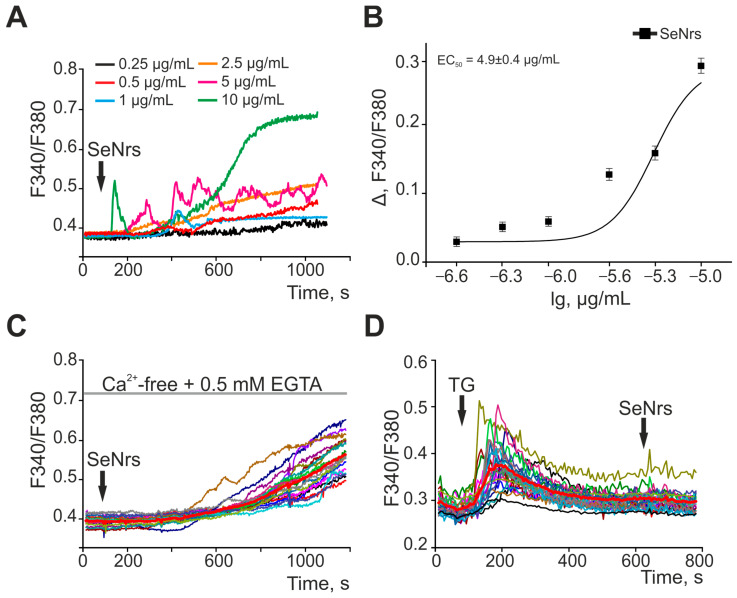
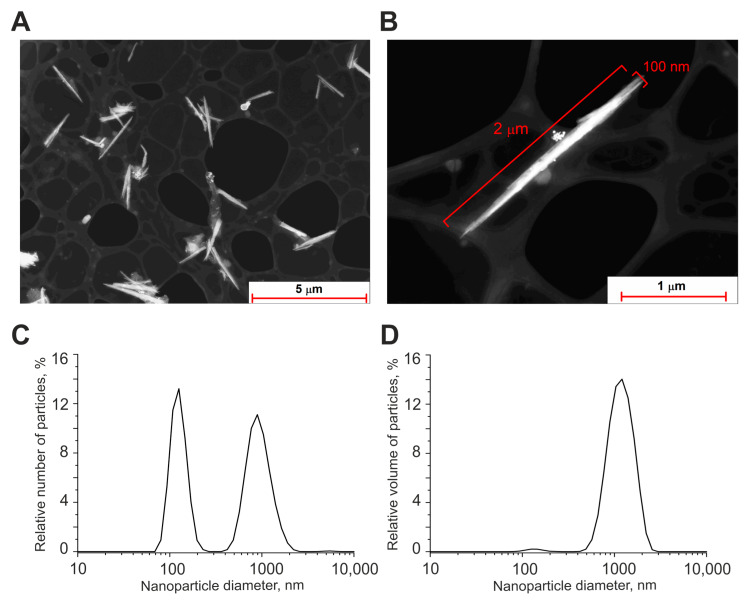
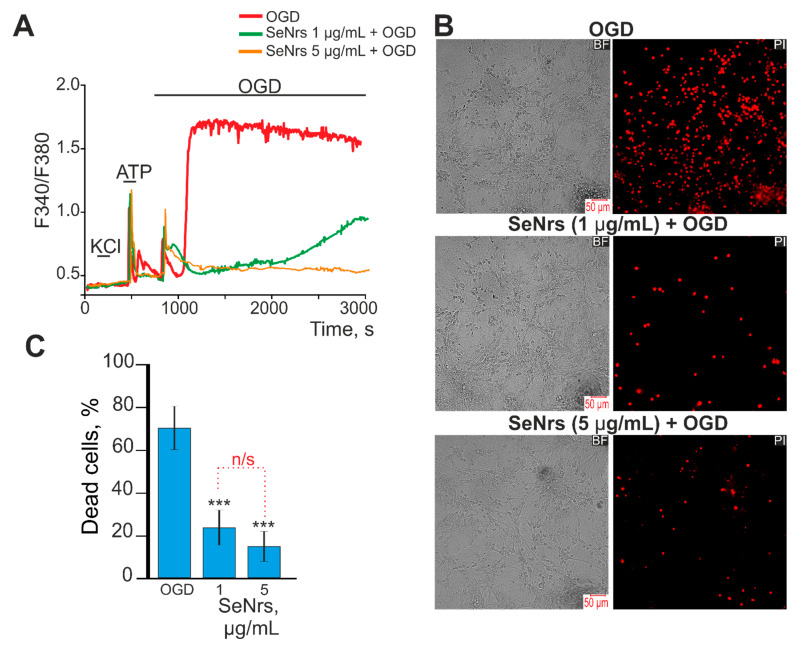
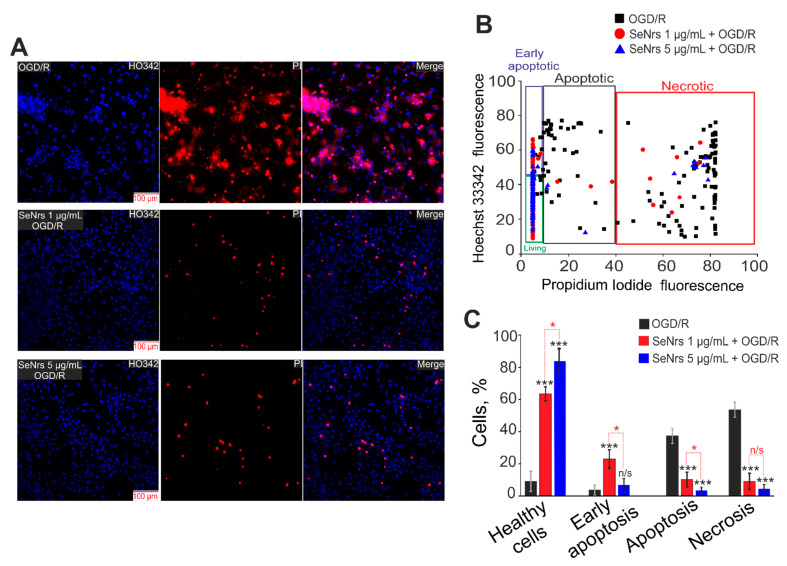
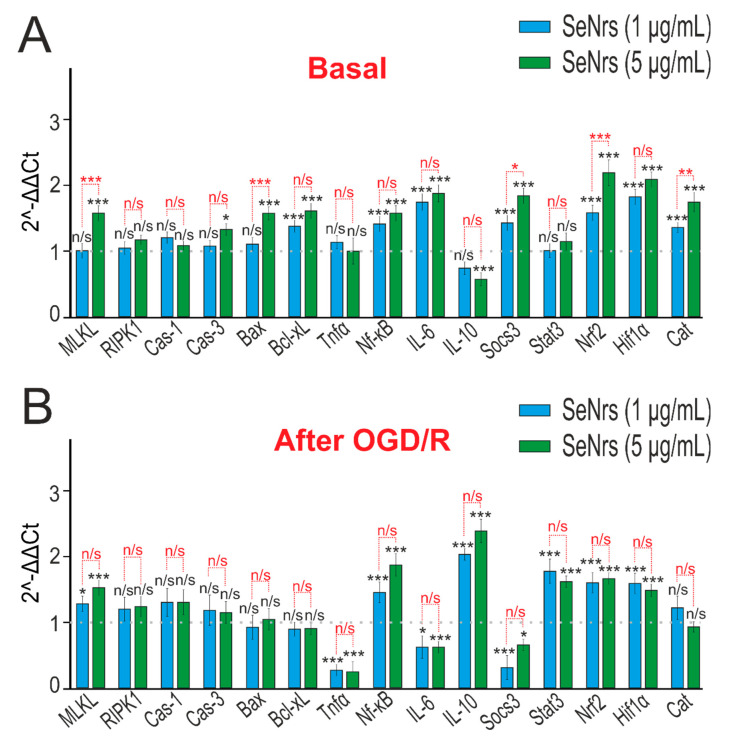
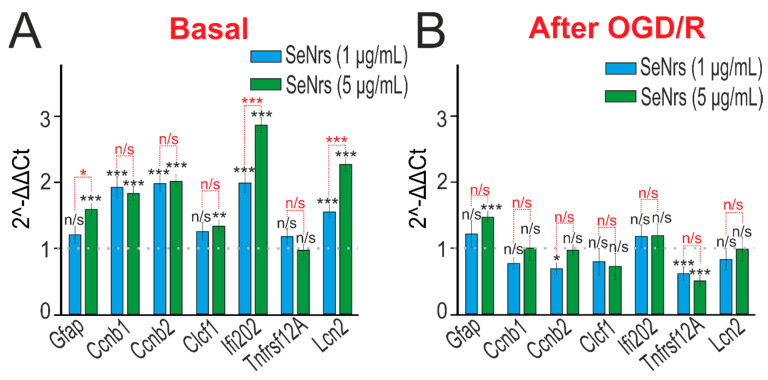
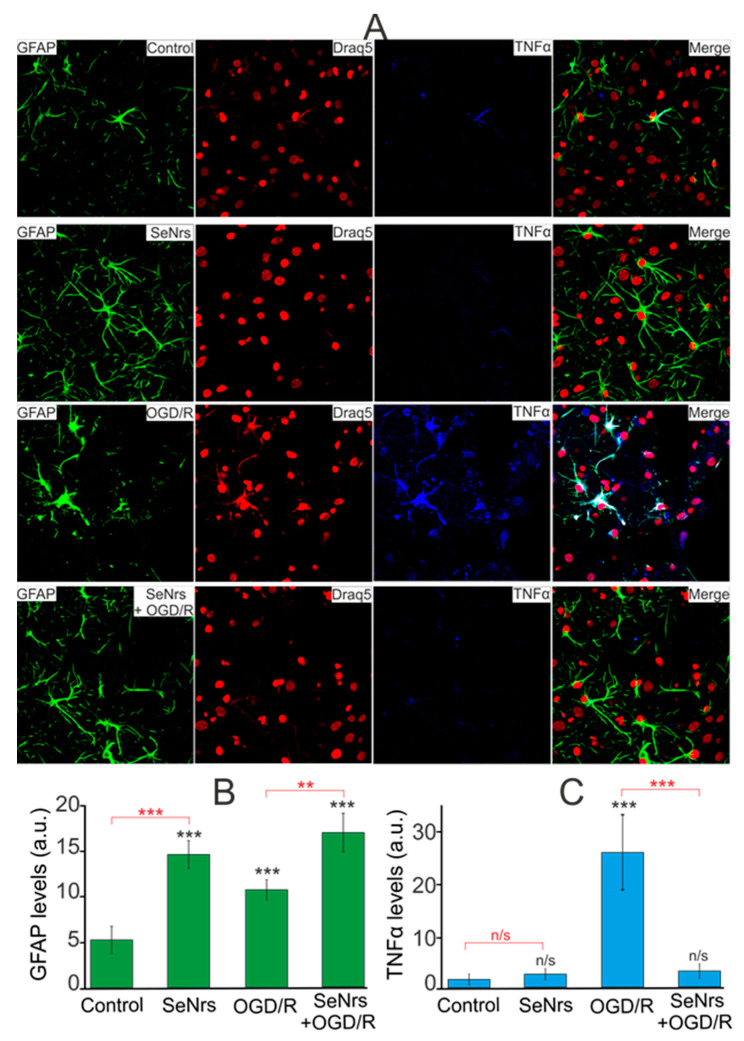
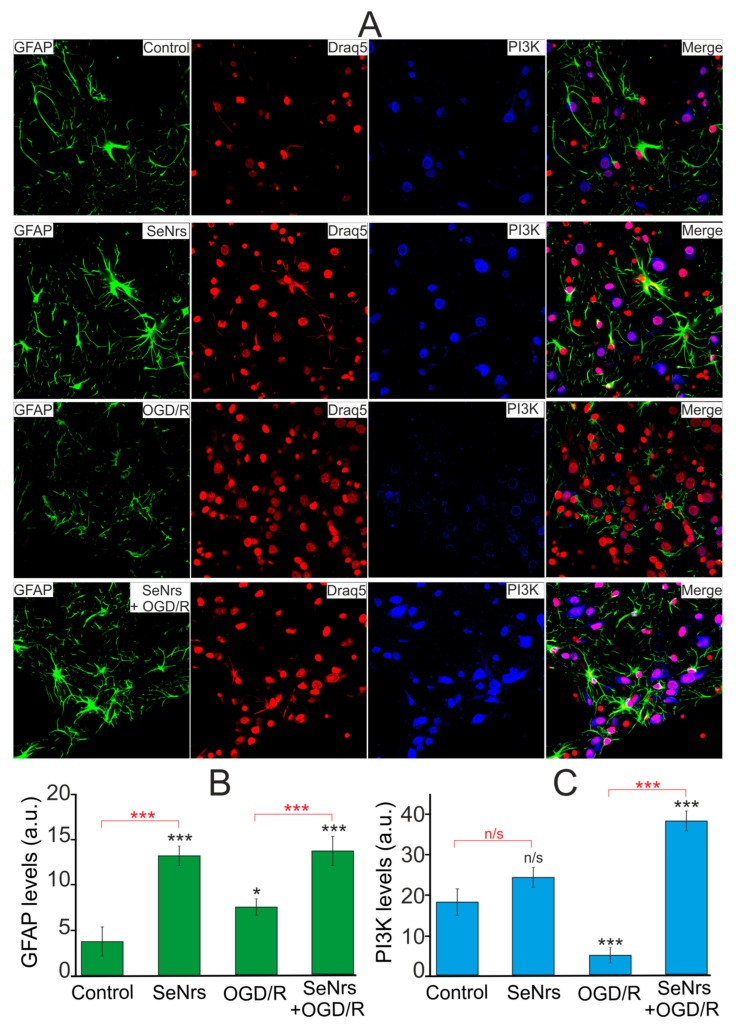
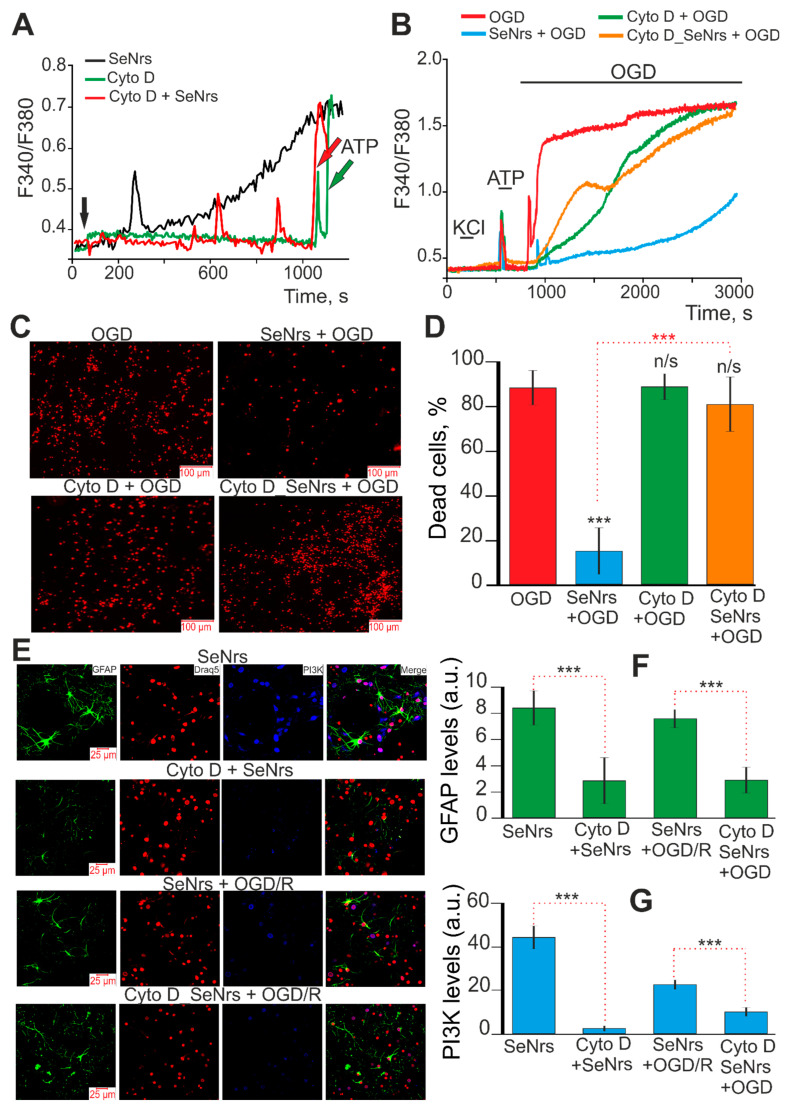
The cytoprotective properties of the trace element selenium, its nanoparticles, and selenium nanocomplexes with active compounds are shown using a number of models. To date, some molecular mechanisms of the protective effect of spherical selenium nanoparticles under the action of ischemia/reoxygenation on brain cells have been studied. Among other things, the dependence of the effectiveness of the neuroprotective properties of nanoselenium on its diameter, pathways, and efficiency of penetration into astrocytes was established. In general, most research in the field of nanomedicine is focused on the preparation and study of spherical nanoparticles of various origins due to the ease of their preparation; in addition, spherical nanoparticles have a large specific surface area. However, obtaining and studying the mechanisms of action of nanoparticles of a new form are of great interest since nanorods, having all the positive properties of spherical nanoparticles, will also have a number of advantages. Using the laser ablation method, we managed to obtain and characterize selenium nanorods (SeNrs) with a length of 1 μm and a diameter of 100 nm. Using fluorescence microscopy and inhibitory analysis, we were able to show that selenium nanorods cause the generation of Ca signals in cortical astrocytes in an acute experiment through the mobilization of Ca ions from the thapsigargin-sensitive pool of the endoplasmic reticulum. Chronic use of SeNrs leads to a change in the expression pattern of genes encoding proteins that regulate cell fate and protect astrocytes from ischemia-like conditions and reoxygenation through the inhibition of a global increase in the concentration of cytosolic calcium ([Ca]). An important component of the cytoprotective effect of SeNrs during ischemia/reoxygenation is the induction of reactive A2-type astrogliosis in astrocytes, leading to an increase in both baseline and ischemia/reoxygenation-induced phosphoinositide 3-kinase (PI3K) activity and suppression of necrosis and apoptosis. The key components of this cytoprotective action of SeNrs are the actin-dependent process of endocytosis of nanoparticles into cells and activation of the Ca signaling system of astrocytes.
微量元素硒及其纳米粒子和与活性化合物的硒纳米复合物具有细胞保护特性,这一点已通过多种模型得到证实。迄今为止,已经研究了在脑细胞缺血/再氧合作用下,球形硒纳米粒子的保护作用的一些分子机制。除此之外,还确定了纳米硒的神经保护特性的有效性取决于其直径、途径和进入星形胶质细胞的效率。总的来说,由于其制备简单,纳米医学领域的大多数研究都集中在各种来源的球形纳米粒子的制备和研究上;此外,球形纳米粒子具有较大的比表面积。然而,获得和研究新形态纳米粒子的作用机制具有很大的意义,因为纳米棒具有球形纳米粒子的所有积极特性,也将具有许多优势。我们使用激光烧蚀法成功获得并表征了长度为 1μm 且直径为 100nm 的硒纳米棒(SeNrs)。通过荧光显微镜和抑制分析,我们能够表明,硒纳米棒通过从内质网中 thapsigargin 敏感池中动员钙离子,在急性实验中引起皮质星形胶质细胞中 Ca 信号的产生。慢性使用 SeNrs 会导致通过抑制细胞质钙离子浓度的整体增加,改变编码调节细胞命运和保护星形胶质细胞免受类似缺血和再氧合条件的蛋白质的基因表达模式 ([Ca])。在缺血/再氧合过程中,SeNrs 的细胞保护作用的一个重要组成部分是诱导星形胶质细胞中反应性 A2 型星形胶质细胞增生,从而导致基础水平和缺血/再氧合诱导的磷酸肌醇 3-激酶 (PI3K) 活性增加,并抑制坏死和凋亡。SeNrs 这种细胞保护作用的关键组成部分是纳米粒子通过细胞内吞作用进入细胞的肌动蛋白依赖性过程和星形胶质细胞 Ca 信号系统的激活。