Varlamova Elena G, Goltyaev Michael V, Turovsky Egor A
Institute of Cell Biophysics of the Russian Academy of Sciences, Federal Research Center "Pushchino Scientific Center for Biological Research of the Russian Academy of Sciences", 142290 Pushchino, Russia.
Biology (Basel). 2022 May 25;11(6):811. doi: 10.3390/biology11060811.
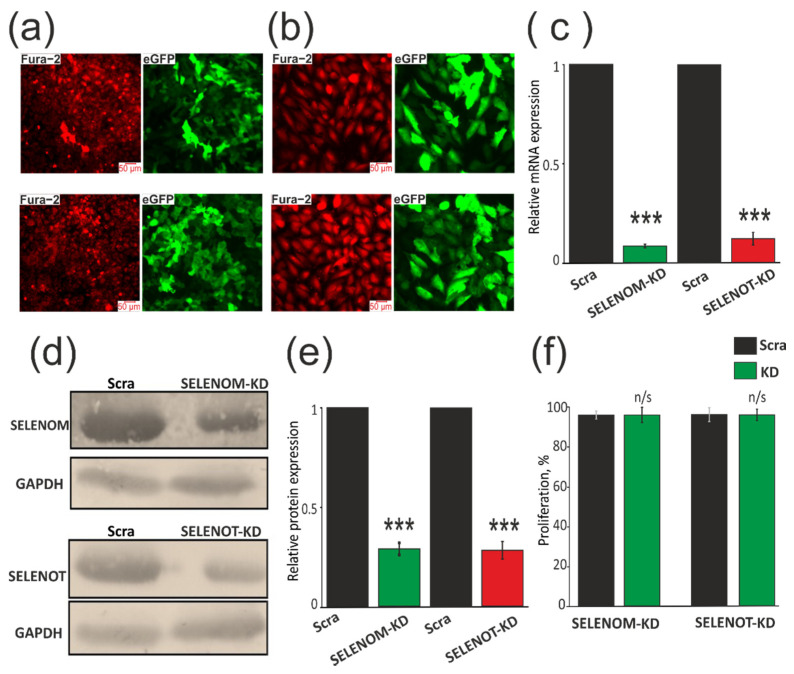
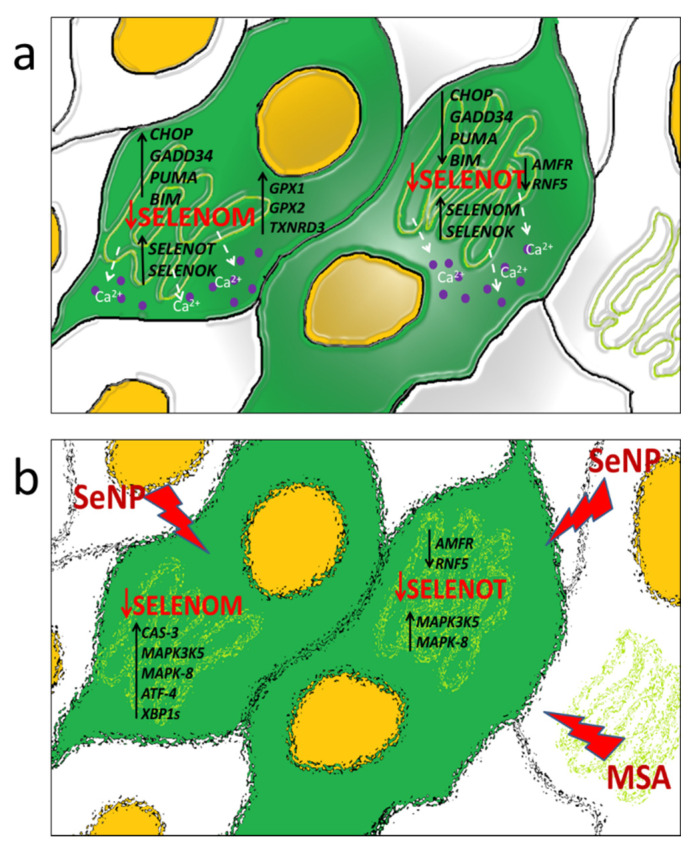
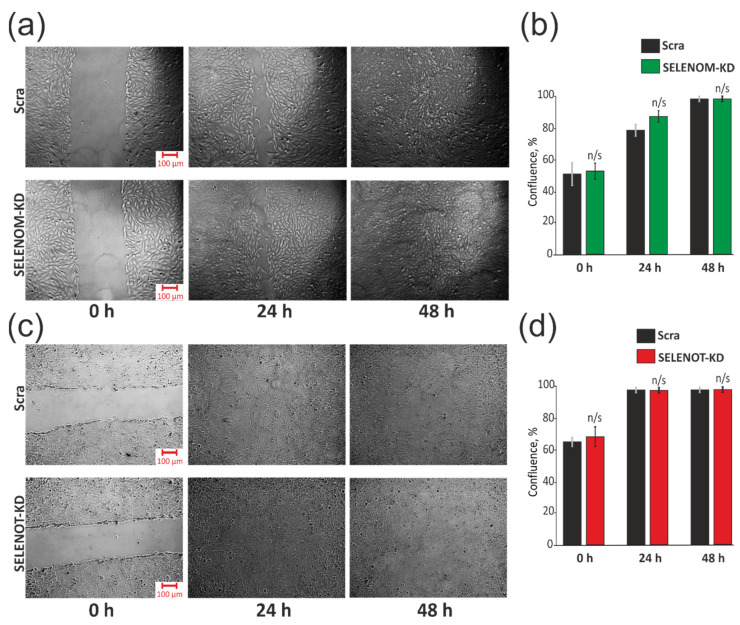
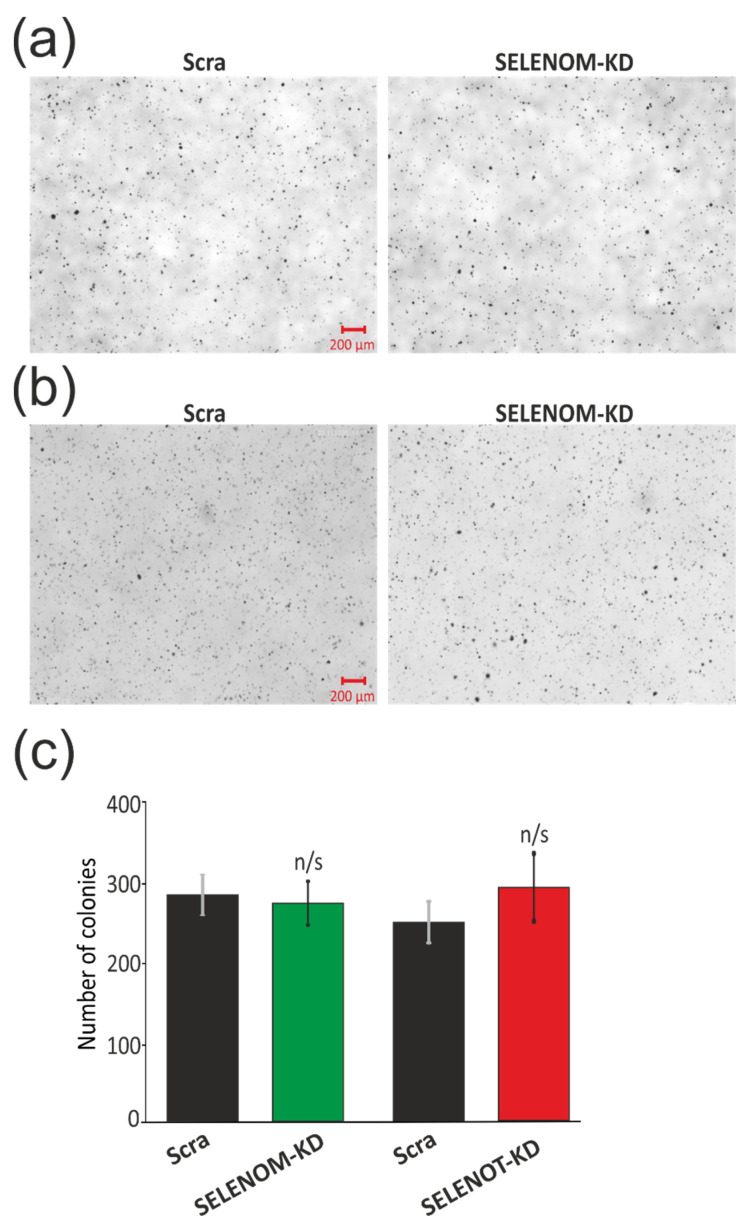
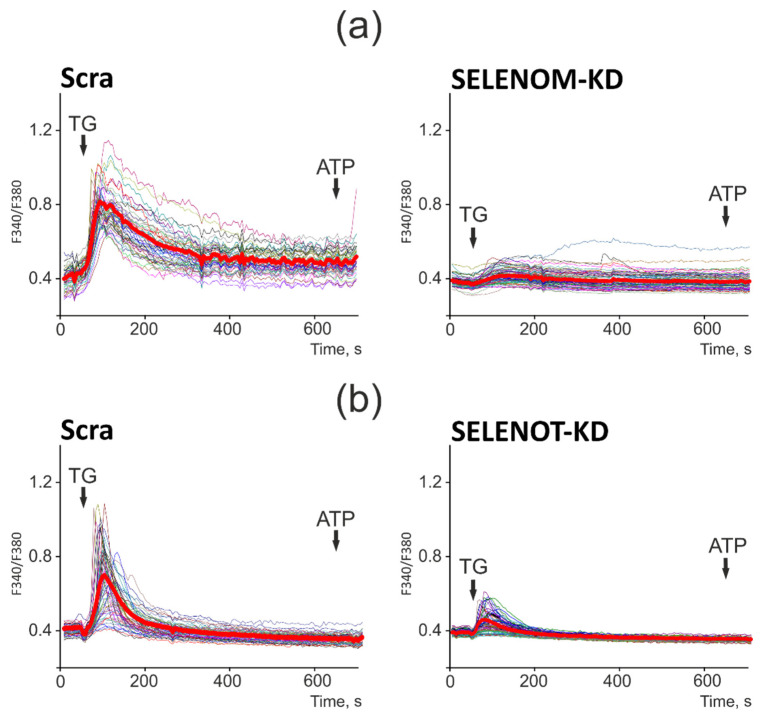
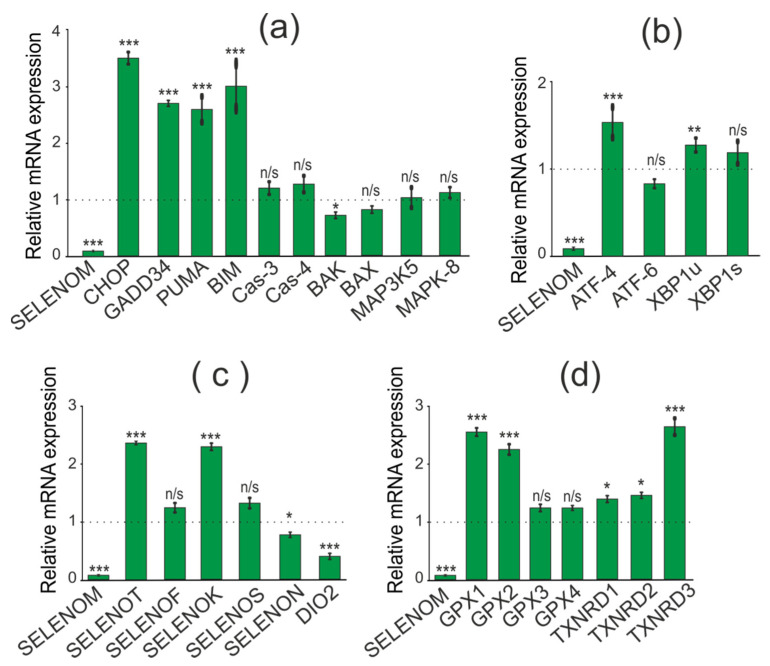
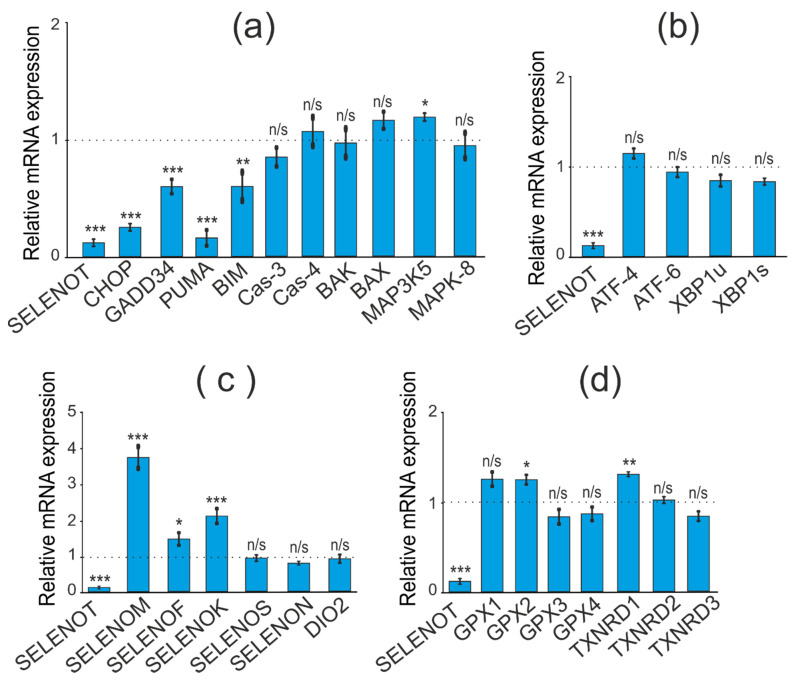
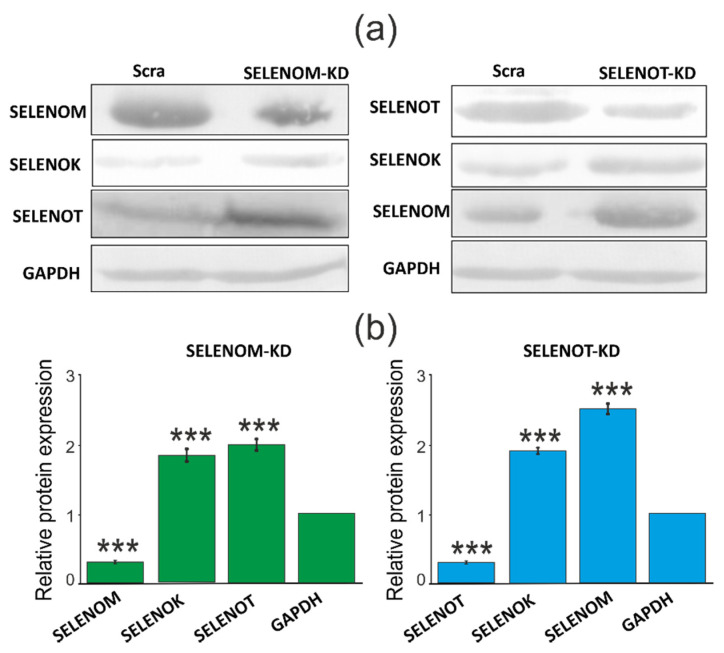
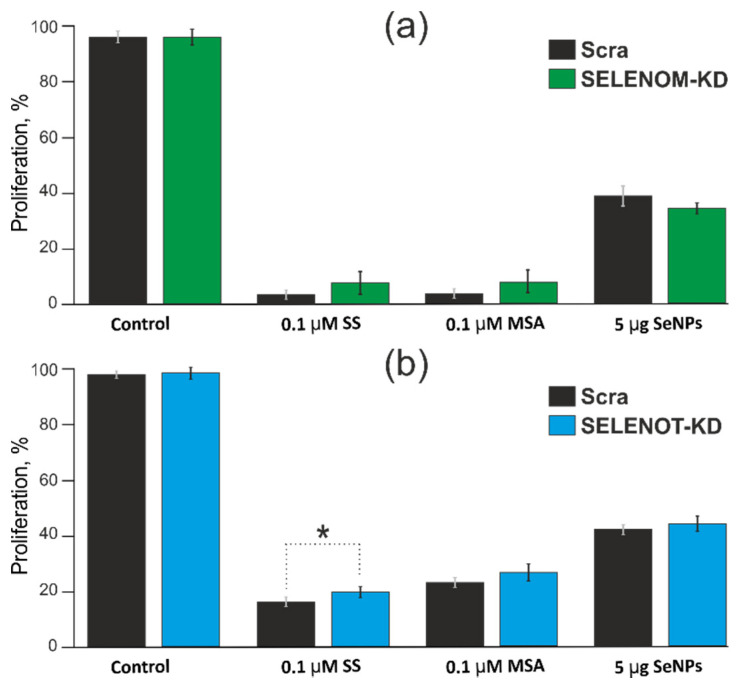
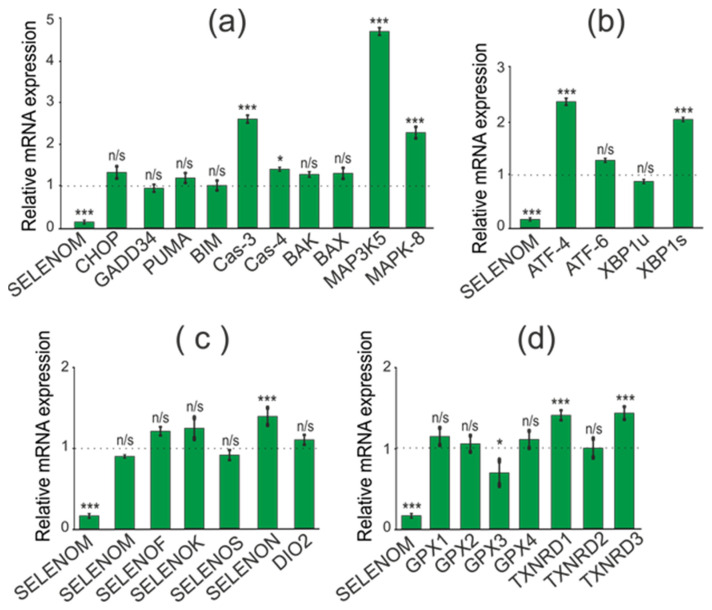
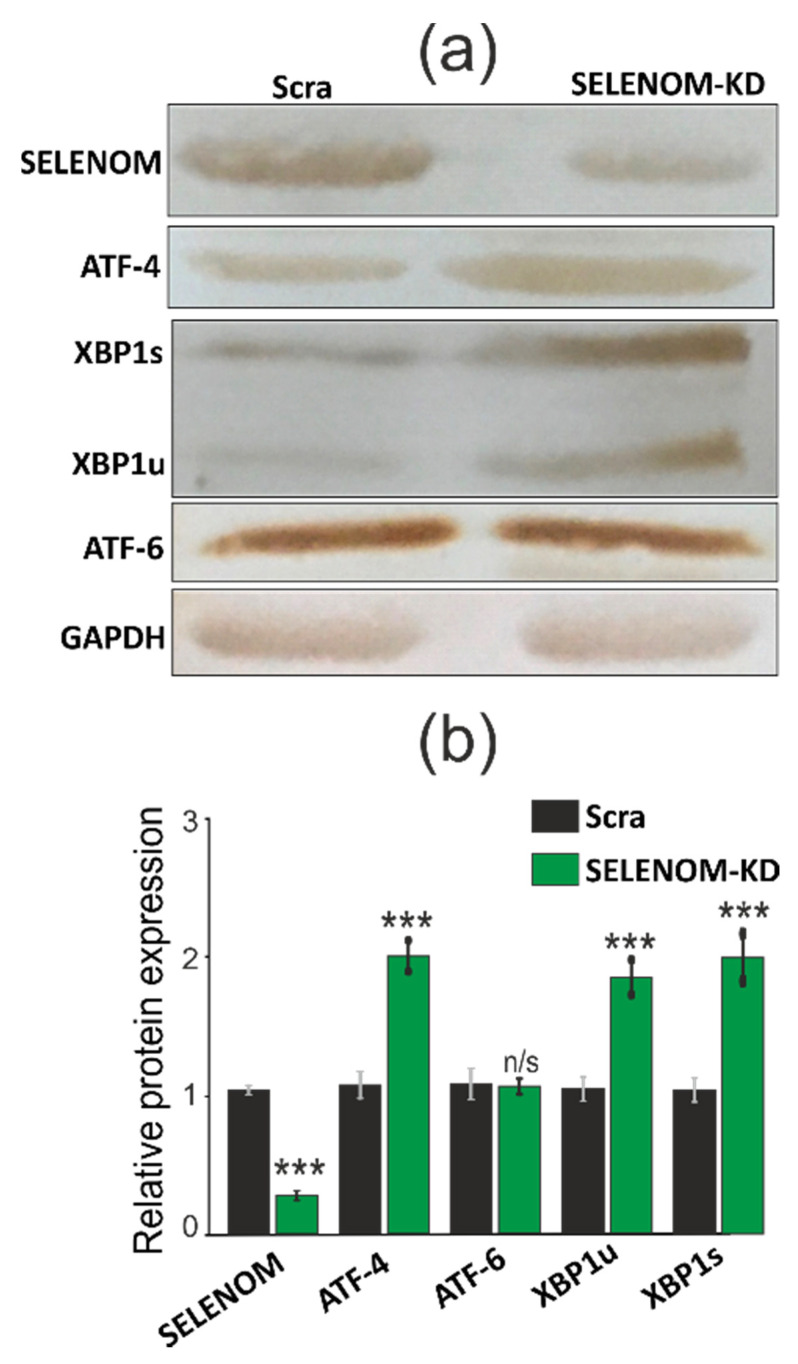
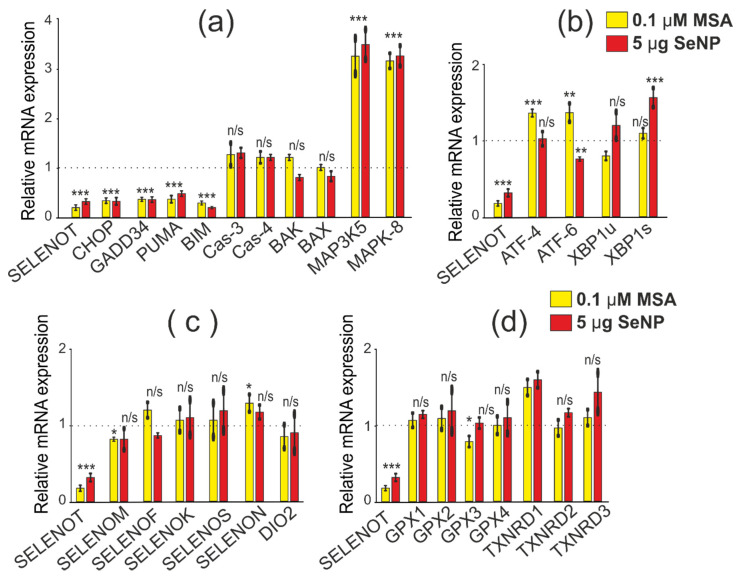
It is known that seven mammalian selenoproteins are localized in the endoplasmic reticulum: SELENOM, SELENOT, SELENOF, SELENOK, SELENOS, SELENON, and DIO2. Among them, SELENOM and SELENOT are the least studied; therefore, the study of their function using the widespread method of suppressing the expression of genes encoding these proteins and the activity of the enzymes themselves by RNA interference is of great interest. We have shown that a decrease in the expression of SELENOM and SELENOT mRNA in the A-172 human glioblastoma cell line by more than 10 times and the quantitative content of enzymes by more than 3 times leads to ER stress, expressed as a decrease in the ER capacity for storing Ca ions. At the level of regulation of apoptotic processes, SELENOM knockdown leads to an increase in the expression of pro-apoptotic CHOP, GADD34, PUMA, and BIM genes, but a compensatory increase in the levels of SELENOT and antioxidant genes from the group of glutathione peroxidases and thioredoxins did not induce cell death. Knockdown of SELENOT had the opposite effect, reducing the expression of pro-apoptotic proteins and regulating the level of a smaller number of genes encoding antioxidant enzymes, which also did not affect the baseline level of apoptosis in the studied cells. At the same time, ER stress induced by MSA or SeNPs induced a more pronounced pro-apoptotic effect in SELENOT knockdown cells through suppression of the expression of selenium-containing antioxidant proteins. Thus, in this work, for the first time, the mechanisms of fine regulation of the processes of apoptosis, cell proliferation, and ER stress by two ER resident proteins, SELENOM and SELENOT, are touched upon, which is not only fundamental but also applied to clinical importance due to the close relationship between the calcium signaling system of cells, folding proteins-regulators of apoptosis and cell survival pathways.
SELENOM、SELENOT、SELENOF、SELENOK、SELENOS、SELENON和DIO2。其中,SELENOM和SELENOT的研究最少;因此,使用广泛的RNA干扰方法抑制编码这些蛋白质的基因表达和酶本身的活性来研究它们的功能具有极大的意义。我们已经表明,在A-172人胶质母细胞瘤细胞系中,SELENOM和SELENOT mRNA的表达降低超过10倍,酶的定量含量降低超过3倍,会导致内质网应激,表现为内质网储存钙离子的能力下降。在凋亡过程的调控水平上,SELENOM基因敲低会导致促凋亡的CHOP、GADD34、PUMA和BIM基因的表达增加,但SELENOT和谷胱甘肽过氧化物酶及硫氧还蛋白组中的抗氧化基因水平的代偿性增加并未诱导细胞死亡。SELENOT基因敲低则产生相反的效果,降低促凋亡蛋白的表达并调节较少数量的编码抗氧化酶的基因水平,这也不影响所研究细胞中的基础凋亡水平。同时,MSA或硒纳米颗粒诱导的内质网应激通过抑制含硒抗氧化蛋白的表达,在SELENOT基因敲低的细胞中诱导出更明显的促凋亡作用。因此,在这项工作中,首次涉及了两种内质网驻留蛋白SELENOM和SELENOT对凋亡、细胞增殖和内质网应激过程的精细调控机制,这不仅具有基础性,而且由于细胞的钙信号系统、折叠蛋白——凋亡调节因子和细胞存活途径之间的密切关系,还具有临床重要性。