Babaliari Eleftheria, Ranella Anthi, Stratakis Emmanuel
Foundation for Research and Technology-Hellas (F.O.R.T.H.), Institute of Electronic Structure and Laser (I.E.S.L.), Vasilika Vouton, 70013 Heraklion, Greece.
Department of Physics, University of Crete, 70013 Heraklion, Greece.
Bioengineering (Basel). 2023 Jul 30;10(8):902. doi: 10.3390/bioengineering10080902.
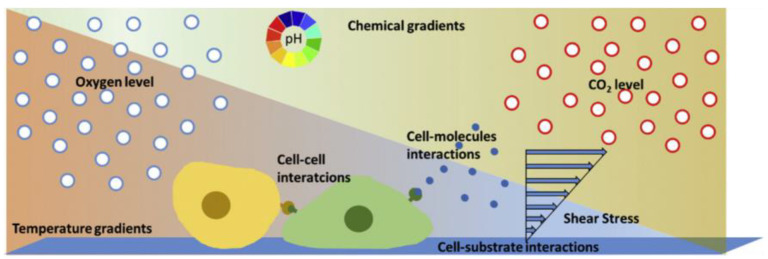
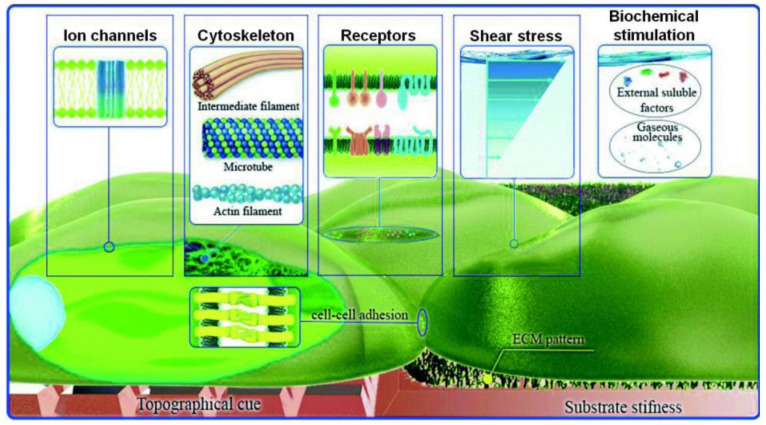
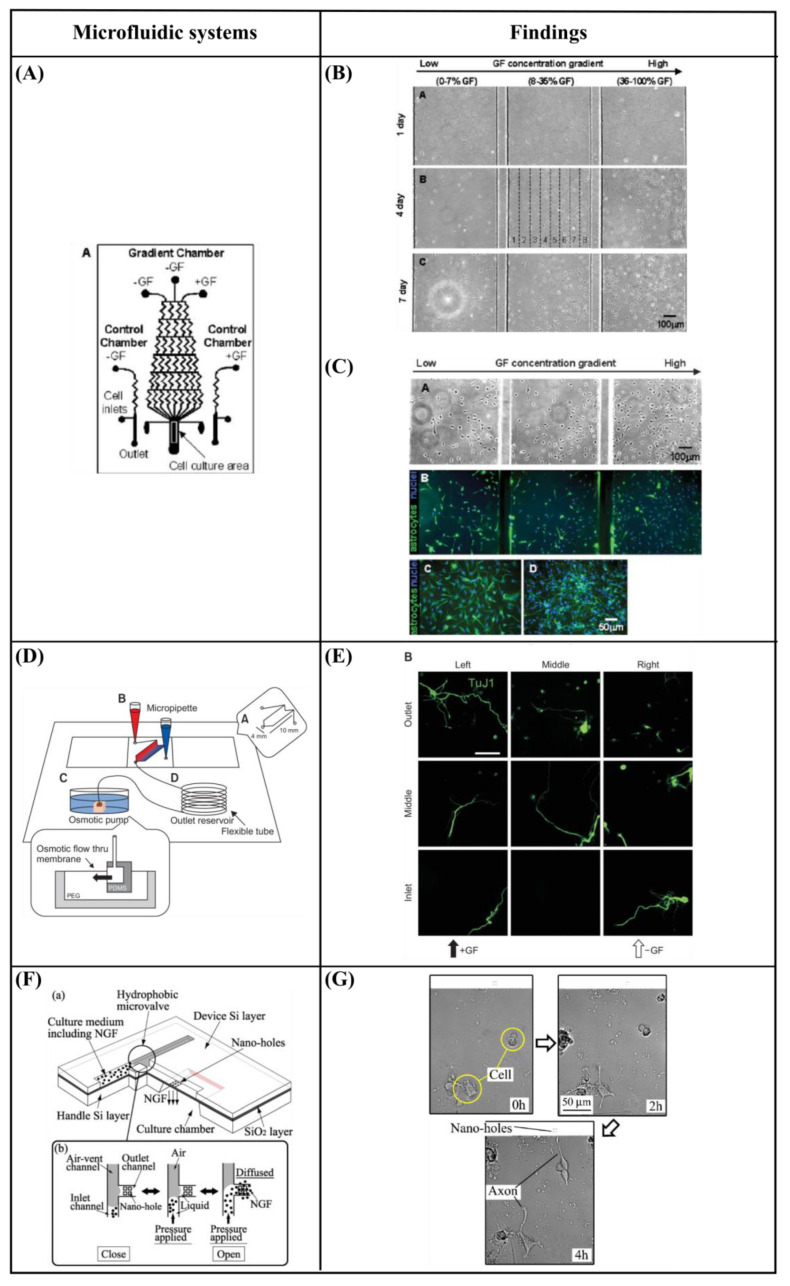
Whereas the axons of the peripheral nervous system (PNS) spontaneously regenerate after an injury, the occurring regeneration is rarely successful because axons are usually directed by inappropriate cues. Therefore, finding successful ways to guide neurite outgrowth, , is essential for neurogenesis. Microfluidic systems reflect more appropriately the environment of cells in tissues such as the normal fluid flow within the body, consistent nutrient delivery, effective waste removal, and mechanical stimulation due to fluid shear forces. At the same time, it has been well reported that topography affects neuronal outgrowth, orientation, and differentiation. In this review, we demonstrate how topography and microfluidic flow affect neuronal behavior, either separately or in synergy, and highlight the efficacy of microfluidic systems in promoting neuronal outgrowth.
尽管外周神经系统(PNS)的轴突在损伤后会自发再生,但由于轴突通常受到不适当的信号引导,这种再生很少成功。因此,找到引导神经突生长的成功方法对于神经发生至关重要。微流控系统更恰当地反映了组织中细胞的环境,如体内正常的流体流动、持续的营养物质输送、有效的废物清除以及由于流体剪切力产生的机械刺激。同时,已有充分报道表明拓扑结构会影响神经元的生长、方向和分化。在这篇综述中,我们展示了拓扑结构和微流控流动如何单独或协同影响神经元行为,并强调了微流控系统在促进神经元生长方面的功效。