Department of Microbiology and Immunology, Faculty of Pharmacy, Mansoura University, Mansoura, 35516, Egypt.
Microb Cell Fact. 2023 Aug 29;22(1):166. doi: 10.1186/s12934-023-02169-0.
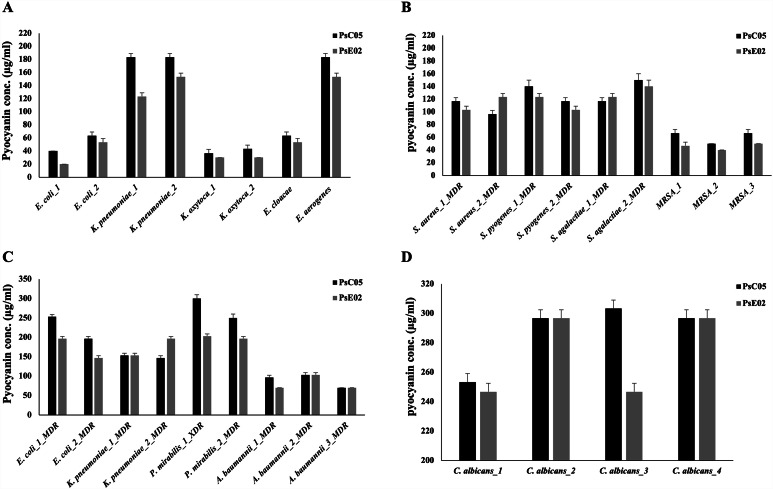
Pyocyanin is a secondary metabolite secreted by P. aeruginosa. It is a redox-active blue/green phenazine pigment that has various beneficial applications. The present study aims at screening the production of pyocyanin among clinical and environmental P. aeruginosa isolates in Dakahlya governorate, Egypt. Thereafter, large-scale production, purification, structure elucidation, and assessment of the biological activity of the highest pyocyanin producers were targeted.
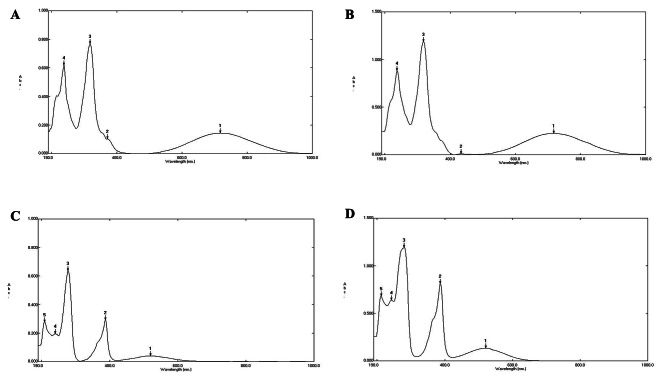
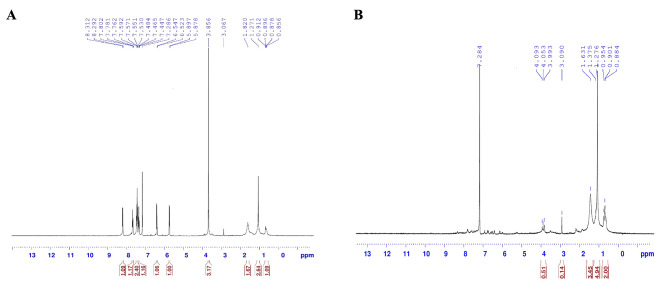
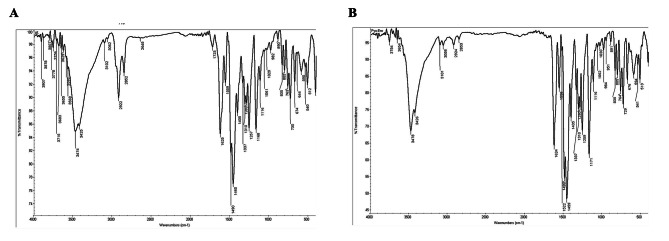
Pyocyanin from the highest clinical (PsC05) and environmental (PsE02) producers were subjected to large-scale production, followed by purification using silica gel column. Pyocyanin was characterized using TLC, UV-Vis, H NMR, and FTIR spectroscopy to confirm its structure and purity. Purified pyocyanin showed remarkable antimicrobial efficacy against all tested food-borne pathogens, MDR/XDR clinically isolated bacteria and C. albicans. Furthermore, it showed a substantial effect on biofilm inhibition and eradication of pre-formed biofilm against strong biofilm producing bacterial pathogens. However, it had limited antibiofilm activity against C. albicans. Pyocyanin from PsC05 had higher antioxidant and radicals scavenging activity than that from PsE02 as determined by FRAP, DPPH, and ABTS assays. Likewise, pyocyanin from PsC05 was more active against tested cancer cell lines, especially human Breast Cancer (MCF-7) and Colorectal Carcinoma (HCT-116), than that from PsE02. More importantly, it showed minimal cytotoxicity to normal cells.
P. aeruginosa clinical and environmental isolates produce pyocyanin pigment in varying amounts. Pyocyanin exhibits substantial anti-bacterial, and anti-fungal activity; thus, enhancing its medical applicability. It could be used to inhibit and/or eradicate biofilm from the surfaces of medical devices which is a chief source of nosocomial infections. Its antioxidant along with cytotoxic activity against cancer cell lines, make it a promising contender for use as a substitute for synthetic agents in cancer treatment.
绿脓菌素是铜绿假单胞菌分泌的一种次生代谢物。它是一种具有氧化还原活性的蓝/绿色吩嗪色素,具有多种有益的应用。本研究旨在筛选埃及达卡利亚省临床和环境铜绿假单胞菌分离株中绿脓菌素的产生。此后,目标是大规模生产、纯化、结构解析和评估最高绿脓菌素生产者的生物活性。
从最高临床(PsC05)和环境(PsE02)生产者中分离出的绿脓菌素进行了大规模生产,然后使用硅胶柱进行纯化。使用 TLC、UV-Vis、 1 H NMR 和 FTIR 光谱对绿脓菌素进行了表征,以确认其结构和纯度。纯化的绿脓菌素对所有测试的食源性病原体、MDR/XDR 临床分离细菌和 C. albicans 均表现出显著的抗菌功效。此外,它对强生物膜产生细菌病原体的生物膜抑制和根除具有显著作用。然而,它对 C. albicans 的抗生物膜活性有限。从 PsC05 分离的绿脓菌素比从 PsE02 分离的绿脓菌素具有更高的抗氧化和自由基清除活性,这是通过 FRAP、DPPH 和 ABTS 测定确定的。同样,从 PsC05 分离的绿脓菌素对测试的癌细胞系,特别是人乳腺癌(MCF-7)和结肠直肠癌(HCT-116),比从 PsE02 分离的绿脓菌素更活跃。更重要的是,它对正常细胞的细胞毒性最小。
铜绿假单胞菌临床和环境分离株以不同的量产生绿脓菌素色素。绿脓菌素表现出显著的抗细菌和抗真菌活性;因此,增强了其医学适用性。它可用于抑制和/或从医疗器械表面根除生物膜,这是医院感染的主要来源。其抗氧化活性以及对癌细胞系的细胞毒性作用,使其成为一种有前途的候选药物,可替代癌症治疗中的合成药物。