Department of Trauma and Orthopaedic Surgery, AOU San Giovanni di Dio e Ruggi D'Aragona, Via San Leonardo 1, 84131 Salerno, Italy.
Department of Medicine, Surgery and Dentistry, University of Salerno, Via S. Allende, 84081 Baronissi (SA), Italy.
Br Med Bull. 2023 Dec 11;148(1):58-69. doi: 10.1093/bmb/ldad023.
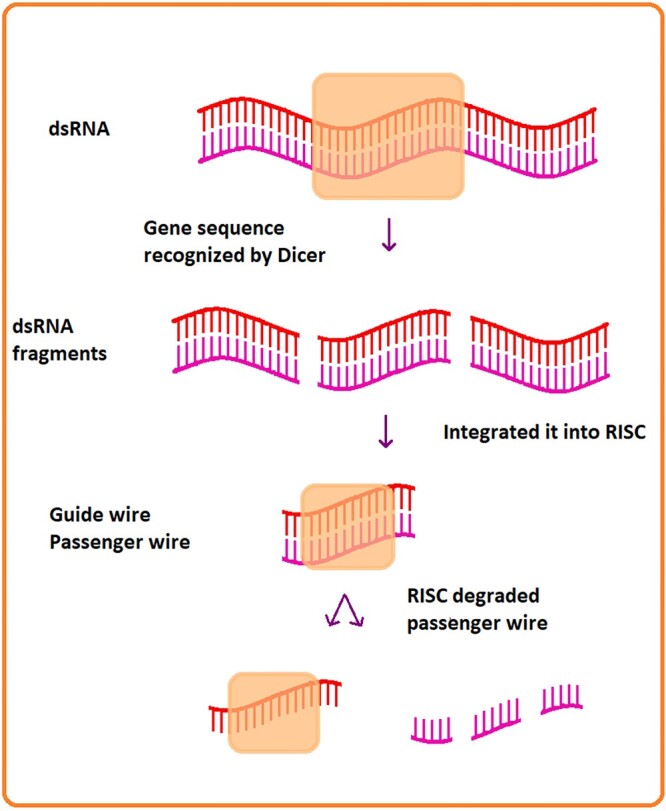
Osteoporosis results in reduced bone mass and consequent bone fragility. Small interfering RNAs (siRNAs) can be used for therapeutic purposes, as molecular targets or as useful markers to test new therapies.
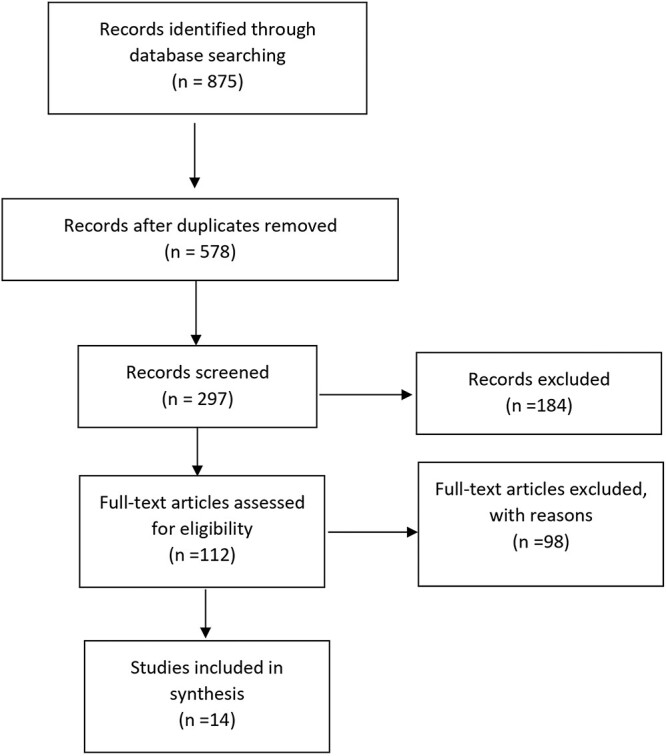
A systematic search of different databases to May 2023 was performed to define the role of siRNAs in osteoporosis therapy. Fourteen suitable studies were identified.
SiRNAs may be useful in studying metabolic processes in osteoporosis and identify possible therapeutic targets for novel drug therapies.
The metabolic processes of osteoporosis are regulated by many genes and cytokines that can be targeted by siRNAs. However, it is not easy to predict whether the in vitro responses of the studied siRNAs and drugs are applicable in vivo.
Metabolic processes can be affected by the effect of gene dysregulation mediated by siRNAs on various growth factors.
Despite the predictability of pharmacological response of siRNA in vitro, similar responses cannot be expected in vivo.
骨质疏松症导致骨量减少和骨脆性增加。小干扰 RNA(siRNA)可用于治疗目的,作为分子靶点或有用的标记物来测试新的治疗方法。
系统检索了不同的数据库,以确定 siRNA 在骨质疏松症治疗中的作用。确定了 14 项合适的研究。
siRNA 可用于研究骨质疏松症的代谢过程,并确定新型药物治疗的可能治疗靶点。
骨质疏松症的代谢过程受许多基因和细胞因子调节,这些基因和细胞因子可以作为 siRNA 的靶点。然而,很难预测体外研究的 siRNA 和药物的反应是否适用于体内。
代谢过程可能会受到 siRNA 对各种生长因子的基因失调介导的影响。
尽管可以预测 siRNA 在体外的药理反应,但不能期望在体内产生类似的反应。