Pohl Katherine A, Zhang Xiangmei, Pham Anh H, Chan Jane W, Sadun Alfredo A, Yang Xian-Jie
Department of Ophthalmology, Stein Eye Institute, University of California, Los Angeles, Los Angeles, CA, United States.
Molecular Biology Institute, University of California, Los Angeles, Los Angeles, CA, United States.
Front Genet. 2023 Sep 4;14:1251216. doi: 10.3389/fgene.2023.1251216. eCollection 2023.
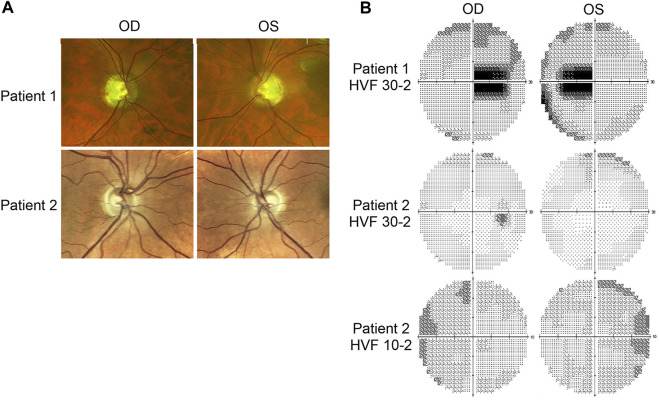
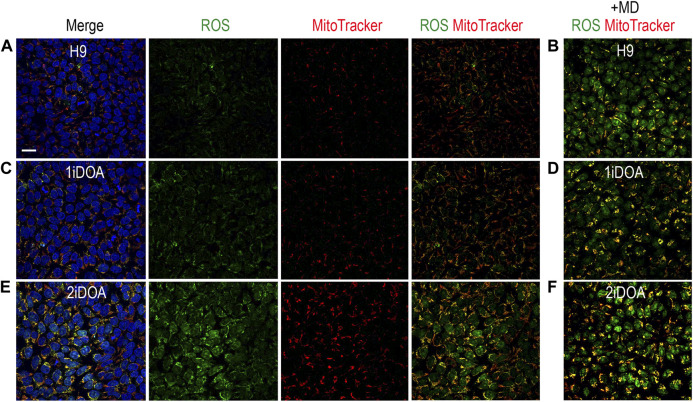
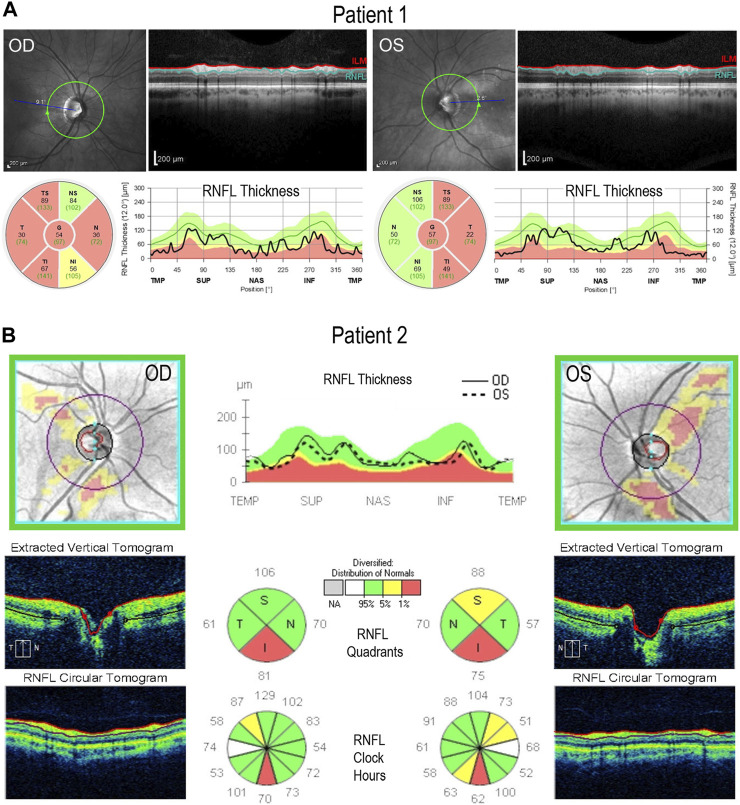
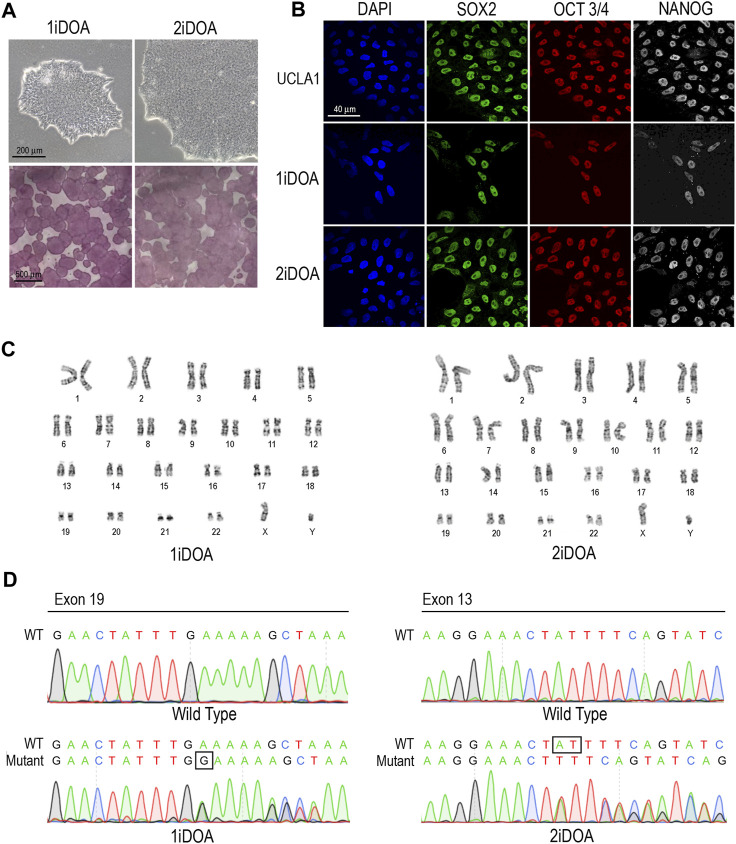
Dominant optic atrophy (DOA) is an inherited disease that leads to the loss of retinal ganglion cells (RGCs), the projection neurons that relay visual information from the retina to the brain through the optic nerve. The majority of DOA cases can be attributed to mutations in (), a nuclear gene encoding a mitochondrial-targeted protein that plays important roles in maintaining mitochondrial structure, dynamics, and bioenergetics. Although is ubiquitously expressed in all human tissues, RGCs appear to be the primary cell type affected by mutations. DOA has not been extensively studied in human RGCs due to the general unavailability of retinal tissues. However, recent advances in stem cell biology have made it possible to produce human RGCs from pluripotent stem cells (PSCs). To aid in establishing DOA disease models based on human PSC-derived RGCs, we have generated iPSC lines from two DOA patients who carry distinct mutations and present very different disease symptoms. Studies using these mutant RGCs can be correlated with clinical features in the patients to provide insights into DOA disease mechanisms.
显性遗传性视神经萎缩(DOA)是一种遗传性疾病,会导致视网膜神经节细胞(RGCs)丧失,RGCs是一种投射神经元,通过视神经将视觉信息从视网膜传递到大脑。大多数DOA病例可归因于()基因的突变,该基因是一种编码线粒体靶向蛋白的核基因,在线粒体结构、动力学和生物能量学维持中起重要作用。尽管()在所有人体组织中普遍表达,但RGCs似乎是受()基因突变影响的主要细胞类型。由于视网膜组织普遍难以获取,DOA在人类RGCs中尚未得到广泛研究。然而,干细胞生物学的最新进展使得从多能干细胞(PSCs)中产生人类RGCs成为可能。为了帮助建立基于人类PSC来源的RGCs的DOA疾病模型,我们从两名携带不同()基因突变且表现出非常不同疾病症状的DOA患者中生成了诱导多能干细胞(iPSC)系。使用这些()突变RGCs的研究可以与患者的临床特征相关联,以深入了解DOA疾病机制。