Kuznetsova Lyubov S, Arlyapov Vyacheslav A, Plekhanova Yulia V, Tarasov Sergei E, Kharkova Anna S, Saverina Evgeniya A, Reshetilov Anatoly N
Federal State Budgetary Educational Institution of Higher Education, Tula State University, 300012 Tula, Russia.
Federal Research Center «Pushchino Scientific Center for Biological Research of the Russian Academy of Sciences», G.K. Skryabin Institute of Biochemistry and Physiology of Microorganisms, Russian Academy of Sciences, 142290 Pushchino, Russia.
Polymers (Basel). 2023 Sep 15;15(18):3783. doi: 10.3390/polym15183783.
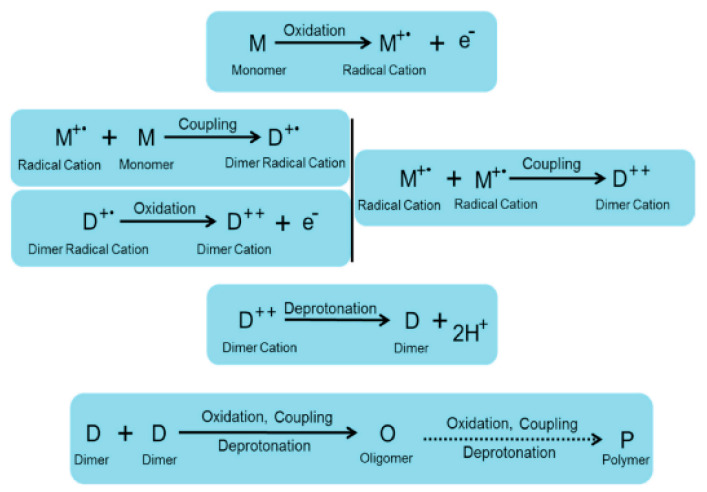
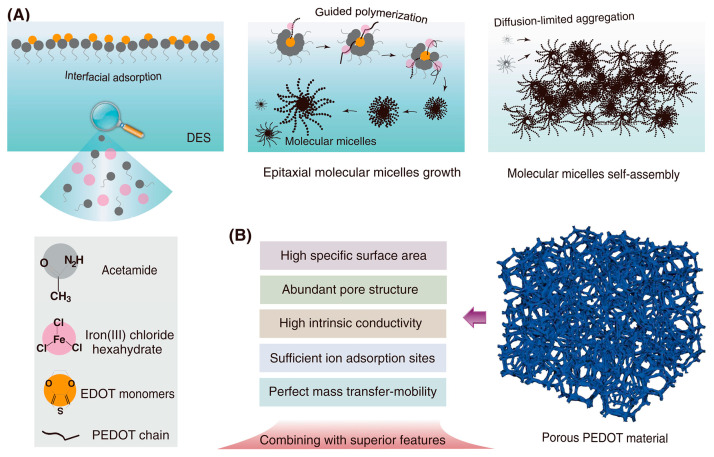
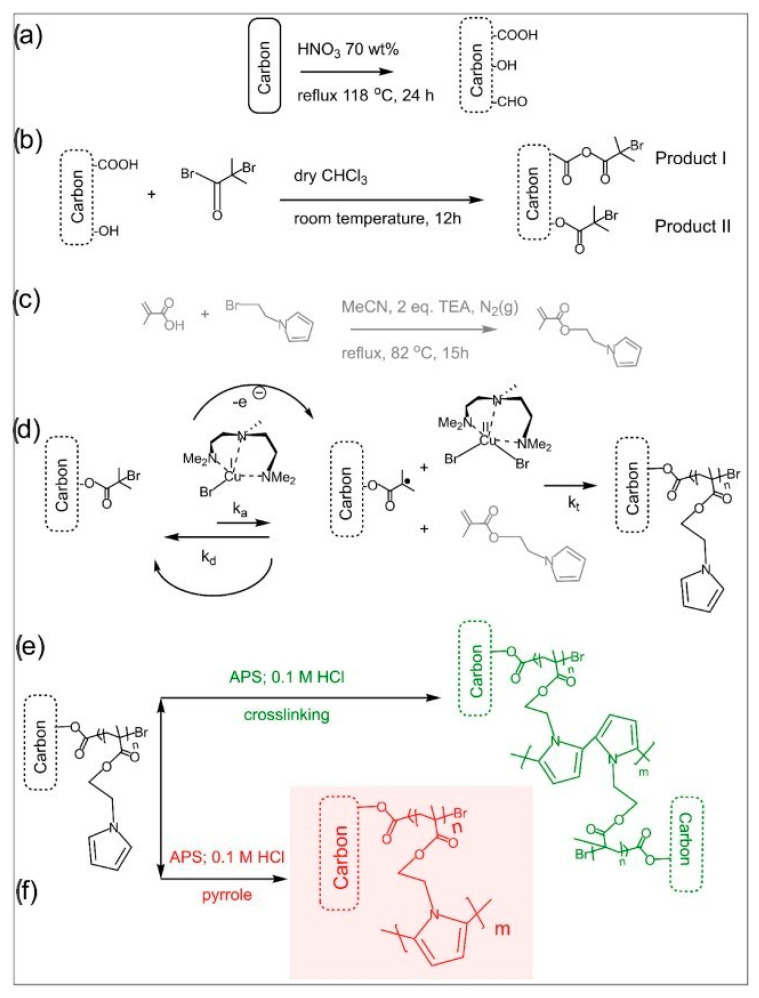
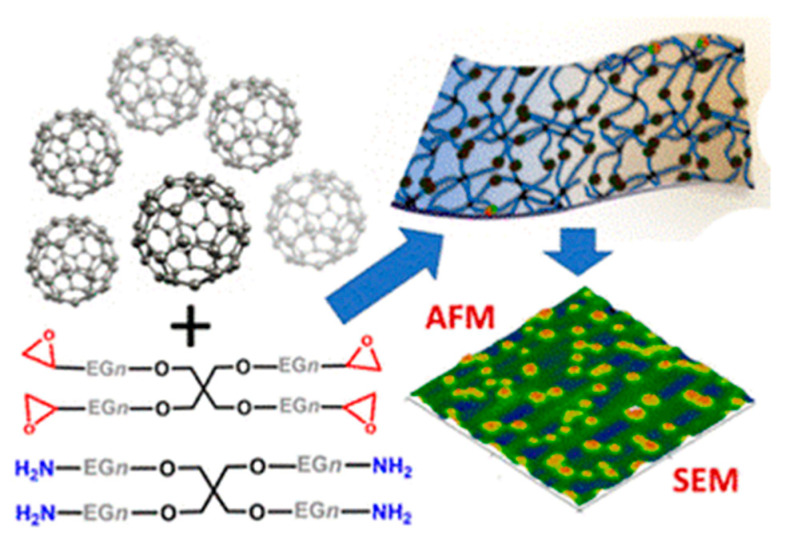
Conductive polymers and their composites are excellent materials for coupling biological materials and electrodes in bioelectrochemical systems. It is assumed that their relevance and introduction to the field of bioelectrochemical devices will only grow due to their tunable conductivity, easy modification, and biocompatibility. This review analyzes the main trends and trends in the development of the methodology for the application of conductive polymers and their use in biosensors and biofuel elements, as well as describes their future prospects. Approaches to the synthesis of such materials and the peculiarities of obtaining their nanocomposites are presented. Special emphasis is placed on the features of the interfaces of such materials with biological objects.
导电聚合物及其复合材料是生物电化学系统中用于连接生物材料和电极的优异材料。据推测,由于其可调的导电性、易于修饰以及生物相容性,它们在生物电化学装置领域的相关性和应用将会不断增加。本综述分析了导电聚合物应用方法发展的主要趋势和动向,以及它们在生物传感器和生物燃料元件中的应用,并描述了其未来前景。介绍了此类材料的合成方法及其纳米复合材料的制备特点。特别强调了此类材料与生物对象界面的特性。