Department of Phytochemistry and Pharmacognosy, Faculty of Pharmacy, University of Indonesia, Depok 16424, Indonesia.
Department of Pharmaceutical Chemistry, Almarisah Madani University, Makassar 90245, Indonesia.
ScientificWorldJournal. 2023 Oct 4;2023:5785259. doi: 10.1155/2023/5785259. eCollection 2023.
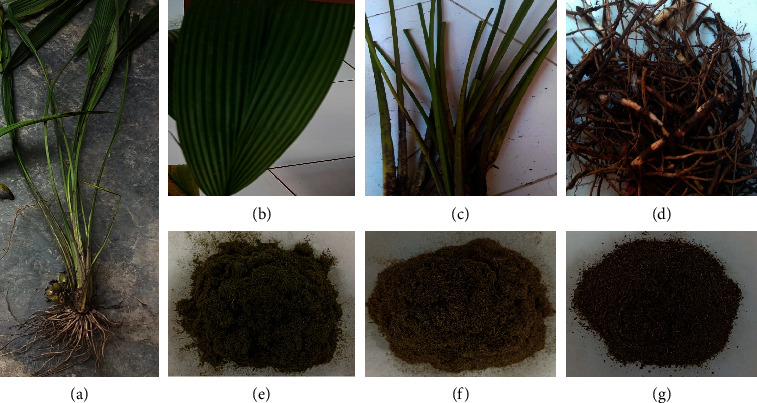
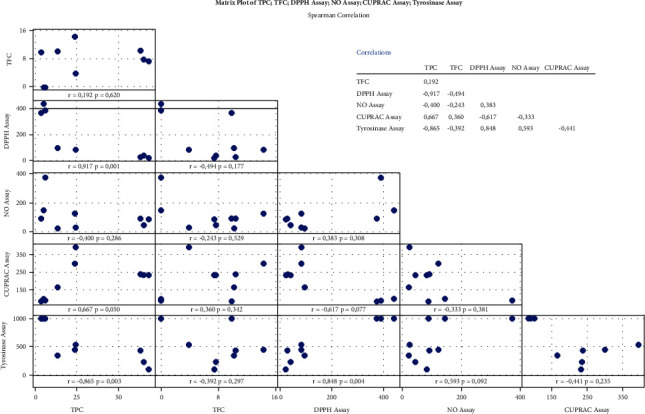
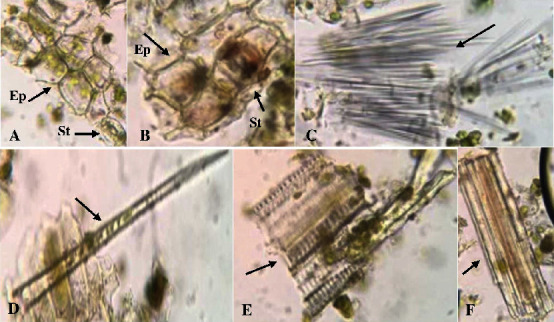
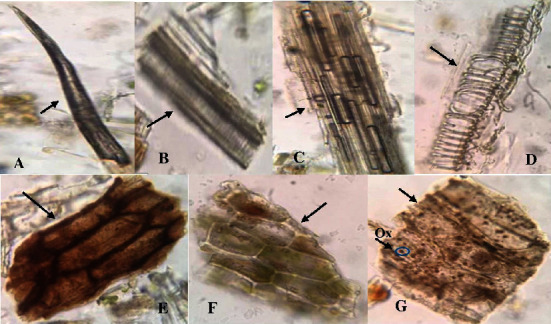
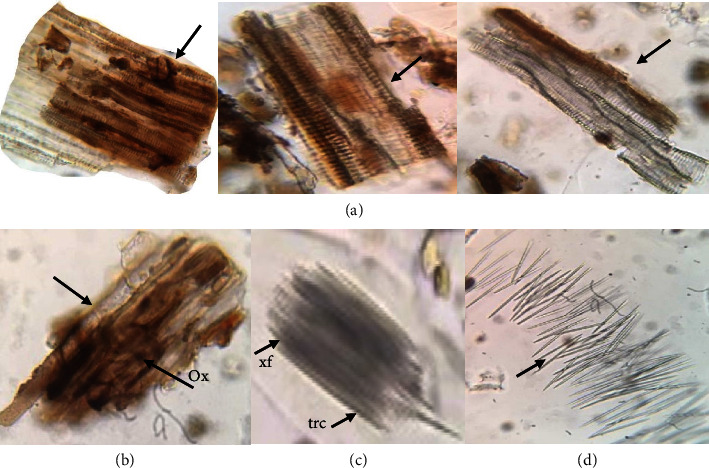
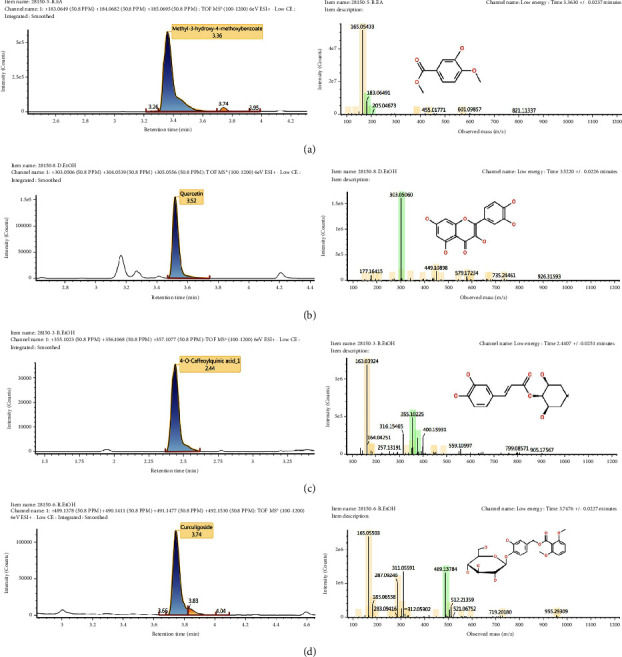
(family Amaryllidaceae) is used empirically for medicinal purposes. It is distributed throughout Asian countries, especially Indonesia. This study aimed at standardizing the plant, analyzing its phytochemical profile, and evaluating its pharmacological effects. The powder from each organ (root, stem, and leaves) was standardized organoleptically and microscopically. Samples were extracted by graded maceration using hexane, ethyl acetate, and ethanol. The extracts were determined for total phenolic content (TPC) and total flavonoid content (TFC). Antioxidant (radical scavenging and metal ion reduction) and antityrosinase activities were determined by spectrophotometric methods. Extracts were analysed for phytochemical profiles by LC-ESI-MS. The highest TPC and TFC were found in the ethanolic extract of the root organ (68.63 ± 2.97 mg GAE/g) and the ethyl acetate extract of the stem (14.33 ± 0.71 mg QE/g extract). High antioxidant activities were found in the ethanolic root extract (20.42 ± 0.33 g/mL) and ethanolic stem extract (45.65 ± 0.77 g/mL) by DPPH• and NO• assays, respectively. The ion reduction activity (by CUPRAC assay) was most significant in the ethyl acetate stem extract (390.42 ± 14.49 mol GAEAC/g extract). Ethanolic root extract was the most active in inhibiting tyrosinase (IC value of 108.5 g/mL). The correlation matrix between TPC and antioxidant activities showed a moderate to robust correlation, whereas the TPC and antityrosinase activity showed a robust correlation. The TFC and antioxidant or antityrosinase activities showed a weak to moderate correlation. The LC-ESI-MS data identified major phenols in the active extracts, including methyl 3-hydroxy-4-methoxy-benzoate, quercetin, 4-O-caffeoylquinic acid-1, and curculigoside. Overall, this study suggests that extracts from the plant offer potent antioxidant and antityrosinase activities, allowing them to be used as natural antioxidants and candidates for skin-lightening compounds.
(石蒜科)被广泛应用于医学领域。它分布于亚洲各国,特别是印度尼西亚。本研究旨在对其进行标准化处理,分析其植物化学特征,并评估其药理作用。对每个器官(根、茎和叶)的粉末进行感官和微观标准化处理。使用正己烷、乙酸乙酯和乙醇对样品进行梯度浸渍提取。测定提取物的总酚含量(TPC)和总类黄酮含量(TFC)。通过分光光度法测定抗氧化(自由基清除和金属离子还原)和酪氨酸酶抑制活性。通过 LC-ESI-MS 分析提取物的植物化学特征。根器官的乙醇提取物(68.63 ± 2.97 mg GAE/g)和茎的乙酸乙酯提取物(14.33 ± 0.71 mg QE/g 提取物)的 TPC 和 TFC 含量最高。DPPH•和 NO•测定结果表明,乙醇根提取物(20.42 ± 0.33 g/mL)和乙醇茎提取物(45.65 ± 0.77 g/mL)具有较高的抗氧化活性。通过 CUPRAC 测定,乙酸乙酯茎提取物的离子还原活性(390.42 ± 14.49 mol GAEAC/g 提取物)最为显著。乙醇根提取物对酪氨酸酶的抑制活性最强(IC 值为 108.5 g/mL)。TPC 与抗氧化活性之间的相关矩阵显示出中等至强的相关性,而 TPC 与酪氨酸酶抑制活性之间显示出强相关性。TFC 与抗氧化或酪氨酸酶抑制活性之间呈弱至中等相关性。LC-ESI-MS 数据鉴定了活性提取物中的主要酚类物质,包括 3-羟基-4-甲氧基苯甲酸甲酯、槲皮素、4-O-咖啡酰奎宁酸-1 和刺五加苷。总的来说,本研究表明该植物的提取物具有很强的抗氧化和酪氨酸酶抑制活性,可作为天然抗氧化剂和皮肤美白化合物的候选物。