Aklilu Lemma Institute of Pathobiology, Addis Ababa University, Addis Ababa, Ethiopia.
Department of Veterinary Medicine, College of Agriculture and Veterinary Medicine, United Arab Emirates University, Al Ain, United Arab Emirates.
BMC Vet Res. 2023 Oct 13;19(1):203. doi: 10.1186/s12917-023-03725-x.
Paratuberculosis, caused by Mycobacterium avium subsp. paratuberculosis (MAP), is a chronic progressive granulomatous enteritis mainly affecting domestic and wild ruminants worldwide. Although paratuberculosis could be prevail in Ethiopia, there is a scarcity of epidemiological data on paratuberculosis in the country. Thus, this study was conducted to estimate the prevalence of paratuberculosis based on gross and microscopic lesions in cattle slaughtered at ELFORA Abattoir, central Ethiopia. Small intestines and associated lymph nodes of 400 apparently healthy cattle which were slaughtered at ELFORA export abattoir were examined for gross and microscopic lesions of paratuberculosis. The microscopic lesions were classified into four grades (I-IV) based on the type and number of cells infiltrated into the lesion. The prevalence of paratuberculosis was estimated on the basis of gross as well as microscopic lesion of paratuberculosis.
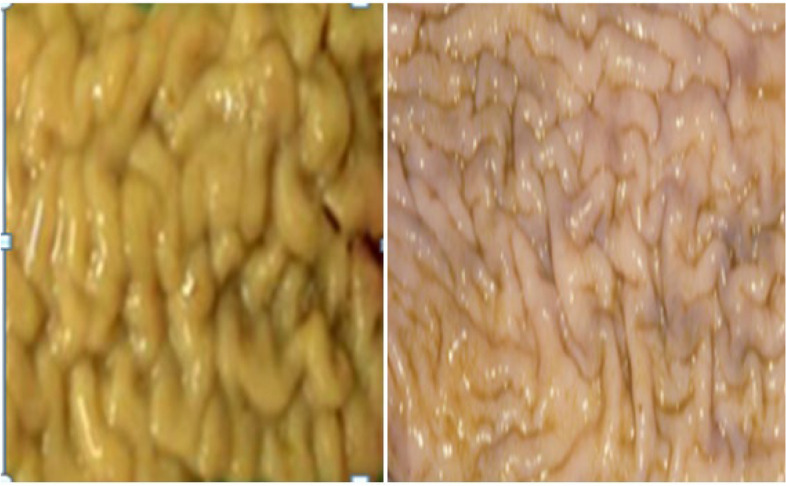
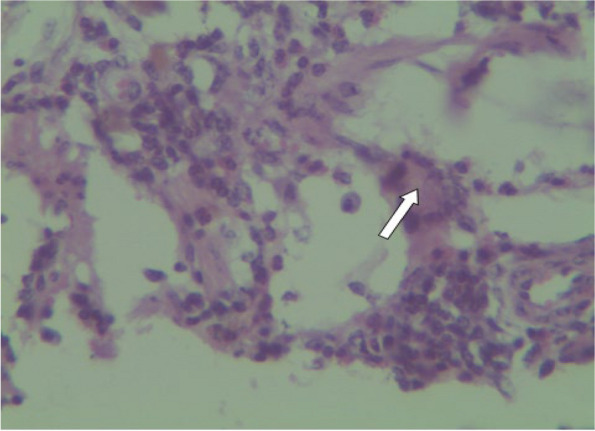
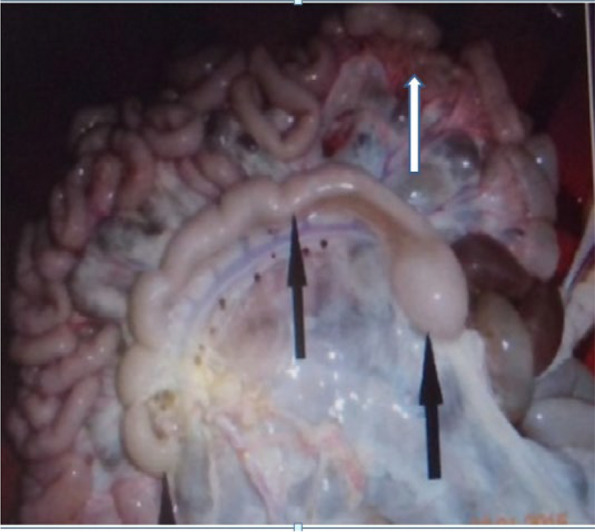
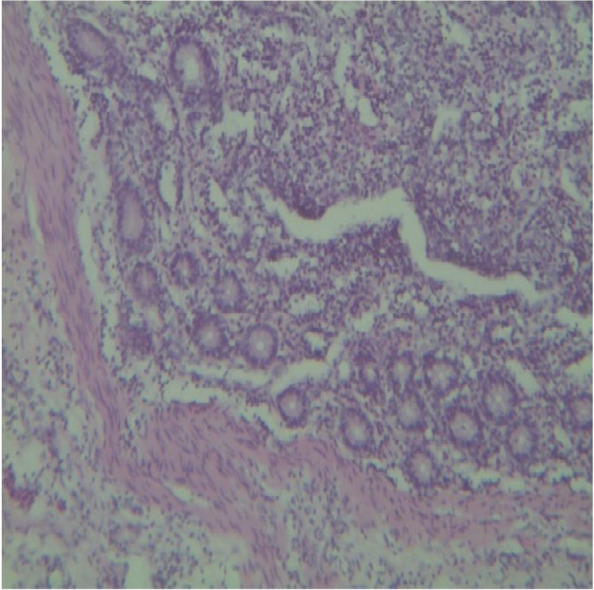
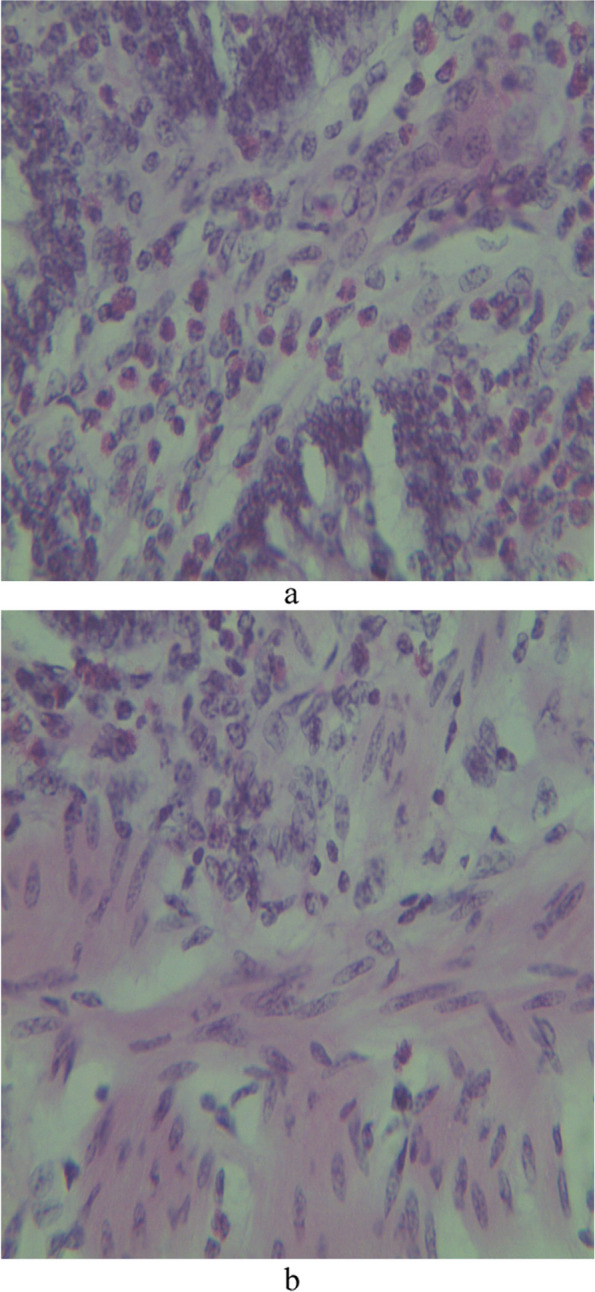
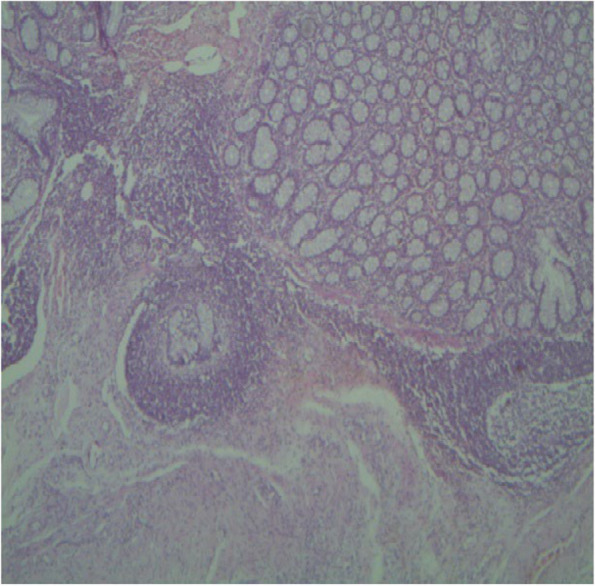
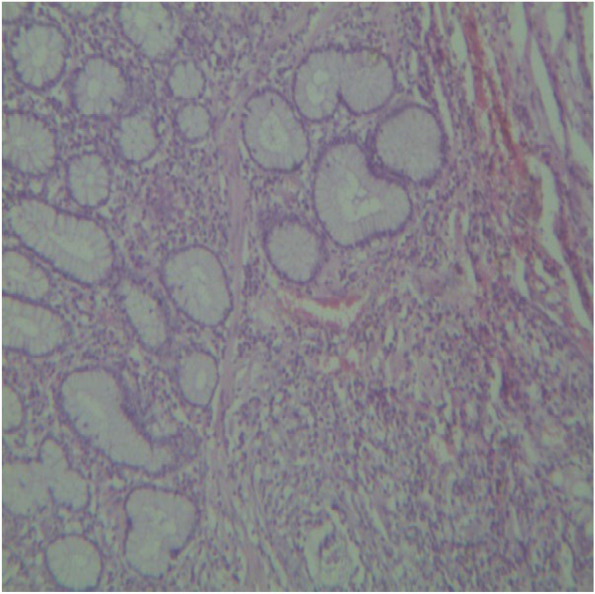
The prevalence of paratuberculosis was 11.25% (95% Confidence interval, CI = 0.083-0.148) on the basis of gross lesion. However, relatively lower prevalence (2.0%, 95% CI = 0.01, 0.039) was recorded based on microscopic lesion. The gross lesions were characterized by intestinal thickening, mucosal corrugations and enlargement of associated mesenteric lymph nodes. On the other hand, the microscopic lesions were characterized by granuloma of different grades ranging from grade I to grade III lesions.
The present study indicated the occurrence of paratuberculosis in cattle of Ethiopia based on the detection of gross and microscopic lesions consistent with the lesion of paratuberculosis. The result of this study could be used as baseline information for future studies on the epidemiology and economic significance of paratuberculosis.
由分枝杆菌亚种引起的副结核病(MAP)是一种慢性进行性肉芽肿性肠炎,主要影响全世界的家养和野生反刍动物。尽管副结核病可能在埃塞俄比亚流行,但该国关于副结核病的流行病学数据却很少。因此,本研究旨在根据在埃塞俄比亚中部的 ELFORA 屠宰场屠宰的牛的大体和显微镜病变来估计副结核病的流行率。对来自 ELFORA 出口屠宰场的 400 头明显健康的牛的小肠和相关淋巴结进行检查,以发现副结核病的大体和显微镜病变。根据病变中浸润细胞的类型和数量,将显微镜病变分为四个等级(I-IV)。根据副结核病的大体和显微镜病变来估计副结核病的流行率。
根据大体病变,副结核病的流行率为 11.25%(95%置信区间,CI=0.083-0.148)。然而,根据显微镜病变,记录到的流行率相对较低(2.0%,95%CI=0.01,0.039)。大体病变的特征是肠增厚、黏膜起皱和相关肠系膜淋巴结肿大。另一方面,显微镜病变的特征是不同等级的肉芽肿,从 I 级到 III 级病变不等。
本研究表明,根据与副结核病病变一致的大体和显微镜病变的检测,埃塞俄比亚的牛群中发生了副结核病。本研究的结果可作为未来关于副结核病的流行病学和经济意义的研究的基线信息。