Kobetičová Klára, Nábělková Jana, Brejcha Viktor, Böhm Martin, Jerman Miloš, Brich Jiří, Černý Robert
Department of Materials Engineering and Chemistry, Faculty of Civil Engineering, Czech Technical University in Prague, 166 29 Prague, Czech Republic.
Department of Urban Water Management, Faculty of Civil Engineering, Czech Technical University in Prague, 166 29 Prague, Czech Republic.
Polymers (Basel). 2023 Sep 27;15(19):3901. doi: 10.3390/polym15193901.
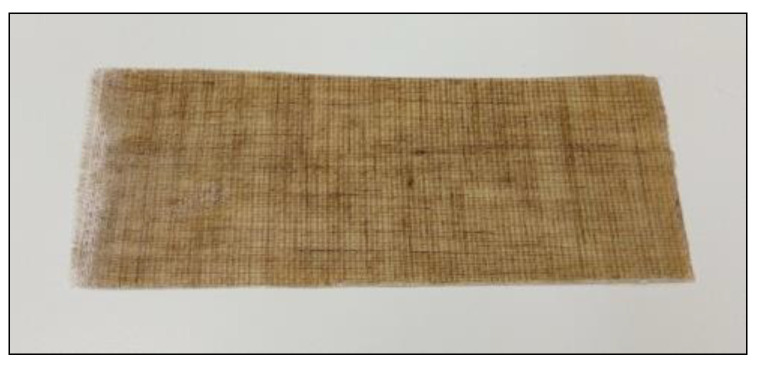
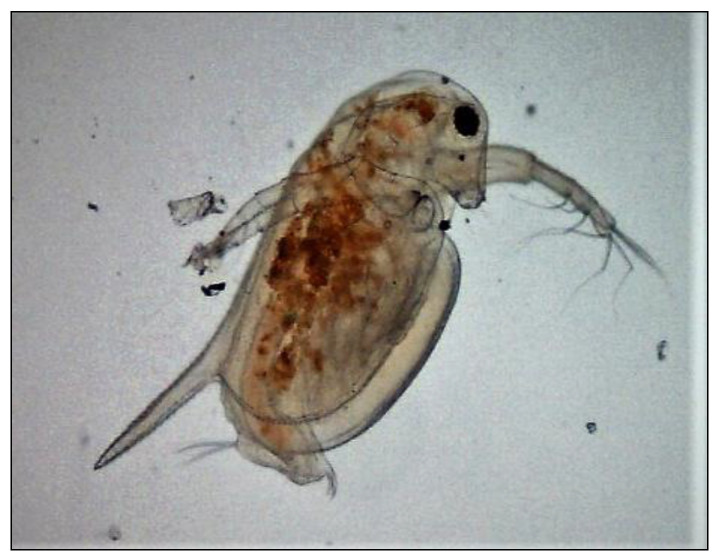
Caffeine is a verified bio-protective substance in the fight against the biodegradation of cellulose materials, but its ecotoxicity in this context has not yet been studied. For this reason, the ecotoxicity of flax-fiber-reinforced epoxy composite with or without caffeine was tested in the present study. Prepared samples of the composite material were tested on freshwater green algal species (), yeasts (), and crustacean species (). Aqueous eluates were prepared from the studied material (with caffeine addition (12%) and without caffeine and pure flax fibers), which were subjected to chemical analysis for the residues of caffeine or metals. The results indicate the presence of caffeine up to 0.001 mg/L. The eluate of the studied material was fully toxic for daphnids and partially for algae and yeasts, but the presence of caffeine did not increase its toxicity statistically significantly, in all cases. The final negative biological effects were probably caused by the mix of heavy metal residues and organic substances based on epoxy resins released directly from the tested composite material.
咖啡因是一种经证实的在对抗纤维素材料生物降解方面具有生物保护作用的物质,但在此背景下其生态毒性尚未得到研究。因此,在本研究中测试了含或不含咖啡因的亚麻纤维增强环氧复合材料的生态毒性。制备的复合材料样品在淡水绿藻物种()、酵母()和甲壳类物种()上进行了测试。从研究材料(添加咖啡因(12%)、不添加咖啡因以及纯亚麻纤维)制备水性洗脱液,并对其进行咖啡因或金属残留的化学分析。结果表明存在高达0.001 mg/L的咖啡因。研究材料的洗脱液对水蚤完全有毒,对藻类和酵母部分有毒,但在所有情况下,咖啡因的存在并未使其毒性在统计学上显著增加。最终的负面生物效应可能是由直接从测试复合材料中释放的重金属残留和基于环氧树脂的有机物质的混合物引起的。