Monash Neuromodulation Research Unit, Department of Physiotherapy, School of Primary and Allied Health Care, Faculty of Medicine, Nursing and Health Science, Monash University, PO Box 527, Melbourne, Frankston, VIC, 3199, Australia.
School of Health Sciences, University of Tasmania, Newnham Tasmania 7248, Launceston, Australia.
Curr Neurol Neurosci Rep. 2023 Nov;23(11):681-693. doi: 10.1007/s11910-023-01305-y. Epub 2023 Oct 19.
This review aims to explore which cognitive domain is more closely associated with which type of balance (static or dynamic).
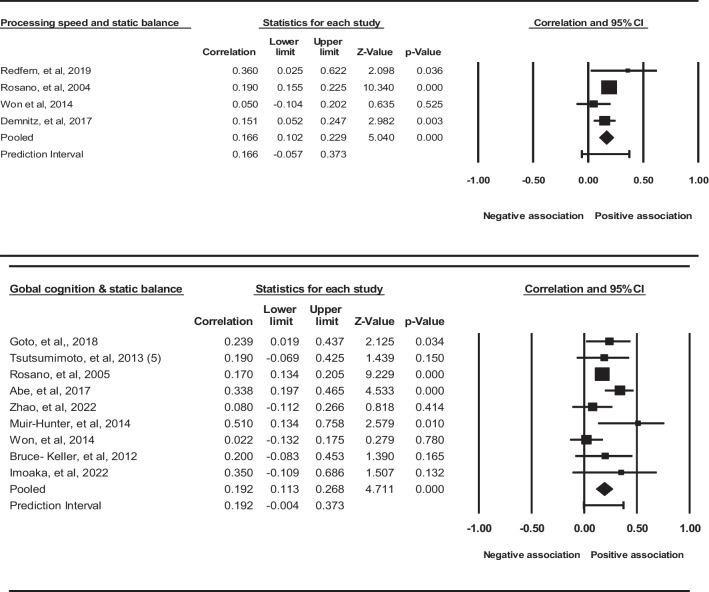
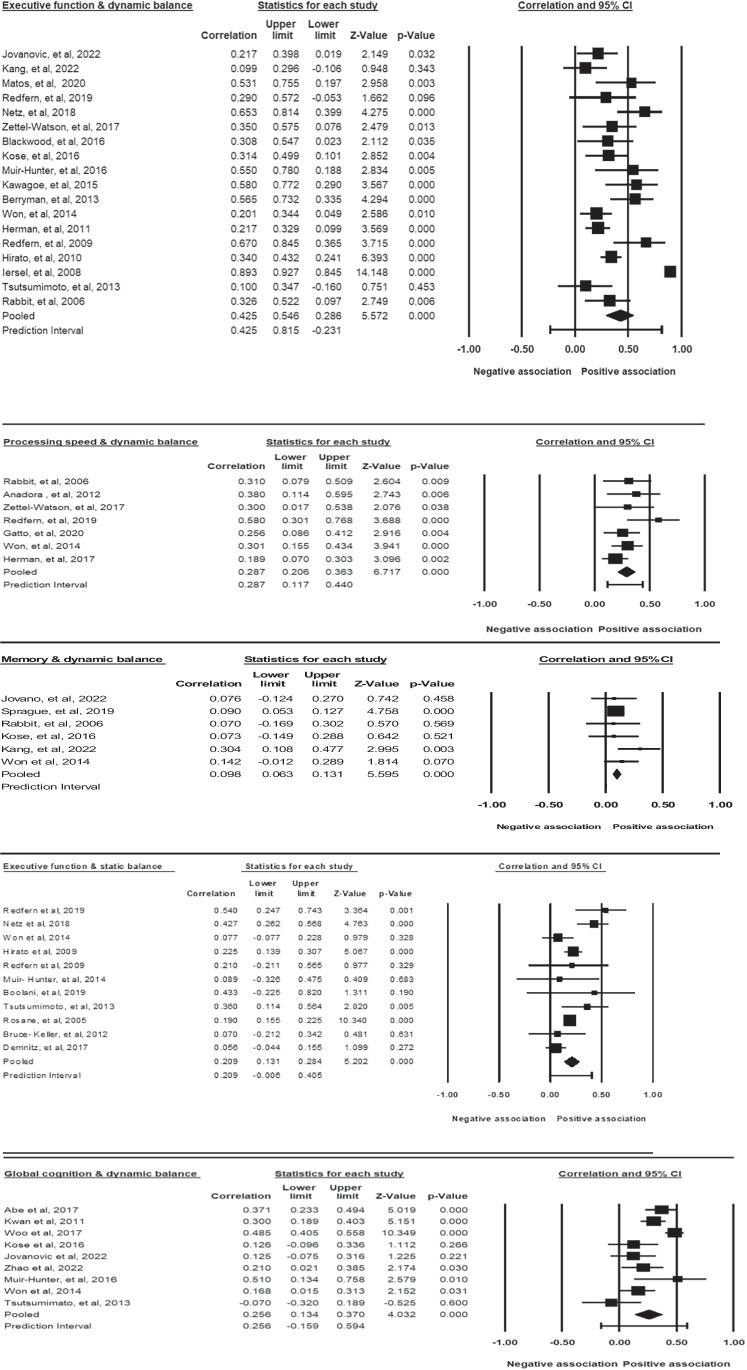
Based on recent reviews, inhibitory control, a part of cognition, plays a crucial role in balance performance. Previous reviews report significant links between cognition, mobility, and physical function in older adults. However, evidence regarding the relationship between cognition and balance scores remains inconclusive. The strength of association between cognition and balance appears to be domain-specific and task-specific. Executive function exhibits the strongest correlation with balance, while episodic memory shows a small link with dynamic balance. Processing speed and global cognition demonstrate moderate correlations. Additionally, there is a slight association between cognitive domains and static balance. Further research is needed to elucidate the underlying mechanisms and develop targeted interventions for managing balance-related concerns that are domain-specific and task-specific.
本综述旨在探讨哪种认知领域与哪种类型的平衡(静态或动态)更为密切相关。
基于最近的综述,认知的一个组成部分——抑制控制,在平衡表现中起着关键作用。之前的综述报告了认知、移动性和老年人身体功能之间的显著联系。然而,关于认知与平衡评分之间关系的证据仍不确定。认知与平衡之间的关联强度似乎是特定领域和特定任务的。执行功能与平衡的相关性最强,而情景记忆与动态平衡的相关性较小。加工速度和整体认知表现出中等相关性。此外,认知领域与静态平衡之间存在轻微关联。需要进一步的研究来阐明潜在的机制,并针对特定领域和特定任务的平衡相关问题制定有针对性的干预措施。