Łabędź Nina, Navarrete-Dechent Cristian, Kubisiak-Rzepczyk Honorata, Bowszyc-Dmochowska Monika, Pogorzelska-Antkowiak Anna, Pietkiewicz Paweł
Department of Dermatology, Paediatric Dermatology and Oncology, Biegański's Hospital, 91-347 Łódź, Poland.
Department of Dermatology, Melanoma and Skin Cancer Unit, Escuela de Medicina, Pontificia Universidad Católica de Chile, Santiago 8331150, Chile.
Life (Basel). 2023 Oct 22;13(10):2097. doi: 10.3390/life13102097.
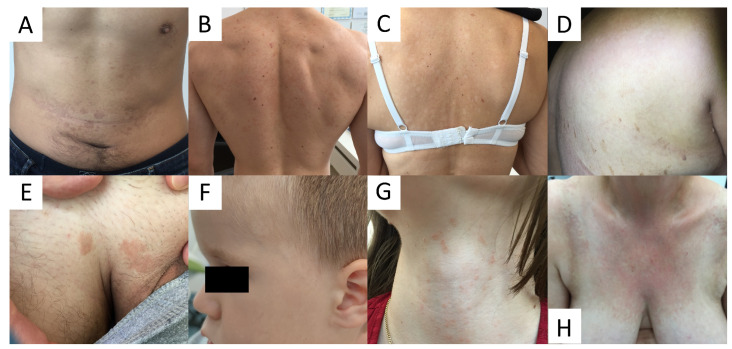
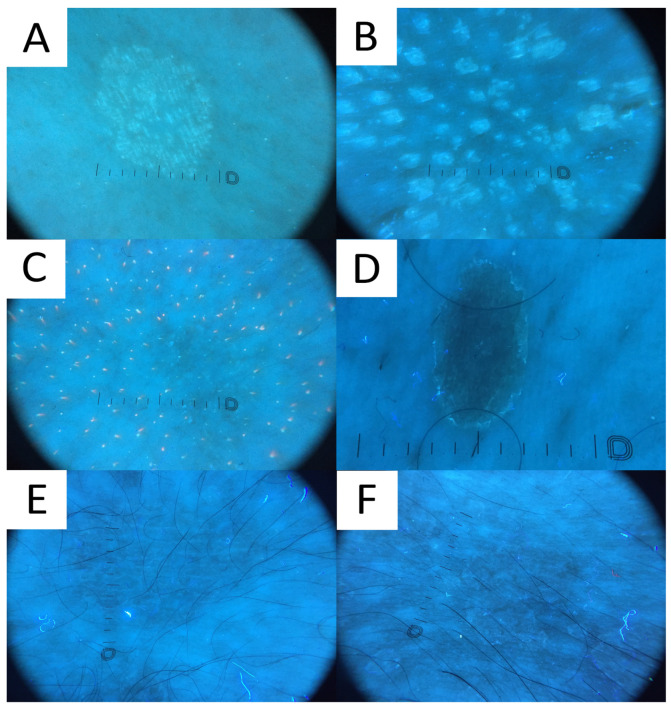
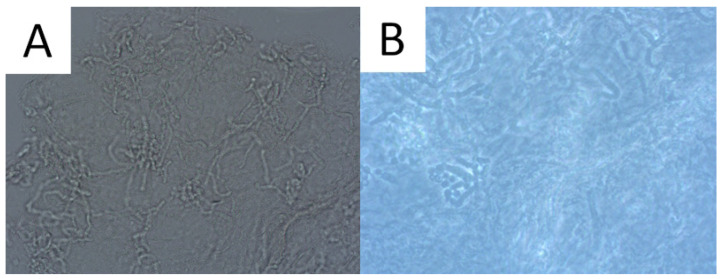
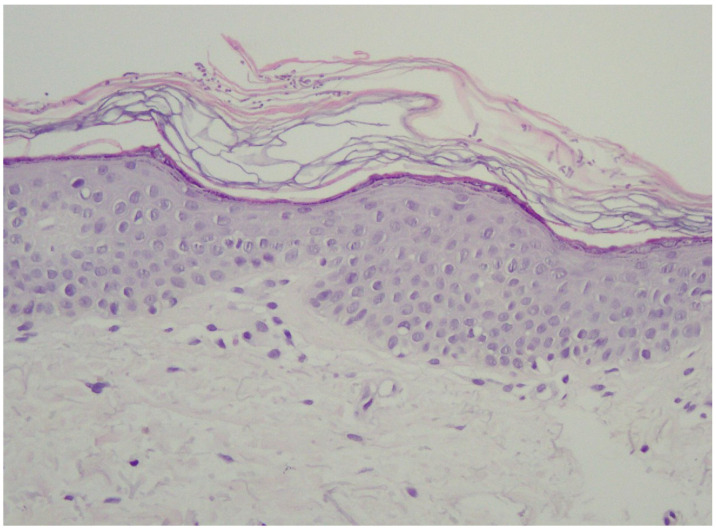
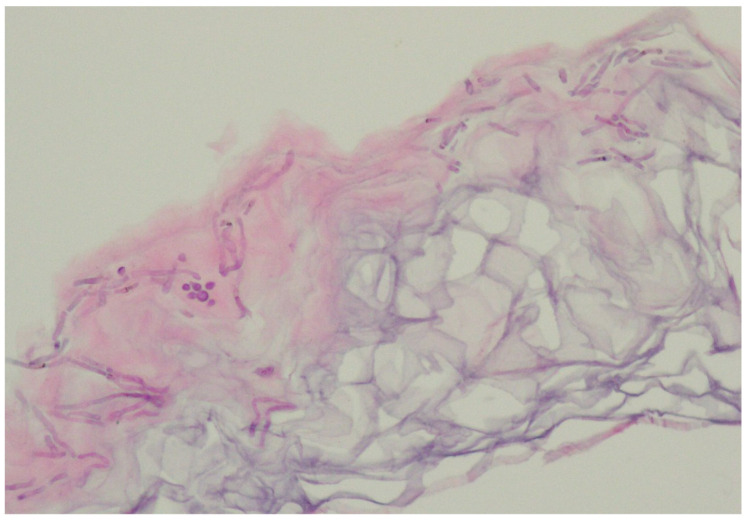
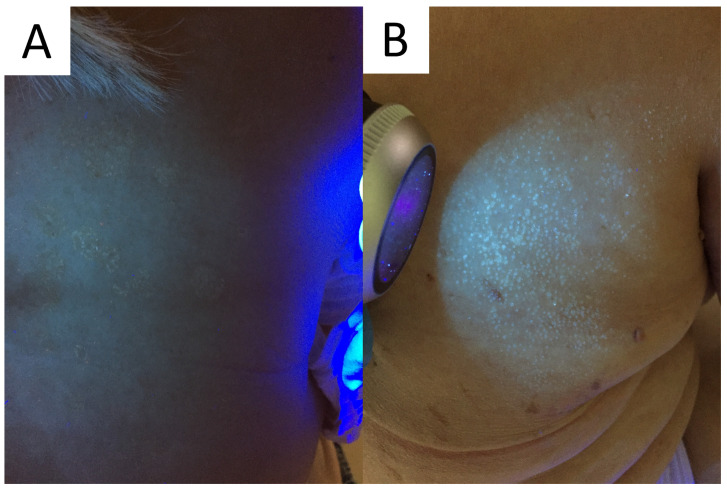
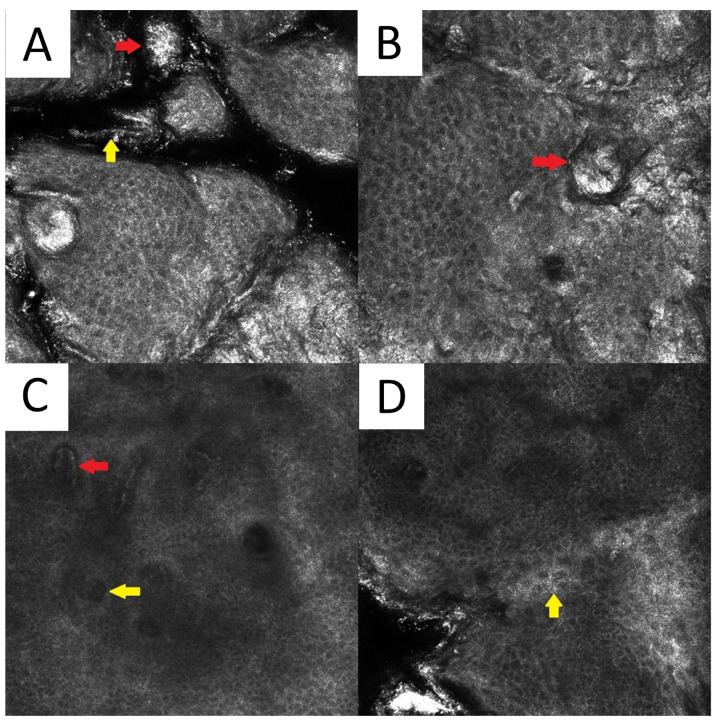
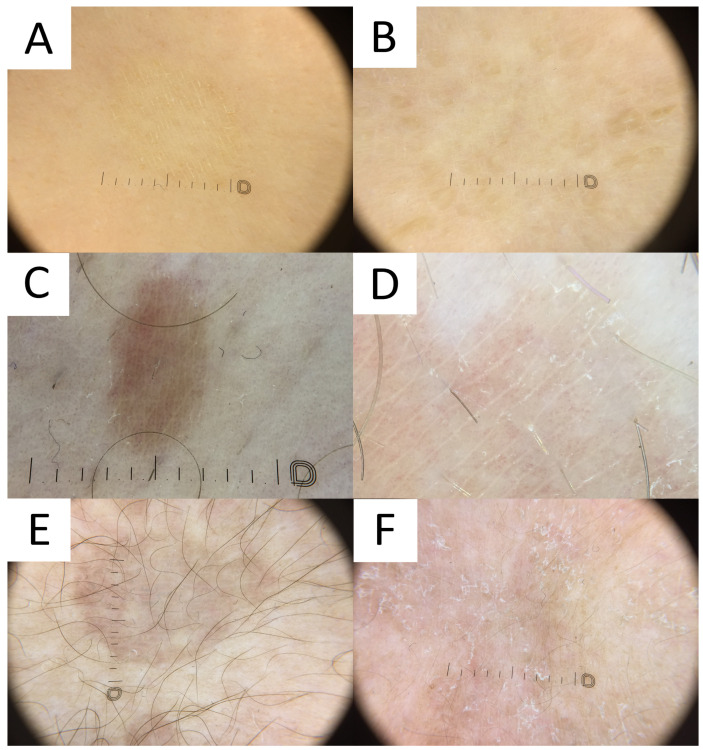
This narrative review presents a comprehensive overview of the diagnosis and management of pityriasis versicolor (PV), a common superficial fungal infection caused by the yeast Malassezia. PV is characterised by scaly hypopigmented or hyperpigmented patches, primarily affecting the upper trunk, neck, and upper arms. Regarding commensal interactions, Malassezia utilises nutrient sources without affecting the human host. In cases of pathogenicity, Malassezia can directly harm the host via virulence factors or toxins, or indirectly by triggering damaging host responses. The diagnosis typically relies on recognising characteristic clinical features. Due to the wide variability in its clinical presentation, recognising the differential diagnosis is critical. In this paper, we discuss the clinical differentials, with their dermatoscopic presentation, but also describe a range of helpful diagnostic techniques (microscopy, conventional and ultraviolet-induced fluorescence dermatoscopy, and confocal microscopy). Topical therapies are the primary treatment for PV, encompassing non-specific antifungal agents like sulphur with salicylic acid, selenium sulphide 2.5%, and zinc pyrithione. Additionally, specific topical antifungal medications with either fungicidal or fungistatic properties may also be incorporated into the topical treatment regimen, such as imidazoles, allylamines, and ciclopirox olamine. Systemic therapies might occasionally be used. Patient education and the promotion of good personal hygiene are pivotal to reduce the risk of recurrence. In recurrent cases, particularly during warmer and more humid periods, prolonged prophylaxis with topical agents should be considered.
本叙述性综述全面概述了花斑糠疹(PV)的诊断与管理,PV是一种由马拉色菌酵母引起的常见浅表真菌感染。PV的特征为鳞屑性色素减退或色素沉着斑,主要累及上躯干、颈部和上臂。关于共生相互作用,马拉色菌利用营养源而不影响人类宿主。在致病性情况下,马拉色菌可通过毒力因子或毒素直接损害宿主,或通过引发有害的宿主反应间接损害宿主。诊断通常依靠识别特征性临床特征。由于其临床表现差异很大,识别鉴别诊断至关重要。在本文中,我们讨论了临床鉴别诊断及其皮肤镜表现,还描述了一系列有用的诊断技术(显微镜检查、传统和紫外线诱导荧光皮肤镜检查以及共聚焦显微镜检查)。局部治疗是PV的主要治疗方法,包括非特异性抗真菌剂,如水杨酸硫磺、2.5%硫化硒和吡硫翁锌。此外,具有杀菌或抑菌特性的特定局部抗真菌药物也可纳入局部治疗方案,如咪唑类、烯丙胺类和环吡酮胺。偶尔可能会使用全身治疗。患者教育和促进良好的个人卫生对于降低复发风险至关重要。在复发病例中,尤其是在温暖潮湿的时期,应考虑使用局部药物进行长期预防。