CiSTEM Laboratory, Catholic iPSC Research Center, College of Medicine, The Catholic University of Korea, Seoul, 06591, Republic of Korea.
Department of Biomedicine and Health Science, College of Medicine, The Catholic University of Korea, Seoul, 06591, Republic of Korea.
Transl Neurodegener. 2023 Nov 9;12(1):50. doi: 10.1186/s40035-023-00384-8.
Alzheimer's disease (AD) is the most common neurodegenerative disorder in the elderly, resulting in gradual destruction of cognitive abilities. Research on the development of various AD treatments is underway; however, no definitive treatment has been developed yet. Herein, we present induced pluripotent stem cell (iPSC)-derived cortical neural stem cell secretome (CNSC-SE) as a new treatment candidate for AD and explore its efficacy.
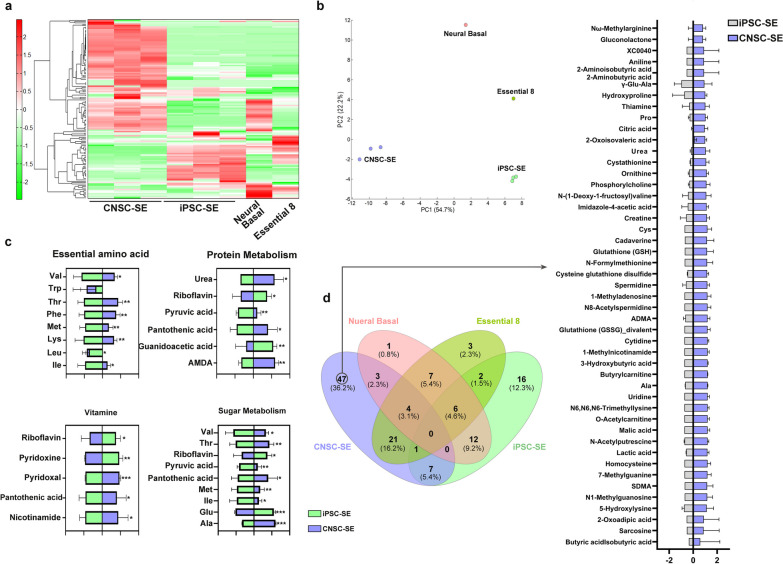
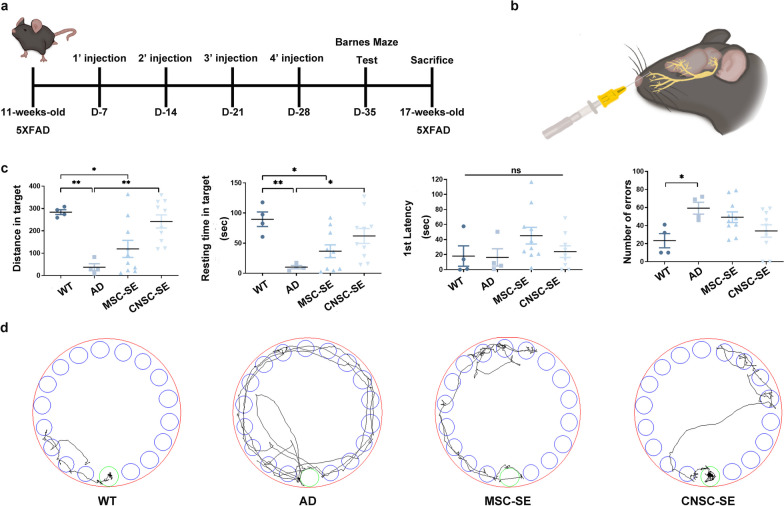
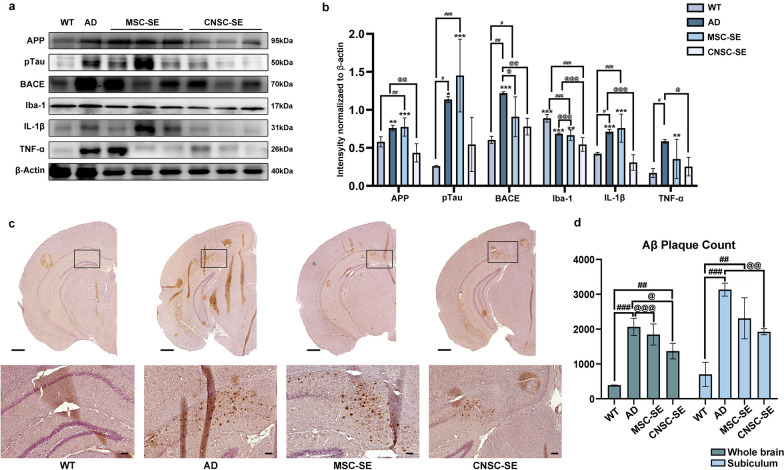
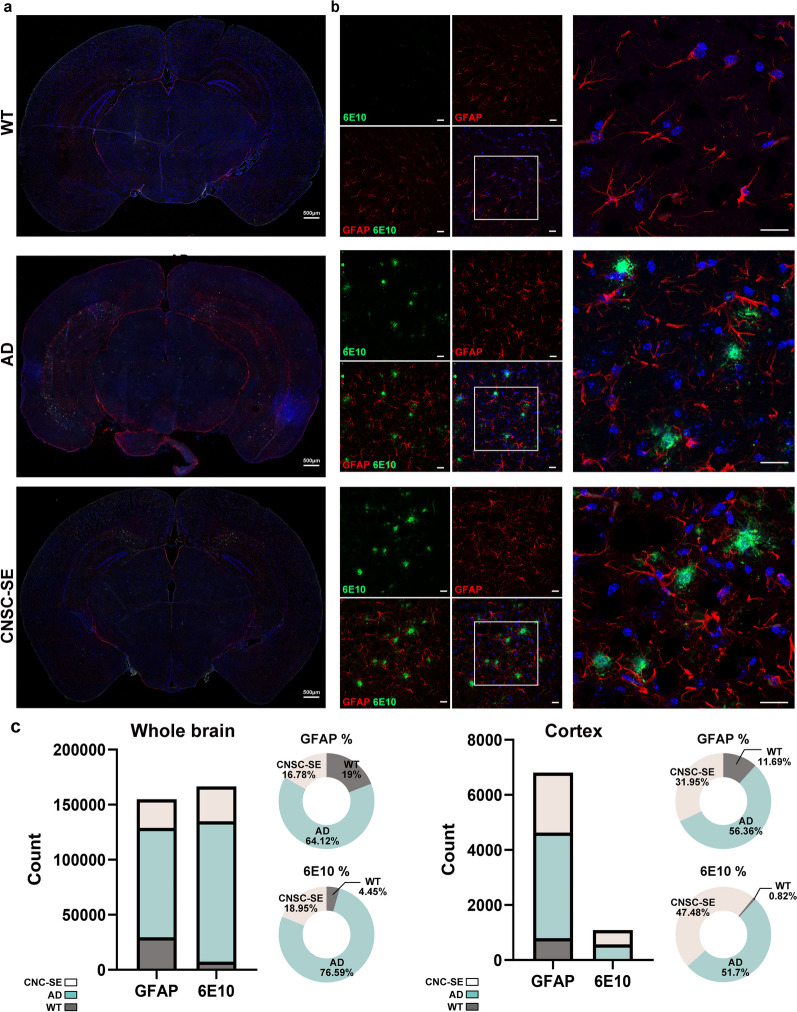
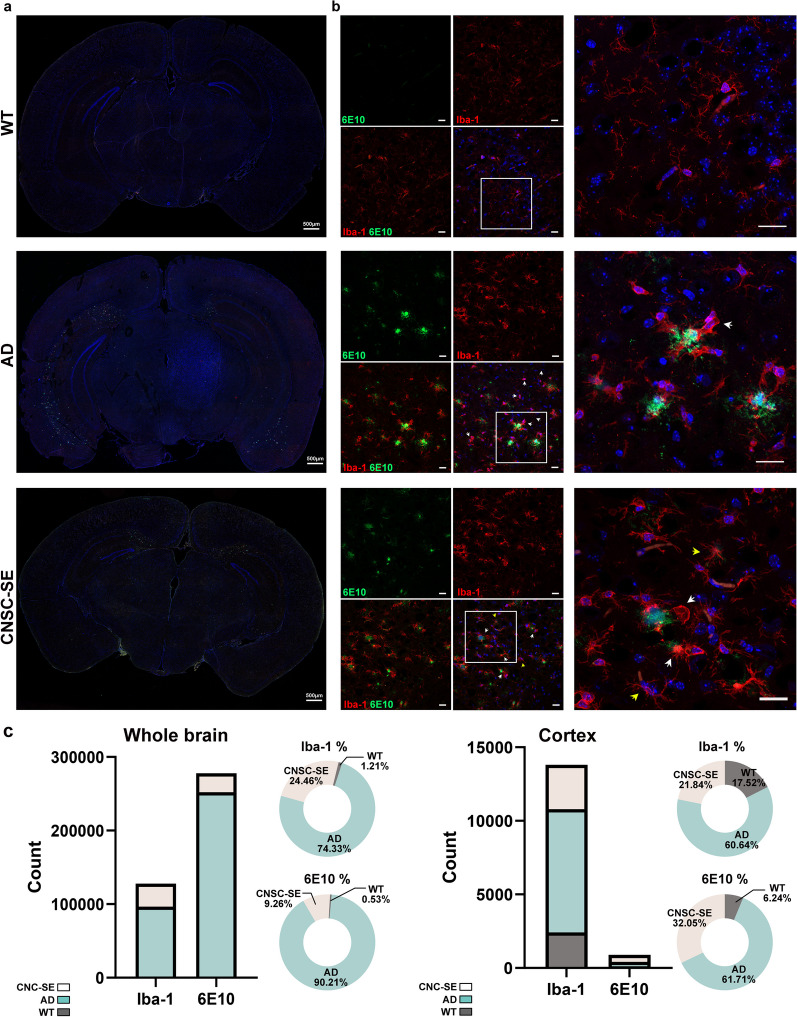
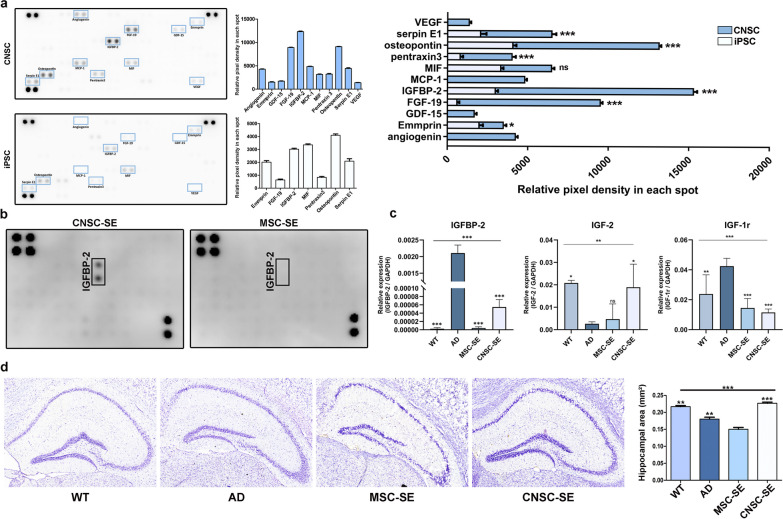
We first assessed the effects of CNSC-SE treatment on neural maturation and electromagnetic signal during cortical nerve cell differentiation. Then to confirm the efficacy in vivo, CNSC-SE was administered to the 5×FAD mouse model through the nasal cavity (5 μg/g, once a week, 4 weeks). The cell-mediated effects on nerve recovery, amyloid beta (Aβ) plaque aggregation, microglial and astrocyte detection in the brain, and neuroinflammatory responses were investigated. Metabolomics analysis of iPSC-derived CNSC-SE revealed that it contained components that could exert neuro-protective effects or amplify cognitive restorative effects.
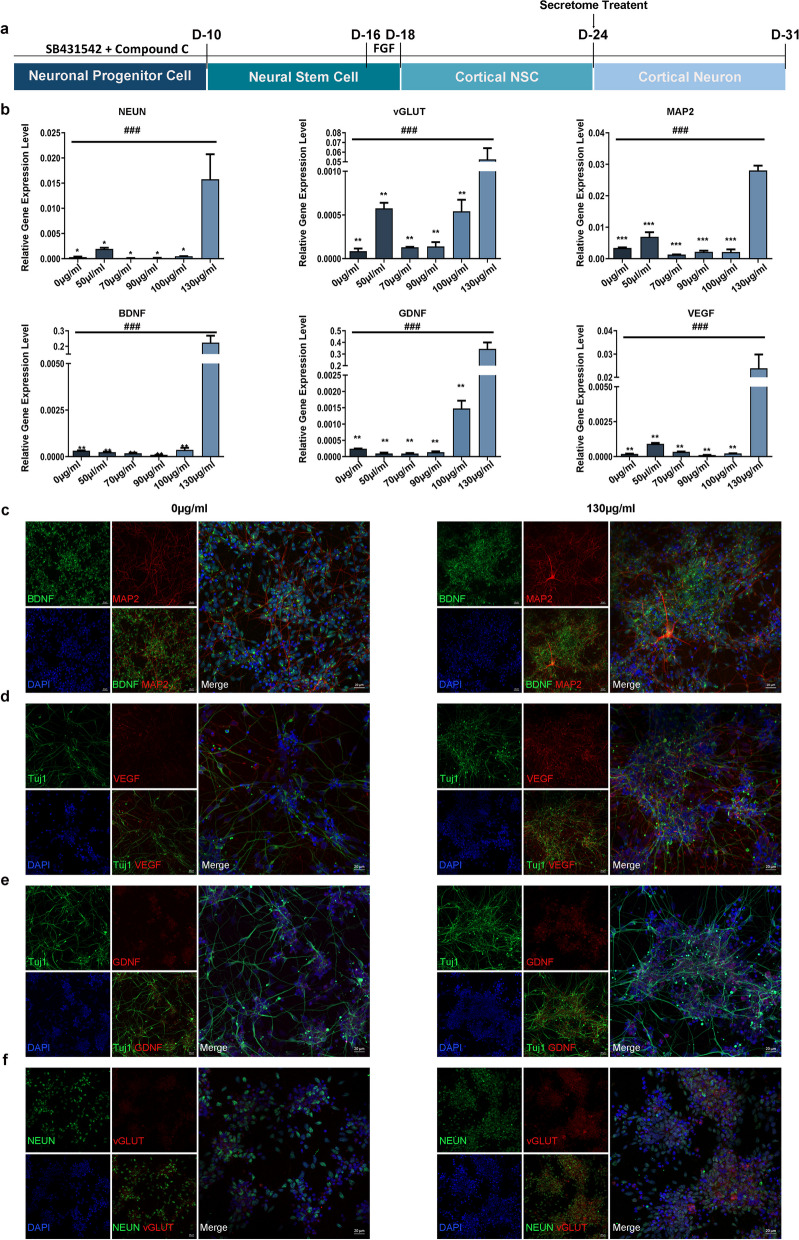
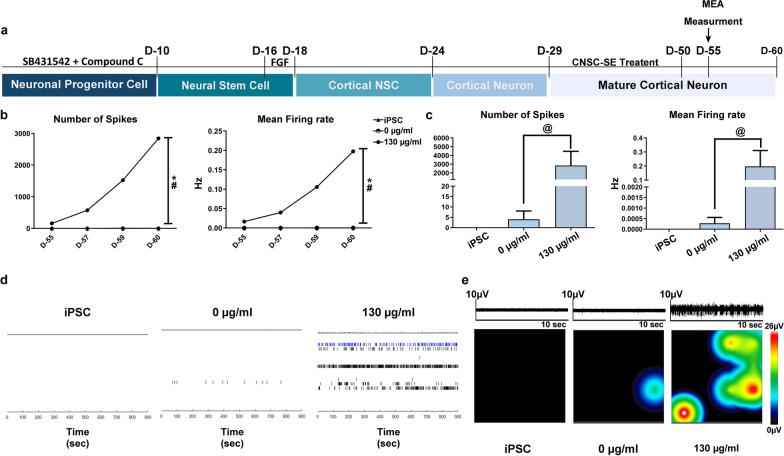
Human iPSC-derived CNSC-SE increased neuronal proliferation and dendritic structure formation in vitro. Furthermore, CNSC-SE-treated iPSC-derived cortical neurons acquired electrical network activity and action potential bursts. The 5×FAD mice treated with CNSC-SE showed memory restoration and reduced Aβ plaque accumulation.
Our findings suggest that the iPSC-derived CNSC-SE may serve as a potential, non-invasive therapeutic option for AD in reducing amyloid infiltration and restoring memory.
阿尔茨海默病(AD)是老年人中最常见的神经退行性疾病,导致认知能力逐渐丧失。目前正在研究各种 AD 治疗方法;然而,尚未开发出明确的治疗方法。在此,我们提出诱导多能干细胞(iPSC)衍生的皮质神经干细胞分泌组(CNSC-SE)作为 AD 的一种新的治疗候选物,并探讨其疗效。
我们首先评估了 CNSC-SE 处理对皮质神经细胞分化过程中神经成熟和电磁信号的影响。然后为了在体内确认疗效,通过鼻腔向 5×FAD 小鼠模型给予 CNSC-SE(5μg/g,每周一次,4 周)。研究了 CNSC-SE 对神经恢复、脑内淀粉样β(Aβ)斑块聚集、小胶质细胞和星形胶质细胞检测以及神经炎症反应的细胞介导作用。对 iPSC 衍生的 CNSC-SE 的代谢组学分析表明,它包含能够发挥神经保护作用或增强认知恢复作用的成分。
人 iPSC 衍生的 CNSC-SE 增加了体外神经元的增殖和树突结构形成。此外,CNSC-SE 处理的 iPSC 衍生的皮质神经元获得了电网络活动和动作电位爆发。用 CNSC-SE 处理的 5×FAD 小鼠表现出记忆恢复和减少 Aβ 斑块积累。
我们的研究结果表明,iPSC 衍生的 CNSC-SE 可能是一种潜在的、非侵入性的 AD 治疗选择,可减少淀粉样蛋白浸润并恢复记忆。