Karasavvidis Theofilos, Pagan Moldenhauer Cale A, Lustig Sébastien, Vigdorchik Jonathan M, Hirschmann Michael T
Adult Reconstruction and Joint Replacement Service, Department of Orthopaedic Surgery, Hospital for Special Surgery, 535 East 70th Street, New York, NY, 10021, USA.
Department of Orthopaedic Surgery and Sports Medicine, Croix-Rousse Hospital, Lyon, 69004, France.
J Exp Orthop. 2023 Nov 22;10(1):120. doi: 10.1186/s40634-023-00697-7.
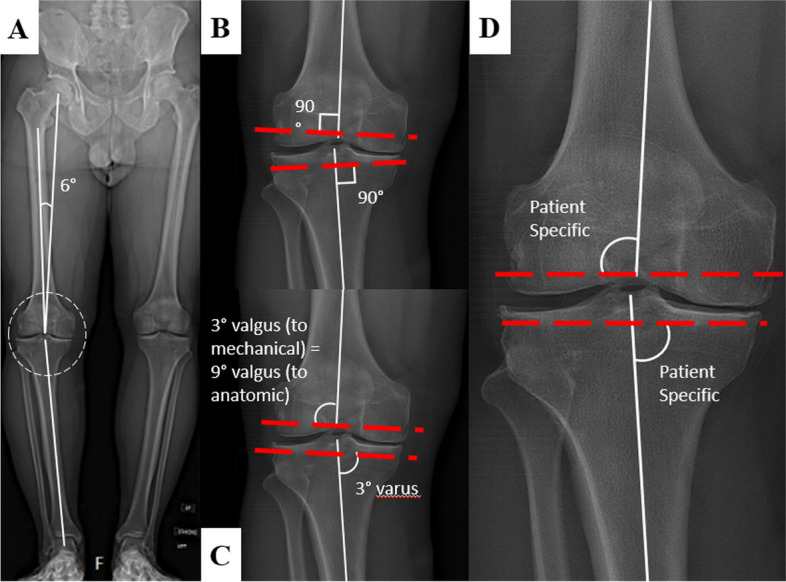
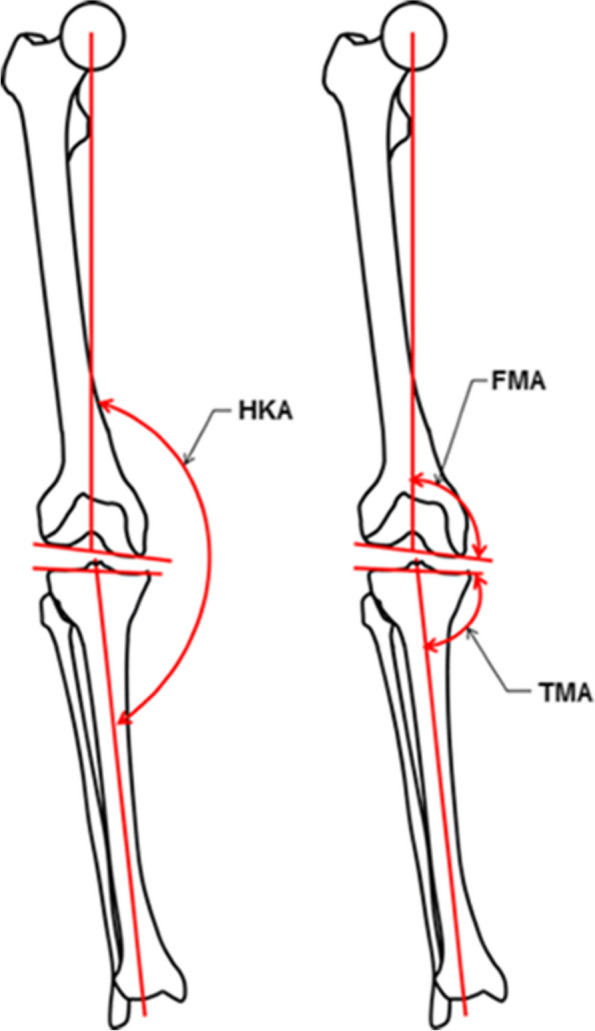
Dissatisfaction following total knee arthroplasty (TKA) has been extensively documented and it was attributed to numerous factors. In recent years, significant focus has been directed towards implant alignment and stability as potential causes and solutions to this issue. Surgeons are now exploring a more personalized approach to TKA, recognizing the importance of thoroughly understanding each individual patient's anatomy and functional morphology. A more comprehensive preoperative analysis of alignment and knee morphology is essential to address the unresolved questions in knee arthroplasty effectively. The crucial task of determining the most appropriate alignment strategy for each patient arises, given the substantial variability in bone resection resulting from the interplay of phenotype and the alignment strategy chosen. This review aims to comprehensively present the definitions of different alignment techniques in all planes and discuss the consequences dependent on knee phenotypes.Level of evidence V.
全膝关节置换术(TKA)后的不满意情况已有大量文献记载,且其归因于众多因素。近年来,人们将大量注意力投向植入物的对线和稳定性,将其视为该问题的潜在原因及解决方案。外科医生如今正在探索一种更个性化的TKA方法,认识到全面了解每个患者的解剖结构和功能形态的重要性。对膝关节对线和形态进行更全面的术前分析,对于有效解决膝关节置换术中尚未解决的问题至关重要。鉴于表型与所选对线策略相互作用导致骨切除存在很大差异,为每位患者确定最合适的对线策略这一关键任务应运而生。本综述旨在全面介绍所有平面不同对线技术的定义,并讨论依赖于膝关节表型的后果。证据等级V。