Tassew Worku Chekol, Ferede Yeshiwas Ayal, Sisay Woldie Samson, Yirdaw Berhanu Wale, Fenta Hussien Habiba, Bayuh Yimer Bimrew, Gismie Hailemariam Dawit, Adane Mengistu Banchigizie, Mengistie Zeleke Agerie
Department of Medical Nursing, Teda Health Science College, Gondar, Ethiopia.
Department of Reproductive health, Teda Health Science College, Gondar, Ethiopia.
SAGE Open Med. 2023 Dec 24;11:20503121231194429. doi: 10.1177/20503121231194429. eCollection 2023.
In spite of, the need for evidence-based intervention on the potential harmful effects of self-medication practices during pregnancy, there is no systematic review and meta-analysis study regarding self-medication practices in Ethiopia. Therefore, the aim of this study is to determine prevalence of self-medication practice and associated factors among pregnant women in Ethiopia.
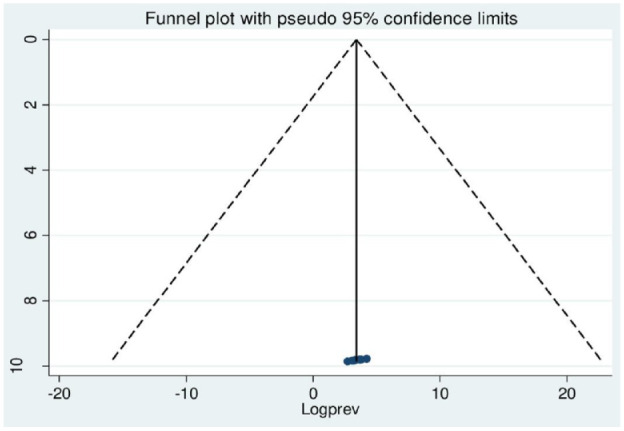
We used PubMed, the Cochrane Library, Google Scholar, the Wiley Online Library, and African Journals Online to choose important studies. The -squared statistic method was used to check for heterogeneity between studies. Random effect model was used to estimate the pool prevalence of self-medication among pregnant women. Publication bias was determined by the funnel plot and Egger's test.
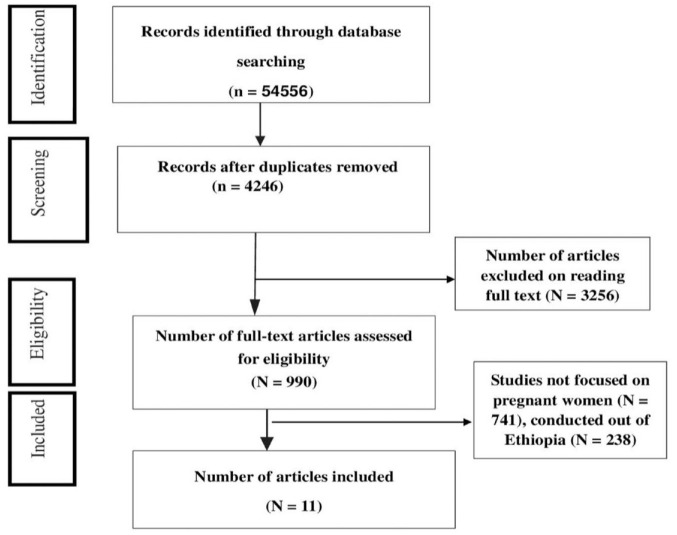
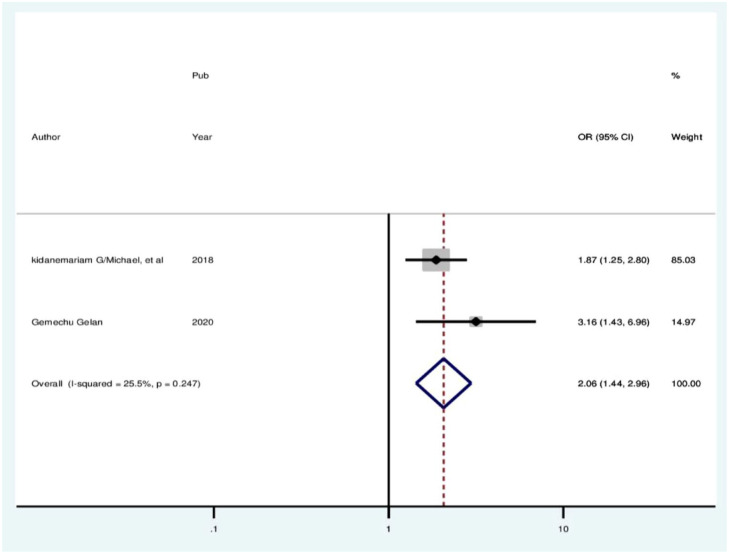
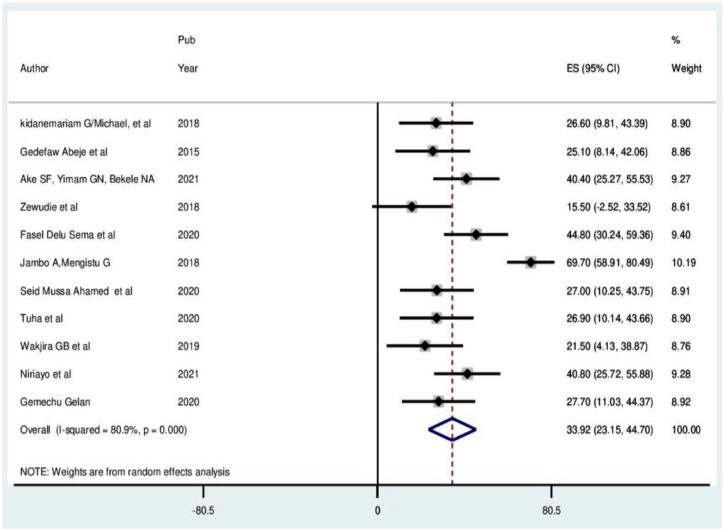
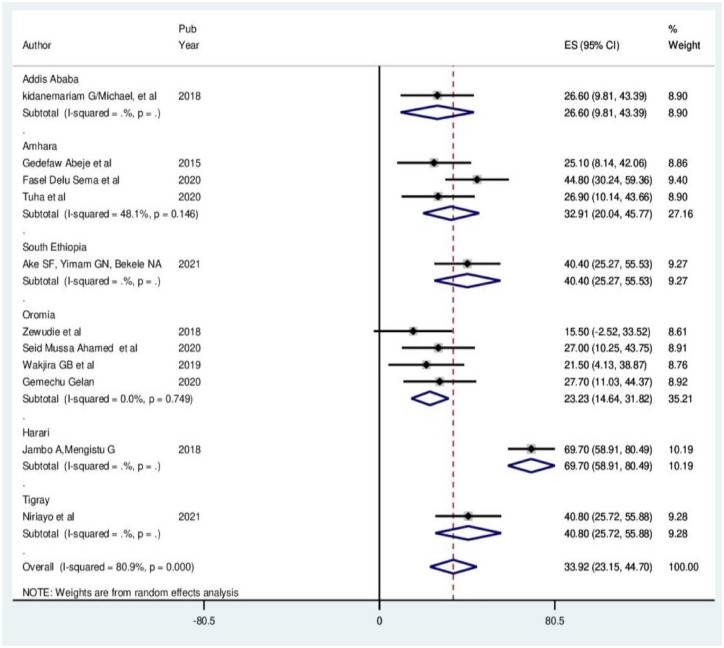
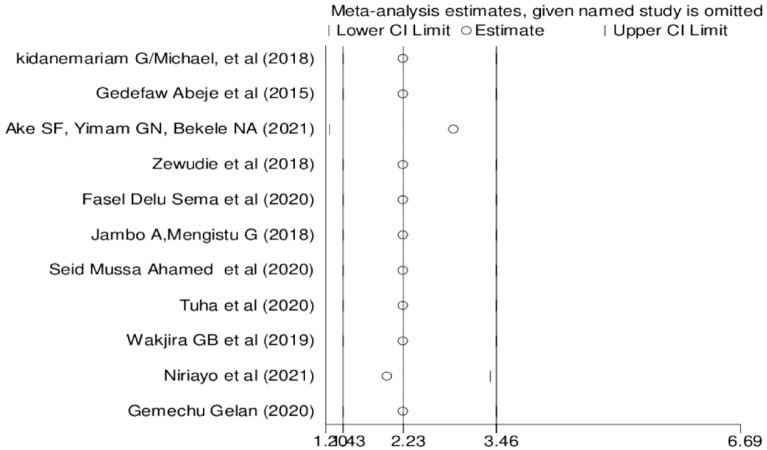
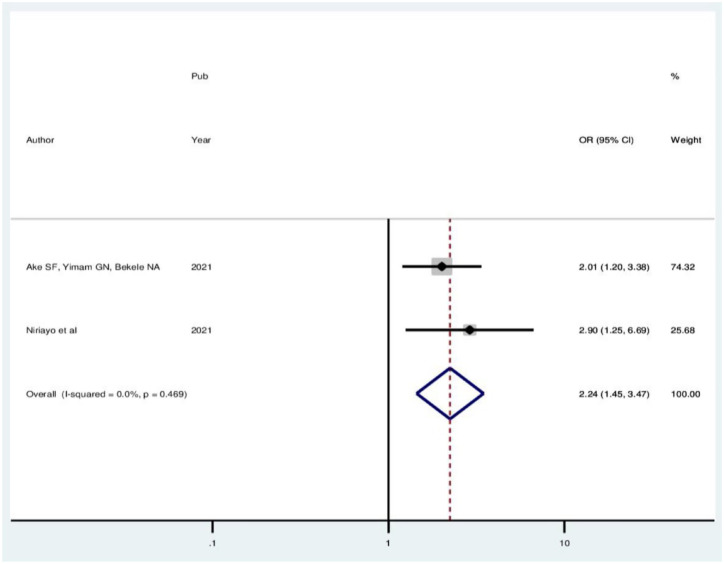
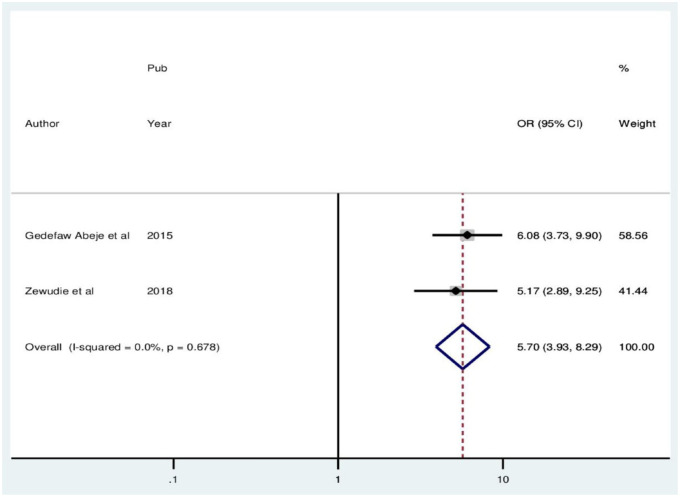
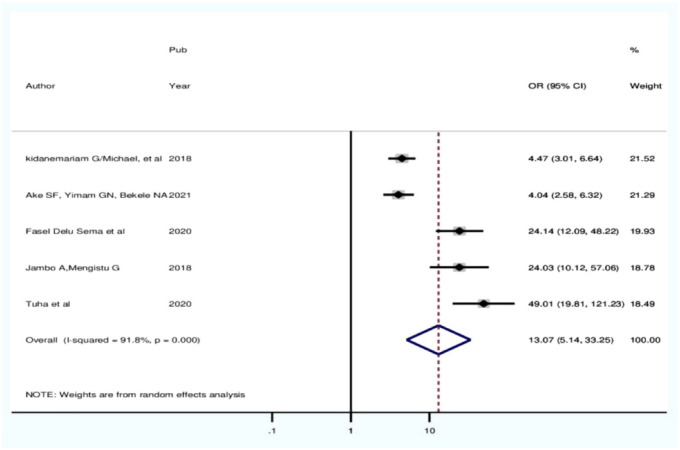
A total of 11 studies with 4643 study participants were included in this review. The finding from the current meta-analysis showed that the overall prevalence of self-medication practice among pregnant women is 33.92% (95% CI: 23.15-44.70, ² value = 80.9%). First trimester of pregnancy (OR: 2.24, 95% CI: 1.44-3.47), women who faced health problems during pregnancies at the moment (OR: 5.7, 95% CI: 3.92-8.29), previous self-medication practice (OR: 13.07, 95% CI: 5.14-33.25) and previous pregnancy-related problems (OR: 2.065, 95% CI: 1.44-2.96) were positively associated with self-medication practice among pregnant women.
The prevalence of self-medication practices among pregnant women is found to be high. Self-medication practices of the pregnant women were significantly higher among women who were in first-trimester pregnancy, encountered illness during pregnancy, previous self-medication history, and previous pregnancy-related problems.Prospero registration number: CRD42023394907.
尽管有必要对孕期自我药疗行为的潜在有害影响进行循证干预,但埃塞俄比亚尚无关于自我药疗行为的系统评价和荟萃分析研究。因此,本研究的目的是确定埃塞俄比亚孕妇自我药疗行为的患病率及相关因素。
我们使用PubMed、Cochrane图书馆、谷歌学术、Wiley在线图书馆和非洲期刊在线来筛选重要研究。采用I²统计方法检查研究间的异质性。随机效应模型用于估计孕妇自我药疗的合并患病率。通过漏斗图和Egger检验确定发表偏倚。
本综述共纳入11项研究,4643名研究参与者。当前荟萃分析的结果显示,孕妇自我药疗行为的总体患病率为33.92%(95%CI:23.15-44.70,I²值=80.9%)。妊娠早期(OR:2.24,95%CI:1.44-3.47)、当前孕期面临健康问题的女性(OR:5.7,95%CI:3.92-8.29)、既往自我药疗行为(OR:13.07,95%CI:5.14-33.25)和既往妊娠相关问题(OR:2.065,95%CI:1.44-2.96)与孕妇自我药疗行为呈正相关。
发现孕妇自我药疗行为的患病率较高。妊娠早期、孕期患病、有既往自我药疗史和既往妊娠相关问题的孕妇自我药疗行为显著更高。
CRD42023394907。