Helmholtz Institute for RNA-Based Infection Research (HIRI), Helmholtz Centre for Infection Research (HZI), Würzburg, 97080, Germany.
Helmholtz AI, Helmholtz Zentrum München, Neuherberg, 85764, Germany.
Genome Biol. 2024 Jan 11;25(1):13. doi: 10.1186/s13059-023-03153-y.
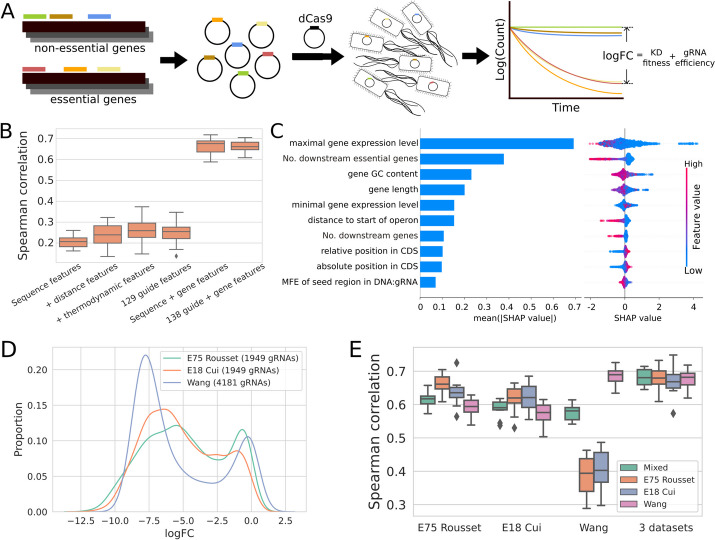
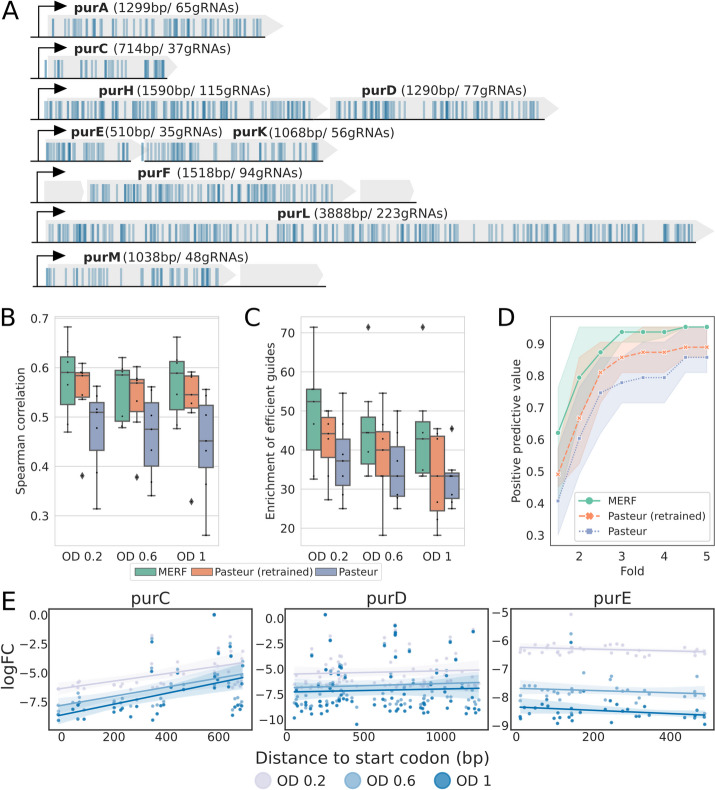
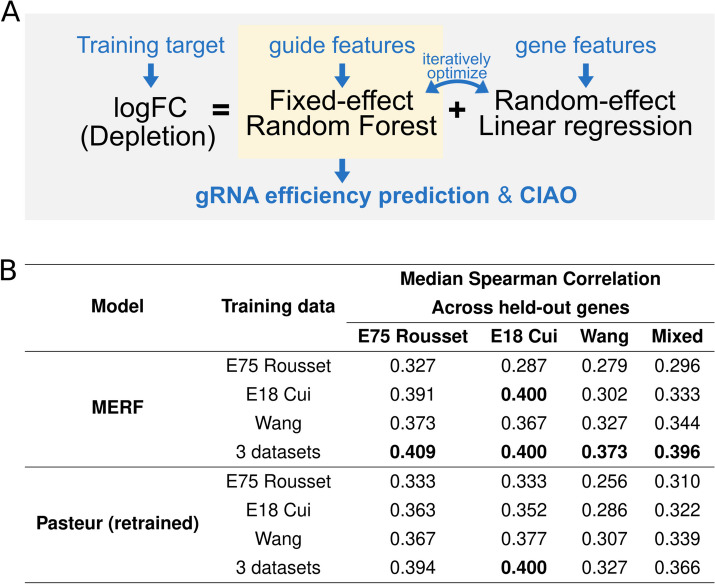
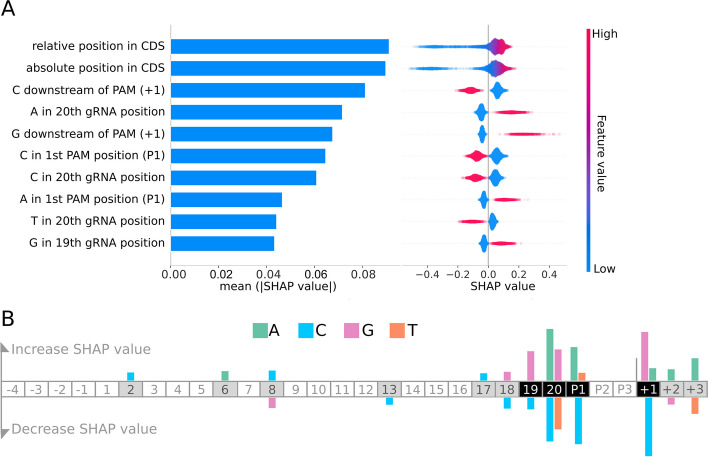
CRISPR interference (CRISPRi) is the leading technique to silence gene expression in bacteria; however, design rules remain poorly defined. We develop a best-in-class prediction algorithm for guide silencing efficiency by systematically investigating factors influencing guide depletion in genome-wide essentiality screens, with the surprising discovery that gene-specific features substantially impact prediction. We develop a mixed-effect random forest regression model that provides better estimates of guide efficiency. We further apply methods from explainable AI to extract interpretable design rules from the model. This study provides a blueprint for predictive models for CRISPR technologies where only indirect measurements of guide activity are available.
CRISPR 干扰 (CRISPRi) 是一种在细菌中沉默基因表达的主要技术;然而,设计规则仍未得到明确界定。我们通过系统地研究影响全基因组必需性筛选中指导物耗尽的因素,开发了一种最先进的指导物沉默效率预测算法,令人惊讶的是,基因特异性特征对预测有很大的影响。我们开发了一种混合效应随机森林回归模型,该模型提供了更好的指导效率估计。我们还应用人工智能的可解释性方法从模型中提取可解释的设计规则。这项研究为只有间接测量指导活性的 CRISPR 技术的预测模型提供了蓝图。