Pathology Unit, Department of Oncology, Microbiology and Immunology (OMI), Faculty of Science and Medicine, University of Fribourg, Fribourg, Switzerland.
Translational Data Science Group, Swiss Institute of Bioinformatics, Lausanne, Switzerland.
J Clin Invest. 2024 Jan 18;134(6):e166847. doi: 10.1172/JCI166847.
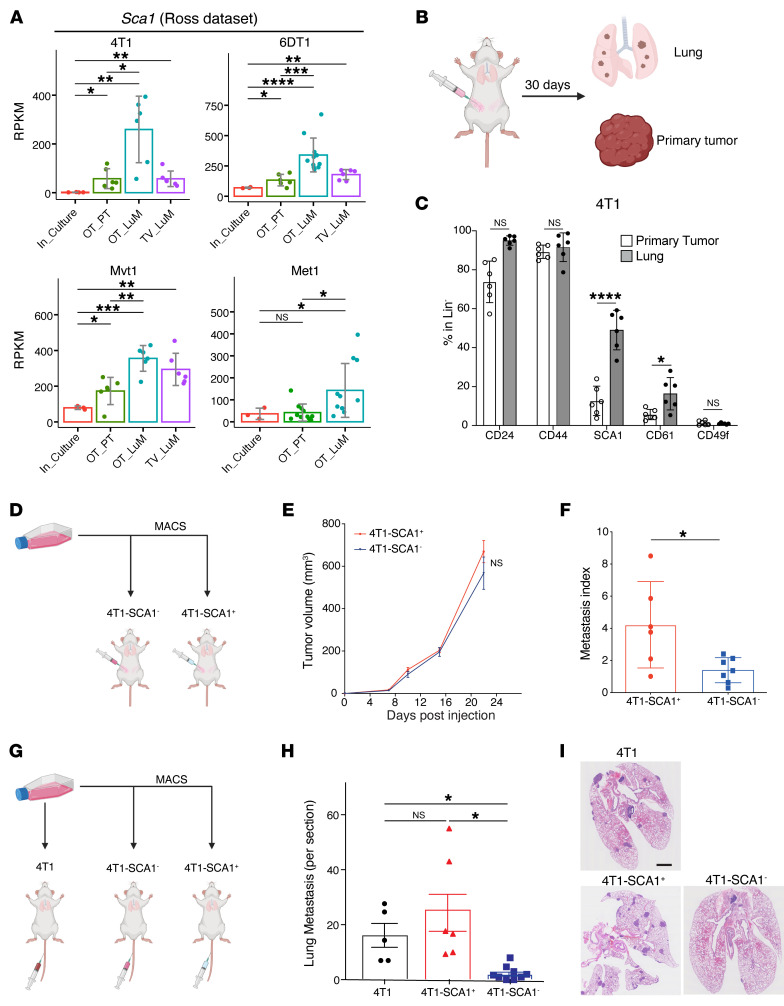
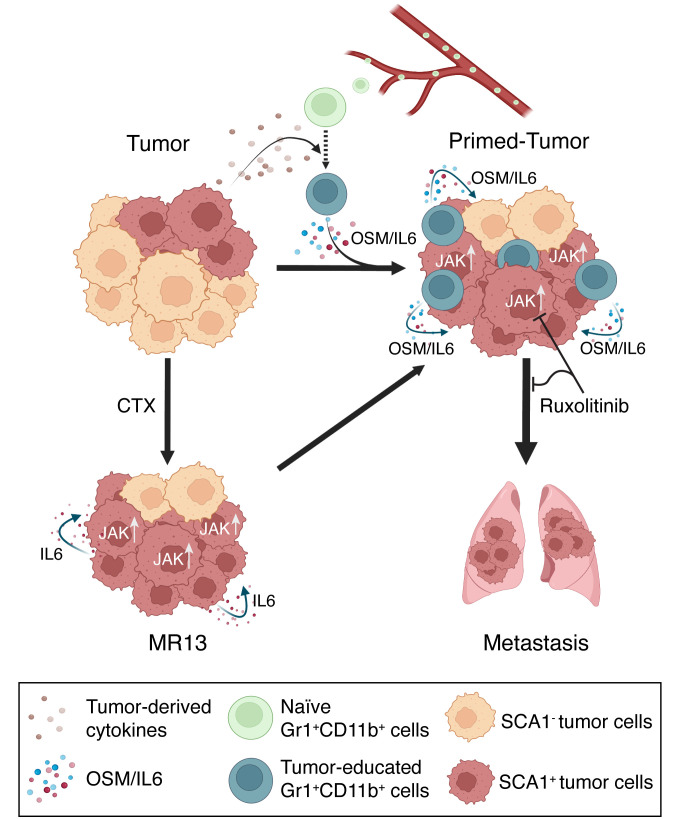
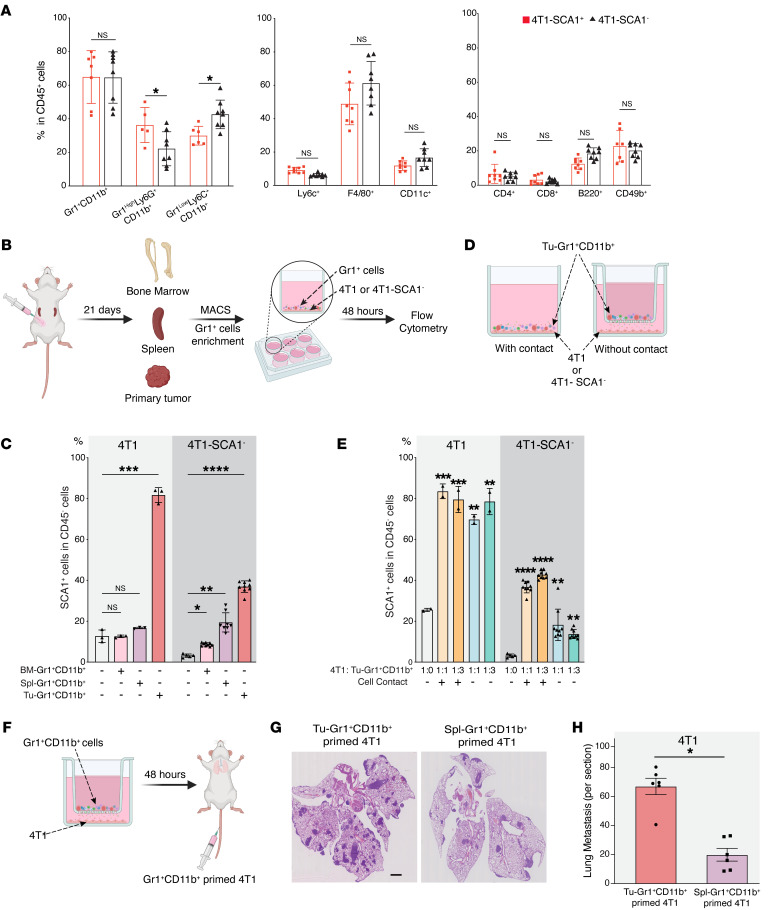
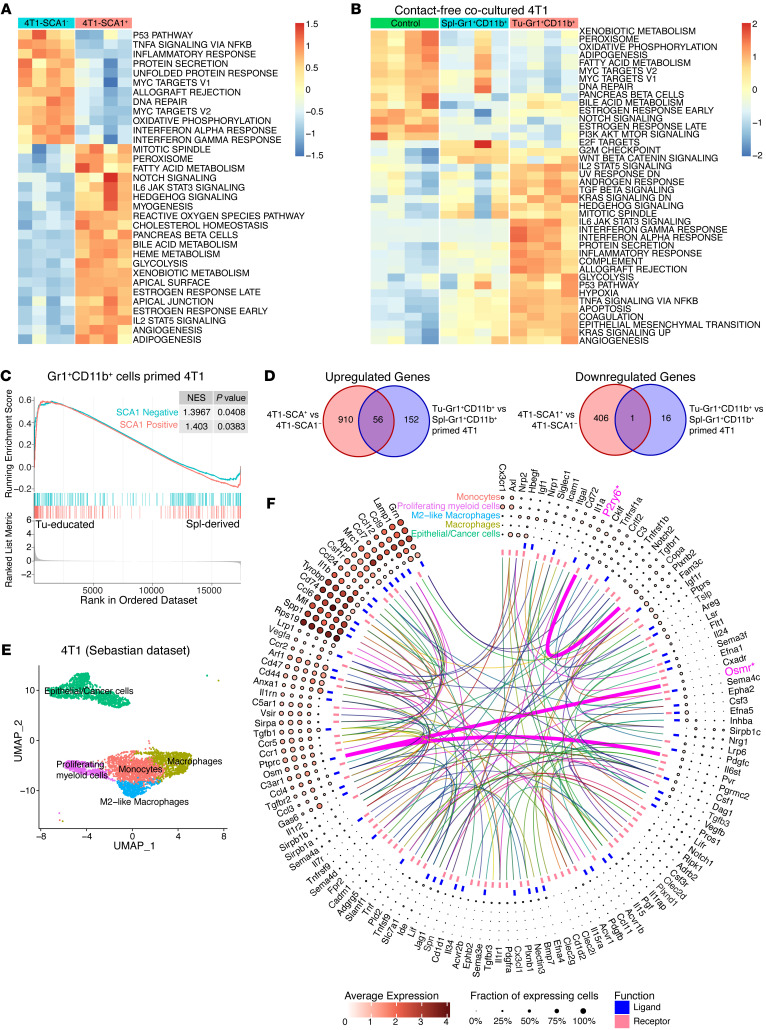
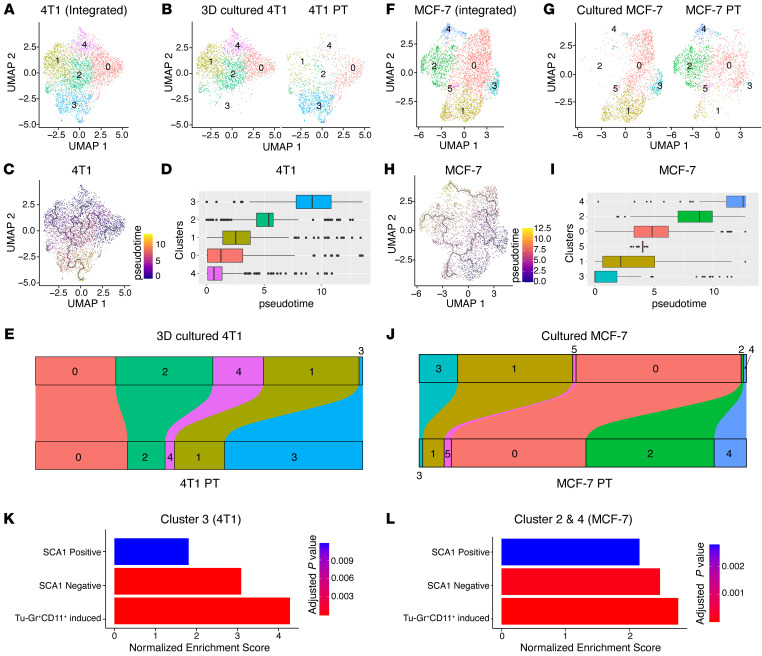
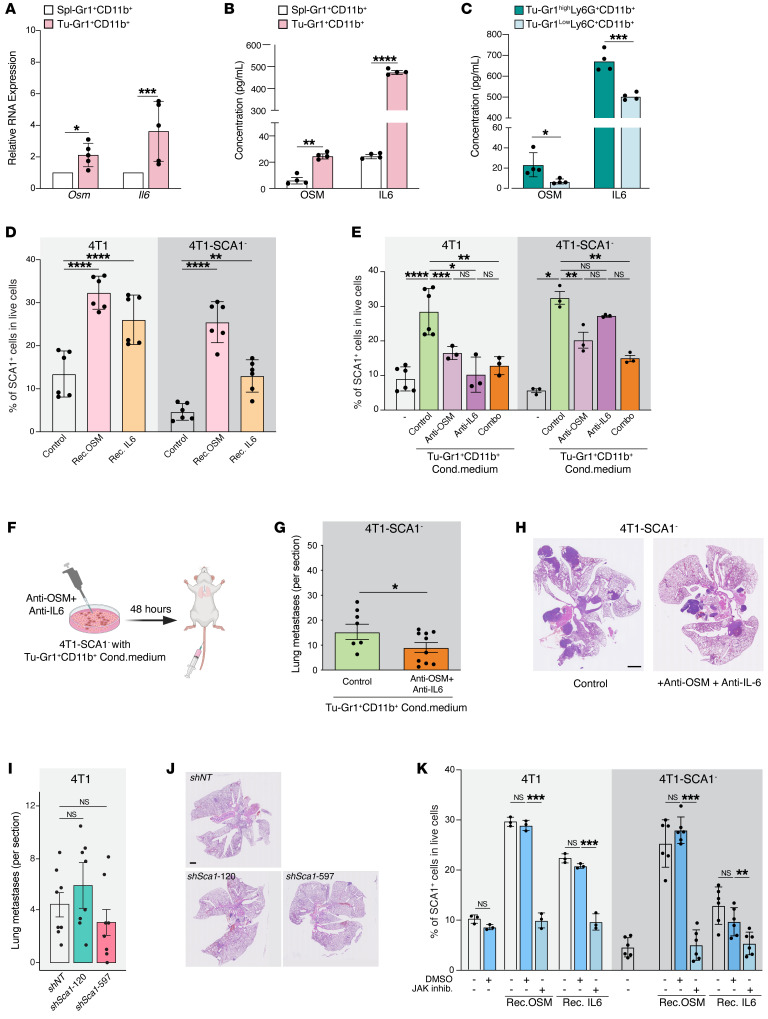
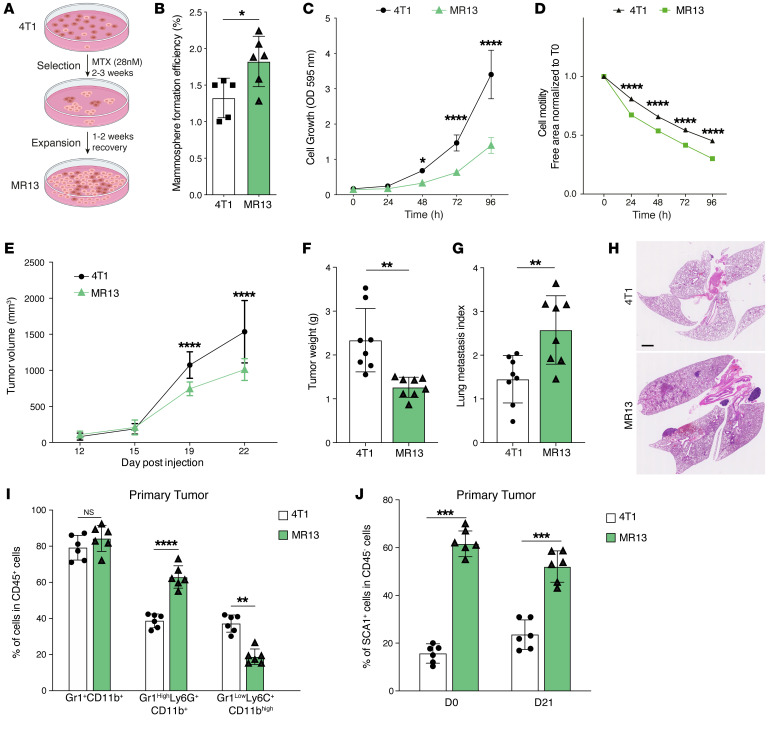
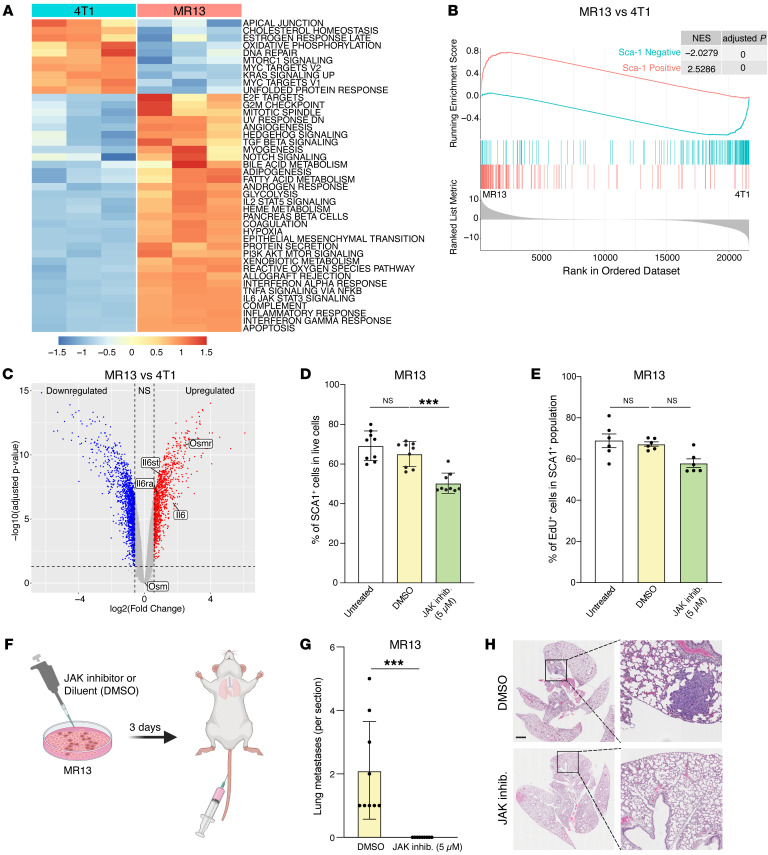
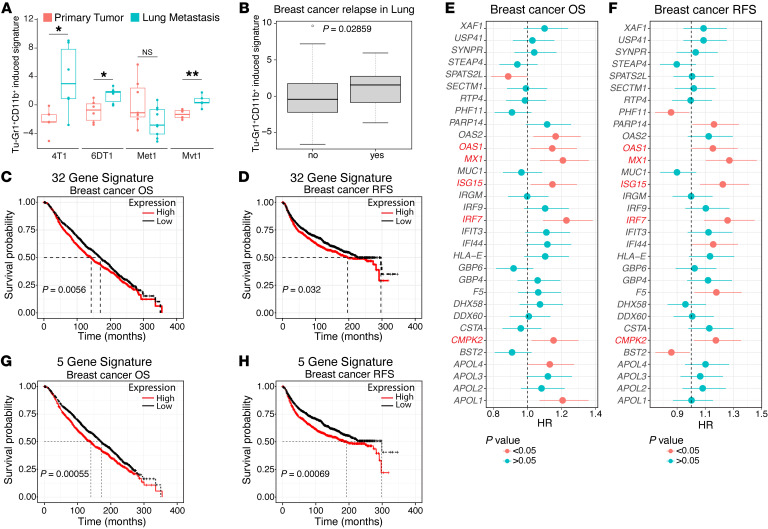
Cancer cell plasticity contributes to therapy resistance and metastasis, which represent the main causes of cancer-related death, including in breast cancer. The tumor microenvironment drives cancer cell plasticity and metastasis, and unraveling the underlying cues may provide novel strategies for managing metastatic disease. Using breast cancer experimental models and transcriptomic analyses, we show that stem cell antigen-1 positive (SCA1+) murine breast cancer cells enriched during tumor progression and metastasis had higher in vitro cancer stem cell-like properties, enhanced in vivo metastatic ability, and generated tumors rich in Gr1hiLy6G+CD11b+ cells. In turn, tumor-educated Gr1+CD11b+ (Tu-Gr1+CD11b+) cells rapidly and transiently converted low metastatic SCA1- cells into highly metastatic SCA1+ cells via secreted oncostatin M (OSM) and IL-6. JAK inhibition prevented OSM/IL-6-induced SCA1+ population enrichment, while OSM/IL-6 depletion suppressed Tu-Gr1+CD11b+-induced SCA1+ population enrichment in vitro and metastasis in vivo. Moreover, chemotherapy-selected highly metastatic 4T1 cells maintained high SCA1+ positivity through autocrine IL-6 production, and in vitro JAK inhibition blunted SCA1 positivity and metastatic capacity. Importantly, Tu-Gr1+CD11b+ cells invoked a gene signature in tumor cells predicting shorter overall survival (OS), relapse-free survival (RFS), and lung metastasis in breast cancer patients. Collectively, our data identified OSM/IL-6/JAK as a clinically relevant paracrine/autocrine axis instigating breast cancer cell plasticity and triggering metastasis.
肿瘤细胞可塑性有助于治疗耐药和转移,这是癌症相关死亡的主要原因,包括乳腺癌。肿瘤微环境驱动肿瘤细胞可塑性和转移,揭示潜在的线索可能为管理转移性疾病提供新策略。使用乳腺癌实验模型和转录组分析,我们表明,在肿瘤进展和转移过程中富集的干细胞抗原-1 阳性(SCA1+)鼠乳腺癌细胞具有更高的体外癌症干细胞样特性,增强了体内转移能力,并产生富含 Gr1hiLy6G+CD11b+细胞的肿瘤。反过来,肿瘤衍生的 Gr1+CD11b+(Tu-Gr1+CD11b+)细胞通过分泌的肿瘤坏死因子-α(OSM)和白细胞介素-6(IL-6),可迅速和短暂地将低转移性 SCA1-细胞转化为高转移性 SCA1+细胞。JAK 抑制阻止了 OSM/IL-6 诱导的 SCA1+群体富集,而 OSM/IL-6 耗竭则抑制了 Tu-Gr1+CD11b+-诱导的 SCA1+群体在体外和体内的富集和转移。此外,化疗选择的高转移性 4T1 细胞通过自分泌白细胞介素-6(IL-6)的产生保持高 SCA1+阳性,而体外 JAK 抑制减弱了 SCA1 阳性和转移能力。重要的是,Tu-Gr1+CD11b+细胞在肿瘤细胞中引发了一个基因特征,该特征预测了乳腺癌患者的总生存(OS)、无复发生存(RFS)和肺转移的时间更短。总之,我们的数据确定了 OSM/IL-6/JAK 作为一种临床相关的旁分泌/自分泌轴,引发乳腺癌细胞可塑性并触发转移。