Yu Zheping, Zhang Shuwen, Sun Li, Liang Senmiao, Zheng Xiliang, Ren Haiying, Qi Xingjiang
State Key Laboratory for Managing Biotic and Chemical Threats to Quality and Safety of Agro-Products, Institute of Horticulture, Zhejiang Academy of Agricultural Sciences, Hangzhou 310021, China.
Xianghu Laboratory, Hangzhou 311231, China.
Antioxidants (Basel). 2023 Dec 29;13(1):61. doi: 10.3390/antiox13010061.
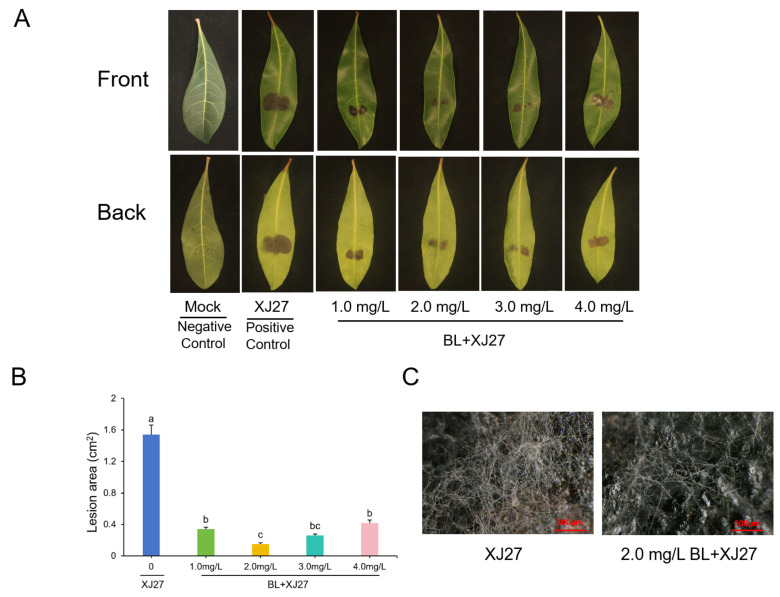
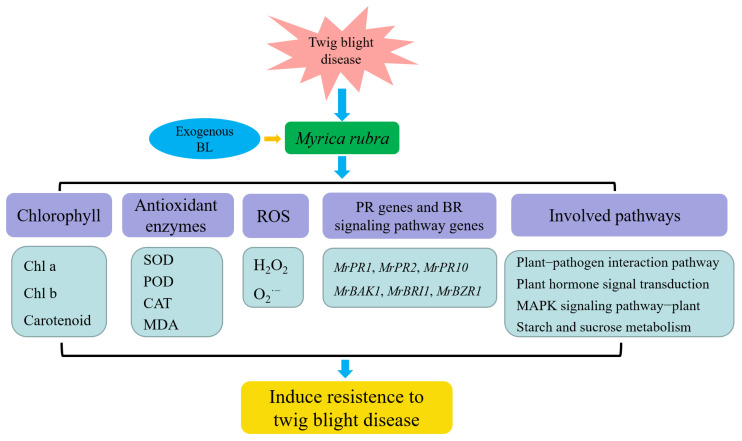
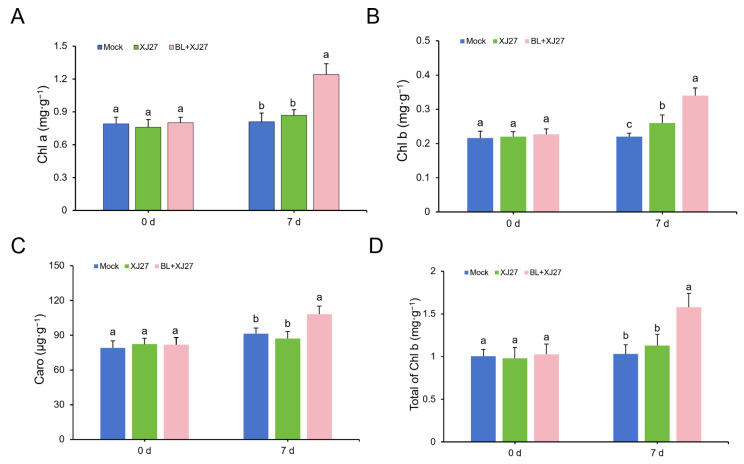
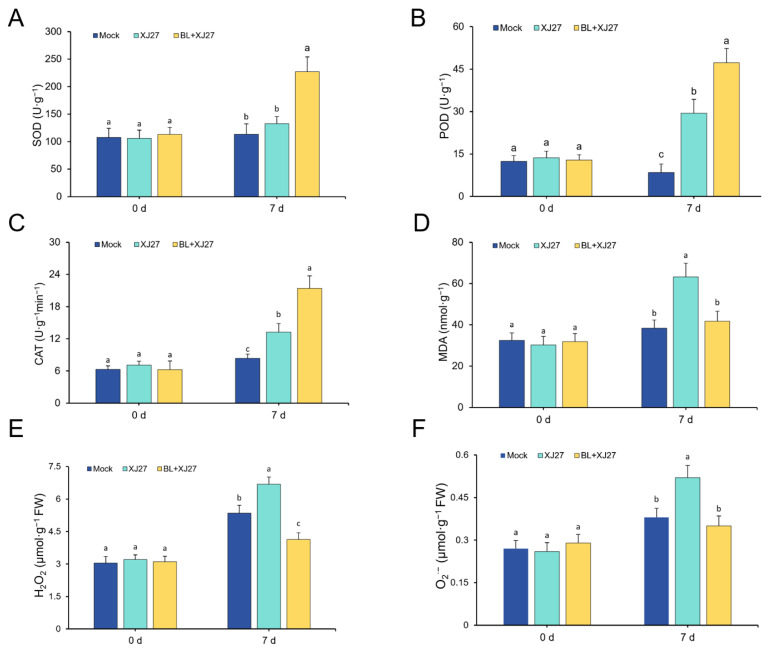
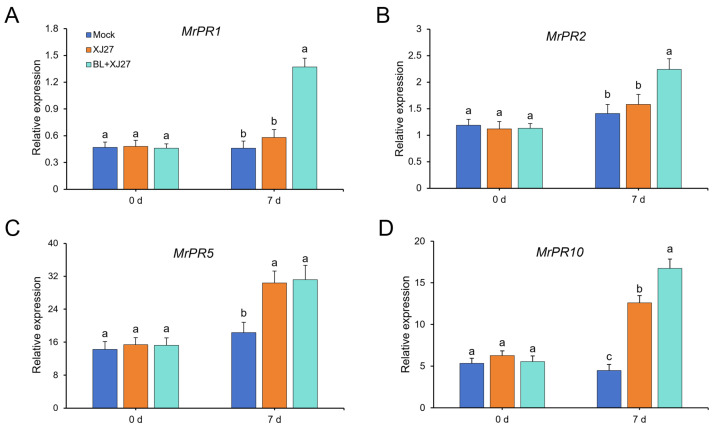
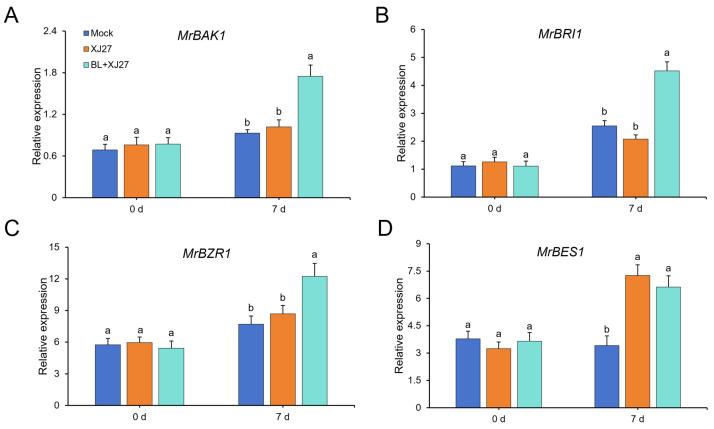
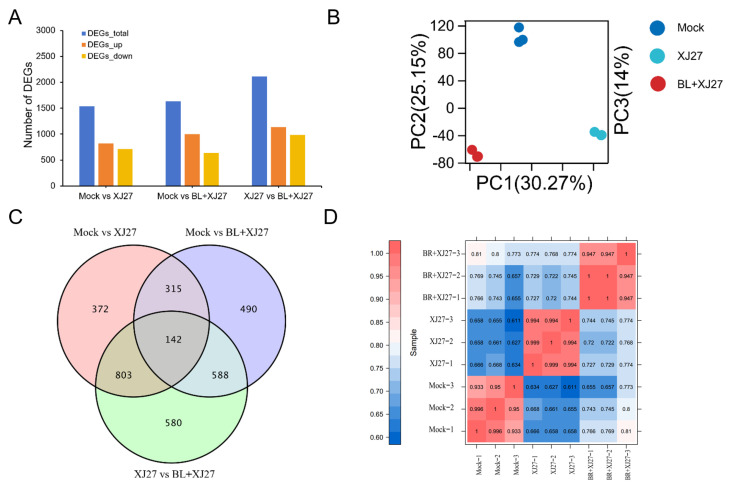
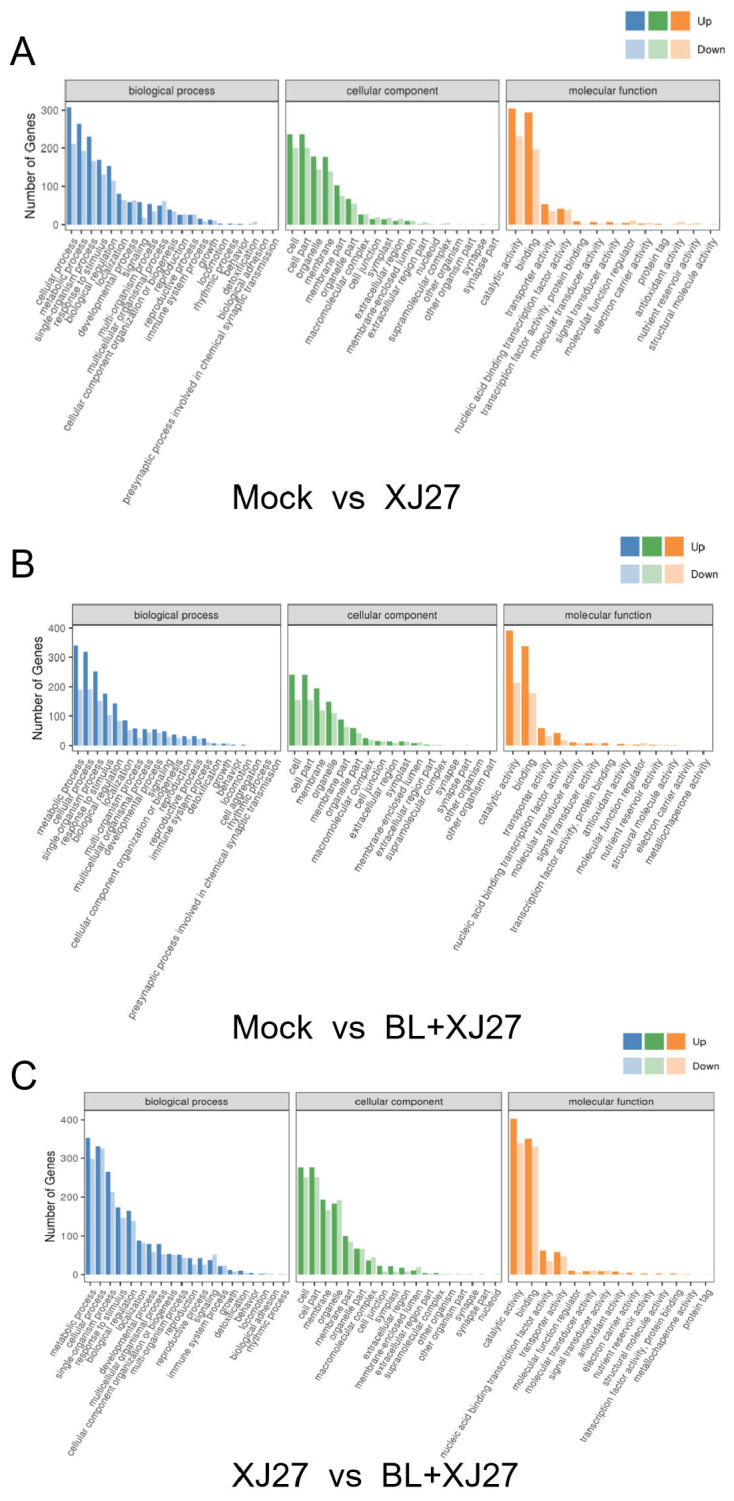
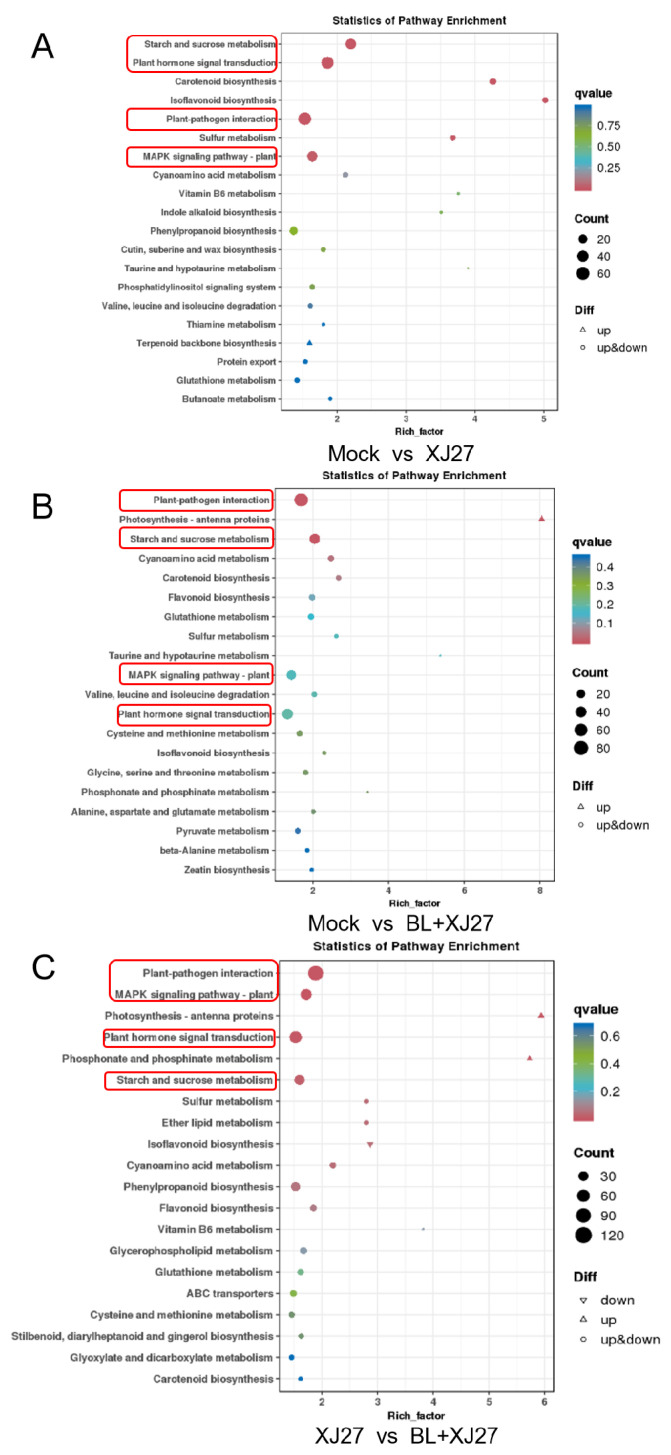
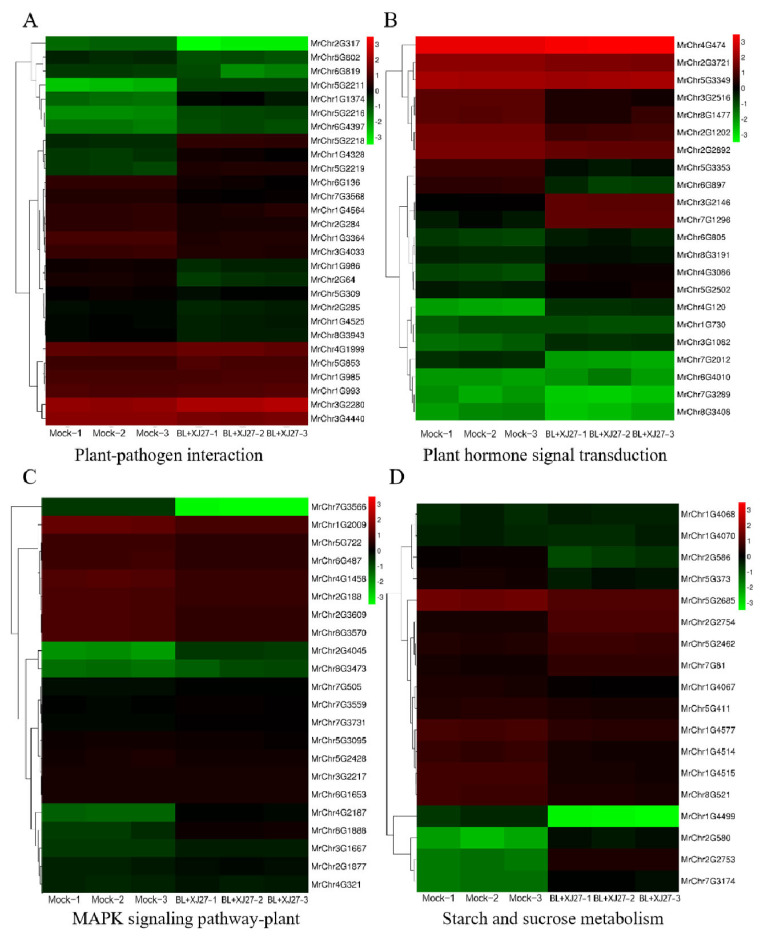
Twig blight disease is the primary disease that affects the production of in China. It was reported that exogenous brassinolide (BL) can improve disease resistance in plants. Here, we examined the effects of exogenous BL on disease resistance, chlorophyll contents, antioxidant enzyme activity, ROS accumulation, and key gene expression of to analyze the mechanism of BR-induced resistance of twig blight disease in . The results demonstrated that 2.0 mg·L of BL could significantly lessen the severity of twig blight disease in . Exogenous BL increased the contents of chlorophyll a, chlorophyll b, carotenoids, and total chlorophyll. Moreover, exogenous BL also significantly enhanced the activity of antioxidant enzymes such as superoxide dismutase (SOD), peroxidase (POD), and catalase (CAT), and decreased malondialdehyde (MDA) content and reactive oxygen species (ROS) accumulation in leaves, such as HO and O. Additionally, exogenous BL dramatically up-regulated the expression of pathogenesis-related (PR) genes such as , , and , as well as important genes such as , , and involved in brassinosteroid (BR) signaling pathway. The transcriptome analysis revealed that a total of 730 common differentially expressed genes (DEGs) under BL treatment were found, and these DEGs were primarily enriched in four Kyoto Encyclopedia of Genes and Genomes (KEGG) pathways. Based on these findings, nine important candidate genes related to the resistance of twig blight disease under BL treatment were further identified. In this study, we elucidated the effects of exogenous BL on enhancing the resistance of to twig blight disease and preliminary analyzed the potential mechanism of resistance induction, which will provide a crucial foundation for the management and prevention of twig blight disease in .
枝枯病是影响中国[植物名称未给出]生产的主要病害。据报道,外源油菜素内酯(BL)可以提高植物的抗病性。在此,我们研究了外源BL对[植物名称未给出]抗病性、叶绿素含量、抗氧化酶活性、活性氧积累以及关键基因表达的影响,以分析BR诱导[植物名称未给出]对枝枯病抗性的机制。结果表明,2.0 mg·L的BL能显著减轻[植物名称未给出]枝枯病的严重程度。外源BL增加了叶绿素a、叶绿素b、类胡萝卜素和总叶绿素的含量。此外,外源BL还显著增强了超氧化物歧化酶(SOD)、过氧化物酶(POD)和过氧化氢酶(CAT)等抗氧化酶的活性,并降低了叶片中丙二醛(MDA)含量和活性氧(ROS)积累,如HO和O。此外,外源BL显著上调了病程相关(PR)基因如[基因名称未给出]、[基因名称未给出]和[基因名称未给出]以及参与油菜素甾醇(BR)信号通路的重要基因如[基因名称未给出]、[基因名称未给出]和[基因名称未给出]的表达。转录组分析显示,在BL处理下共发现730个常见的差异表达基因(DEG),这些DEG主要富集在四个京都基因与基因组百科全书(KEGG)途径中。基于这些发现,进一步鉴定了9个与BL处理下枝枯病抗性相关的重要候选基因。在本研究中,我们阐明了外源BL对增强[植物名称未给出]对枝枯病抗性的影响,并初步分析了抗性诱导的潜在机制,这将为[植物名称未给出]枝枯病的管理和预防提供关键依据。