• 文献检索
  • 文档翻译
  • 深度研究
  • 学术资讯
  • Suppr Zotero 插件Zotero 插件
  • 邀请有礼
  • 套餐&价格
  • 历史记录
应用&插件
Suppr Zotero 插件Zotero 插件浏览器插件Mac 客户端Windows 客户端微信小程序
定价
高级版会员购买积分包购买API积分包
服务
文献检索文档翻译深度研究API 文档MCP 服务
关于我们
关于 Suppr公司介绍联系我们用户协议隐私条款
关注我们

Suppr 超能文献

核心技术专利:CN118964589B侵权必究
粤ICP备2023148730 号-1Suppr @ 2026

文献检索

告别复杂PubMed语法,用中文像聊天一样搜索,搜遍4000万医学文献。AI智能推荐,让科研检索更轻松。

立即免费搜索

文件翻译

保留排版,准确专业,支持PDF/Word/PPT等文件格式,支持 12+语言互译。

免费翻译文档

深度研究

AI帮你快速写综述,25分钟生成高质量综述,智能提取关键信息,辅助科研写作。

立即免费体验

将幸福感作为提高现有办公空间生产力的工具:以埃及亚历山大为例的案例研究。

Well-being as a tool to improve productivity in existing office space: Case study in Alexandria, Egypt.

机构信息

Department of Architectural Engineering & Environmental Design, Arab Academy for Science Technology and Maritime Transport, Alexandria, Alexandria Governorate, 21500, Egypt.

School of Engineering, University of Lincoln, Lincoln, England, 19352, UK.

出版信息

F1000Res. 2023 Dec 14;12:639. doi: 10.12688/f1000research.133199.2. eCollection 2023.

DOI:10.12688/f1000research.133199.2
PMID:38249134
原文链接:https://pmc.ncbi.nlm.nih.gov/articles/PMC10797229/
Abstract

BACKGROUND

The green building industry has significantly impacted the construction market, providing various sustainable solutions for the community. However, conventional green building standards have yet to adequately address occupant health and well-being, leading to challenges with performance. This has caused many businesses to take note of the latest report from the Bureau of Labour Statistics, which indicated that productivity in the US has dropped by the sharpest level since the 1940s. Addressing these issues, organisations like International WELL Building Institute (IWBI) developed WELL Building Rating System (WELL), prioritising occupant health and well-being as critical components for improving performance and avoiding potential vulnerabilities brought about by sickness or pandemics. For this reason, this study will explore how to improve employee productivity within office buildings by bettering their overall health and well-being.

METHODS

A comprehensive data collection approach was employed in this paper, involving the analysis of office form evolution, and the evaluation of productivity attributes in office spaces. Resulting in identifying the top design-oriented features impacting employee productivity. Data was gathered from traditional office designs, trending successful office buildings, and the WELL Building Rating System to understand the concept of healthy building design.

RESULTS

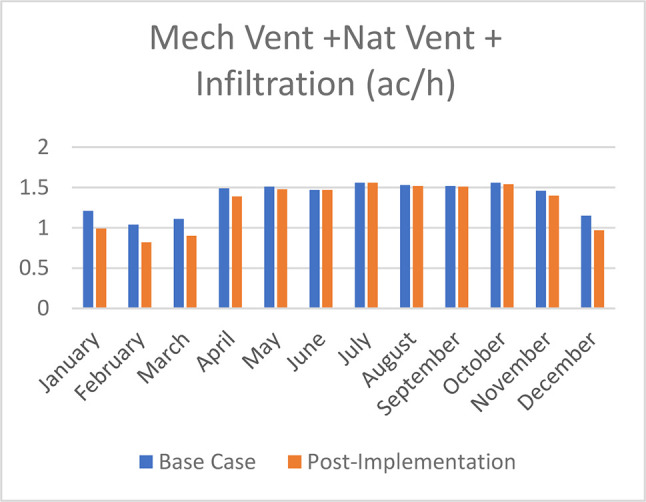
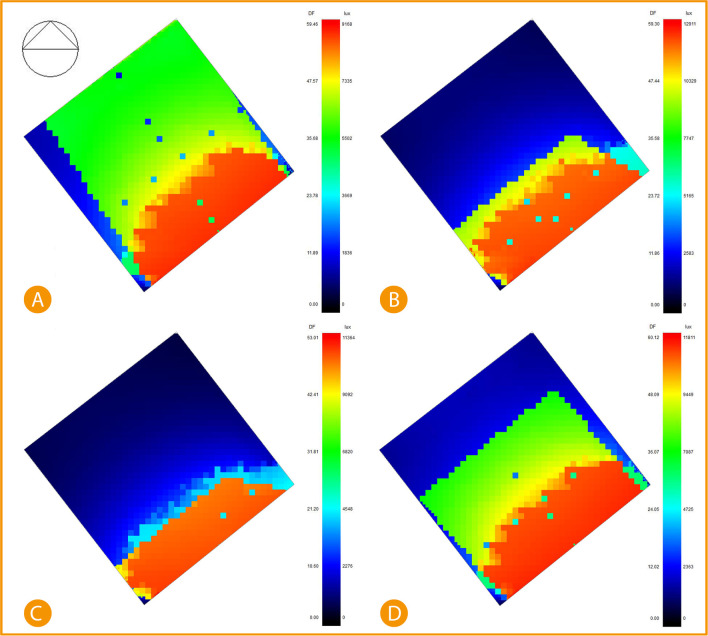
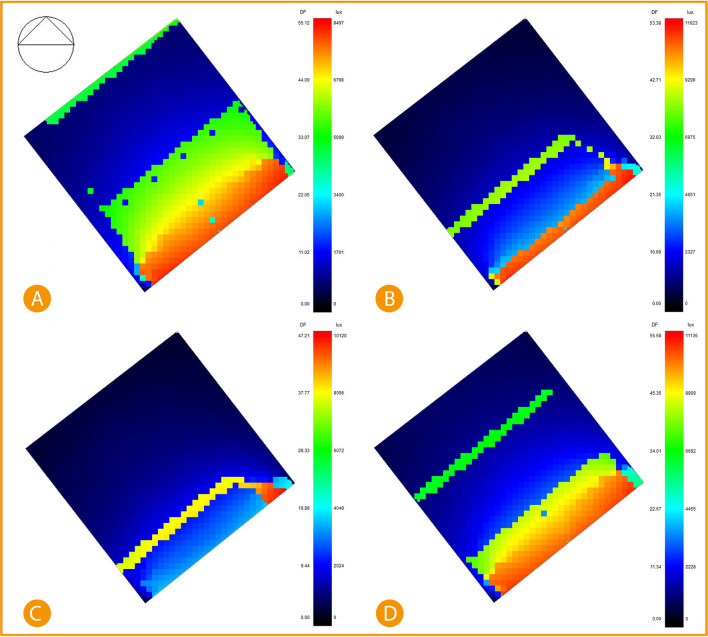
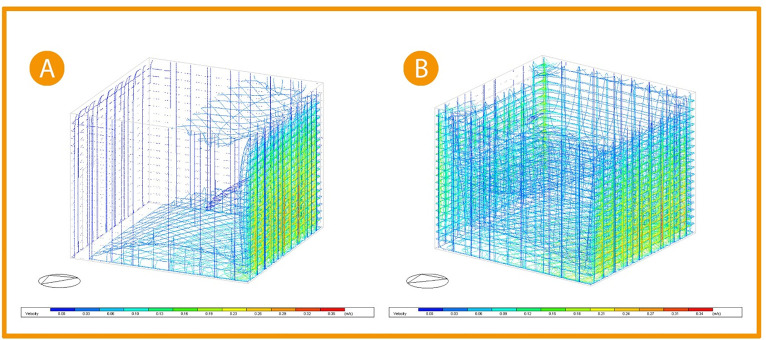
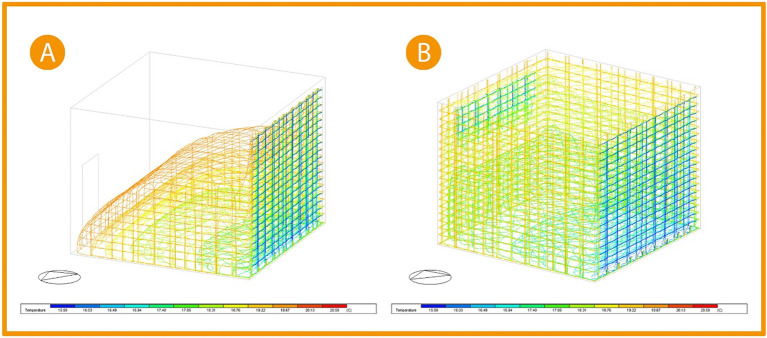
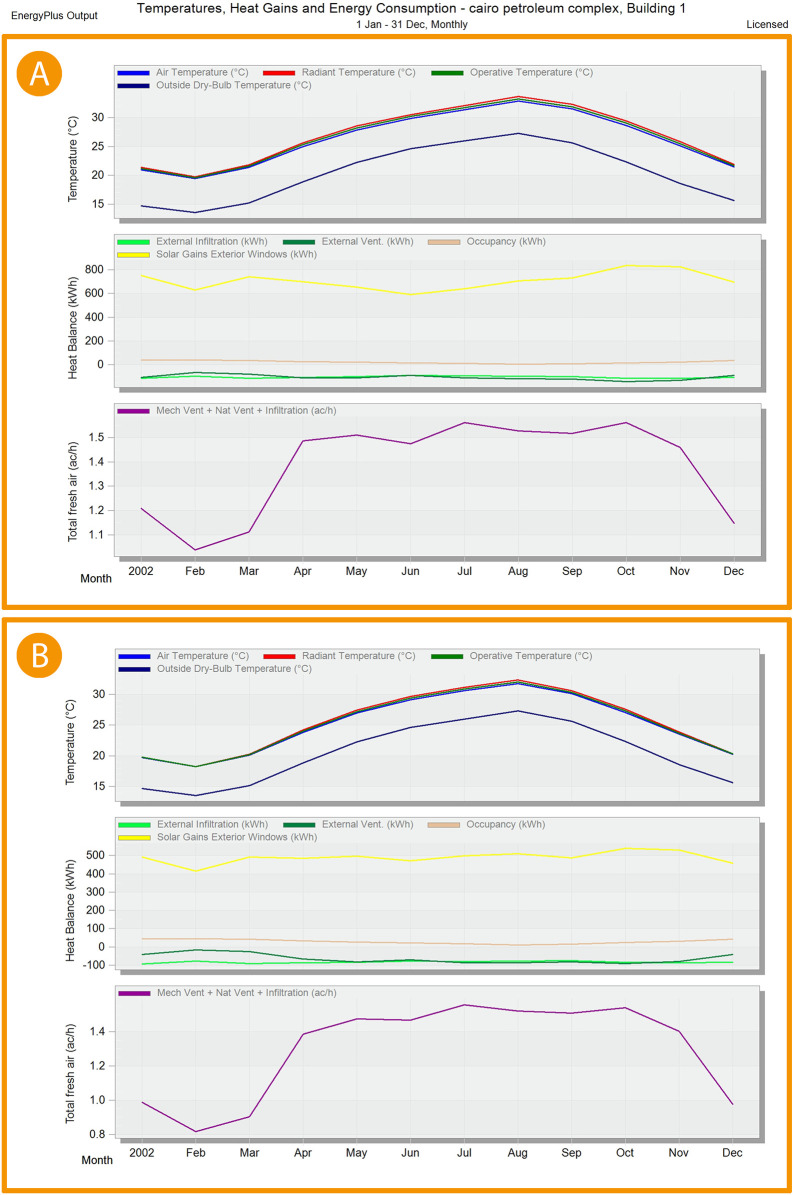
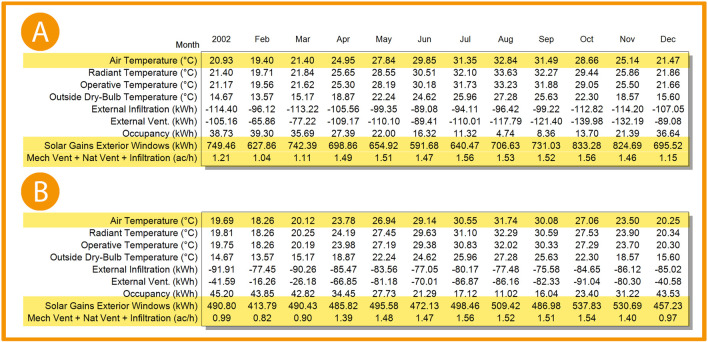
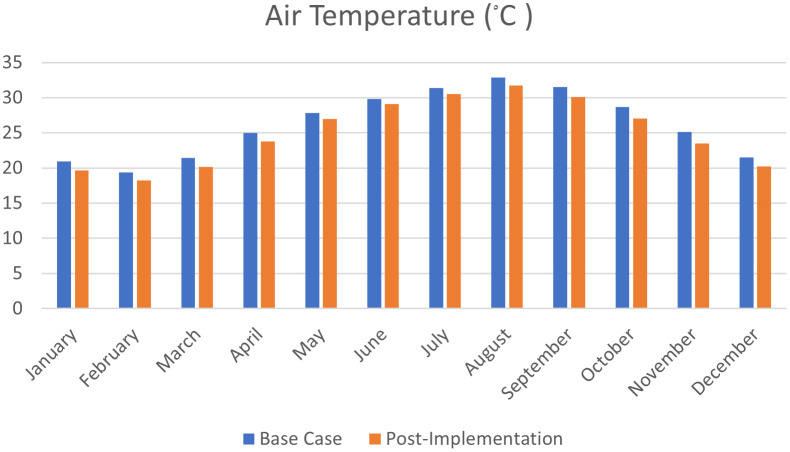
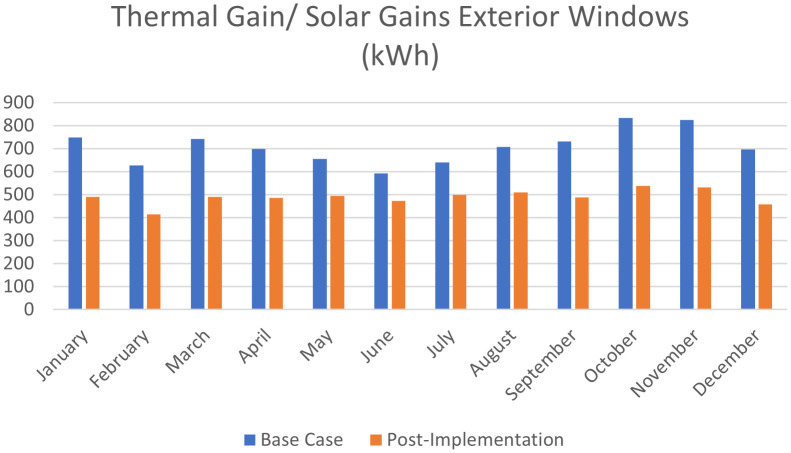
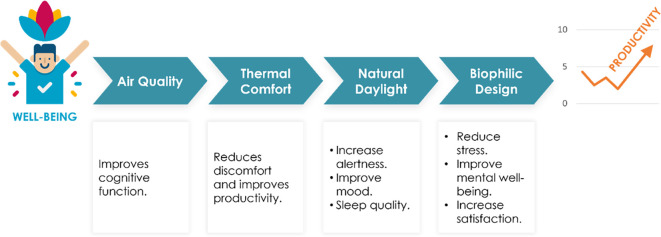
Showing thermal comfort, ventilation, and natural daylight significantly influence employees' productivity. Implementing conducted design features from WELL achieved an average of 20.2%-35.6% decrease in thermal gain throughout the year, a 20% increase in airflow, an average 2.4%-6.5% decrease in Air temperature, enhanced temperature distribution by 7%, and direct sunlight minimum reduction by 9% in Winter and maximum 21.9% in Spring.

CONCLUSION

New design features in trending successful office buildings positively impact employee productivity. Particularly the outlined features by WELL Building Rating System led to identifying the most influential factors affecting occupant productivity. The results of this study informed recommendations for enhancing productivity in existing office buildings in Alexandria, Egypt.

摘要

背景

绿色建筑行业对建筑市场产生了重大影响,为社区提供了各种可持续的解决方案。然而,传统的绿色建筑标准尚未充分考虑到居住者的健康和幸福感,因此在性能方面面临挑战。这导致许多企业注意到美国劳工统计局的最新报告,该报告显示美国的生产力下降到自 20 世纪 40 年代以来的最严重水平。为了解决这些问题,国际健康建筑研究院(IWBI)等组织制定了 WELL 建筑标准(WELL),将居住者的健康和幸福感作为提高性能和避免因疾病或大流行病而导致潜在脆弱性的关键因素。出于这个原因,本研究将探讨如何通过改善员工的整体健康和幸福感来提高办公楼内员工的生产力。

方法

本研究采用了全面的数据收集方法,包括对办公形式演变的分析,以及对办公空间生产力属性的评估。由此确定了影响员工生产力的顶级设计导向特征。数据来自传统办公设计、成功的流行办公大楼和 WELL 建筑标准,以了解健康建筑设计的概念。

结果

显示热舒适性、通风和自然光显著影响员工的生产力。从 WELL 实施的经过验证的设计功能,实现了全年平均 20.2%-35.6%的热增益减少,20%的气流增加,平均 2.4%-6.5%的空气温度降低,7%的温度分布增强,以及冬季阳光直射减少 9%,春季最大减少 21.9%。

结论

成功的流行办公大楼中的新设计特征对员工生产力产生积极影响。特别是 WELL 建筑标准中概述的特征,有助于确定影响居住者生产力的最主要因素。本研究的结果为提高埃及亚历山大现有办公楼的生产力提供了建议。
https://cdn.ncbi.nlm.nih.gov/pmc/blobs/4cdd/10797283/94b7181c94e7/f1000research-12-157534-g0025.jpg
https://cdn.ncbi.nlm.nih.gov/pmc/blobs/4cdd/10797283/6e2509d47bfc/f1000research-12-157534-g0000.jpg
https://cdn.ncbi.nlm.nih.gov/pmc/blobs/4cdd/10797283/e3ce222de62e/f1000research-12-157534-g0001.jpg
https://cdn.ncbi.nlm.nih.gov/pmc/blobs/4cdd/10797283/90ec0b9791dc/f1000research-12-157534-g0002.jpg
https://cdn.ncbi.nlm.nih.gov/pmc/blobs/4cdd/10797283/f80bf0ff21d6/f1000research-12-157534-g0003.jpg
https://cdn.ncbi.nlm.nih.gov/pmc/blobs/4cdd/10797283/e87b233a497e/f1000research-12-157534-g0004.jpg
https://cdn.ncbi.nlm.nih.gov/pmc/blobs/4cdd/10797283/6daf7de0a288/f1000research-12-157534-g0005.jpg
https://cdn.ncbi.nlm.nih.gov/pmc/blobs/4cdd/10797283/770f57fc1f2c/f1000research-12-157534-g0006.jpg
https://cdn.ncbi.nlm.nih.gov/pmc/blobs/4cdd/10797283/717b1a5d6455/f1000research-12-157534-g0007.jpg
https://cdn.ncbi.nlm.nih.gov/pmc/blobs/4cdd/10797283/e79157a00989/f1000research-12-157534-g0008.jpg
https://cdn.ncbi.nlm.nih.gov/pmc/blobs/4cdd/10797283/dece287694b9/f1000research-12-157534-g0009.jpg
https://cdn.ncbi.nlm.nih.gov/pmc/blobs/4cdd/10797283/215827a8f921/f1000research-12-157534-g0010.jpg
https://cdn.ncbi.nlm.nih.gov/pmc/blobs/4cdd/10797283/a85ef82dc073/f1000research-12-157534-g0011.jpg
https://cdn.ncbi.nlm.nih.gov/pmc/blobs/4cdd/10797283/1f967aa3dec8/f1000research-12-157534-g0012.jpg
https://cdn.ncbi.nlm.nih.gov/pmc/blobs/4cdd/10797283/5e192bb61e39/f1000research-12-157534-g0013.jpg
https://cdn.ncbi.nlm.nih.gov/pmc/blobs/4cdd/10797283/325bda13b356/f1000research-12-157534-g0014.jpg
https://cdn.ncbi.nlm.nih.gov/pmc/blobs/4cdd/10797283/90c7c0c08b9a/f1000research-12-157534-g0015.jpg
https://cdn.ncbi.nlm.nih.gov/pmc/blobs/4cdd/10797283/a4ea58954c54/f1000research-12-157534-g0016.jpg
https://cdn.ncbi.nlm.nih.gov/pmc/blobs/4cdd/10797283/25ece1db72fe/f1000research-12-157534-g0017.jpg
https://cdn.ncbi.nlm.nih.gov/pmc/blobs/4cdd/10797283/f0b8b04fb443/f1000research-12-157534-g0018.jpg
https://cdn.ncbi.nlm.nih.gov/pmc/blobs/4cdd/10797283/77babc6cb435/f1000research-12-157534-g0019.jpg
https://cdn.ncbi.nlm.nih.gov/pmc/blobs/4cdd/10797283/6db7dc40035a/f1000research-12-157534-g0020.jpg
https://cdn.ncbi.nlm.nih.gov/pmc/blobs/4cdd/10797283/feca3f6f9777/f1000research-12-157534-g0021.jpg
https://cdn.ncbi.nlm.nih.gov/pmc/blobs/4cdd/10797283/07e70854f151/f1000research-12-157534-g0022.jpg
https://cdn.ncbi.nlm.nih.gov/pmc/blobs/4cdd/10797283/8e43ee5dfcc8/f1000research-12-157534-g0023.jpg
https://cdn.ncbi.nlm.nih.gov/pmc/blobs/4cdd/10797283/3de3b6e09a61/f1000research-12-157534-g0024.jpg
https://cdn.ncbi.nlm.nih.gov/pmc/blobs/4cdd/10797283/94b7181c94e7/f1000research-12-157534-g0025.jpg
https://cdn.ncbi.nlm.nih.gov/pmc/blobs/4cdd/10797283/6e2509d47bfc/f1000research-12-157534-g0000.jpg
https://cdn.ncbi.nlm.nih.gov/pmc/blobs/4cdd/10797283/e3ce222de62e/f1000research-12-157534-g0001.jpg
https://cdn.ncbi.nlm.nih.gov/pmc/blobs/4cdd/10797283/90ec0b9791dc/f1000research-12-157534-g0002.jpg
https://cdn.ncbi.nlm.nih.gov/pmc/blobs/4cdd/10797283/f80bf0ff21d6/f1000research-12-157534-g0003.jpg
https://cdn.ncbi.nlm.nih.gov/pmc/blobs/4cdd/10797283/e87b233a497e/f1000research-12-157534-g0004.jpg
https://cdn.ncbi.nlm.nih.gov/pmc/blobs/4cdd/10797283/6daf7de0a288/f1000research-12-157534-g0005.jpg
https://cdn.ncbi.nlm.nih.gov/pmc/blobs/4cdd/10797283/770f57fc1f2c/f1000research-12-157534-g0006.jpg
https://cdn.ncbi.nlm.nih.gov/pmc/blobs/4cdd/10797283/717b1a5d6455/f1000research-12-157534-g0007.jpg
https://cdn.ncbi.nlm.nih.gov/pmc/blobs/4cdd/10797283/e79157a00989/f1000research-12-157534-g0008.jpg
https://cdn.ncbi.nlm.nih.gov/pmc/blobs/4cdd/10797283/dece287694b9/f1000research-12-157534-g0009.jpg
https://cdn.ncbi.nlm.nih.gov/pmc/blobs/4cdd/10797283/215827a8f921/f1000research-12-157534-g0010.jpg
https://cdn.ncbi.nlm.nih.gov/pmc/blobs/4cdd/10797283/a85ef82dc073/f1000research-12-157534-g0011.jpg
https://cdn.ncbi.nlm.nih.gov/pmc/blobs/4cdd/10797283/1f967aa3dec8/f1000research-12-157534-g0012.jpg
https://cdn.ncbi.nlm.nih.gov/pmc/blobs/4cdd/10797283/5e192bb61e39/f1000research-12-157534-g0013.jpg
https://cdn.ncbi.nlm.nih.gov/pmc/blobs/4cdd/10797283/325bda13b356/f1000research-12-157534-g0014.jpg
https://cdn.ncbi.nlm.nih.gov/pmc/blobs/4cdd/10797283/90c7c0c08b9a/f1000research-12-157534-g0015.jpg
https://cdn.ncbi.nlm.nih.gov/pmc/blobs/4cdd/10797283/a4ea58954c54/f1000research-12-157534-g0016.jpg
https://cdn.ncbi.nlm.nih.gov/pmc/blobs/4cdd/10797283/25ece1db72fe/f1000research-12-157534-g0017.jpg
https://cdn.ncbi.nlm.nih.gov/pmc/blobs/4cdd/10797283/f0b8b04fb443/f1000research-12-157534-g0018.jpg
https://cdn.ncbi.nlm.nih.gov/pmc/blobs/4cdd/10797283/77babc6cb435/f1000research-12-157534-g0019.jpg
https://cdn.ncbi.nlm.nih.gov/pmc/blobs/4cdd/10797283/6db7dc40035a/f1000research-12-157534-g0020.jpg
https://cdn.ncbi.nlm.nih.gov/pmc/blobs/4cdd/10797283/feca3f6f9777/f1000research-12-157534-g0021.jpg
https://cdn.ncbi.nlm.nih.gov/pmc/blobs/4cdd/10797283/07e70854f151/f1000research-12-157534-g0022.jpg
https://cdn.ncbi.nlm.nih.gov/pmc/blobs/4cdd/10797283/8e43ee5dfcc8/f1000research-12-157534-g0023.jpg
https://cdn.ncbi.nlm.nih.gov/pmc/blobs/4cdd/10797283/3de3b6e09a61/f1000research-12-157534-g0024.jpg
https://cdn.ncbi.nlm.nih.gov/pmc/blobs/4cdd/10797283/94b7181c94e7/f1000research-12-157534-g0025.jpg

相似文献

1
Well-being as a tool to improve productivity in existing office space: Case study in Alexandria, Egypt.将幸福感作为提高现有办公空间生产力的工具:以埃及亚历山大为例的案例研究。
F1000Res. 2023 Dec 14;12:639. doi: 10.12688/f1000research.133199.2. eCollection 2023.
2
Occupant comfort and health in green and conventional university buildings.绿色与传统大学建筑中的居住者舒适度与健康状况
Work. 2014;49(3):363-72. doi: 10.3233/WOR-141870.
3
Developing a WELL building model for office environments.为办公环境开发一个健康建筑模型。
Environ Sci Pollut Res Int. 2025 May;32(22):13120-13139. doi: 10.1007/s11356-024-31923-z. Epub 2024 Jan 18.
4
Indoor thermal factors and symptoms in office workers: findings from the US EPA BASE study.办公室工作人员的室内热环境因素与症状:美国环保署BASE研究的结果
Indoor Air. 2009 Aug;19(4):291-302. doi: 10.1111/j.1600-0668.2009.00592.x. Epub 2009 Mar 13.
5
Perceived Indoor Environment and Occupants' Comfort in European "Modern" Office Buildings: The OFFICAIR Study.欧洲“现代”办公建筑中的感知室内环境与使用者舒适度:OFFICAIR 研究。
Int J Environ Res Public Health. 2016 Apr 25;13(5):444. doi: 10.3390/ijerph13050444.
6
Economic, Environmental and Health Implications of Enhanced Ventilation in Office Buildings.办公楼增强通风对经济、环境和健康的影响
Int J Environ Res Public Health. 2015 Nov 18;12(11):14709-22. doi: 10.3390/ijerph121114709.
7
The revitalization of endangered heritage buildings: A decision-making framework for investment and determining the highest and best use in Egypt.濒危遗产建筑的振兴:埃及投资决策框架及最高最佳用途确定
F1000Res. 2023 Dec 19;12:874. doi: 10.12688/f1000research.135214.2. eCollection 2023.
8
Thermal comfort optimization through bioclimatic design in Mediterranean cities.通过地中海城市的生物气候设计实现热舒适优化。
F1000Res. 2022 Jun 1;10:1047. doi: 10.12688/f1000research.73017.2. eCollection 2021.
9
Associations of Cognitive Function Scores with Carbon Dioxide, Ventilation, and Volatile Organic Compound Exposures in Office Workers: A Controlled Exposure Study of Green and Conventional Office Environments.办公室工作人员认知功能得分与二氧化碳、通风及挥发性有机化合物暴露的关联:绿色与传统办公环境的对照暴露研究
Environ Health Perspect. 2016 Jun;124(6):805-12. doi: 10.1289/ehp.1510037. Epub 2015 Oct 26.
10
Indoor environmental quality in WELL-certified and LEED-certified buildings.获得WELL认证和LEED认证的建筑的室内环境质量。
Sci Rep. 2024 Jul 2;14(1):15120. doi: 10.1038/s41598-024-65768-w.

本文引用的文献

1
Ten questions concerning occupant health in buildings during normal operations and extreme events including the COVID-19 pandemic.关于建筑物在正常运营及包括新冠疫情在内的极端事件期间居住者健康的十个问题。
Build Environ. 2021 Jan 15;188:107480. doi: 10.1016/j.buildenv.2020.107480. Epub 2020 Nov 24.
2
Senses of place: architectural design for the multisensory mind.场所感知:多感官思维的建筑设计。
Cogn Res Princ Implic. 2020 Sep 18;5(1):46. doi: 10.1186/s41235-020-00243-4.
3
Indoor Air Pollution, Related Human Diseases, and Recent Trends in the Control and Improvement of Indoor Air Quality.
室内空气污染、相关人类疾病,以及控制和改善室内空气质量的最新趋势。
Int J Environ Res Public Health. 2020 Apr 23;17(8):2927. doi: 10.3390/ijerph17082927.
4
Workplace burnout and health issues among Colombian correctional officers.哥伦比亚监狱官员的工作倦怠与健康问题。
PLoS One. 2019 Feb 12;14(2):e0211447. doi: 10.1371/journal.pone.0211447. eCollection 2019.
5
Associations of Cognitive Function Scores with Carbon Dioxide, Ventilation, and Volatile Organic Compound Exposures in Office Workers: A Controlled Exposure Study of Green and Conventional Office Environments.办公室工作人员认知功能得分与二氧化碳、通风及挥发性有机化合物暴露的关联:绿色与传统办公环境的对照暴露研究
Environ Health Perspect. 2016 Jun;124(6):805-12. doi: 10.1289/ehp.1510037. Epub 2015 Oct 26.
6
Impact of windows and daylight exposure on overall health and sleep quality of office workers: a case-control pilot study.窗户和日光照射对办公室工作人员整体健康和睡眠质量的影响:一项病例对照试点研究。
J Clin Sleep Med. 2014 Jun 15;10(6):603-11. doi: 10.5664/jcsm.3780.
7
Moral issues in workplace health promotion.工作场所健康促进中的道德问题。
Int Arch Occup Environ Health. 2012 Apr;85(3):327-31. doi: 10.1007/s00420-011-0675-y. Epub 2011 Jun 28.
8
Mental health issues in the workplace: maintaining a productive work force.工作场所中的心理健康问题:维持高效的劳动力队伍。
AAOHN J. 2006 Aug;54(8):360-5; quiz 366-7. doi: 10.1177/216507990605400804.
9
The social context of well-being.幸福的社会背景。
Philos Trans R Soc Lond B Biol Sci. 2004 Sep 29;359(1449):1435-46. doi: 10.1098/rstb.2004.1522.
10
Mental health issues in the workplace: a case for a new managerial approach.职场中的心理健康问题:一种新管理方法的实例
J Occup Environ Med. 2001 Dec;43(12):1073-80. doi: 10.1097/00043764-200112000-00009.