Alavi Mehran, Karimi Nasser
Nanobiotechnology Department, Faculty of Innovative Science and Technology, Razi University, Kermanshah, Iran.
Department of Biology, Faculty of Science, Razi University, Kermanshah, Iran.
BMC Chem. 2024 Jan 23;18(1):16. doi: 10.1186/s13065-024-01115-4.
Nanocomposites based on copper, iron, and carbon materials are novel nanomaterials with both antibacterial and biocompatibility properties considerable to fight against multidrug-resistant bacteria.
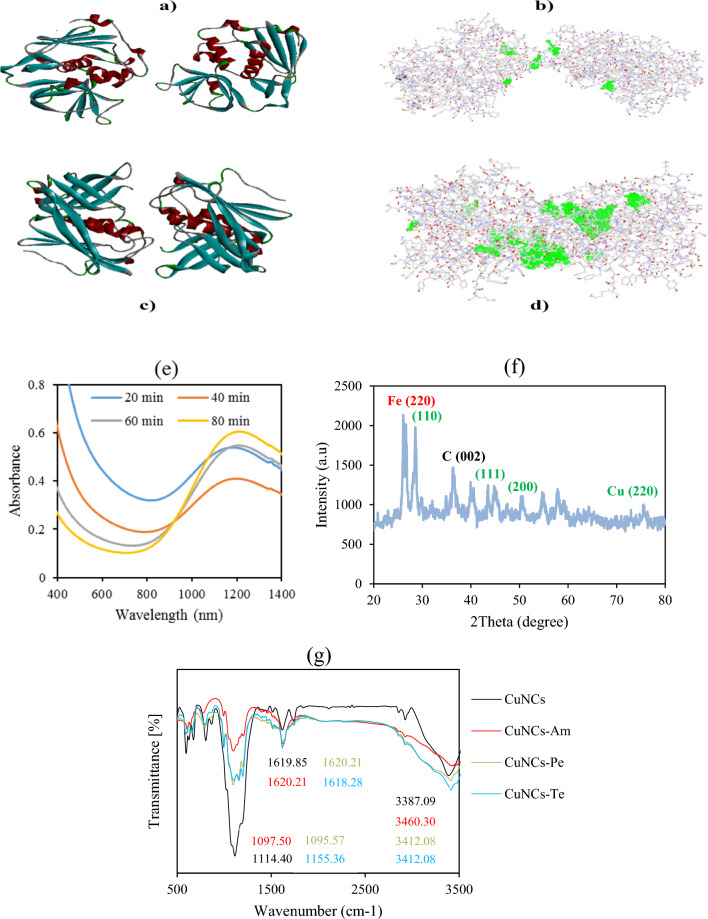
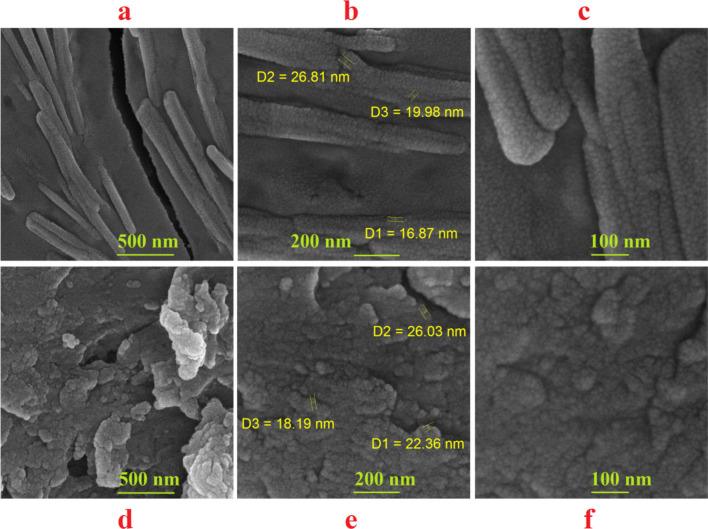
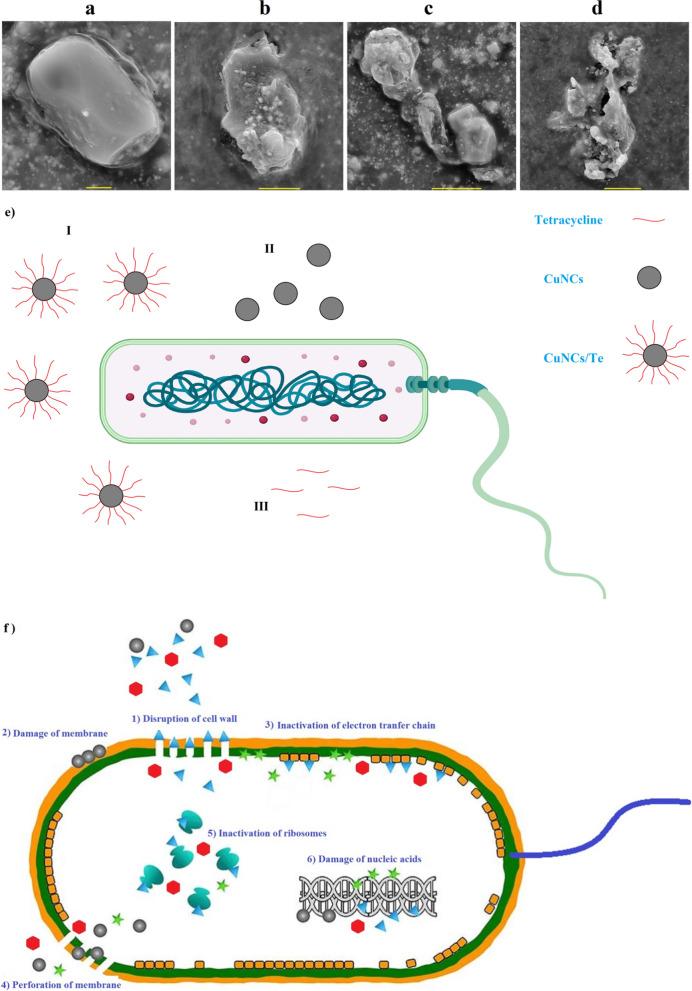
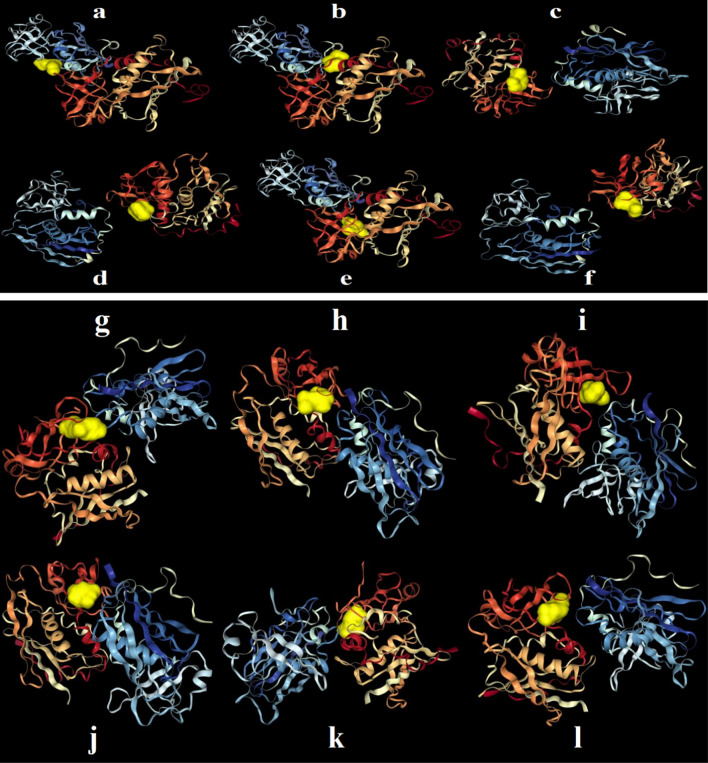
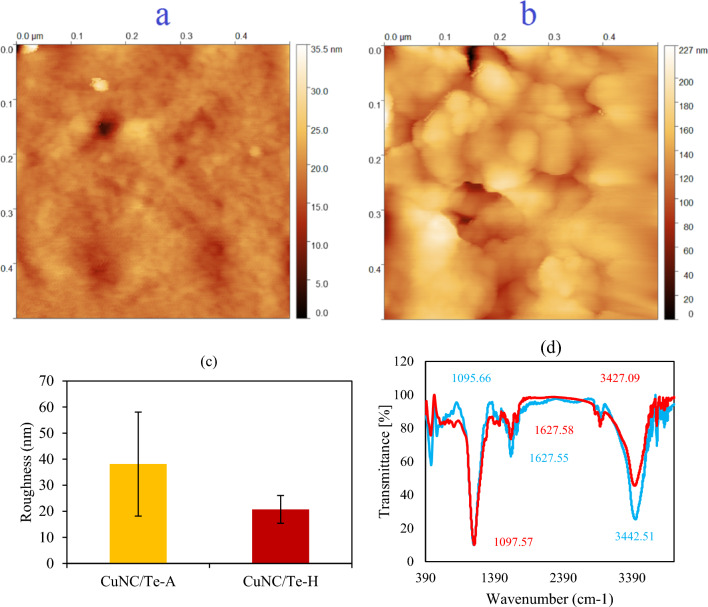
In this study, phytogenic carbon/FeSO/Cu/CuO nanocomposites modified by three antibiotics including tetracycline, amoxicillin, and penicillin were employed to hinder antibiotic resistant bacteria of Escherichia coli, Staphylococcus aureus, and Pseudomonas aeruginosa. Interaction of albumin and hemoglobin as major blood proteins with these nanocomposites were evaluated by SEM, FTIR, and AFM techniques. As in silico study, molecular docking properties of staphylococcal enterotoxin toxin A and B with (Z)-α-Bisabolene epoxide, (E)-Nerolidol, α-Cyperone, daphnauranol C, nootkatin, and nootkatone as major secondary metabolites of Daphne mucronata were obtained by AutoDock Vina program.
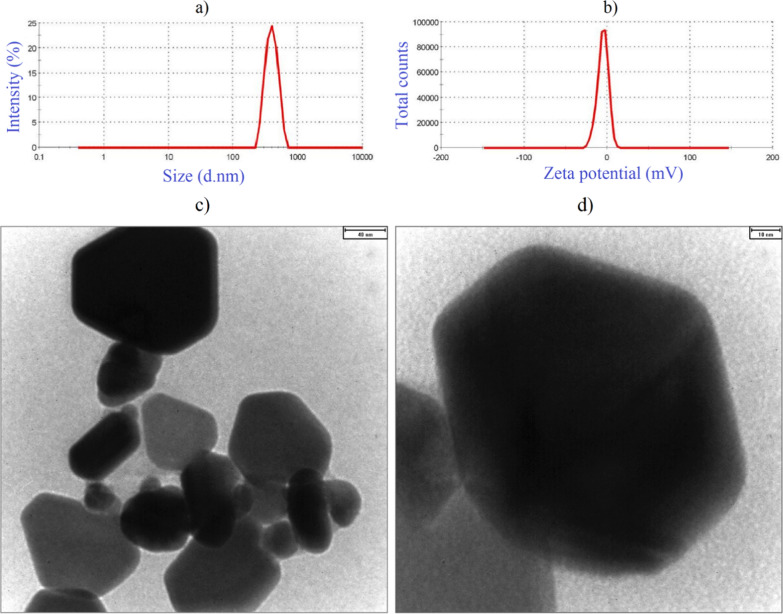
Physicochemical characterization of nanocomposites showed (Zeta potential (- 5.09 mV), Z-average (460.2 d.nm), polydispersity index (0.293), and size range of 44.58 ± 6.78 nm). Results of both in vitro and in silico surveys disclosed significant antibacterial activity of antibiotic functionalized carbon/FeSO/Cu/CuO nanocomposites compared to antibiotics alone towards Gram-negative and Gram-positive bacteria.
Synergistic activity of bio-fabricated carbon/FeSO/Cu/CuO nanocomposites with antibiotics may be affected by main parameters of concentration and ratio of antibacterial agents, physicochemical properties of nanocomposites, bacterial type (Gram-negative or Gram-positive), antibacterial mechanisms, and chemical structure of antibiotics.
基于铜、铁和碳材料的纳米复合材料是新型纳米材料,具有对抗多重耐药菌的显著抗菌和生物相容性特性。
在本研究中,采用经四环素、阿莫西林和青霉素三种抗生素改性的植物源碳/硫酸亚铁/铜/氧化铜纳米复合材料来抑制大肠杆菌、金黄色葡萄球菌和铜绿假单胞菌等耐药菌。通过扫描电子显微镜(SEM)、傅里叶变换红外光谱(FTIR)和原子力显微镜(AFM)技术评估白蛋白和血红蛋白这两种主要血液蛋白与这些纳米复合材料的相互作用。作为计算机模拟研究,通过AutoDock Vina程序获得葡萄球菌肠毒素A和B与瑞香狼毒主要次生代谢产物(Z)-α-没药烯环氧化物、(E)-橙花叔醇、α-香附酮、瑞香醇内酯C、诺卡酮和诺卡酮的分子对接特性。
纳米复合材料的物理化学表征显示(ζ电位(-5.09 mV)、Z平均粒径(460.2 d.nm)、多分散指数(0.293),粒径范围为44.58±6.78 nm)。体外和计算机模拟研究结果均表明,与单独使用抗生素相比,抗生素功能化的碳/硫酸亚铁/铜/氧化铜纳米复合材料对革兰氏阴性菌和革兰氏阳性菌具有显著的抗菌活性。
生物制备的碳/硫酸亚铁/铜/氧化铜纳米复合材料与抗生素的协同活性可能受抗菌剂浓度和比例、纳米复合材料的物理化学性质、细菌类型(革兰氏阴性或革兰氏阳性)、抗菌机制以及抗生素化学结构等主要参数的影响。