Alavi Mehran, Dehestaniathar Saeed, Mohammadi Shadieh, Maleki Afshin, Karimi Naser
Environmental Health Research Center, Research Institute for Health Development, Kurdistan University of Medical Sciences, Sanandaj, Iran.
Nanobiotechnology Laboratory, Biology Department, Faculty of Science, Razi University, Kermanshah, Iran.
Adv Pharm Bull. 2021 May;11(3):497-504. doi: 10.34172/apb.2021.057. Epub 2020 Aug 5.
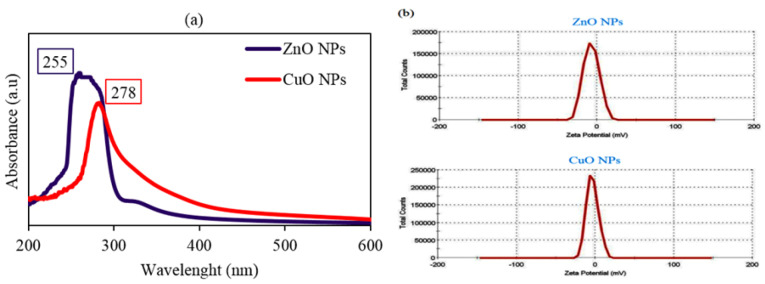
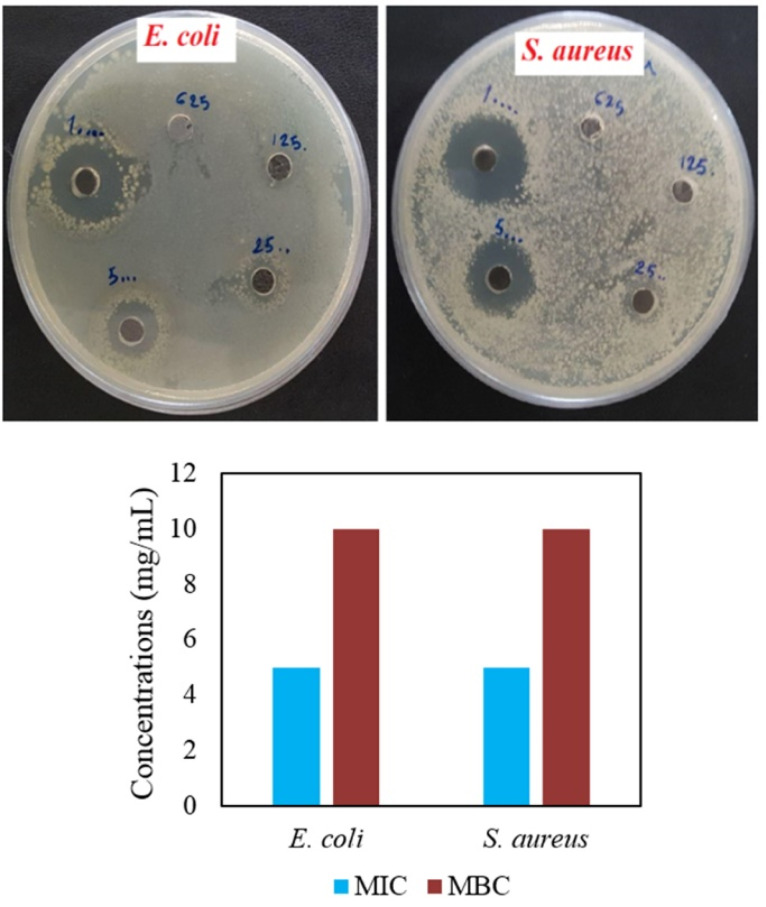
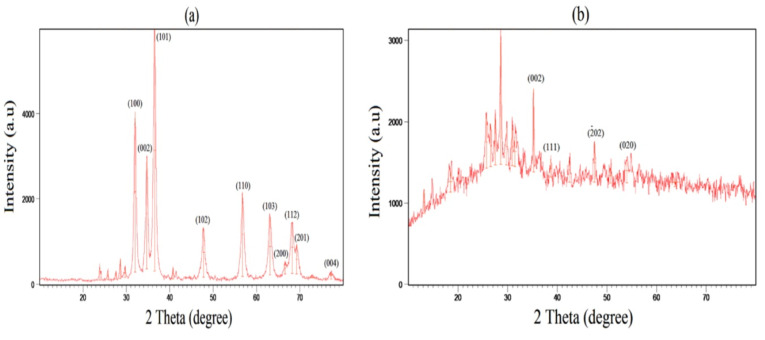
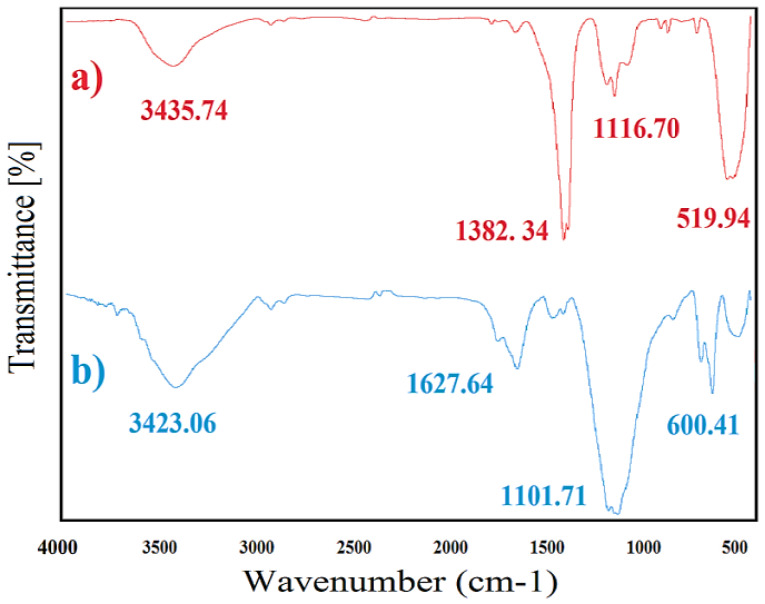
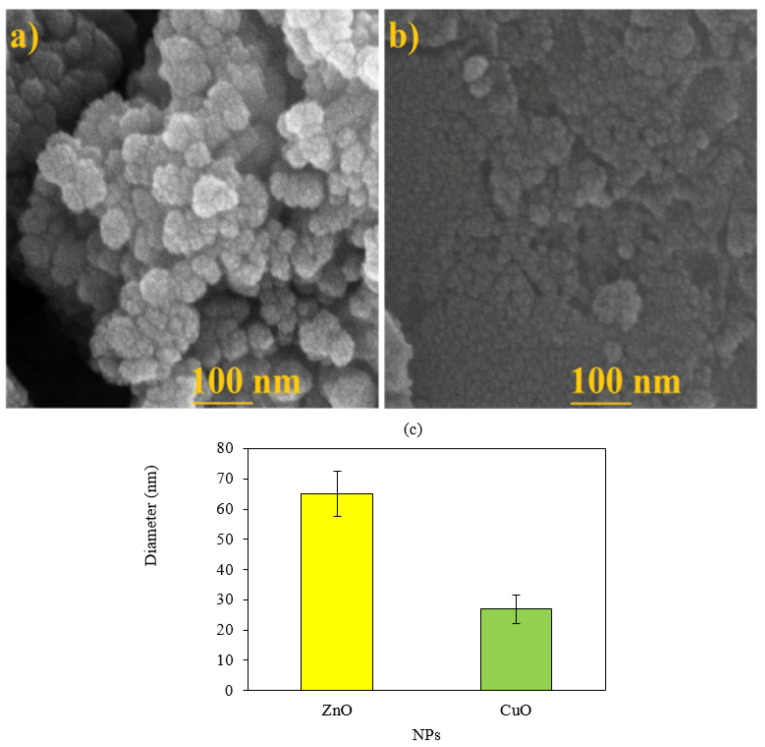
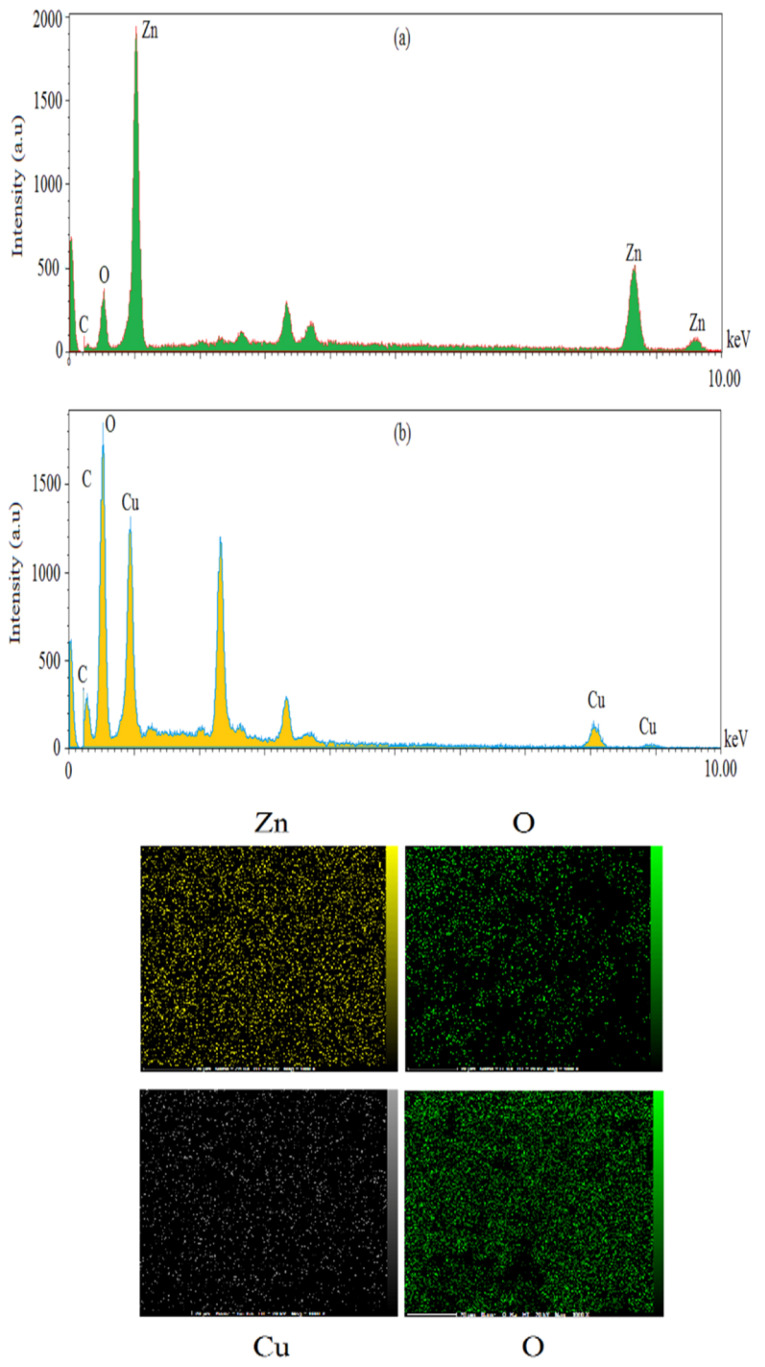
In this study, leaf/flower aqueous extract of medicinal plant species was used to synthesize ZnO and CuO nanoparticles (NPs) as a cost-effective, one-step, and eco-friendly method. Physicochemical properties of both metal oxide NPs (MONPs) were determined by UV-Vis spectroscopy, X-ray diffraction (XRD), Fourier-transform infrared (FTIR) spectroscopy, scanning electron microscope (SEM) and energy dispersive X-ray (EDX) techniques. Phytofabricated ZnONPs and CuNPs illustrated 65.02±7.55 and 26.92±4.7 nm with antibacterial activities against antibiotic-resistant and . Higher antibacterial activities were observed for CuONPs compared with ZnONPs. Large surface area and more reactivity resulted from smaller size as well as higher production of reactive oxygen species (ROS) were considered to antibacterial efficiency of CuONPs against antibiotic-resistant and .
在本研究中,药用植物的叶/花水提取物被用于合成ZnO和CuO纳米颗粒(NPs),这是一种经济高效、一步法且环保的方法。通过紫外可见光谱、X射线衍射(XRD)、傅里叶变换红外(FTIR)光谱、扫描电子显微镜(SEM)和能量色散X射线(EDX)技术测定了两种金属氧化物纳米颗粒(MONPs)的物理化学性质。植物合成的ZnONPs和CuNPs的粒径分别为65.02±7.55和26.92±4.7 nm,对耐抗生素菌具有抗菌活性。与ZnONPs相比,CuONPs表现出更高的抗菌活性。较小的尺寸导致更大的表面积和更高的反应活性,以及更高的活性氧(ROS)生成量,这些因素被认为是CuONPs对耐抗生素菌具有抗菌效率的原因。