Mikaeili Ghezeljeh Somayeh, Salehzadeh Ali, Ataei-E Jaliseh Somayeh
Department of Biology, Rasht Branch, Islamic Azad University, Rasht, Iran.
BMC Chem. 2024 Feb 15;18(1):33. doi: 10.1186/s13065-024-01142-1.
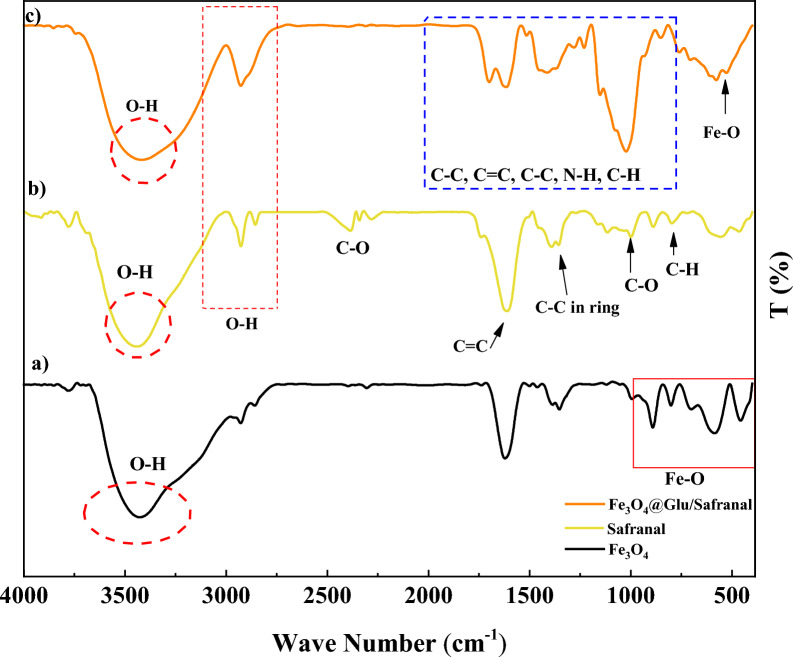
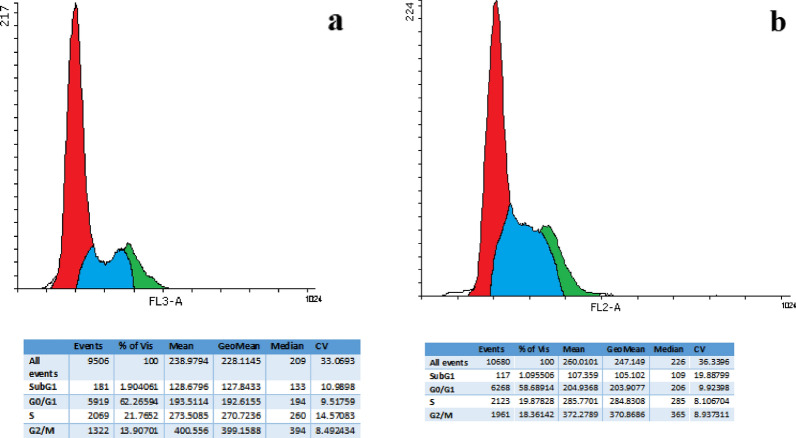
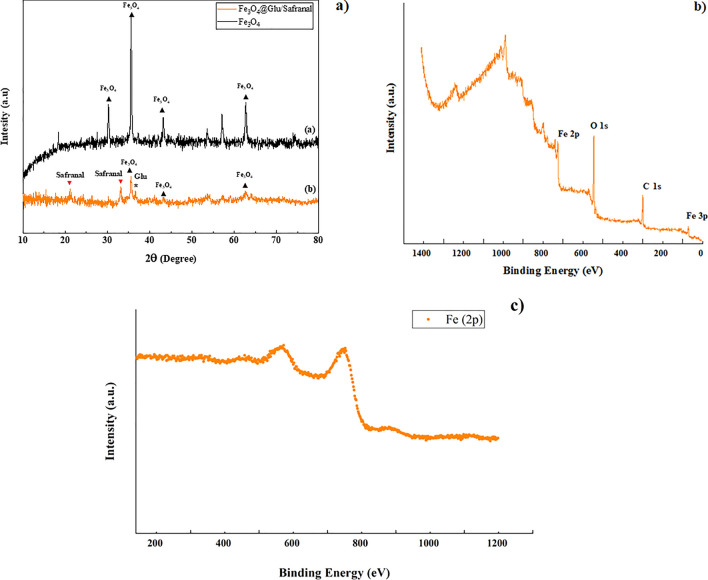
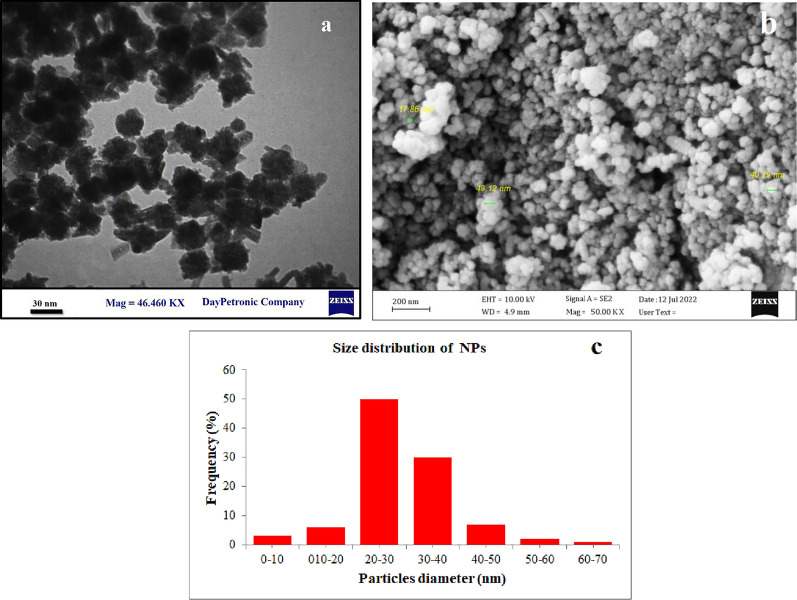
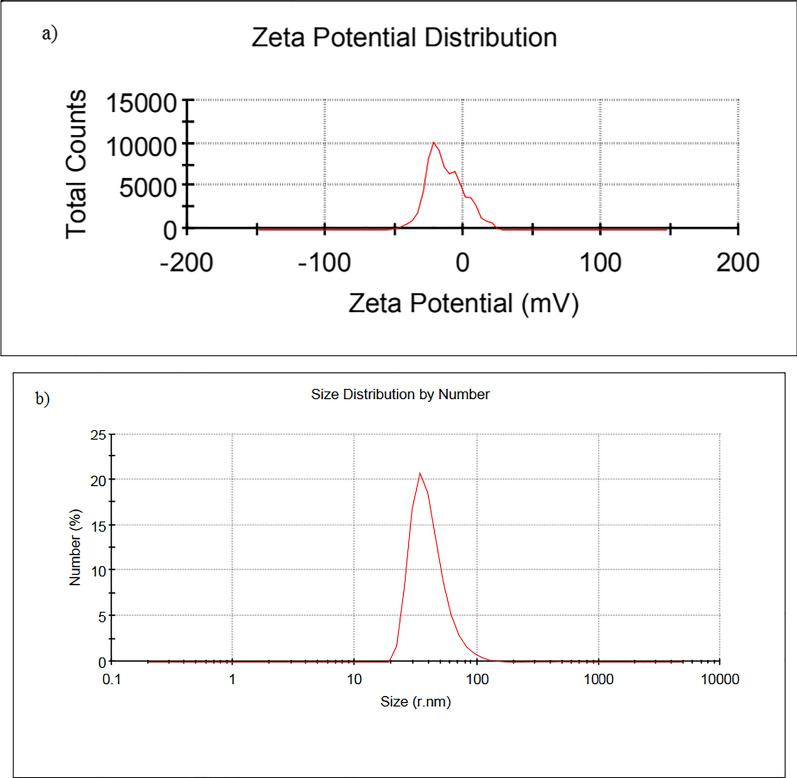
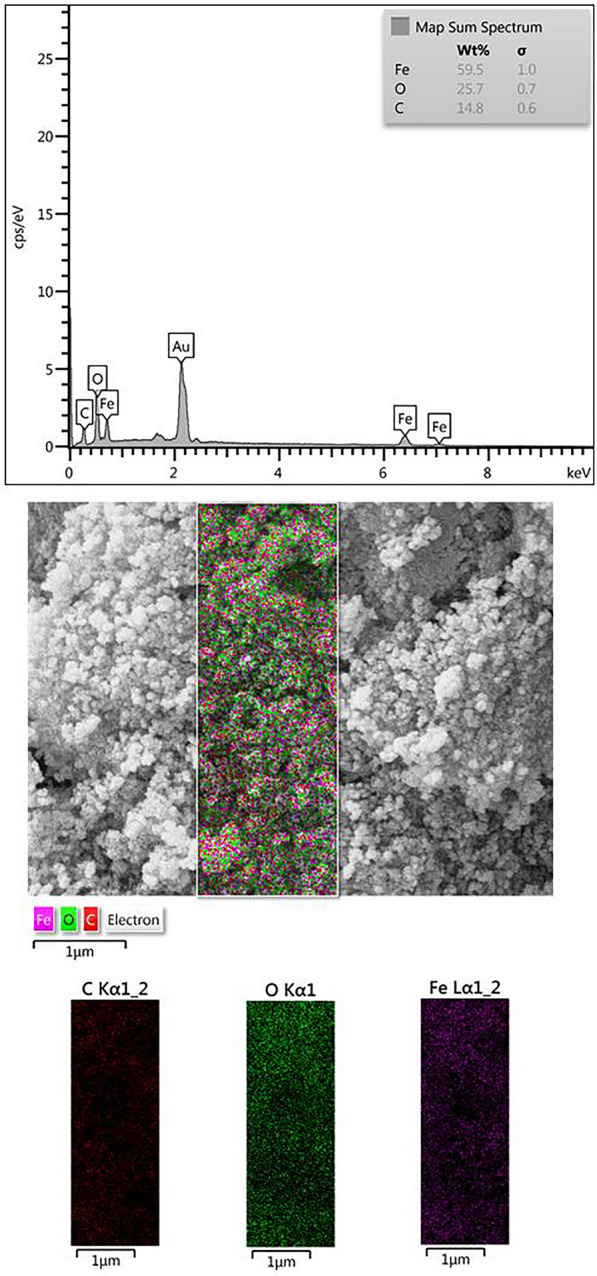
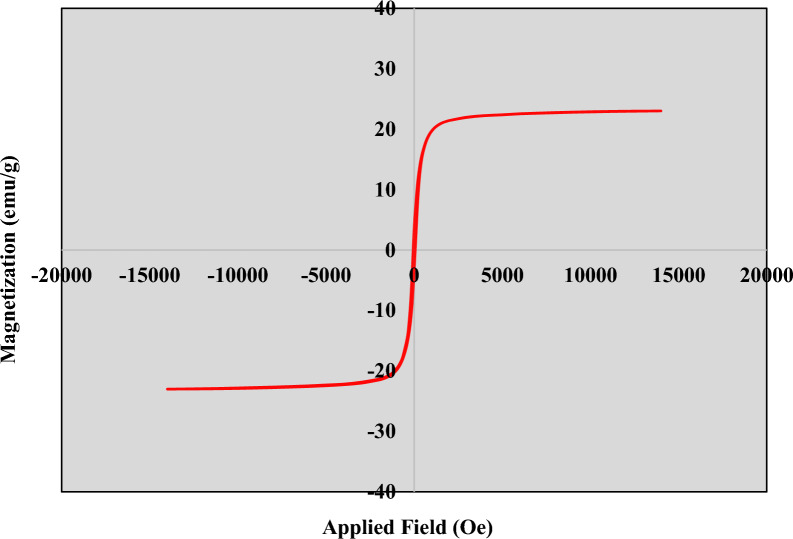
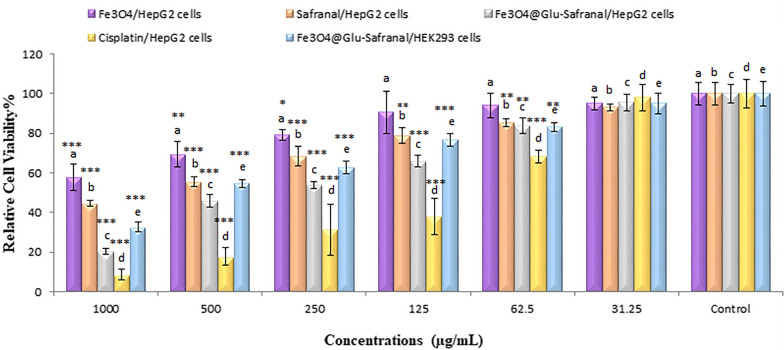
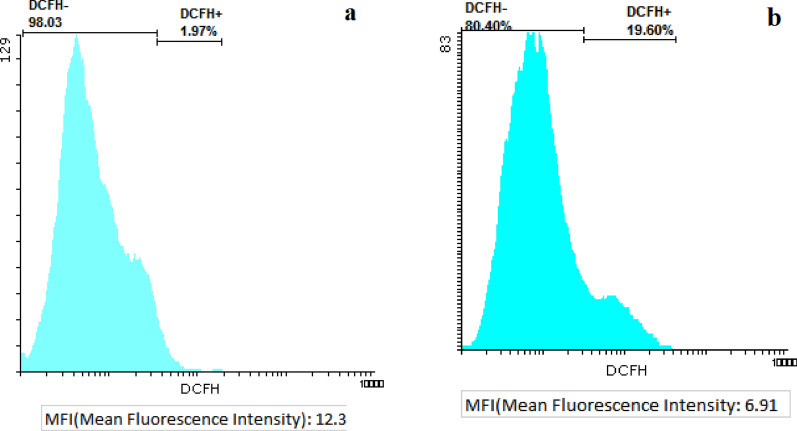
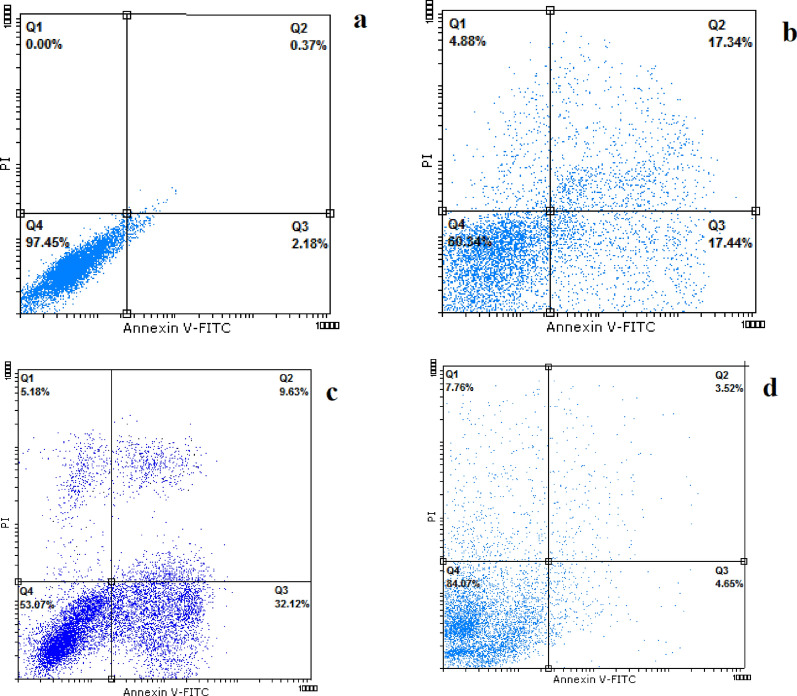
Magnetic nanoparticles can be considered a reliable tool for targeted drug delivery to cancer tissues. Based on this, in this study, the anticancer effect of iron oxide nanoparticles coated with glucose and conjugated with Safranal (FeO@Glu-Safranal NPs) on a liver cancer cell line (HepG2) was investigated. Physicochemical properties of nanoparticles were characterized using FT-IR, XRD, VSM, EDS-mapping, SEM and TEM imaging, zeta potential, and DLS analyses. MTT test was used to investigate the inhibitory effect of nanoparticles on cancer and normal cell lines. Also, the reactive oxygen species (ROS) level, the population of apoptotic cells, and cell cycle analysis were evaluated in control and nanoparticle-treated cells. The synthesized particles were spherical, in a size range of 17-49 nm, without impurities, with a surface charge of - 13 mV and hydrodynamic size of 129 nm, and with magnetic saturation of 22.5 emu/g. The 50% inhibitory concentration (IC) of Safranal, FeO, FeO@Glu-Safranal and Cisplatin drug on liver cancer cells were 474, 1546, 305 and 135 µg/mL, respectively. While, the IC of FeO@Glu-Safranal for normal cell line was 680 µg/mL. Treating liver cancer cells with nanoparticles significantly increased the population of apoptotic cells from 2.5% to 34.7%. Furthermore, the population of the cells arrested at the G2/M phase increased in nanoparticle-treated cells. Due to the biocompatibility of the constituent compounds of these nanoparticles, their magnetic properties, and their inhibitory effects on cancer cells, FeO@Glu-Safranal NPs can be further considered as a promising anticancer compound.
磁性纳米颗粒可被视为一种将药物靶向递送至癌组织的可靠工具。基于此,在本研究中,研究了包覆葡萄糖并与藏红花醛偶联的氧化铁纳米颗粒(FeO@Glu-Safranal NPs)对肝癌细胞系(HepG2)的抗癌作用。使用傅里叶变换红外光谱(FT-IR)、X射线衍射(XRD)、振动样品磁强计(VSM)、能谱分析(EDS-mapping)、扫描电子显微镜(SEM)和透射电子显微镜(TEM)成像、zeta电位以及动态光散射(DLS)分析对纳米颗粒的物理化学性质进行了表征。采用MTT试验研究纳米颗粒对癌细胞系和正常细胞系的抑制作用。此外,还评估了对照细胞和经纳米颗粒处理的细胞中的活性氧(ROS)水平、凋亡细胞数量以及细胞周期分析。合成的颗粒呈球形,尺寸范围为17-49纳米,无杂质,表面电荷为-13毫伏,流体动力学尺寸为129纳米,磁饱和度为22.5电磁单位/克。藏红花醛、FeO、FeO@Glu-Safranal和顺铂药物对肝癌细胞的50%抑制浓度(IC)分别为474、1546、305和135微克/毫升。而FeO@Glu-Safranal对正常细胞系的IC为680微克/毫升。用纳米颗粒处理肝癌细胞可使凋亡细胞数量从2.5%显著增加至34.7%。此外,在经纳米颗粒处理的细胞中,停滞在G2/M期的细胞数量增加。由于这些纳米颗粒的组成化合物具有生物相容性、磁性以及对癌细胞的抑制作用,FeO@Glu-Safranal NPs可被进一步视为一种有前景的抗癌化合物。