Institute of Biomedical Technologies (IBTec), Auckland University of Technology, Auckland 1010, New Zealand.
Sensors (Basel). 2024 Feb 18;24(4):1318. doi: 10.3390/s24041318.
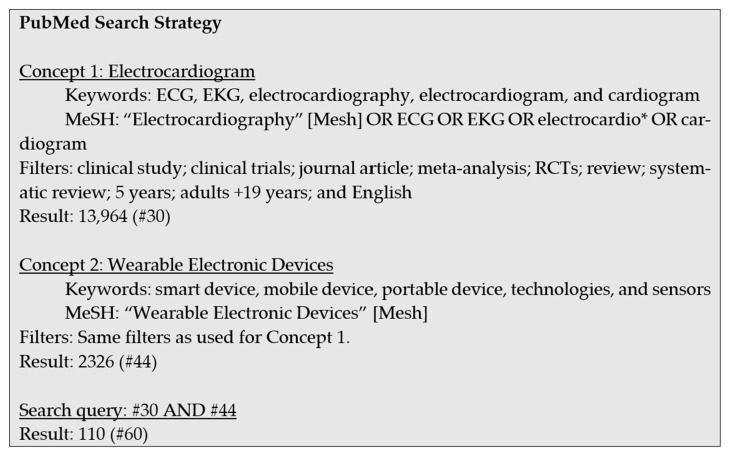
In the rapidly evolving landscape of continuous electrocardiogram (ECG) monitoring systems, there is a heightened demand for non-invasive sensors capable of measuring ECGs and detecting heart rate variability (HRV) in diverse populations, ranging from cardiovascular patients to sports enthusiasts. Challenges like device accuracy, patient privacy, signal noise, and long-term safety impede the use of wearable devices in clinical practice. This scoping review aims to assess the performance and safety of novel multi-channel, sensor-based biopotential wearable devices in adults. A comprehensive search strategy was employed on four databases, resulting in 143 records and the inclusion of 12 relevant studies. Most studies focused on healthy adult subjects ( = 6), with some examining controlled groups with atrial fibrillation (AF) ( = 3), long QT syndrome ( = 1), and sleep apnea ( = 1). The investigated bio-sensor devices included chest-worn belts ( = 2), wrist bands ( = 2), adhesive chest strips ( = 2), and wearable textile smart clothes ( = 4). The primary objective of the included studies was to evaluate device performance in terms of accuracy, signal quality, comparability, and visual assessment of ECGs. Safety findings, reported in five articles, indicated no major side effects for long-term/continuous monitoring, with only minor instances of skin irritation. Looking forward, there are ample opportunities to enhance and test these technologies across various physical activity intensities and clinical conditions.
在不断发展的连续心电图(ECG)监测系统领域,人们对能够测量心电图和检测心率变异性(HRV)的非侵入性传感器的需求日益增长,这些传感器适用于从心血管病患者到运动爱好者等不同人群。设备准确性、患者隐私、信号噪声和长期安全性等挑战,阻碍了可穿戴设备在临床实践中的应用。本范围综述旨在评估新型多通道、基于传感器的生物电位可穿戴设备在成年人中的性能和安全性。我们在四个数据库中采用了全面的搜索策略,共检索到 143 条记录,并纳入了 12 项相关研究。大多数研究都集中在健康的成年受试者(=6)上,有些研究则针对心房颤动(AF)(=3)、长 QT 综合征(=1)和睡眠呼吸暂停(=1)的对照组进行了研究。所研究的生物传感器设备包括胸带(=2)、腕带(=2)、粘贴式胸部条带(=2)和可穿戴式纺织智能服装(=4)。纳入研究的主要目的是评估设备在准确性、信号质量、可比性和心电图的直观评估方面的性能。有 5 篇文章报告了安全性发现,表明这些设备进行长期/连续监测没有出现重大副作用,只有少数皮肤刺激的情况。展望未来,有充分的机会可以在各种身体活动强度和临床条件下改进和测试这些技术。