Taketomi Shuji, Kawaguchi Kohei, Mizutani Yuri, Takei Seira, Yamagami Ryota, Kono Kenichi, Murakami Ryo, Kage Tomofumi, Arakawa Takahiro, Fujiwara Sayaka, Tanaka Sakae, Ogata Toru
Department of Orthopaedic Surgery, The University of Tokyo, Tokyo, Japan.
University of Tokyo Sports Science Initiative, The University of Tokyo, Tokyo, Japan.
Orthop J Sports Med. 2024 Feb 26;12(2):23259671231221481. doi: 10.1177/23259671231221481. eCollection 2024 Feb.
Previous studies have attempted to determine if certain risk factors can predict the occurrence of a lateral ankle sprain (LAS) in female soccer players. Unfortunately, there is limited evidence with regard to risk factors associated with an LAS in female soccer players.
To identify intrinsic risk factors for an LAS among young female soccer players.
Cohort study; Level of evidence, 2.
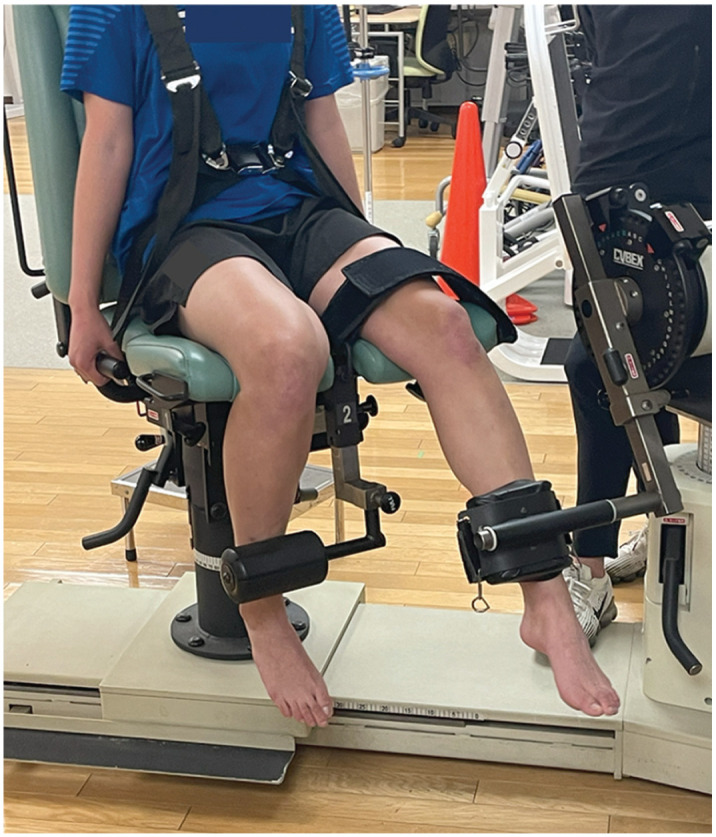
Participants were 161 young female soccer players in Japan who were evaluated for LAS risk factors during a preseason medical assessment. The assessment included anthropometric, joint laxity, joint range of motion, muscle flexibility, muscle strength, and balance measurements. Each athlete's history of LASs was also collected. The participants were monitored during a single-yearseason for LASs, as diagnosed by physicians.
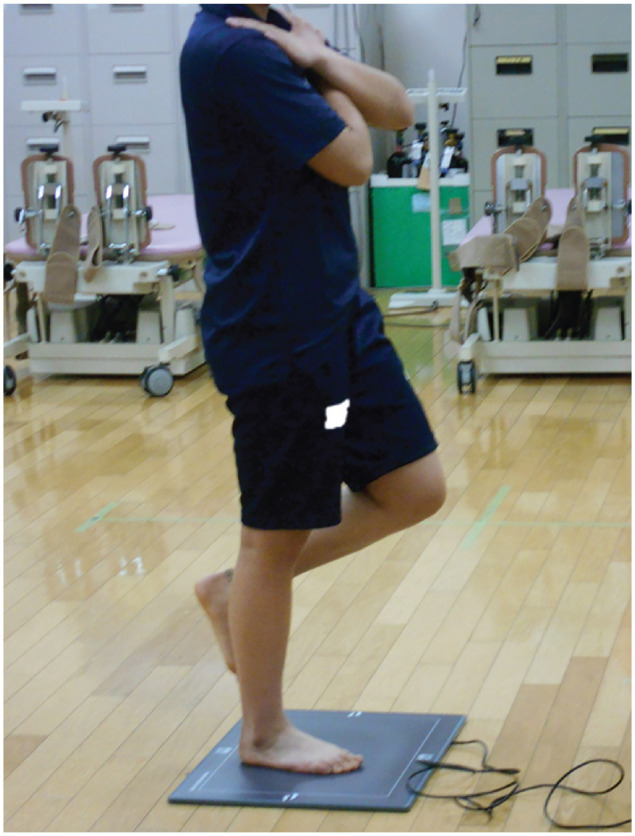
There were 26 instances of an LAS in 25 players (15.5%) during the season. Injured players were significantly more likely to have sustained a previous ankle sprain ( = .045) and demonstrated significantly worse balance than their peers without an LAS during the double- and single-leg balance tests ( = .008 for both). Athletes with lower hamstring-to-quadriceps muscle strength ratios were also significantly more likely to sustain an LAS ( = .02).
Poor balance, a low hamstring-to-quadriceps ratio, and a history of ankle sprains were associated with an increased risk of LASs in young female soccer players in the current study. These findings may be useful for developing a program to prevent LASs in this population.
先前的研究试图确定某些风险因素是否能预测女性足球运动员外侧踝关节扭伤(LAS)的发生。不幸的是,关于女性足球运动员LAS相关风险因素的证据有限。
确定年轻女性足球运动员LAS的内在风险因素。
队列研究;证据等级,2级。
参与者为日本的161名年轻女性足球运动员,她们在季前医学评估中接受了LAS风险因素评估。评估包括人体测量、关节松弛度、关节活动范围、肌肉柔韧性、肌肉力量和平衡测量。还收集了每位运动员的LAS病史。在单赛季期间对参与者进行LAS监测,由医生诊断。
在该赛季中,25名球员(15.5%)出现了26次LAS。受伤球员之前脚踝扭伤的可能性显著更高(P = 0.045),并且在双腿和单腿平衡测试中,与未发生LAS的同龄人相比,其平衡能力明显更差(两者P = 0.008)。腘绳肌与股四头肌力量比更低的运动员发生LAS的可能性也显著更高(P = 0.02)。
在本研究中,年轻女性足球运动员平衡能力差、腘绳肌与股四头肌比例低以及有脚踝扭伤史与LAS风险增加有关。这些发现可能有助于制定该人群预防LAS的方案。