Lyu Xianrui, Ren Xiaodan
College of Civil Engineering, Tongji University, Shanghai, 200092, People's Republic of China.
Sci Rep. 2024 Feb 29;14(1):5041. doi: 10.1038/s41598-024-54861-9.
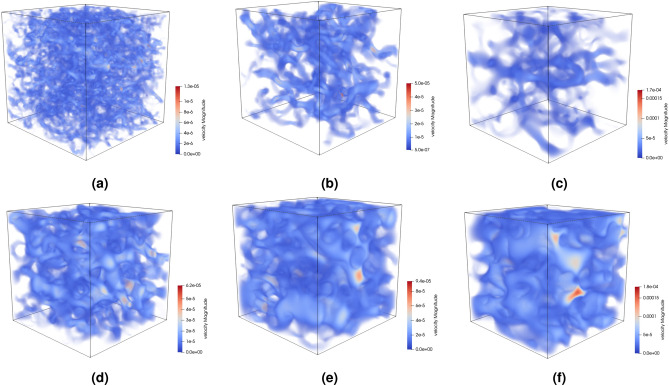
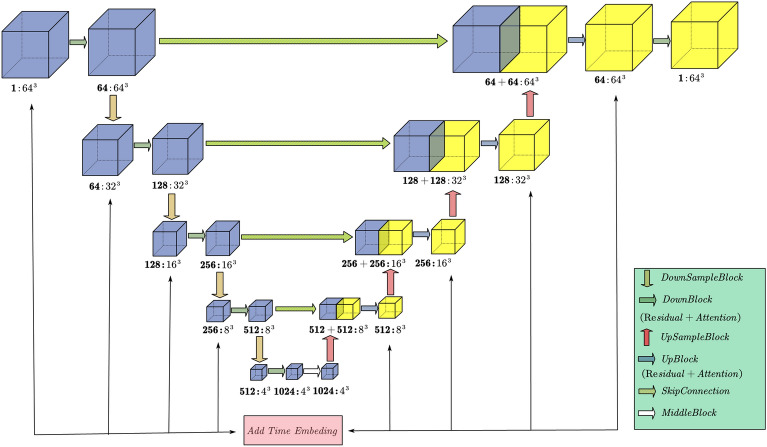
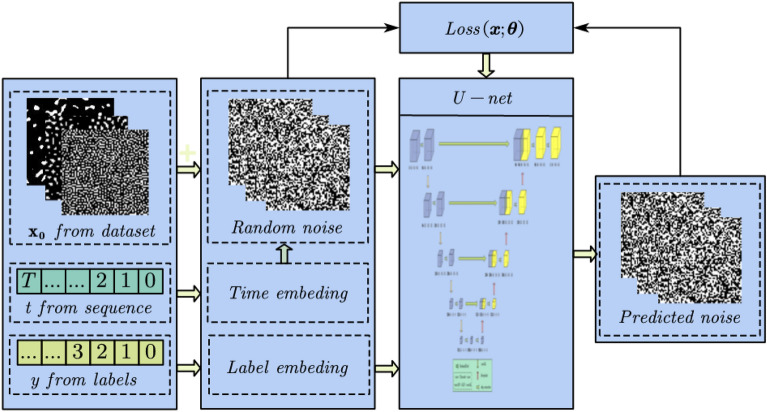
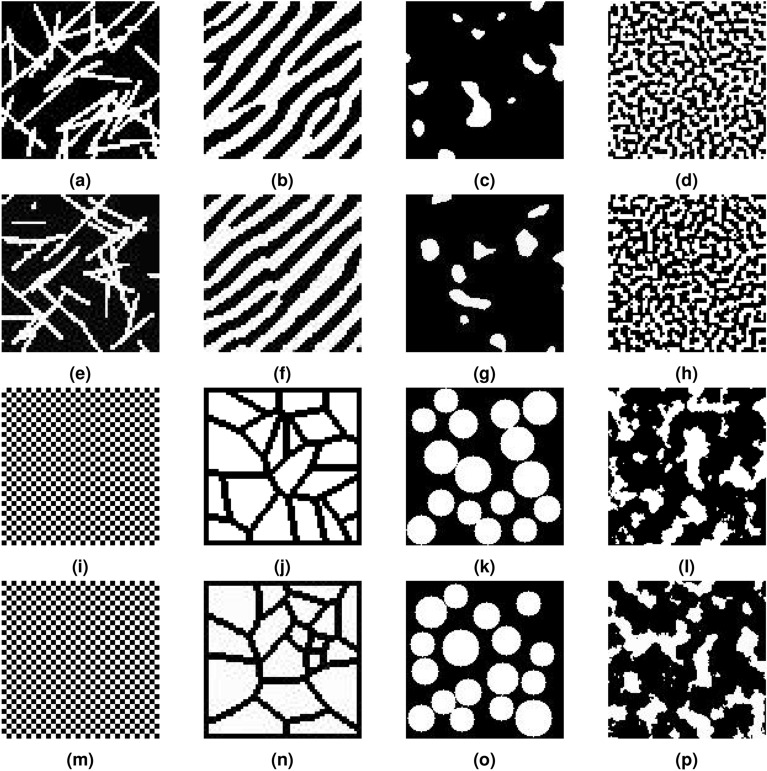
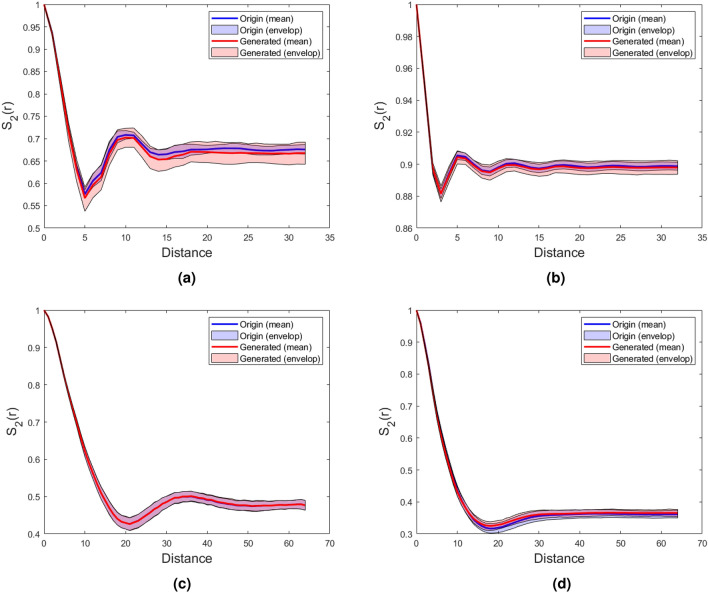
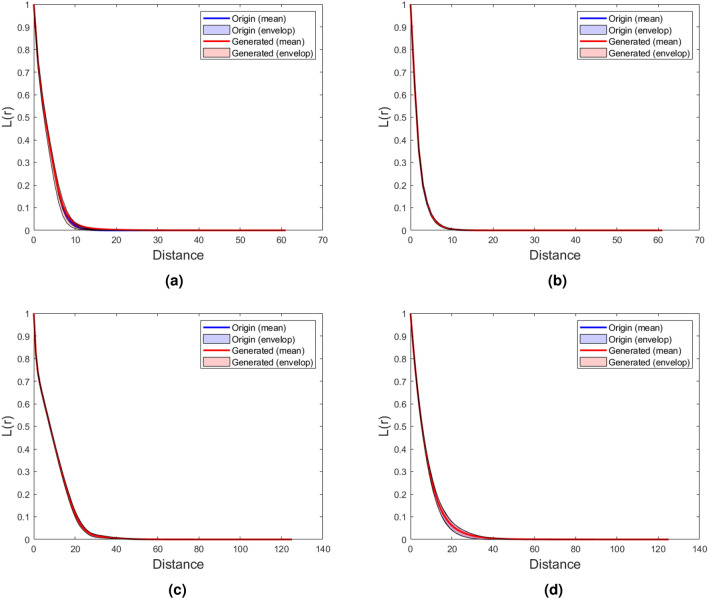
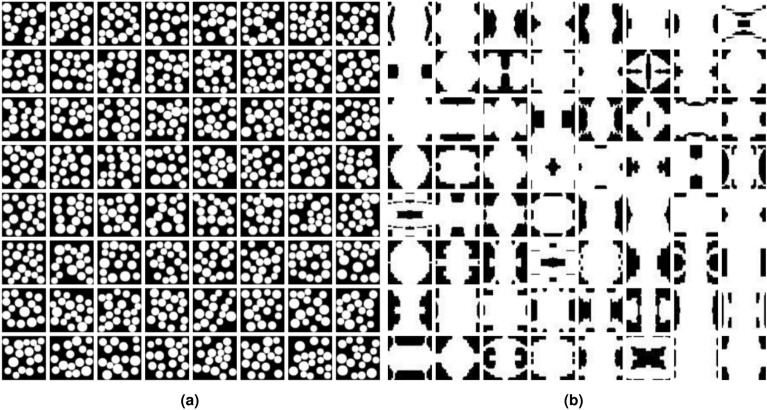
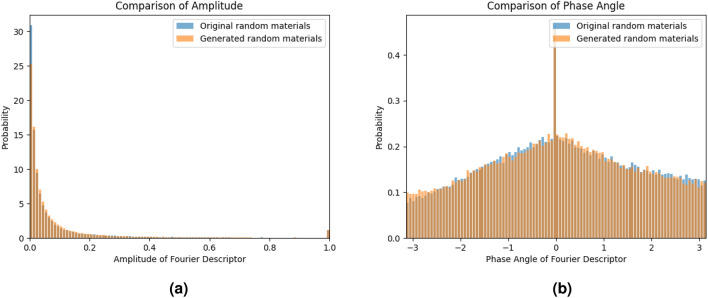
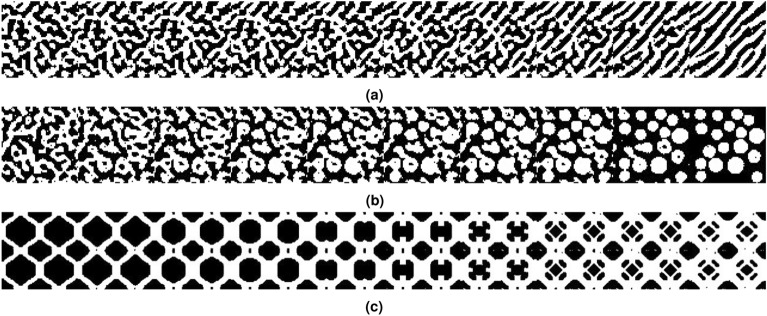
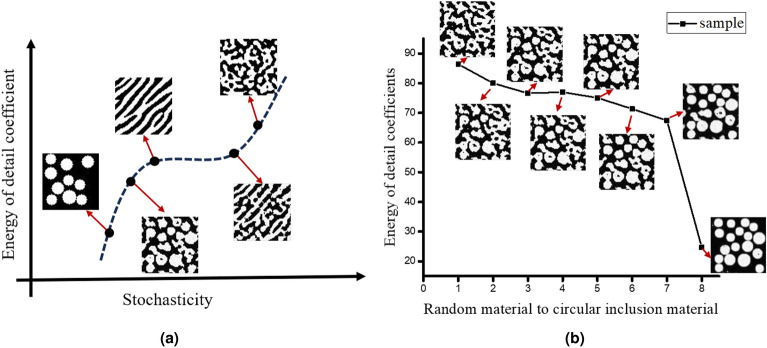
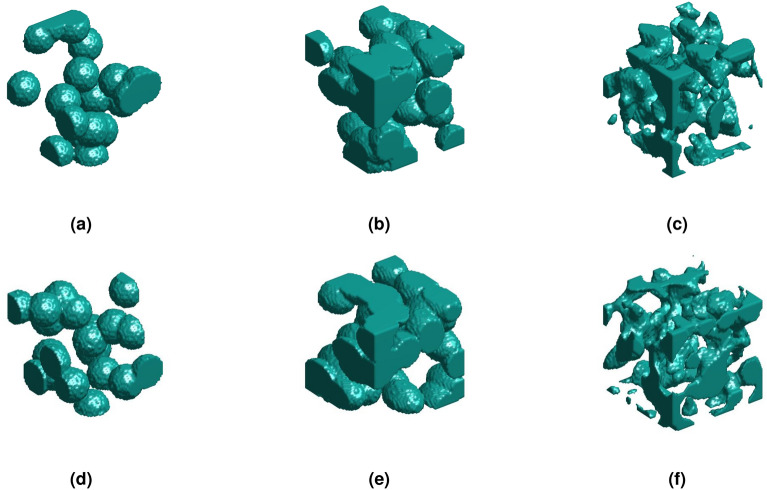
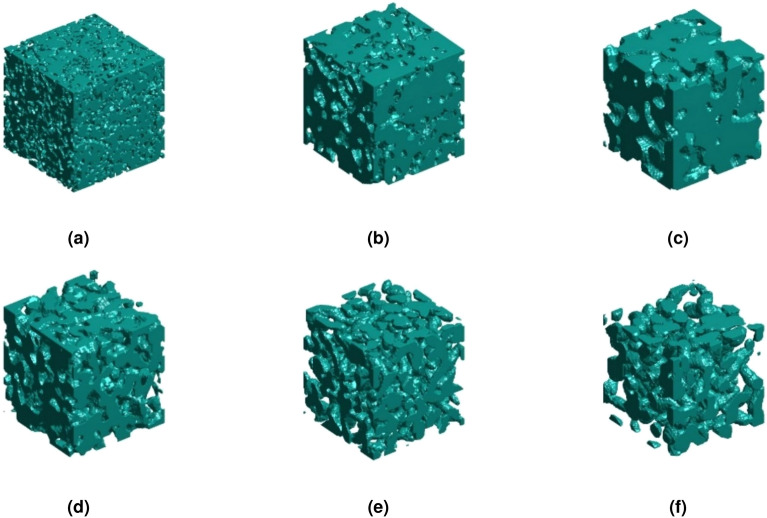
Microstructure reconstruction serves as a crucial foundation for establishing process-structure-property (PSP) relationship in material design. Confronting the limitations of variational autoencoder and generative adversarial network within generative models, this study adopted the denoising diffusion probabilistic model (DDPM) to learn the probability distribution of high-dimensional raw data and successfully reconstructed the microstructures of various composite materials, such as inclusion materials, spinodal decomposition materials, chessboard materials, fractal noise materials, and so on. The quality of generated microstructure was evaluated using quantitative measures like spatial correlation functions and Fourier descriptor. On this basis, this study also achieved the regulation of microstructure randomness and the generation of gradient materials through continuous interpolation in latent space using denoising diffusion implicit model (DDIM). Furthermore, the two-dimensional microstructure reconstruction was extended to three-dimensional framework and integrated permeability as a feature encoding embedding. This enables the conditional generation of three-dimensional microstructures for random porous materials within a defined permeability range. The permeabilities of these generated microstructures were further validated through the application of the lattice Boltzmann method. The above methods provide new ideas and references for material reverse design.
微观结构重建是在材料设计中建立工艺-结构-性能(PSP)关系的关键基础。针对生成模型中变分自编码器和生成对抗网络的局限性,本研究采用去噪扩散概率模型(DDPM)来学习高维原始数据的概率分布,并成功重建了各种复合材料的微观结构,如夹杂材料、旋节分解材料、棋盘材料、分形噪声材料等。使用空间相关函数和傅里叶描述符等定量方法评估生成的微观结构的质量。在此基础上,本研究还通过使用去噪扩散隐式模型(DDIM)在潜在空间中进行连续插值,实现了微观结构随机性的调控和梯度材料的生成。此外,将二维微观结构重建扩展到三维框架,并将渗透率作为特征编码嵌入。这使得能够在定义的渗透率范围内有条件地生成随机多孔材料的三维微观结构。通过应用格子玻尔兹曼方法进一步验证了这些生成的微观结构的渗透率。上述方法为材料逆向设计提供了新的思路和参考。