Liu Yanli, Zheng Zhuqing, Wang Chaohui, Wang Yumeng, Sun Xi, Ren Zhouzheng, Yang Xin, Yang Xiaojun
College of Animal Science and Technology, Northwest A&F University, Yangling, 712100, China.
Institute of Agricultural Biotechnology, Jingchu University of Technology, Jingmen, 448000, China.
J Anim Sci Biotechnol. 2024 Mar 7;15(1):40. doi: 10.1186/s40104-024-01001-y.
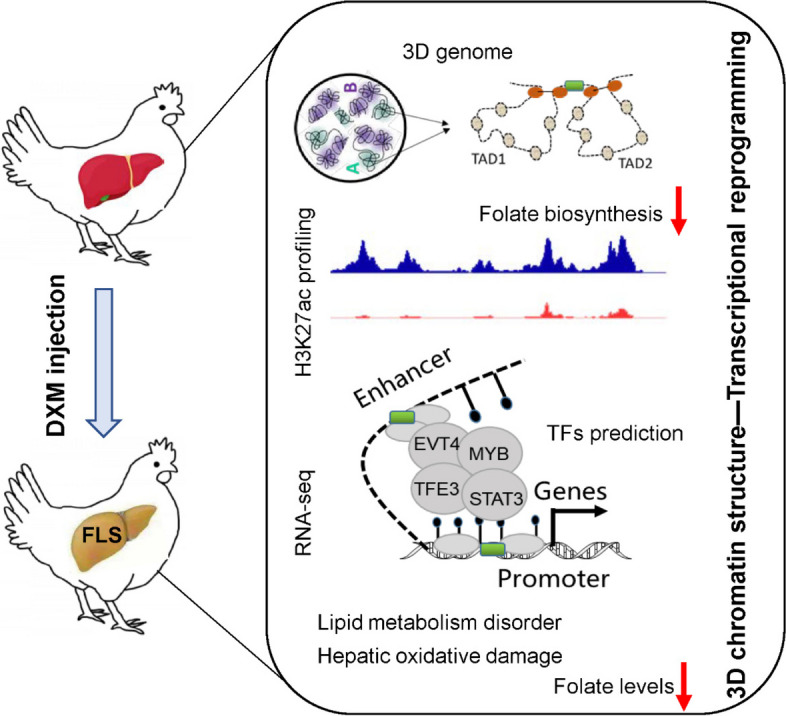
Fatty liver disease causes huge economic losses in the poultry industry due to its high occurrence and lethality rate. Three-dimensional (3D) chromatin architecture takes part in disease processing by regulating transcriptional reprogramming. The study is carried out to investigate the alterations of hepatic 3D genome and H3K27ac profiling in early fatty liver (FLS) and reveal their effect on hepatic transcriptional reprogramming in laying hens.
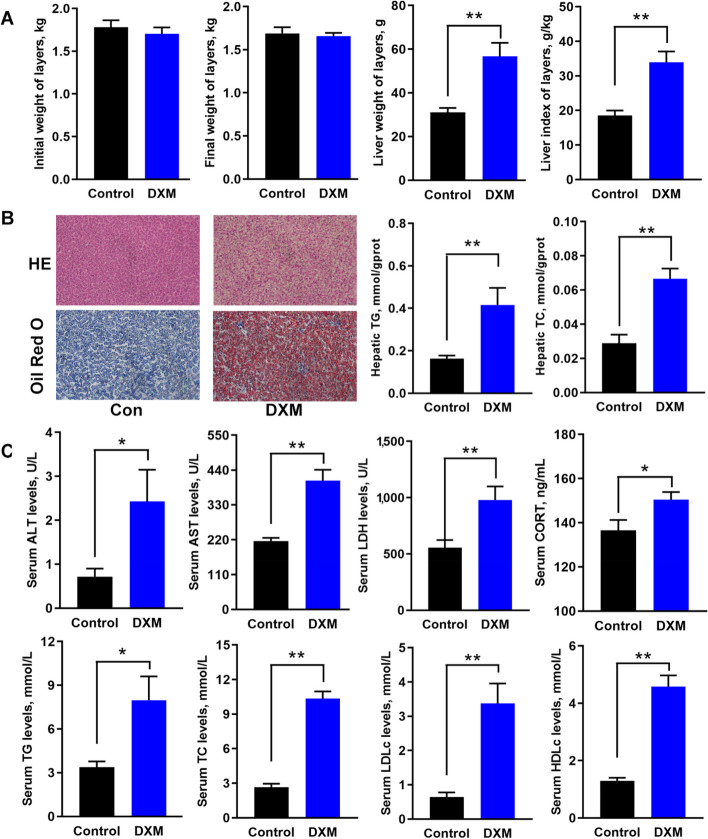
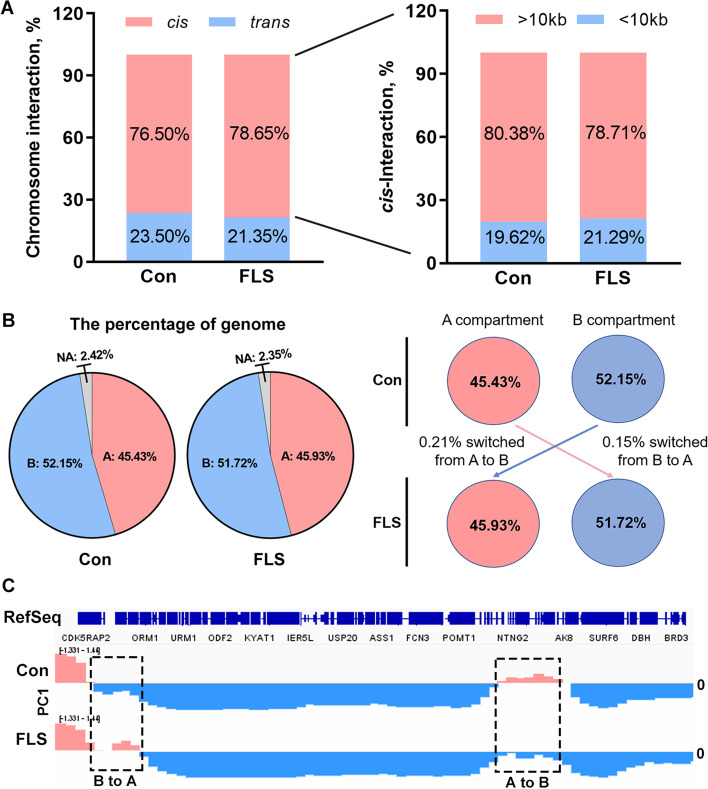
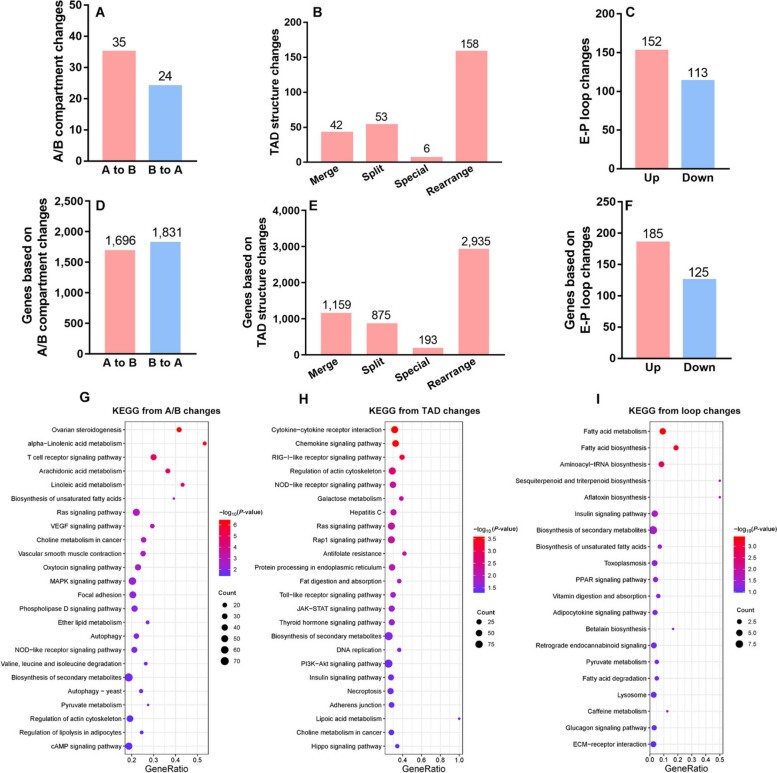
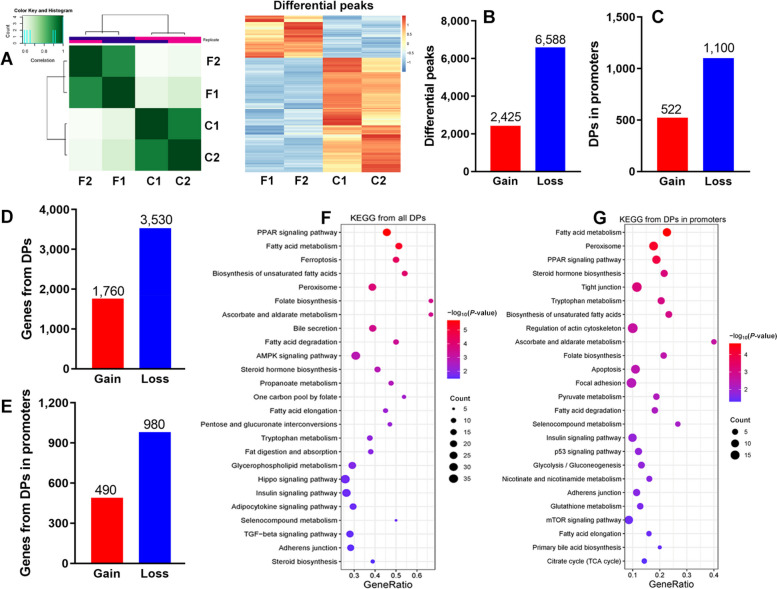
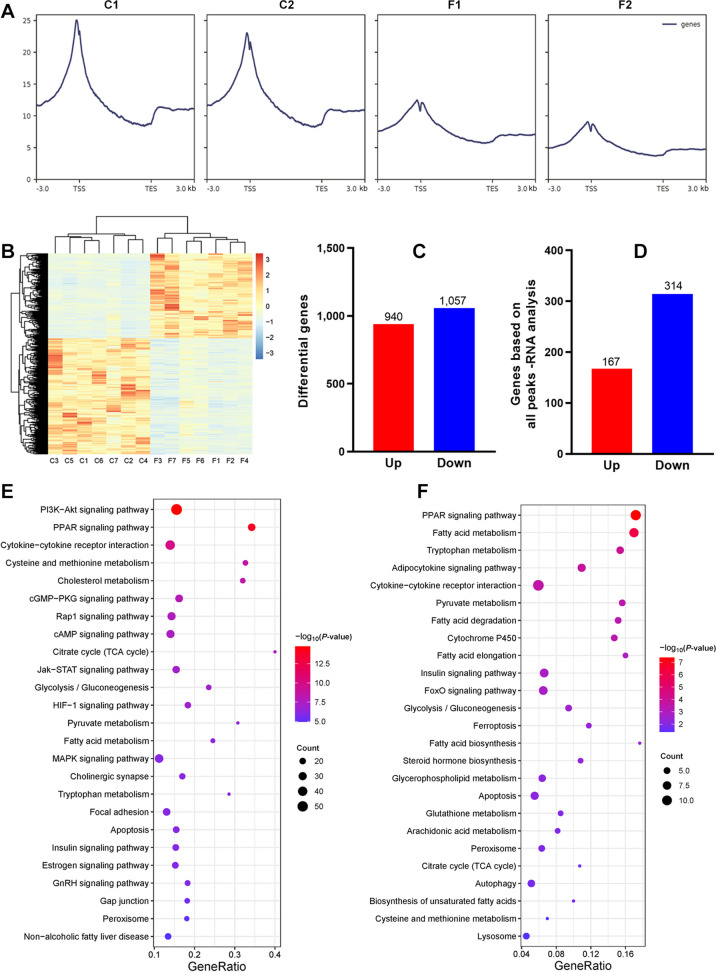
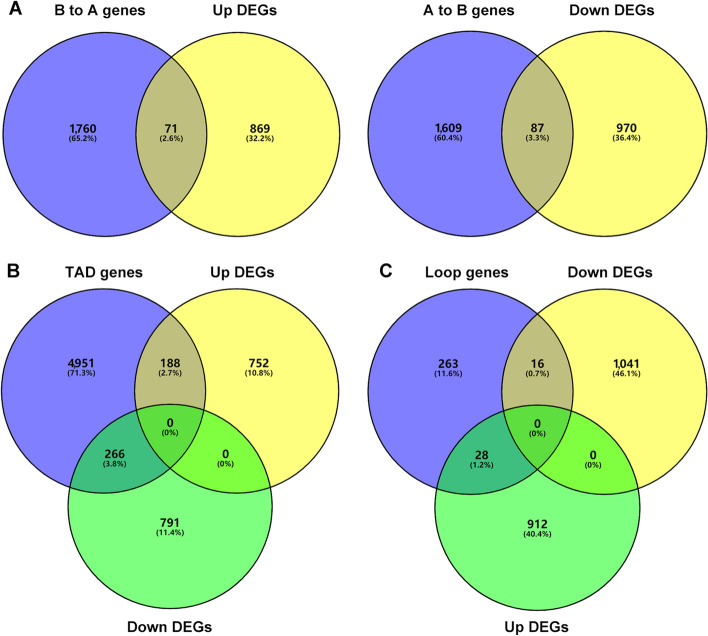
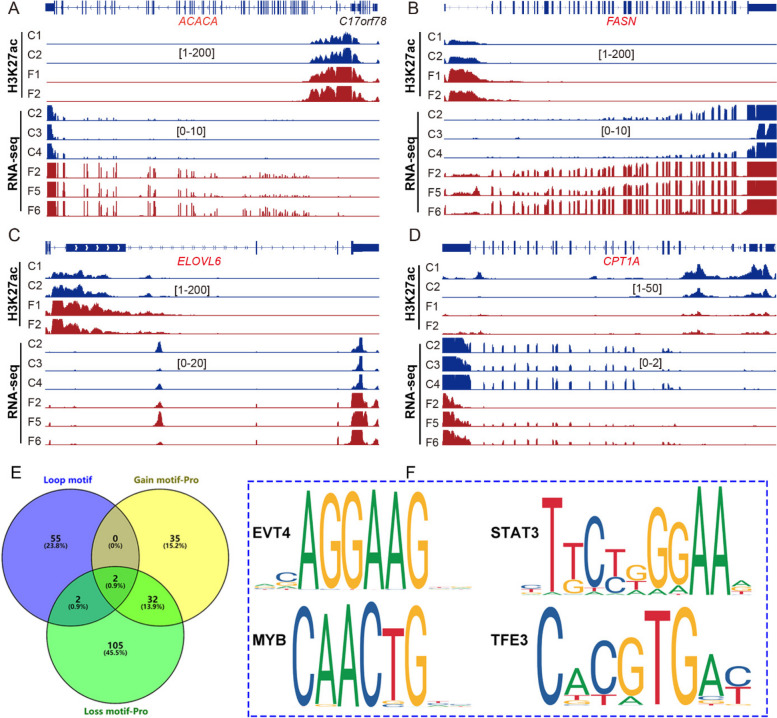
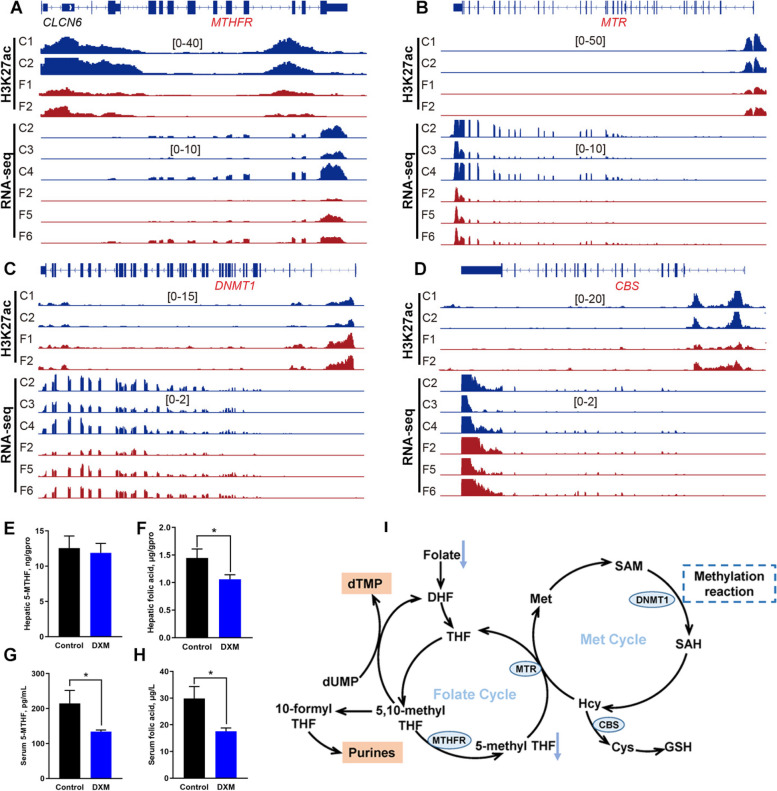
Results show that FLS model is constructed with obvious phenotypes including hepatic visible lipid deposition as well as higher total triglyceride and cholesterol in serum. A/B compartment switching, topologically associating domain (TAD) and chromatin loop changes are identified by high-throughput/resolution chromosome conformation capture (HiC) technology. Targeted genes of these alternations in hepatic 3D genome organization significantly enrich pathways related to lipid metabolism and hepatic damage. H3K27ac differential peaks and differential expression genes (DEGs) identified through RNA-seq analysis are also enriched in these pathways. Notably, certain DEGs are found to correspond with changes in 3D chromatin structure and H3K27ac binding in their promoters. DNA motif analysis reveals that candidate transcription factors are implicated in regulating transcriptional reprogramming. Furthermore, disturbed folate metabolism is observed, as evidenced by lower folate levels and altered enzyme expression.
Our findings establish a link between transcriptional reprogramming changes and 3D chromatin structure variations during early FLS formation, which provides candidate transcription factors and folate as targets for FLS prevention or treatment.
脂肪肝疾病因其高发病率和致死率在家禽业中造成巨大经济损失。三维(3D)染色质结构通过调节转录重编程参与疾病进程。本研究旨在探究早期脂肪肝(FLS)中肝脏3D基因组和H3K27ac图谱的变化,并揭示它们对蛋鸡肝脏转录重编程的影响。
结果表明,构建的FLS模型具有明显的表型,包括肝脏可见脂质沉积以及血清中总甘油三酯和胆固醇含量升高。通过高通量/高分辨率染色体构象捕获(HiC)技术鉴定了A/B区室转换、拓扑相关结构域(TAD)和染色质环变化。肝脏3D基因组组织中这些变化的靶基因显著富集与脂质代谢和肝脏损伤相关的通路。通过RNA测序分析鉴定的H3K27ac差异峰和差异表达基因(DEG)也富集在这些通路中。值得注意的是,发现某些DEG与启动子中3D染色质结构和H3K27ac结合的变化相对应。DNA基序分析表明候选转录因子参与调节转录重编程。此外,观察到叶酸代谢紊乱,表现为叶酸水平降低和酶表达改变。
我们的研究结果建立了早期FLS形成过程中转录重编程变化与3D染色质结构变异之间的联系,这为FLS的预防或治疗提供了候选转录因子和叶酸作为靶点。