Faculty of Chinese Medicine, Macau University of Science and Technology, Avenida Wai Long, Taipa, 999078, Macau, People's Republic of China.
State Key Laboratory of Quality Research in Chinese Medicine, Macau University of Science and Technology, Avenida Wai Long, Taipa, 999078, Macau, People's Republic of China.
Cardiovasc Diabetol. 2024 Mar 14;23(1):96. doi: 10.1186/s12933-024-02178-2.
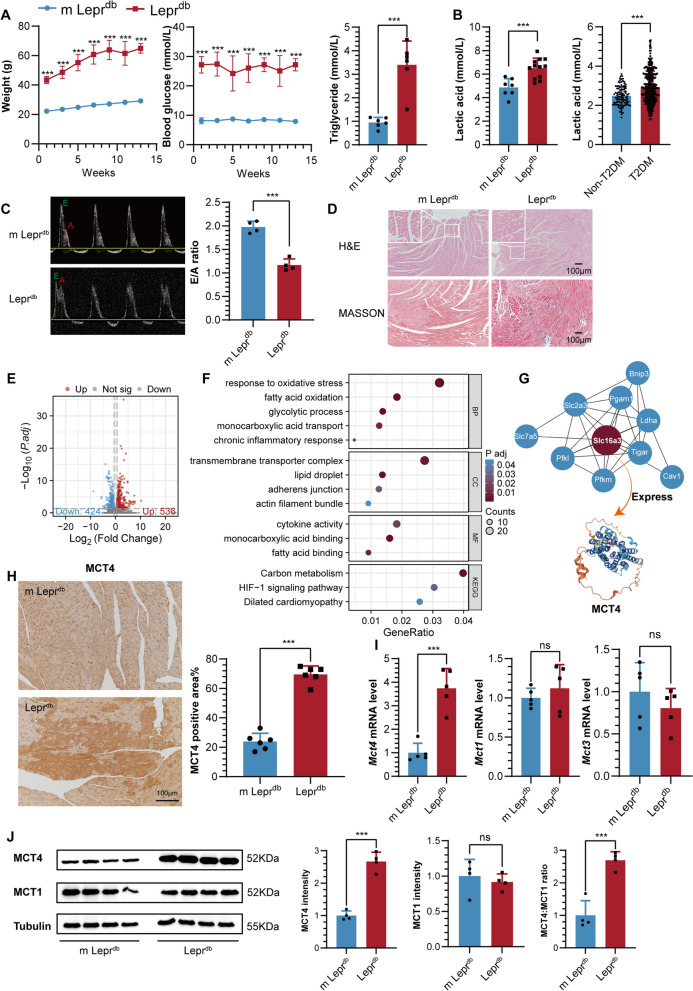
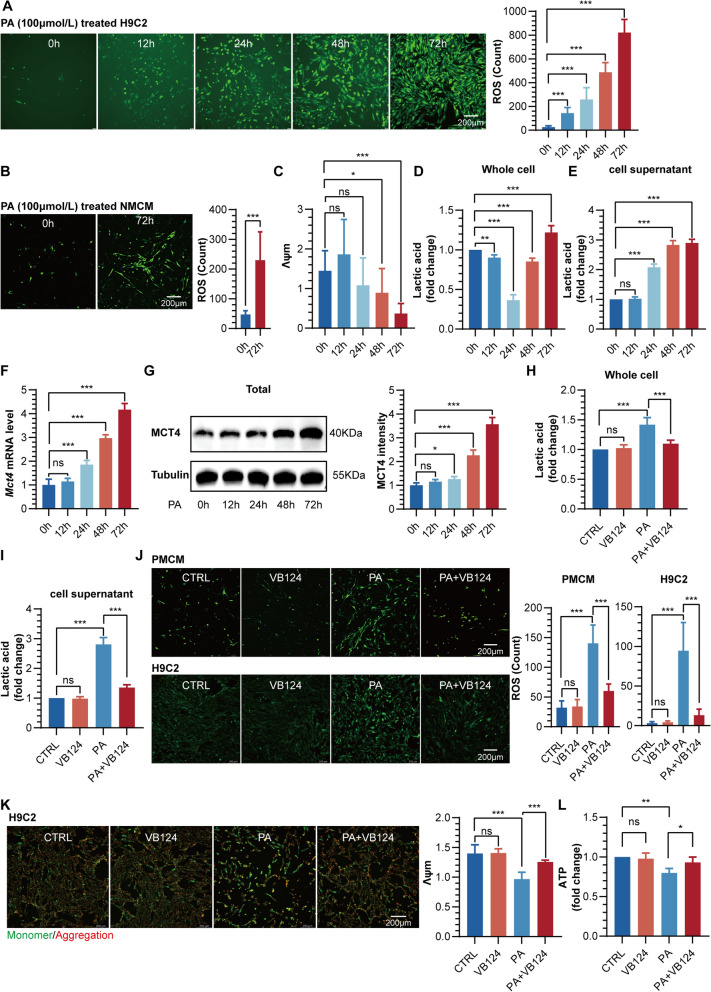
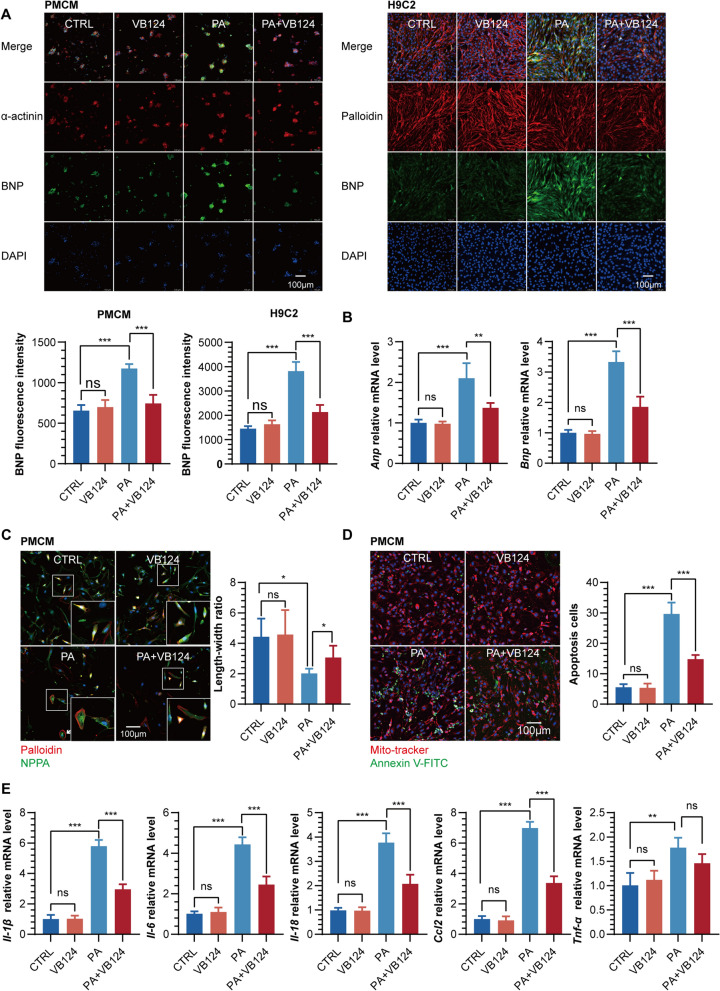
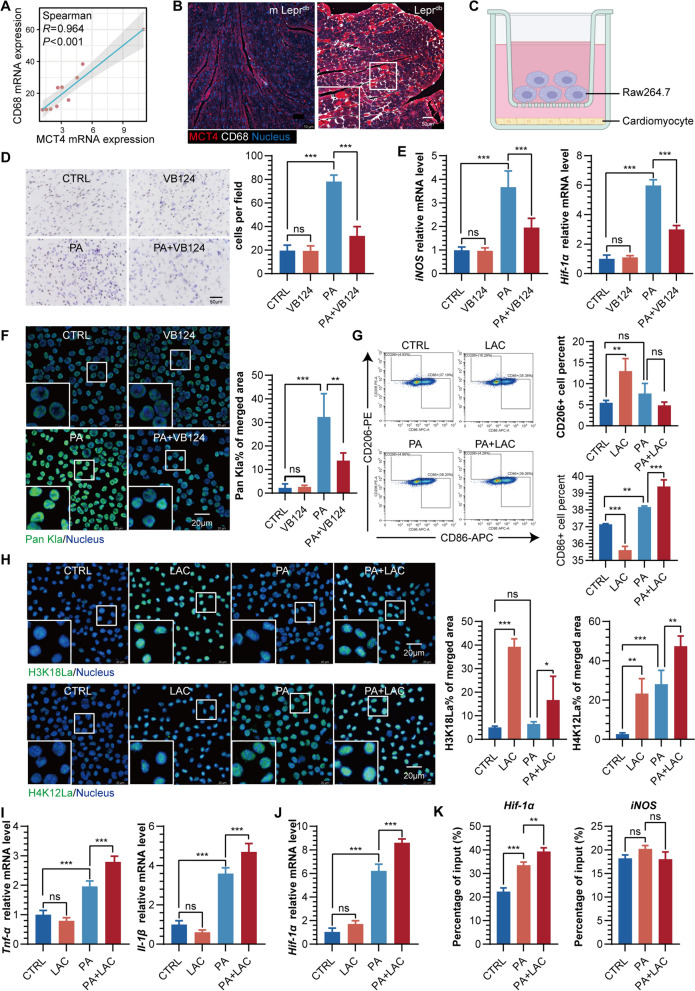
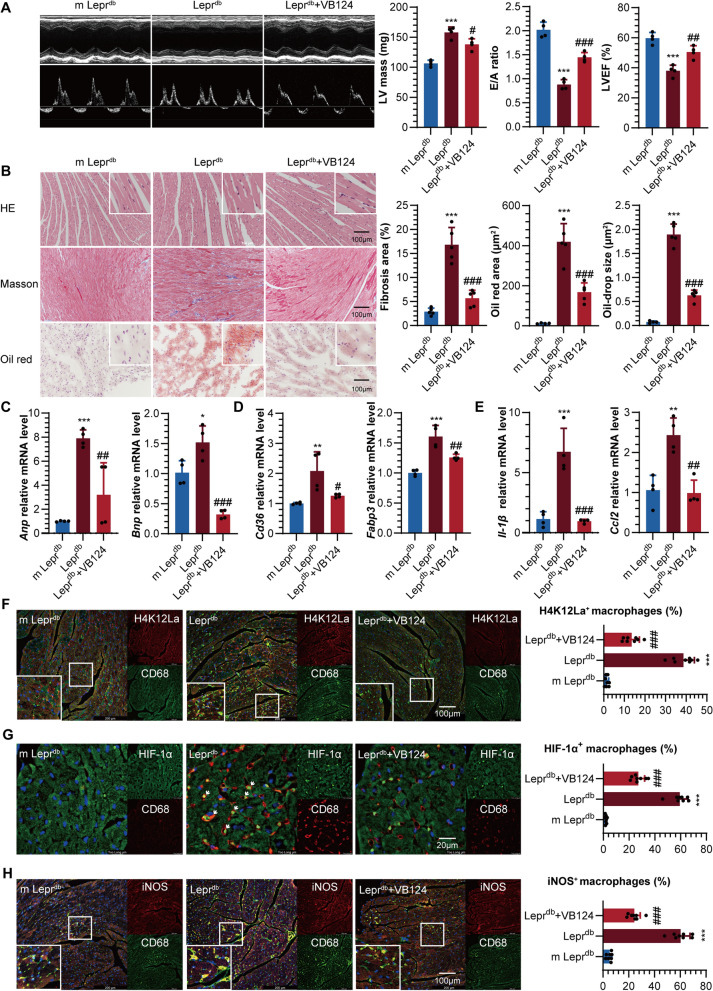
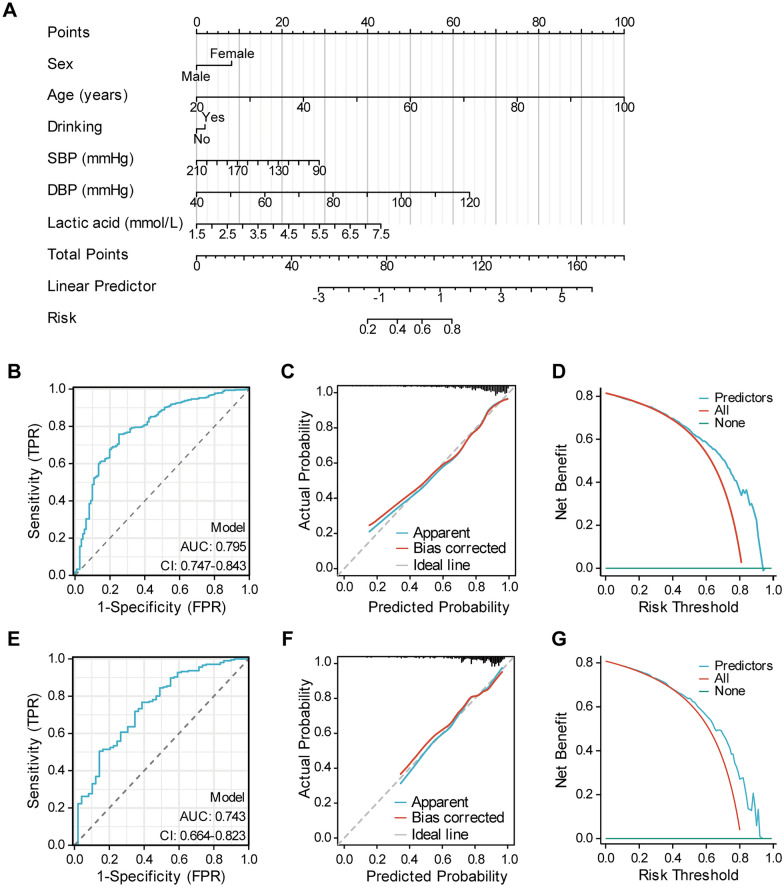
Diabetic cardiomyopathy (DCM) is a major contributor to mortality in diabetic patients, characterized by a multifaceted pathogenesis and limited therapeutic options. While lactate, a byproduct of glycolysis, is known to be significantly elevated in type 2 diabetes, its specific role in DCM remains uncertain. This study reveals an abnormal upregulation of monocarboxylate transporter 4 (MCT4) on the plasma membrane of cardiomyocytes in type 2 diabetes, leading to excessive lactate efflux from these cells. The disruption in lactate transport homeostasis perturbs the intracellular lactate-pyruvate balance in cardiomyocytes, resulting in oxidative stress and inflammatory responses that exacerbate myocardial damage. Additionally, our findings suggest increased lactate efflux augments histone H4K12 lactylation in macrophages, facilitating inflammatory infiltration within the microenvironment. In vivo experiments have demonstrated that inhibiting MCT4 effectively alleviates myocardial oxidative stress and pathological damage, reduces inflammatory macrophage infiltration, and enhances cardiac function in type 2 diabetic mice. Furthermore, a clinical prediction model has been established, demonstrating a notable association between peripheral blood lactate levels and diastolic dysfunction in individuals with type 2 diabetes. This underscores the potential of lactate as a prognostic biomarker for DCM. Ultimately, our findings highlight the pivotal involvement of MCT4 in the dysregulation of cardiac energy metabolism and macrophage-mediated inflammation in type 2 diabetes. These insights offer novel perspectives on the pathogenesis of DCM and pave the way for the development of targeted therapeutic strategies against this debilitating condition.
糖尿病心肌病(DCM)是糖尿病患者死亡的主要原因,其发病机制复杂,治疗选择有限。虽然糖酵解的副产物乳酸在 2 型糖尿病中显著升高,但它在 DCM 中的具体作用尚不清楚。本研究揭示了 2 型糖尿病患者心肌细胞的质膜上单羧酸转运蛋白 4(MCT4)异常上调,导致这些细胞中乳酸的过度外排。乳酸转运平衡的破坏扰乱了心肌细胞内的乳酸-丙酮酸平衡,导致氧化应激和炎症反应加剧,从而加重心肌损伤。此外,我们的研究结果表明,增加的乳酸外排增加了巨噬细胞中组蛋白 H4K12 的乳酰化,促进了微环境中的炎症浸润。体内实验表明,抑制 MCT4 可有效减轻 2 型糖尿病小鼠的心肌氧化应激和病理损伤,减少炎症性巨噬细胞浸润,增强心脏功能。此外,还建立了一个临床预测模型,表明 2 型糖尿病个体外周血乳酸水平与舒张功能障碍之间存在显著相关性。这突出了乳酸作为 DCM 预后生物标志物的潜力。综上所述,本研究强调了 MCT4 在 2 型糖尿病中心脏能量代谢失调和巨噬细胞介导的炎症中的关键作用,为 DCM 的发病机制提供了新的视角,并为针对这种衰弱性疾病的靶向治疗策略的发展铺平了道路。