Hu Xiaodi, Zhen Wenrui, Bai Dongying, Zhong Jiale, Zhang Ruilin, Zhang Haojie, Zhang Yi, Ito Koichi, Zhang Bingkun, Ma Yanbo
Department of Animal Physiology, College of Animal Science and Technology, Henan University of Science and Technology, Luoyang, China.
Henan International Joint Laboratory of Animal Welfare and Health Breeding, College of Animal Science and Technology, Henan University of Science and Technology, Luoyang, China.
Front Microbiol. 2024 Mar 8;15:1347053. doi: 10.3389/fmicb.2024.1347053. eCollection 2024.
The aim of this study was to investigate the effects of chlorogenic acid (CGA) on the intestinal microorganisms and metabolites in broilers during lipopolysaccharide (LPS)-induced immune stress.
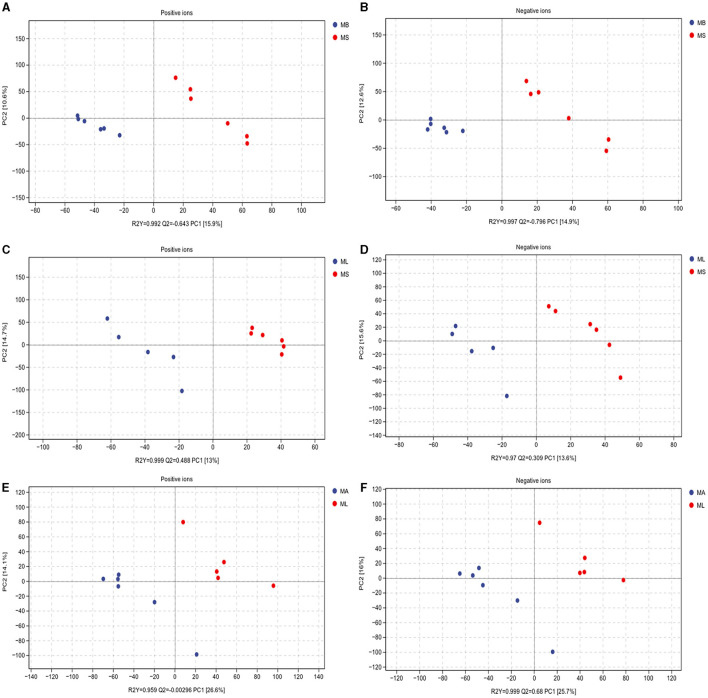
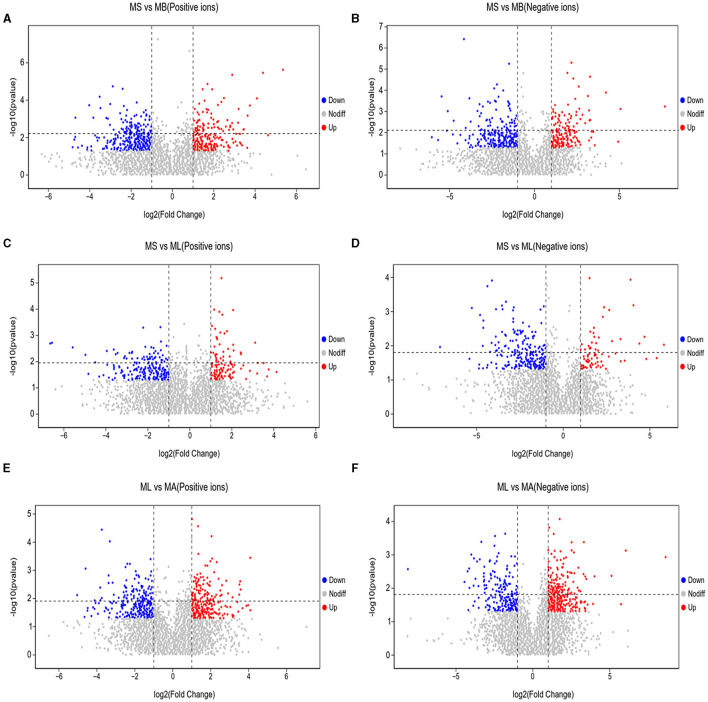
A total of 312 one-day-old Arbor Acres (AA) broilers were randomly allocated to four groups with six replicates per group and 13 broilers per replicate: (1) MS group (injected with saline and fed the basal diet); (2) ML group (injected with 0.5 mg LPS/kg and fed the basal diet); (3) MA group (injected with 0.5 mg LPS/kg and fed the basal diet supplemented with 1,000 mg/kg CGA); and (4) MB group (injected with saline and fed the basal diet supplemented with 1,000 mg/kg CGA).
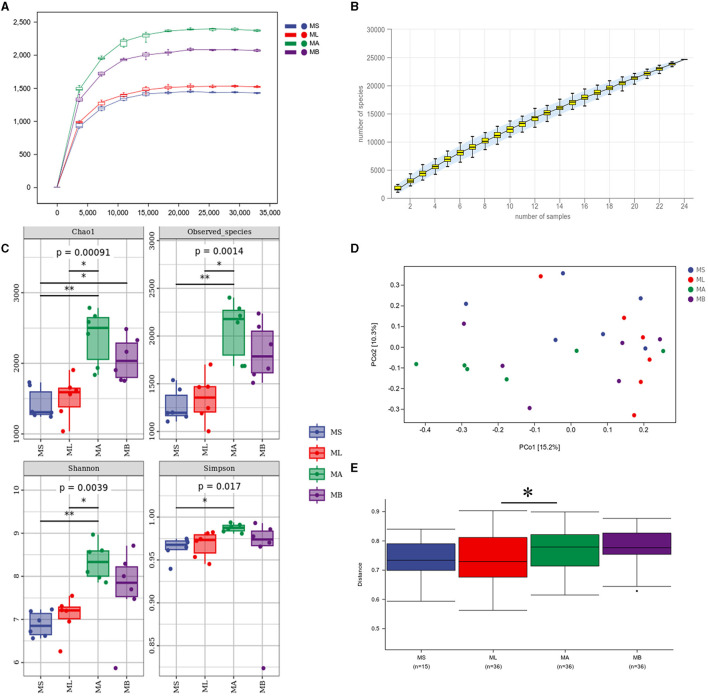
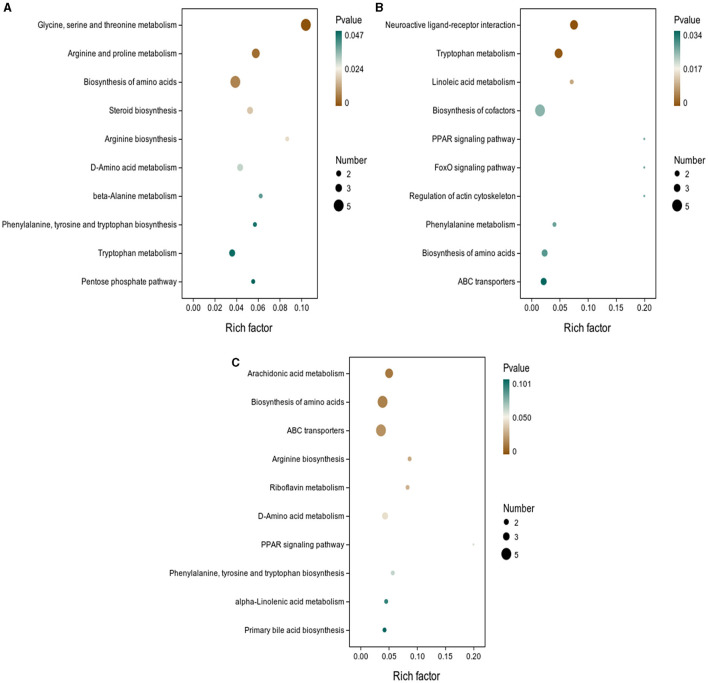
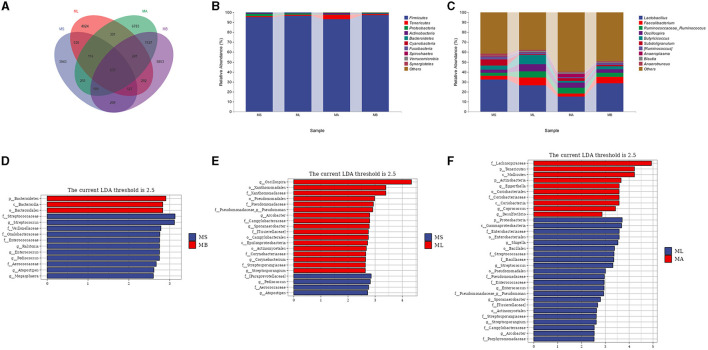
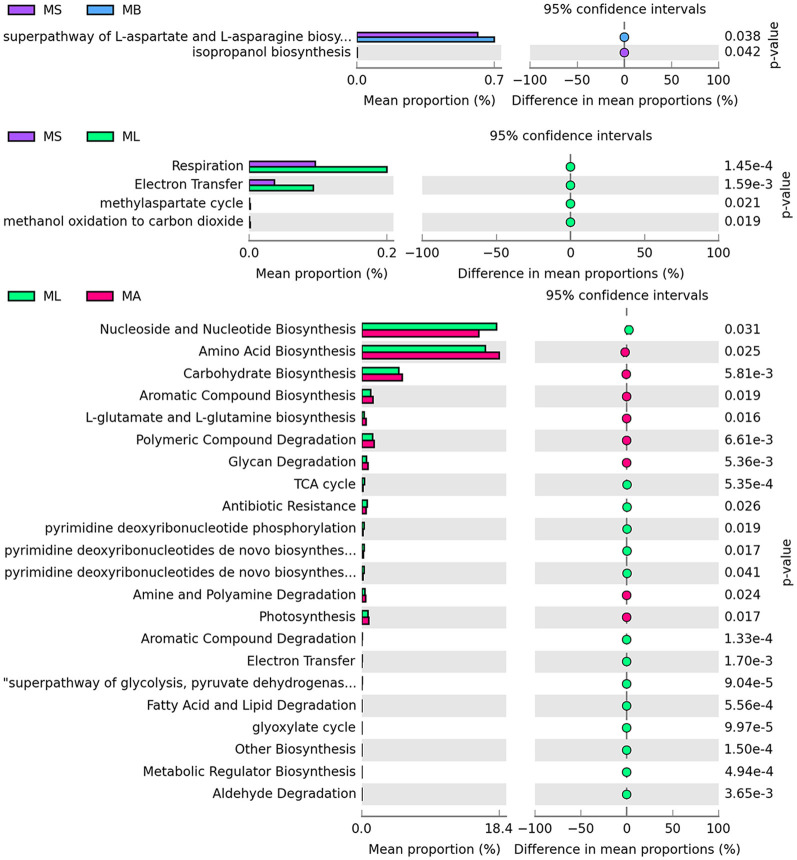
The results showed that the abundance of beneficial bacteria such as Bacteroidetes in the MB group was significantly higher than that in MS group, while the abundance of pathogenic bacteria such as Streptococcaceae was significantly decreased in the MB group. The addition of CGA significantly inhibited the increase of the abundance of harmful bacteria such as Streptococcaceae, Proteobacteria and caused by LPS stress. The population of butyric acid-producing bacteria such as Lachnospiraceae and and beneficial bacteria such as Coriobacteriaceae in the MA group increased significantly. Non-targeted metabonomic analysis showed that LPS stress significantly upregulated the 12-keto-tetrahydroleukotriene B4, riboflavin and mannitol. Indole-3-acetate, xanthurenic acid, L-formylkynurenine, pyrrole-2-carboxylic acid and L-glutamic acid were significantly down-regulated, indicating that LPS activated inflammation and oxidation in broilers, resulting in intestinal barrier damage. The addition of CGA to the diet of LPS-stimulated broilers significantly decreased 12-keto-tetrahydro-leukotriene B4 and leukotriene F4 in arachidonic acid metabolism and riboflavin and mannitol in ABC transporters, and significantly increased N-acetyl-L-glutamate 5-semialdehyde in the biosynthesis of amino acids and arginine, The presence of pyrrole-2-carboxylic acid in D-amino acid metabolism and the cecal metabolites, indolelactic acid, xanthurenic acid and L-kynurenine, indicated that CGA could reduce the inflammatory response induced by immune stress, enhance intestinal barrier function, and boost antioxidant capacity.
We conclude that CGA can have a beneficial effect on broilers by positively altering the balance of intestinal microorganisms and their metabolites to inhibit intestinal inflammation and barrier damage caused by immune stress.
本研究旨在探讨绿原酸(CGA)对脂多糖(LPS)诱导的免疫应激期间肉鸡肠道微生物和代谢产物的影响。
总共312只1日龄的艾维茵(AA)肉鸡被随机分为四组,每组六个重复,每个重复13只肉鸡:(1)MS组(注射生理盐水并饲喂基础日粮);(2)ML组(注射0.5 mg LPS/kg并饲喂基础日粮);(3)MA组(注射0.5 mg LPS/kg并饲喂添加1000 mg/kg CGA的基础日粮);(4)MB组(注射生理盐水并饲喂添加1000 mg/kg CGA的基础日粮)。
结果表明,MB组中拟杆菌等有益菌的丰度显著高于MS组,而MB组中链球菌科等病原菌的丰度显著降低。添加CGA显著抑制了LPS应激引起的链球菌科、变形菌门等有害菌丰度的增加。MA组中产丁酸菌如毛螺菌科和有益菌如棒状杆菌科的数量显著增加。非靶向代谢组学分析表明,LPS应激显著上调了12-酮基-四氢白三烯B4、核黄素和甘露醇。吲哚-3-乙酸、黄尿酸、L-甲酰犬尿氨酸、吡咯-2-羧酸和L-谷氨酸显著下调,表明LPS激活了肉鸡的炎症和氧化反应,导致肠道屏障受损。在LPS刺激的肉鸡日粮中添加CGA显著降低了花生四烯酸代谢中的12-酮基-四氢白三烯B4和白三烯F4以及ABC转运蛋白中的核黄素和甘露醇,并显著增加了氨基酸生物合成中的N-乙酰-L-谷氨酸5-半醛和精氨酸,D-氨基酸代谢中吡咯-2-羧酸以及盲肠代谢产物吲哚乳酸、黄尿酸和L-犬尿氨酸的存在表明,CGA可以减轻免疫应激诱导的炎症反应,增强肠道屏障功能,并提高抗氧化能力。
我们得出结论,CGA可以通过积极改变肠道微生物及其代谢产物的平衡来抑制免疫应激引起的肠道炎症和屏障损伤,从而对肉鸡产生有益影响。